





Retro Wall Clock
A retro wall clock brings genuine twentieth-century design and character into a room, offering functional timekeeping rooted in past decades.
Retro Wall Clock
A retro wall clock encompasses timepieces originating from the 1920s through to the 1950s, capturing the distinct design movements of those decades. Buyers searching this phrase encounter forms ranging from domestic striking clocks to heavy-duty institutional models.
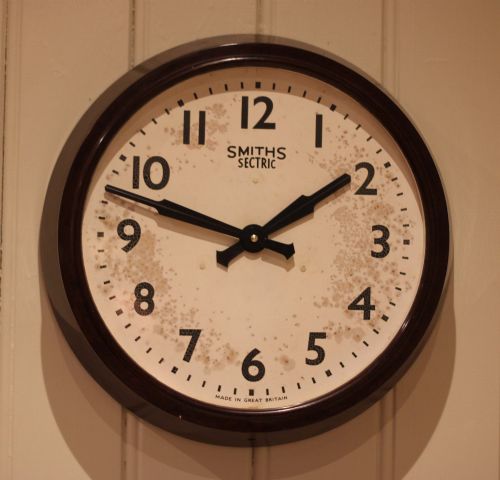
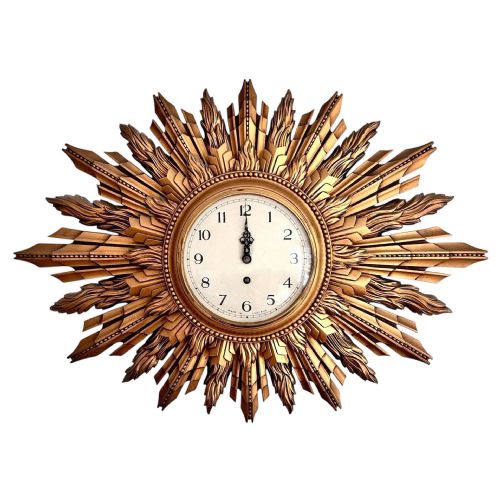
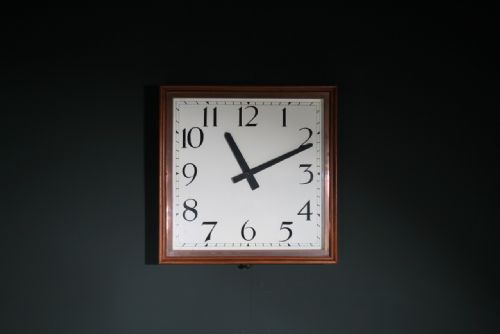
The selections on this page lean heavily towards Art Deco, Industrial, and Mid-Century styles, reflecting the manufacturing output of English, French, and Japanese makers. Prominent examples include starburst designs, octagonal office pieces, and specialised factory or bulkhead clocks.
Material variety defines these pieces, combining traditional cabinet woods with newer industrial substances of the era. Walnut and oak house traditional movements, whilst metal, chrome, and bakelite frame more utilitarian spaces.
How They Were Made
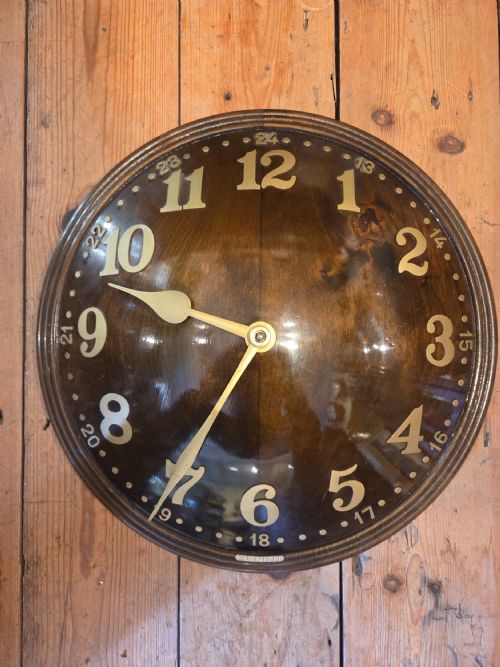
Cabinet makers utilised rich timbers like walnut and oak, shaping them into octagonal frames or decorative cases suited to domestic interiors. Carpenters employed classic joinery techniques to house mechanical movements securely behind glazed doors.
Industrial and maritime pieces relied on robust metal casings, incorporating brass, copper, and chrome to withstand heavy daily use in factories, hospitals, and ships. Bakelite and early plastics emerged during this period for lightweight bezels and specialist housings.
Gilded wood provided the decorative framework for flamboyant sunburst styles designed to dominate a reception room wall. Glass protected the dials, ranging from simple flat panes to curved covers.
Retro Wall Clock Retail Price Guide 2026
Typical asking prices for retro wall clock among the pieces listed under this phrase on Sellingantiques today, from the lower quarter to the upper quarter. They describe what is for sale here now, not the wider market.
Industrial and maritime horology appears alongside domestic Art Deco and French chalet wall clocks.
What Varies in Quality
The standard of a clock rests primarily on the integrity of its original casing and the complexity of its movement. Pieces featuring specialist mechanisms, such as Westminster carillons or automation, demonstrate superior horological ambition compared to standard timepieces.
Smiths·Zenith·Vedette
The Retro Wall Clock Glossary
- Art Deco
- A design style spanning the 1920s and 1930s characterised by geometric shapes, stylised motifs, and streamlined forms. It heavily influenced the architecture and clock faces of the period.
- Bakelite
- An early form of synthetic plastic developed in the early twentieth century, valued for its durability and glossy dark finish. Makers utilised it extensively for electrical items and clock bezels.
- Sunburst
- A decorative wall clock style featuring rays or spikes radiating outwards from a central dial, reminiscent of the sun. These pieces often utilise gilded wood or metal.
- Bulkhead clock
- A heavy-duty timepiece originally designed for mounting on the interior bulkheads of ships, typically featuring a robust waterproof case and a screwed-down bezel.
- Carillon
- A set of bells tuned to play a melody, incorporated into striking clocks to chime quarters and hours. French cabinet clocks frequently housed these musical movements.
Retro Wall Clock: Frequently Asked Questions
How do I wind a mechanical wall clock?
Mechanical clocks require a key to tighten the mainsprings via winding arbors on the dial face. Care must be taken not to over-wind the mechanism.
Different movements require different intervals between winds, ranging from daily to eight-day durations depending on the gear train.
Where should I hang a heavy wall clock?
Heavy timepieces require secure fixing directly into wall studs or masonry using appropriaterawl plugs and screws. Hanging them from picture wire is strongly discouraged due to the substantial weight of wooden cases and brass movements.
Ensure the wall is flat so the case sits plumb, which allows the pendulum to swing evenly without catching.
How do I date a vintage wall clock?
Dating relies on a combination of case style, materials, dial typography, and maker marks stamped on the movement plates. Art Deco and Mid-Century pieces display distinct aesthetic markers typical of their decade of manufacture.
Some military or institutional pieces carry direct issue dates stamped onto the case back or dial face.
Why does my clock run fast or slow?
Mechanical clocks are regulated by a pendulum or balance wheel that can be adjusted using a small nut to alter the effective length or speed. Temperature changes and the age of the oil can also influence the timing.
Allowing the movement to settle in its new location is essential before attempting any regulation.