


Retro Study Lighting
Retro study lighting brings focused task illumination and striking period character to a desk through durable metal, brass and bakelite forms.
Retro Study Lighting
When you search for retro study lighting, you encounter functional task lamps designed for focused work across several decades. The selection centres heavily upon desk lamps and table lamps originating from the nineteen hundreds through to nineteen forty.
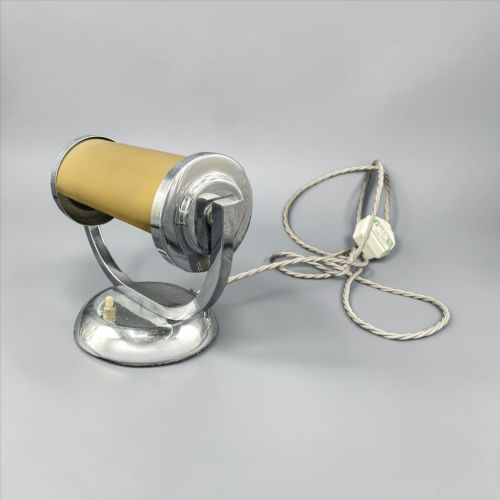
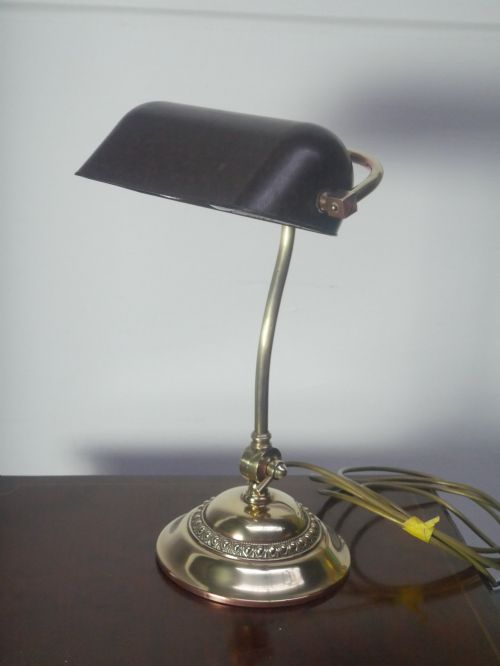
You will regularly meet adjustable brass and metal bankers lamps alongside striking Art Deco designs featuring shell-shaped shades. Edwardian copper examples and early adjustable articulated arms also appear among the core forms on this page.
The dominant aesthetic draws on Art Deco and Edwardian styles, utilising materials like chrome, cast iron, steel and toleware. These pieces serve as practical workspace illumination while carrying the distinct industrial and decorative signatures of their respective eras.
How they were made
These lamps rely on robust construction methods combining spun or pressed metal shades with heavy cast iron or brass bases to maintain stability during adjustment. Makers utilised copper, steel and chrome finishes to achieve both industrial utility and polished decorative appeal.
Early electrical components integrated specialised materials such as moulded bakelite for switches and housings alongside traditional glass shades. Articulated joints and flexible metal tubing allowed users to direct light precisely where needed across the working surface.
Materials represented across the selection include brass, copper, chrome, steel, cast iron, glass, and bakelite.
What varies in quality
The distinction between standard and exceptional pieces rests upon the integrity of the original materials and the sophistication of the mechanical adjustment. Heavier gauge metals, uncompromised bakelite components, and retained original surface treatments elevate certain examples above standard utility lighting.
Design attribution and stylistic execution also drive variation, with sculptural Art Deco forms featuring specific elements like macassar wood or shell-shaped metal shades commanding greater visual interest. The survival of original shades and functional flexibility without structural modification determines the standing of an individual piece.
Eileen Grey·Hawkins
The Retro Study Lighting Glossary
- Bakelite
- An early form of synthetic thermosetting plastic moulded into switch housings and lamp components. It provides a durable, glossy finish characteristic of mid-century electrical goods.
- Toleware
- Painted or enamelled metalware often utilised for lamp shades. This technique creates a durable coloured surface finish found on decorative desk lighting.
- Anglepoise
- A type of balanced arm lamp using spring tension to maintain position. This mechanical arrangement allows the light source to remain stable at various angles.
- Bankers lamp
- A traditional desk light featuring a green glass shade and a brass base. It was designed to reduce eye strain for accountants and office workers.
Retro Study Lighting: Frequently Asked Questions
How do I identify an Edwardian desk lamp?
Edwardian desk lamps typically date from around nineteen hundred and showcase warmer metals such as copper and brass with traditional joinery.
They rely on simpler, less stylised geometric forms than later Art Deco designs while maintaining robust adjustable frames.
What materials were used in nineteen thirties desk lamps?
Nineteen thirties pieces frequently incorporate chromium plating, steel, cast iron, and early plastics like bakelite. These materials reflected contemporary industrial advancements and modern interior aesthetics.
Shades were often fashioned from shaped metal, glass, or enamelled toleware to direct task lighting efficiently.
How do adjustable joints work on vintage study lamps?
Many vintage study lamps utilise flexible tubing, pivot joints, or internal spring mechanisms to alter the height and angle of the shade. These mechanical elements allowed users to position task illumination directly over paperwork.
Preserved tension and smooth movement indicate careful maintenance of the original hardware.
Are these lamps suitable for daily modern desk use?
These pieces function effectively as direct task lighting for modern workspaces when fitted with appropriate modern bulbs. Their sturdy metal and cast iron bases provide stable placement on contemporary desks.
They bring both practical illumination and distinct historical character to a home study.