



Retro Silver Watch
These vintage timepieces define retro silver watch design across decades of mechanical ingenuity.
Retro Silver Watch
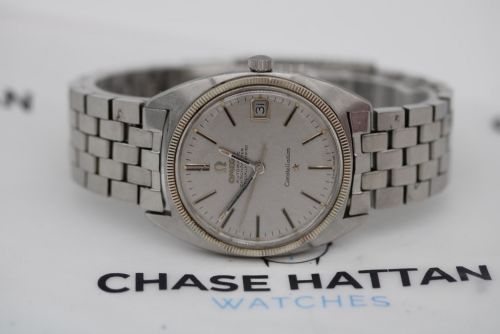
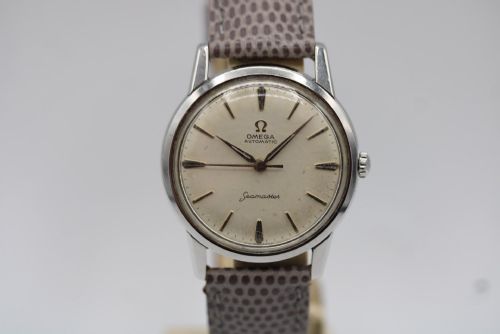
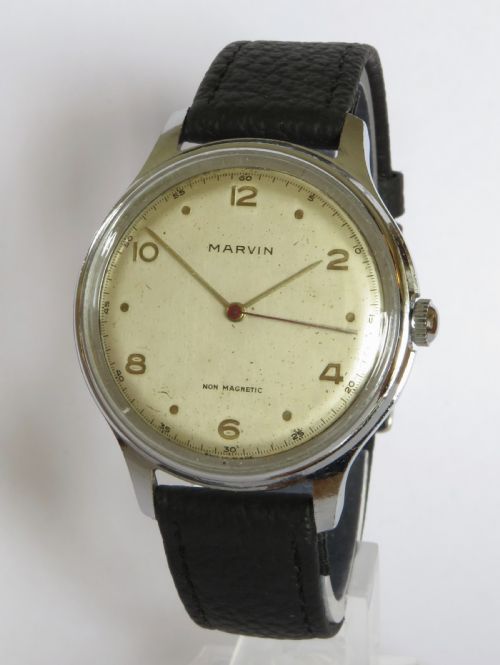
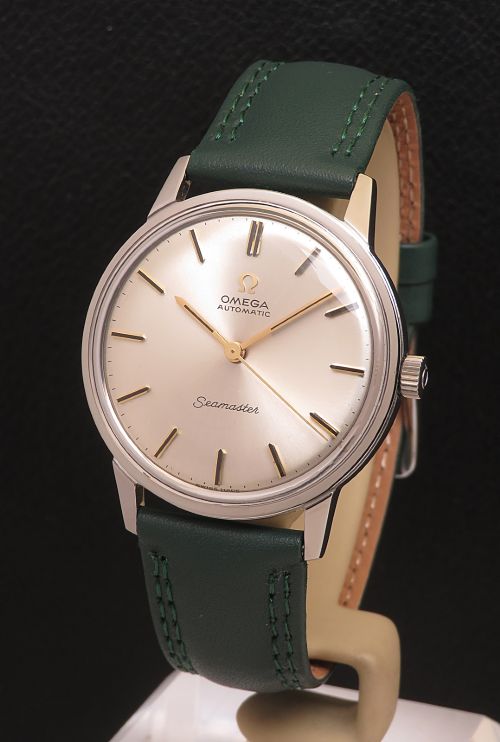
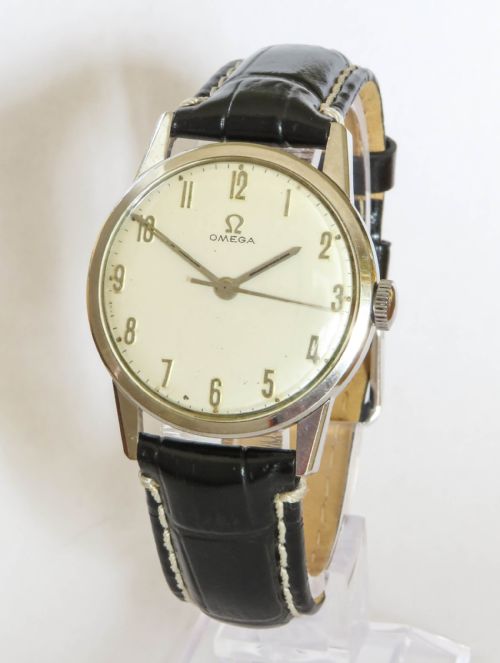
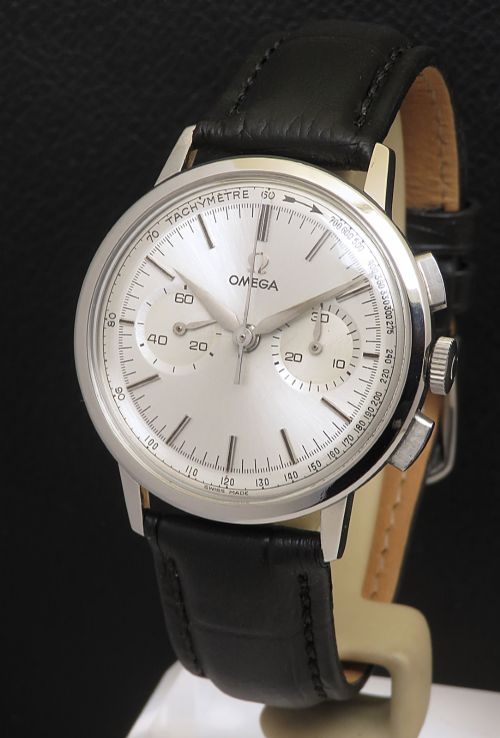
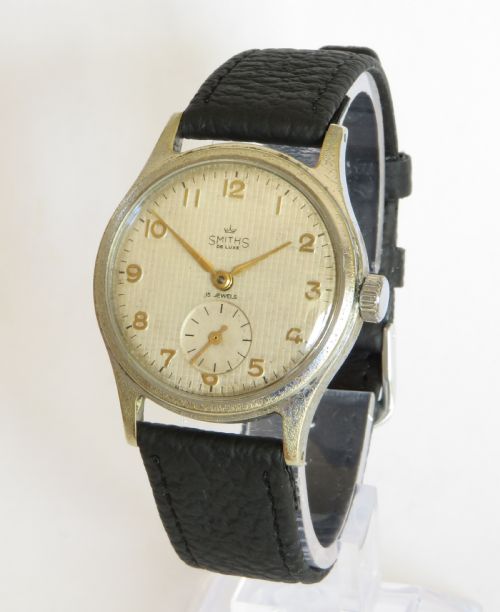
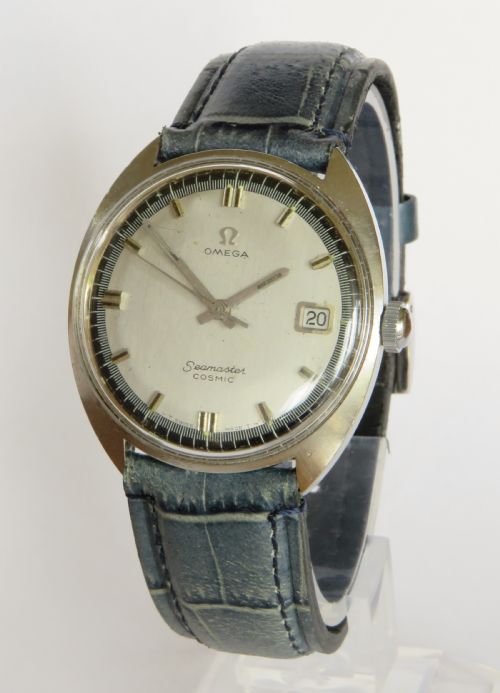
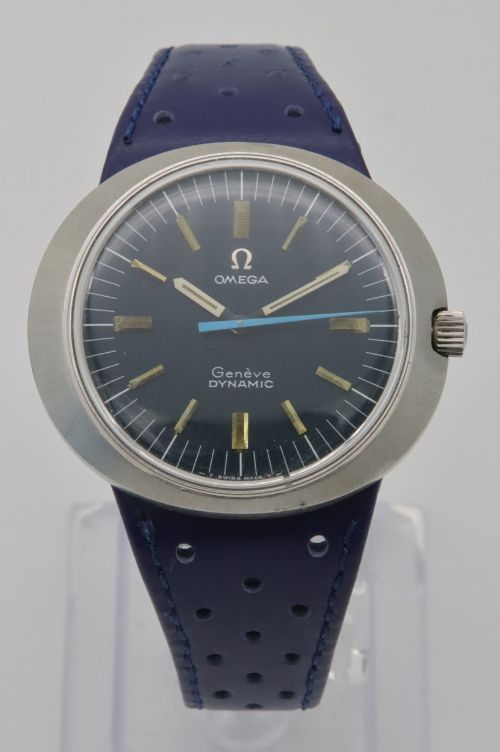
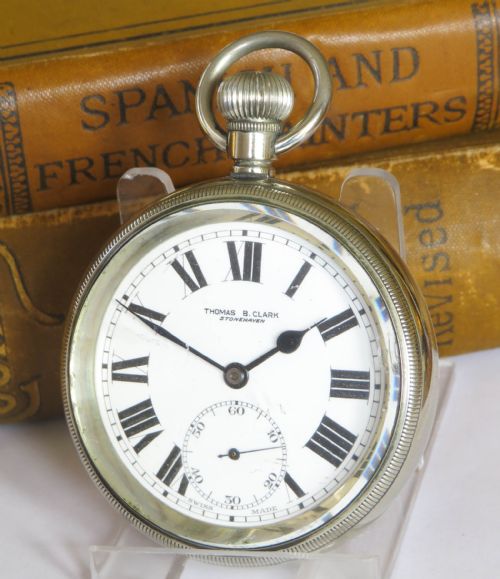
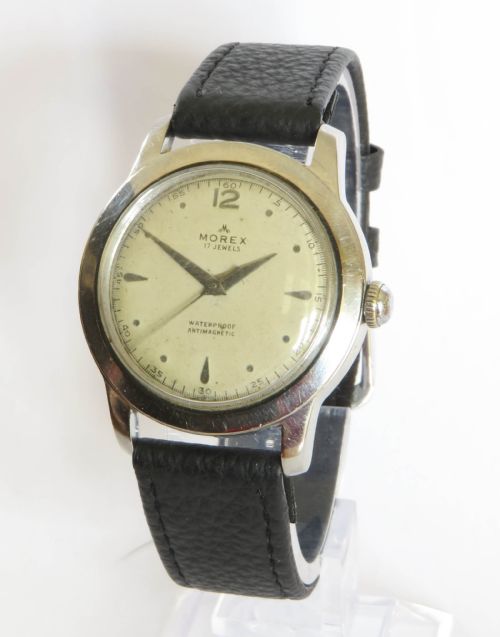
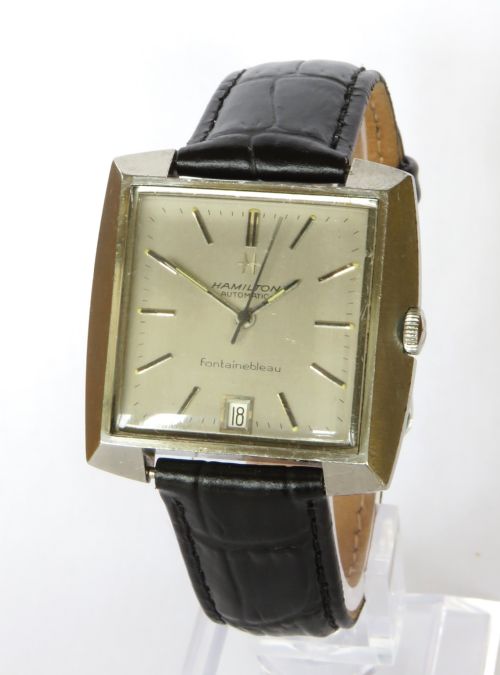
When a buyer searches for a retro silver watch, they encounter mechanical wristwatches and pocket watches spanning from the 1920s through the 1970s. These pieces encompass diverse forms, including aviator chronographs, calendar models, and classic dress watches.
Wristwatches dominate the selection, produced by notable makers across Britain, Switzerland, and beyond. Examples range from simple manual wind three-hand models to complex automatic chronometers housed in distinctive cases.
How They Were Made
Cases utilise stainless steel, chrome, and silver, paired with acrylic or glass crystals to protect the dial. Leather straps frequently complete the assembly alongside metal bracelets.
Movements rely on traditional mechanical engineering, incorporating manual wind or automatic self-winding calibres. Enamel and metal dials often feature patinated finishes developed through decades of existence.
Retro Silver Watch Retail Price Guide 2026
Typical asking prices for retro silver watch among the pieces listed under this phrase on Sellingantiques today, from the lower quarter to the upper quarter. They describe what is for sale here now, not the wider market.
Some vintage watches remain completely unworn since the 1930s, waiting nearly a century for their first daylight.
What Varies in Quality
Quality rests upon the preservation of original components, such as signed dials, matching hands, and factory-correct crowns. Unrestored examples with untouched dials sit differently in the market compared to pieces retaining service records.
Complexity of the movement also dictates standing, with multi-register chronograph calibres and chronometer-grade mechanisms holding distinct mechanical interest over standard movements.
Omega·Smiths·Hamilton·Bulova·Longines·Zenith·Breitling·Seiko
The Retro Silver Watch Glossary
- Chronograph
- A watch with a stopwatch function alongside its standard timekeeping display. These complications often utilise separate sub-dials for measuring elapsed minutes and hours.
- Calibre
- The specific internal mechanical movement manufactured for a watch. Collectors reference these numbers to identify the exact factory design powering the timepiece.
- Bumper
- An early form of automatic winding movement where the rotor swings back and forth within a restricted arc rather than rotating fully. The wearer feels a gentle tap against internal springs as the weight moves.
- Patina
- The natural ageing or toning of dial surfaces, hands, and metal components over time. This gradual shift in colour and texture is prized by traditional collectors.
- Curvex
- A distinctive curved watch case designed to contour around the shape of the wrist. This ergonomic form gained popularity during the Art Deco era.
Retro Silver Watch: Frequently Asked Questions
What is a bumper automatic movement?
A bumper automatic movement uses a semi-circular weighted rotor that swings back and forth against internal springs to wind the mainspring. This mechanical layout was common in early self-winding wristwatches.
Wearers feel a gentle physical tap on the wrist as the mechanism operates during daily movement.
How do I wear a vintage aviator chronograph?
Vintage aviator chronographs pair well with tailored or casual attire, adding notable mechanical presence to the wrist. Their larger steel cases and sub-dials make them distinct statement pieces.
Protecting the acrylic crystal and avoiding moisture exposure keeps the mechanical chronograph functioning reliably during regular wear.
What makes a pocket watch different from a wristwatch?
Pocket watches are designed to be carried in a waistcoat or jacket pocket, frequently secured with a matching chain. They usually feature larger movements and wider dials than wristwatches.
Wristwatches emerged to offer direct time visibility on the arm, transforming how people wore timepieces daily.
How can I tell the period of a retro watch?
The period is identified through case geometry, dial typography, and internal movement design. Art Deco pieces from the 1930s often show geometric symmetry, while 1970s models introduce bolder square cases and coloured dials.
Reference numbers and specific calibre types stamped inside the watch provide further chronological confirmation.