




Retro Platinum Diamond Ring
A retro platinum diamond ring brings together mid-century design and enduring white metal, offering a striking centrepiece for everyday wear.
Retro Platinum Diamond Ring
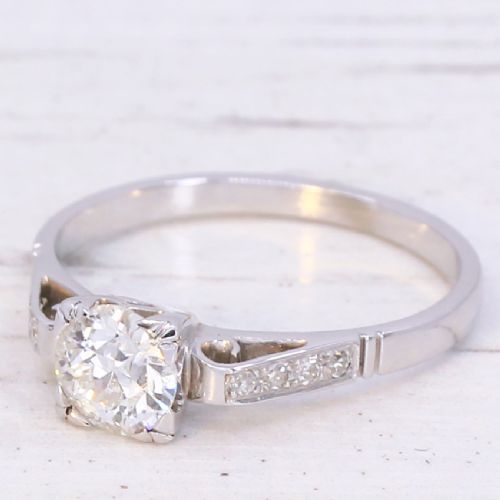
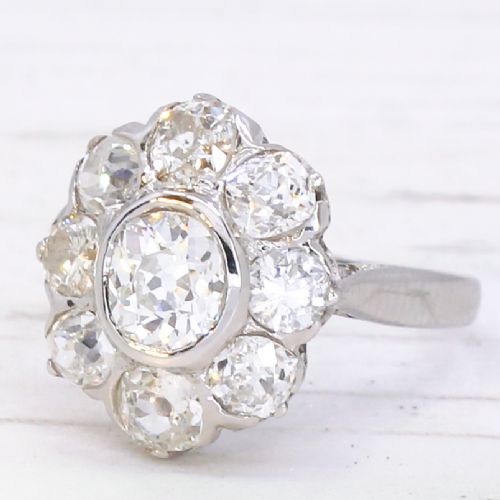
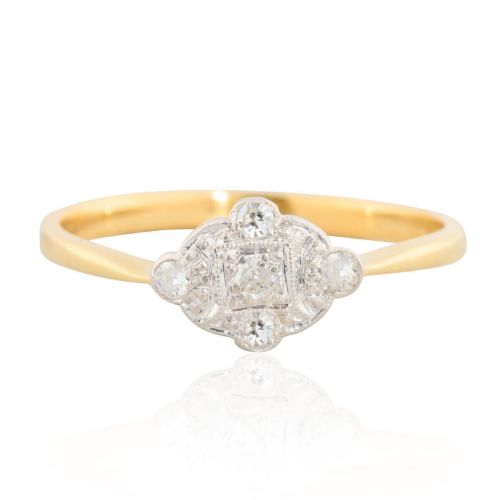
A retro platinum diamond ring encompasses jewellery originating primarily from the 1930s through to the 1960s, spanning Art Deco, 1940s Retro, and Mid-Century periods. Buyers frequently encounter engagement rings, cocktail rings, and cluster designs that showcase substantial central stones.
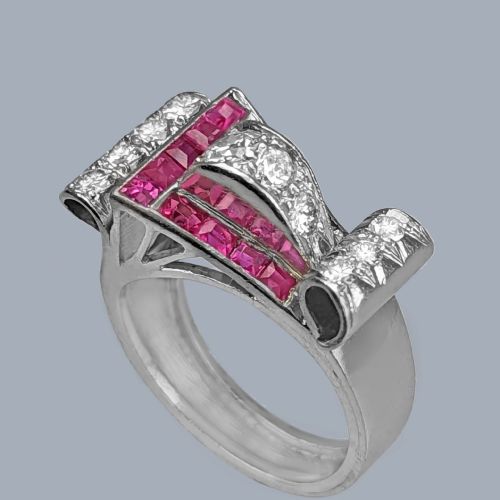
Origins trace across decades where craftsmanship favoured sculptural forms, such as French tank rings and flower clusters. These configurations provide a tangible link to mid-century fashion while maintaining structural durability.
Materials and Construction
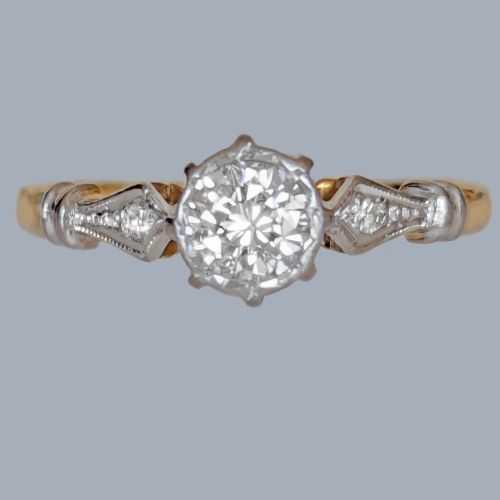
Platinum serves as the primary metal for securing stones, paired often with 18ct yellow or white gold in the shank and basket. This pairing provided high tensile strength during periods when platinum was heavily restricted for war efforts.
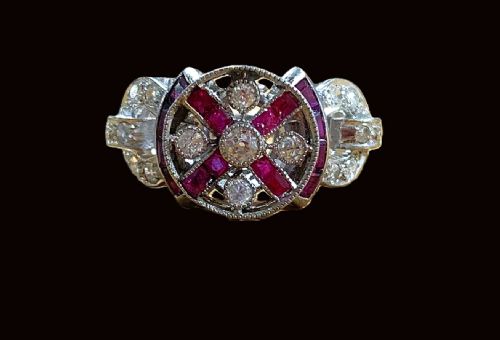
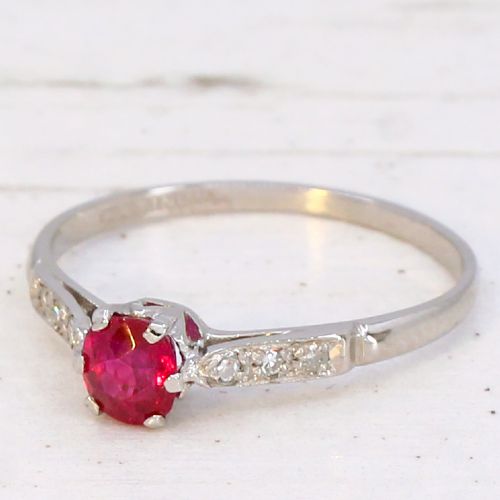
Gemstones are set using traditional techniques like pave, bezel, and prong work, housing old cut, transitional cut, and single cut diamonds. Coloured stones such as sapphires, rubies, and opals appear alongside the diamonds to enrich the palette.
Some mid-century cocktail rings weigh over fifteen grams, proving that previous generations liked their handwear substantial.
Evaluating Quality
The calibre of a piece rests heavily on the proportion and symmetry of the metalwork, particularly in complex geometric or tank designs. Fine grain work and precise stone alignment distinguish superior workshop output from standard production.
Stone selection dictates overall distinction, with well-matched side stones and clean old cut or transitional diamonds elevating a mounting. Original settings that retain their crisp edges and unpolished hallmarks command stronger appreciation.
Giboulet
The Retro Platinum Diamond Ring Glossary
- Old cut diamond
- A diamond cut popular before modern brilliant facets, characterised by a high crown, small table, and open culet. These stones exhibit a distinct, softer glow under candlelight.
- Platinum
- A dense, durable, and naturally white precious metal used extensively for secure stone settings. It develops a soft patina over decades of wear.
- Tank ring
- A bold, chunky jewellery style inspired by military machinery, emerging during the 1940s with structural ribs and heavy gold or platinum volumes.
- Transition cut diamond
- A diamond facet style bridging old mine cuts and modern round brilliants, produced primarily during the mid-20th century.
- Cluster ring
- A setting arrangement featuring a prominent central gemstone surrounded by a border of smaller stones, often diamonds or sapphires.
Retro Platinum Diamond Ring: Frequently Asked Questions
What defines a retro platinum diamond ring?
These pieces originate from the 1930s to the 1960s, combining durable white platinum settings with old cut or transitional diamonds. They often feature bold geometric lines or fluid cluster arrangements.
Craftsmanship from these decades prioritised heavy metal presence and sculptural silhouettes, distinguishing them from modern minimalist jewellery.
How do I care for my ring?
Platinum and diamond constructions require gentle cleaning with warm soapy water and a soft brush to remove everyday oils. Avoid harsh chemical dips, especially if the ring contains softer coloured gemstones like opals or pearls.
Periodic checks by a professional jeweller ensure that the claw settings remain secure around the centre stones.
Can I wear one daily?
Platinum provides a robust and hard-wearing foundation suitable for regular wear, though older prongs benefit from occasional inspection. Taking the ring off during heavy manual tasks prevents unnecessary strain on the historical metalwork.
Many buyers choose these resilient mid-century designs specifically for contemporary engagement and everyday use.
How are different periods identified?
Art Deco pieces from the 1920s and 1930s display strict symmetry and linear geometric patterns. 1940s and 1950s examples introduce heavier curves, tank styles, and mixed gold tones.
Examinations of hallmark stamps, cutting styles, and mounting construction help narrow down the exact decade of manufacture.