

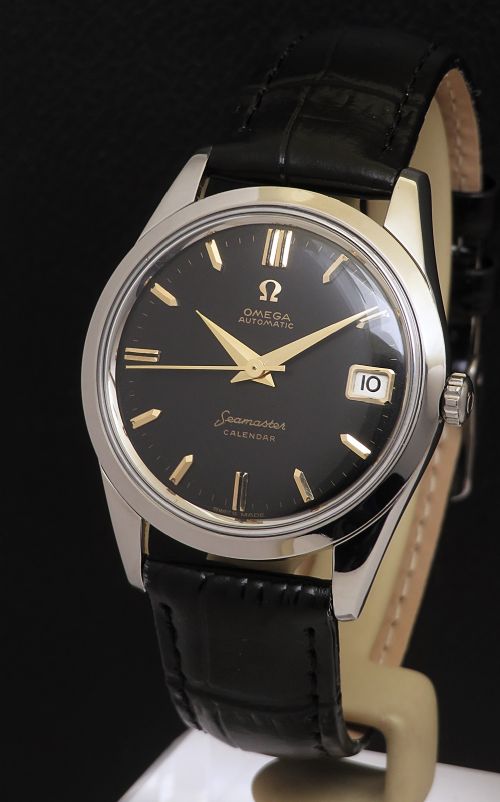
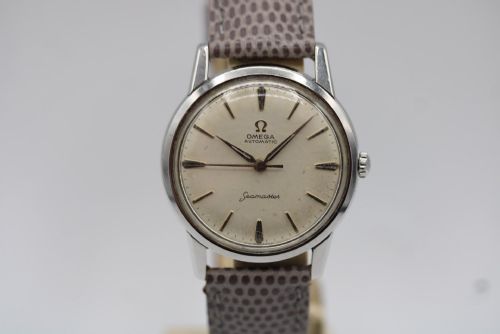
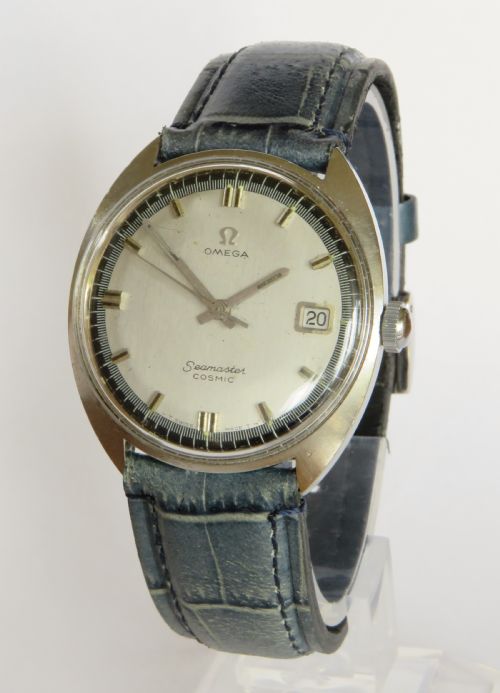
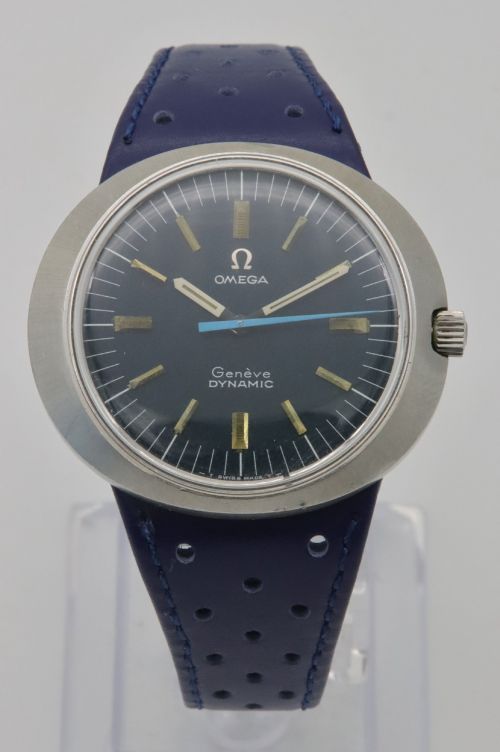
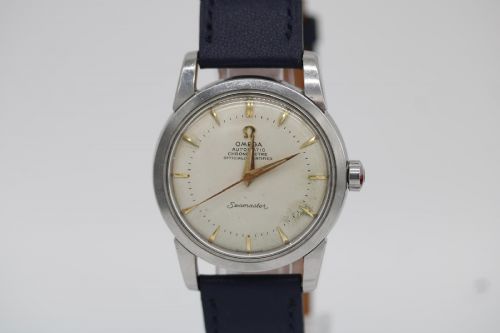

Retro Omega Automatic
A retro omega automatic represents mid-century watchmaking at its finest, offering reliable automatic movements housed in classic mid-century modern wristwatch designs.
Retro Omega Automatic
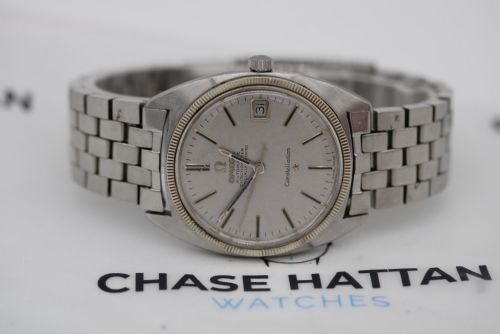
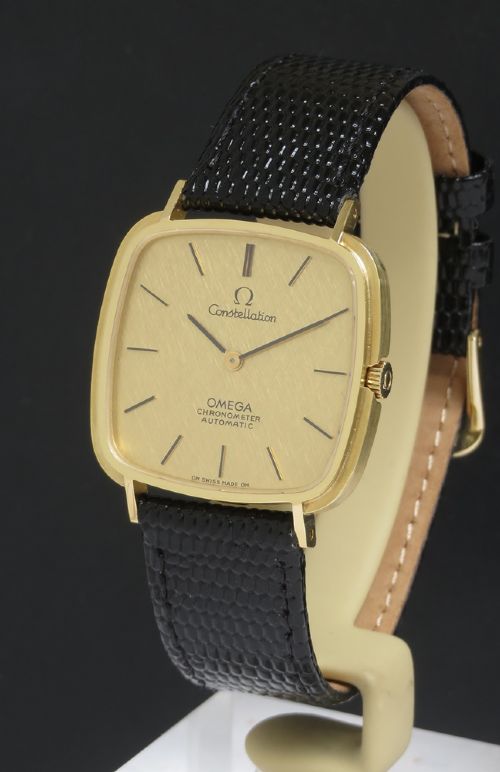
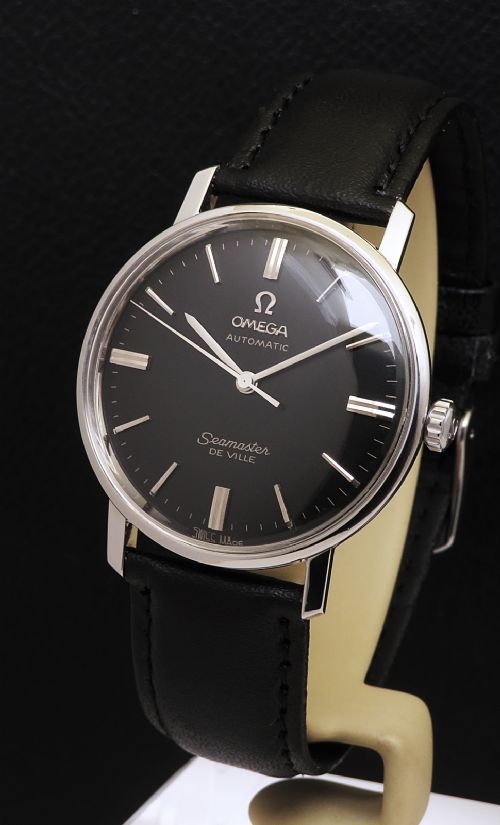
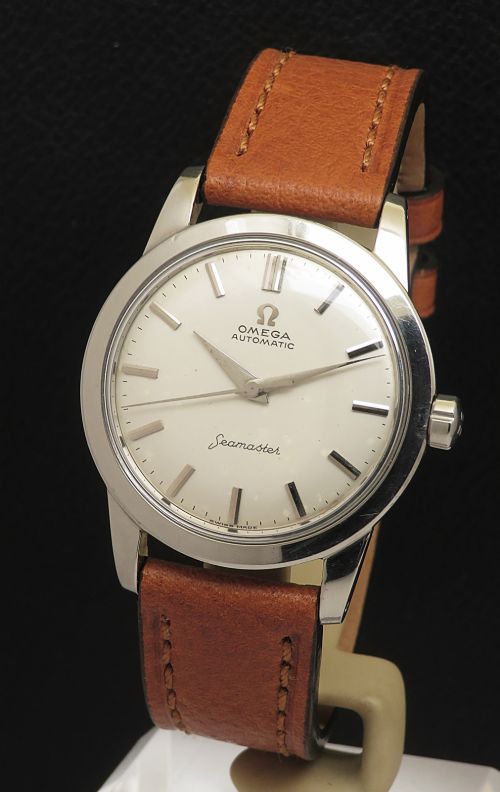
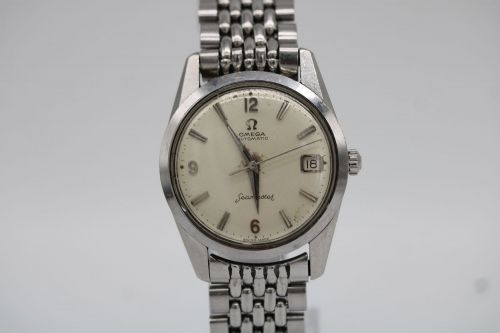
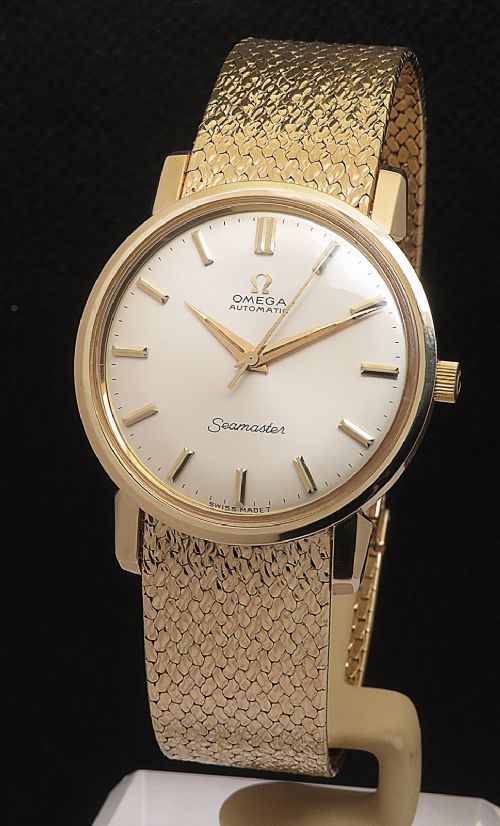
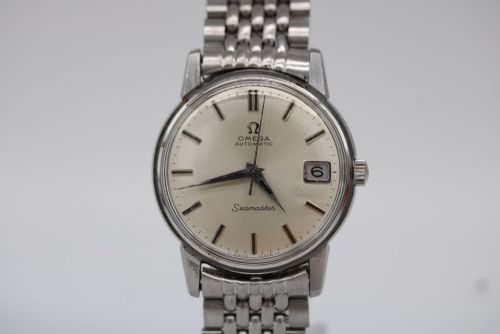
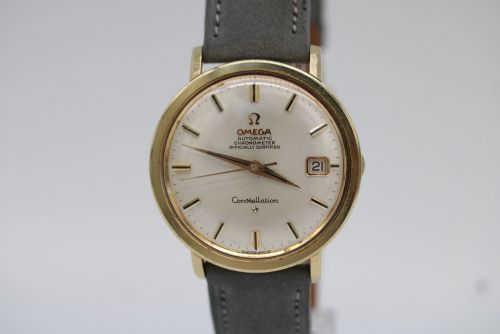
When you search for a retro omega automatic, you are looking at wristwatches dating primarily from the 1950s and 1960s. These pieces encompass iconic lines such as the Seamaster, Constellation, Geneve, and DeVille, representing the pinnacle of mid-century horology.
The version you are most likely to meet on this page is a mid-century modern Seamaster wristwatch featuring an automatic movement. These timepieces capture the distinctive aesthetic of the 1960s alongside earlier bumper movements from the 1950s.
How They Were Made
Cases were fashioned from stainless steel, gold plate, and solid precious metals including 9ct and 18ct gold. These materials were shaped into enduring mid-century forms designed to protect the internal mechanical movements.
Dials were protected by glass or acrylic glass crystals, while many pieces were fitted with leather straps. Internal mechanisms relied on precise automatic winding technology, including early bumper calibres.
Retro Omega Automatic Retail Price Guide 2026
Typical asking prices for retro omega automatic among the pieces listed under this phrase on Sellingantiques today, from the lower quarter to the upper quarter. They describe what is for sale here now, not the wider market.
The subtle wrist thud of a 1950s bumper movement connects you directly to the heartbeat of mid-century engineering.
What Varies in Quality
The distinction between tiers often lies in the choice of casing material, moving from gold-plated finishes up to heavy solid 9ct and 18ct gold cases. Dial preservation and originality also define the hierarchy, with untouched components holding particular significance.
Mechanical sophistication further separates the examples, ranging from standard automatic timepieces to chronometer-certified models and deluxe chronometers. The presence of original boxes and paperwork adds another layer of distinction.
Omega
The Retro Omega Automatic Glossary
- Automatic
- A self-winding mechanical movement that uses the natural motion of the wearer's wrist to power the watch. This system removes the need for daily manual winding.
- Bumper
- An early form of automatic movement where the rotor swings back and forth against springs rather than rotating fully through three hundred and sixty degrees. Collectors prize this mechanical quirk for its distinct tactile feedback.
- Chronometer
- A high-precision watch that has passed rigorous accuracy tests conducted by an official certifying body. These pieces represent superior timekeeping performance.
- Calibre
- The specific internal mechanical movement manufactured and housed within the watch case. Knowing the calibre number helps identify the precise era and engineering of the movement.
Retro Omega Automatic: Frequently Asked Questions
What is a bumper automatic?
A bumper automatic is an early self-winding movement where an internal weight swings back and forth against internal springs to tension the mainspring. You can often feel and hear the gentle tap of the weight against the bumpers on your wrist.
This mechanism belongs primarily to the 1950s before full rotor automatic movements became standard industry practice. It represents a fascinating transitional phase in mid-century watch engineering.
How do I care for a vintage watch?
Vintage automatic wristwatches require regular mechanical servicing by a qualified specialist to maintain lubrication and accuracy. Keeping them away from excessive moisture is essential since vintage water resistance seals degrade over decades.
Daily wear is suitable for most serviced pieces, but manual winding should be done gently if the watch has sat idle. Storing them in a dry environment preserves both the metal case and the leather strap.
How do I identify the production year?
The production year can often be determined by referencing the internal movement serial number against manufacturer production records. Model references and case back hallmarks also provide reliable clues to the era.
Pieces from this selection typically span the 1950s and 1960s, reflecting distinct shifts in mid-century design. Documentation accompanying the watch can also confirm its precise date of origin.