




Retro Oak Furniture
Retro oak furniture brings solid construction and warm grain together in practical pieces designed for twentieth-century living.
Retro Oak Furniture
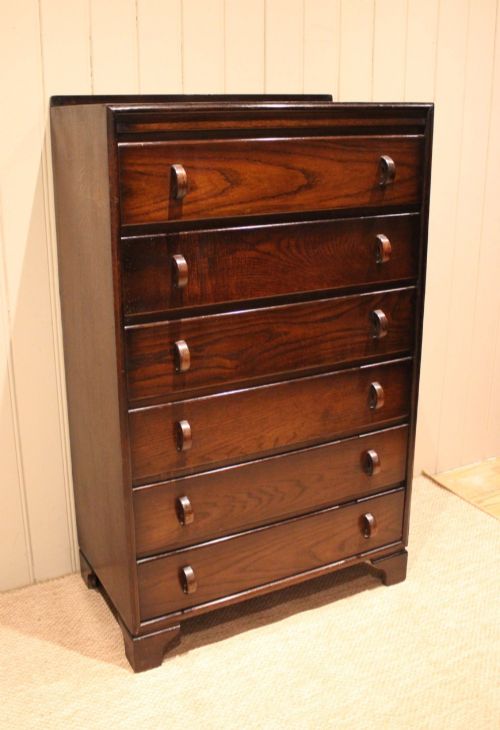
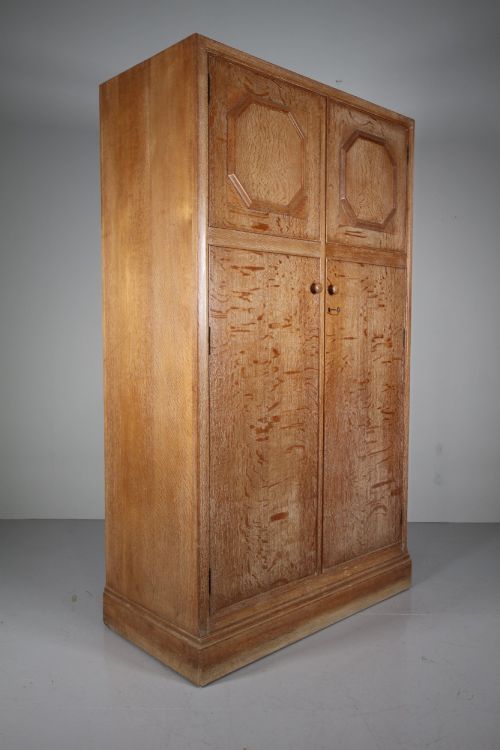
Retro oak furniture encompasses practical domestic items and office storage solutions produced across the early to mid-twentieth century. The pieces on this page span from the Edwardian era through the 1950s, taking in styles such as Art Deco, Arts and Crafts, and Mid-Century Modern. Buyers seeking this phrase encounter sturdy wardrobes, filing cabinets, bookcases, and dining sets that prioritise utility alongside clean lines.
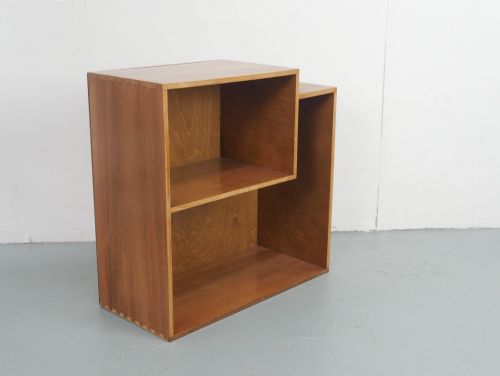
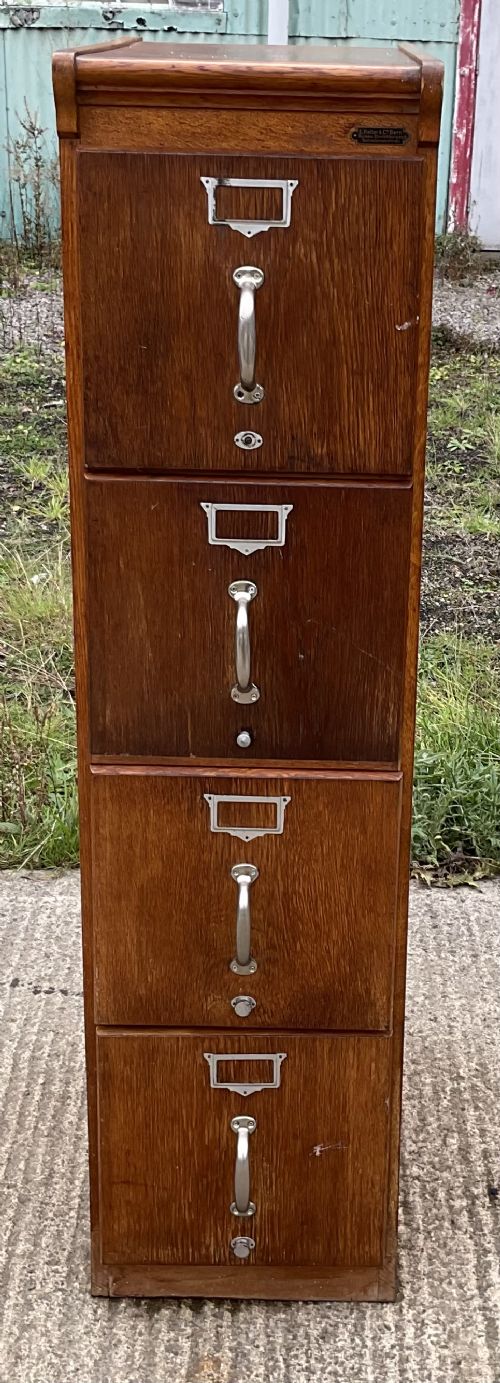
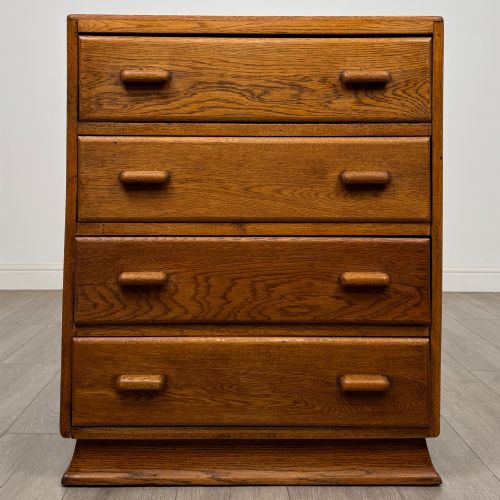
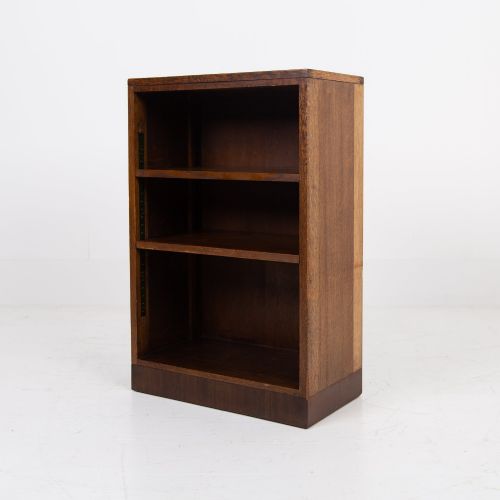
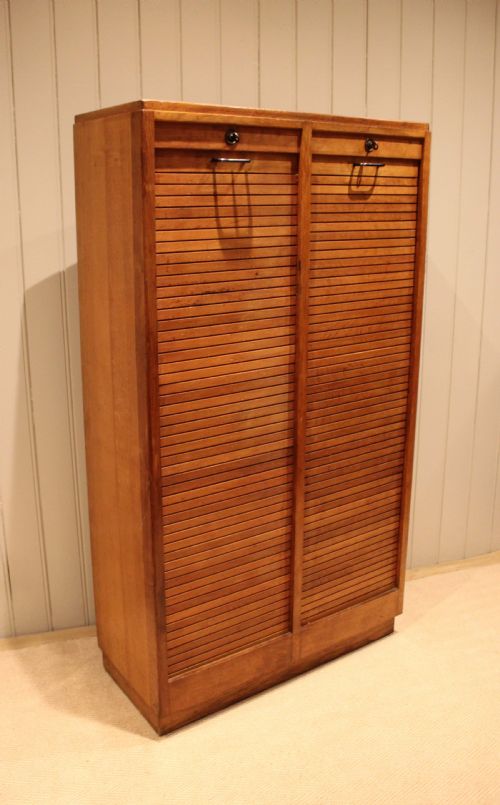
Domestic pieces range from fitted wardrobes and dressing tables to leather-topped open bookcases and display cabinets. Office and workspace items appear frequently, including tambour front filing cabinets and pedestal desks. Oak remains the consistent thread across these diverse forms, providing the durable framework that defines the aesthetic.
Materials and construction methods
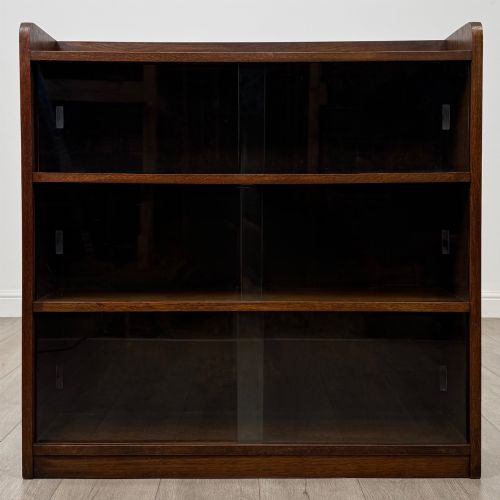
Construction relies heavily on solid oak and wood veneer, supported by functional elements in metal, steel, and glass. Cabinet makers utilised traditional joinery alongside contemporary industrial techniques, incorporating sliding glass doors and flexible tambour fronts into office and living room storage. Leather tops appear on desks and bookcases, adding a tactile surface to the wooden structures.
The integration of plywood and various hardwoods alongside primary oak timbers reflects the evolving manufacturing methods of the twentieth century. Makers combined sturdy timber frames with veneered panels to achieve smooth surfaces on dressing tables and wardrobes. Hardware such as original wooden handles completes the construction details seen across the inventory.
Retro Oak Furniture Retail Price Guide 2026
Typical asking prices for retro oak furniture among the pieces listed under this phrase on Sellingantiques today, from the lower quarter to the upper quarter. They describe what is for sale here now, not the wider market.
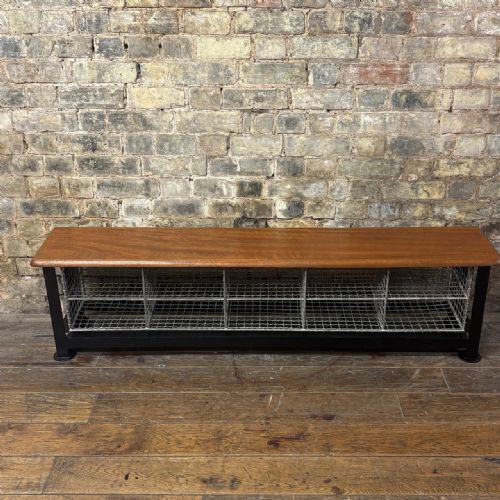
A sturdy school gym shoe bench finds new life in the hallway, ready to lace up modern footwear.
Markers of quality and execution
Quality in these pieces emerges through the precision of the cabinetry and the integrity of the materials. Superior examples display thoughtful grain matching across veneered surfaces and robust mechanical actions on tambour doors and sliding glass panels. The retention of original maker labels and hardware elevates the standing of individual items.
Construction depth separates standard utility items from finer workshop productions. Solid oak framing, clean interior fittings, and well-executed stylistic details from identifiable makers or retailers demonstrate superior craftsmanship. The balance between utilitarian purpose and refined proportion dictates the overall standard.
Heals Of London·Crown Furniture·Phoenix Gallery·Gordon Russell
The Retro Oak Furniture Glossary
- Tambour front
- A flexible door or shutter formed of narrow wooden slats glued to a canvas backing. This mechanism slides smoothly around a curve to conceal cabinet interiors.
- Pedestal desk
- A flat-topped writing table supported by two pedestals containing drawers or cupboards. These items often feature in office environments.
- Display cabinet
- A piece of furniture with glass panels designed to showcase books or decorative objects. Edwardian and later examples frequently employ sliding glass doors.
- Wood veneer
- A thin slice of superior wood applied to a base material of lesser quality. This technique creates stable surfaces with decorative grain patterns.
Retro Oak Furniture: Frequently Asked Questions
What is a tambour front cabinet?
A tambour front cabinet uses a sliding door made of narrow wooden slats attached to a flexible backing. This design allows the door to track around a curved recess, hiding the contents without swinging outward.
This mechanism appears frequently on office filing cabinets and storage units from the early to mid-twentieth century.
How do I care for vintage oak furniture?
Maintain vintage oak by keeping pieces away from direct heat sources and strong sunlight, which can dry out the timber and fade the finish. Dust regularly with a dry cloth and occasionally apply a suitable beeswax to nourish the wood.
Avoid using silicone-based polishes that build up residue on the surface over time.
Are these pieces suitable for modern homes?
Retro oak furniture integrates smoothly into contemporary interiors due to straightforward proportions and functional designs. Wardrobes, bookcases, and chests of drawers provide practical storage while adding character through aged grain and period details.
Their robust construction ensures daily usability alongside distinct aesthetic appeal.