


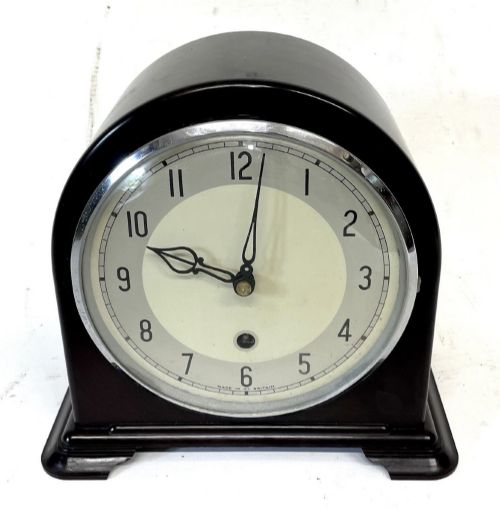


Retro Mantel Clock
A retro mantel clock brings striking twentieth-century geometry and dependable mechanical movement into a room.
Retro Mantel Clock
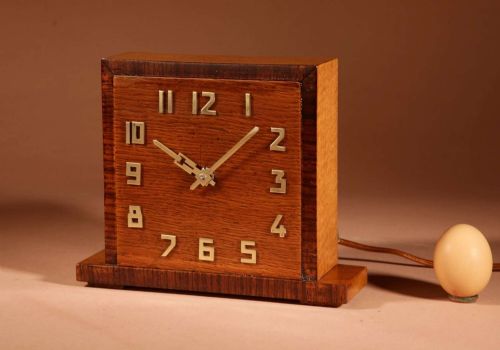
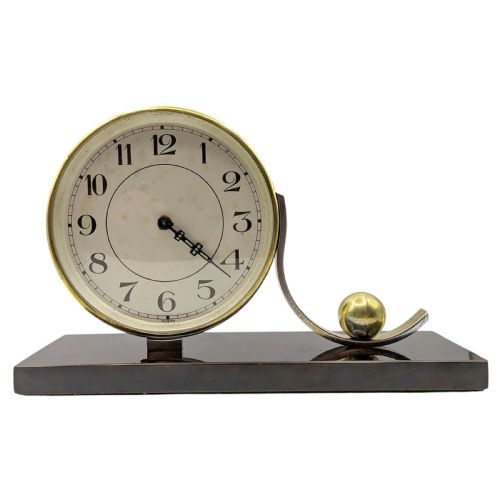
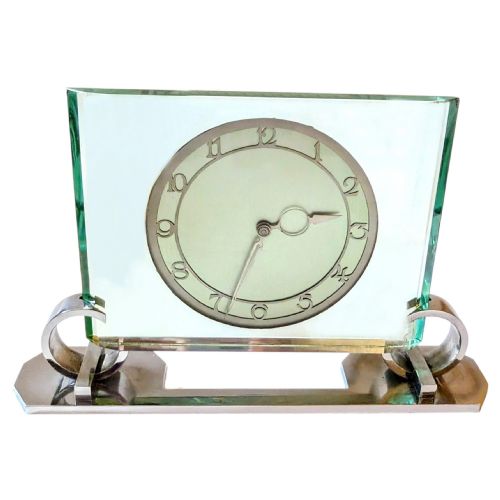
A retro mantel clock serves as a functional timepiece and a sculptural object for desks, shelves, and mantelpieces. These items span periods from the 1920s through the 1960s, capturing shifting design philosophies across several decades.
The most common examples encountered here emerge from the 1930s Art Deco period, characterised by distinct geometric lines and contrasting materials. Pieces also surface from the 1950s and 1960s, including utilitarian military designs and promotional advertising objects.
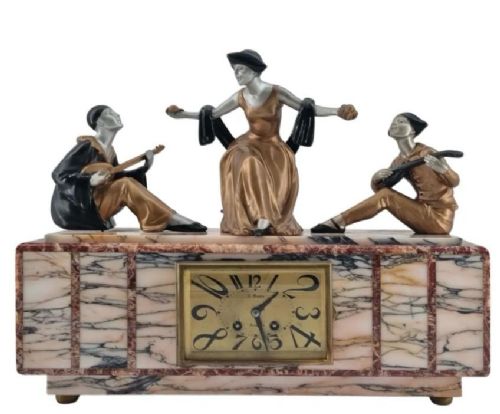
Formations vary from simple desk clocks to elaborate clock sets featuring figural elements like animals or human characters. Buyers encounter formats driven by wind-up mechanical movements, electrical systems, and eight-day movements.
Materials and Construction Methods
Manufacturers built these clocks using a diverse palette of hard materials, combining traditional hardwoods such as walnut and oak with industrial substances like bakelite, chrome, brass, and mirrored glass.
Cases often pair heavy stones like marble and onyx with polished metal bezels and numerals. Movements rely upon mechanical wind-up mechanisms, electrical currents, or jewelled components enclosed within metal or wooden housings.
Listings feature clocks from the 1920s, 1930s, 1940s, 1950s, 1960s, and later than 1960.
Distinctions in Quality
Quality reveals itself in the integration of materials, where precision metalwork meets substantial walnut veneers, heavy marble blocks, or moulded bakelite without misalignments. The weight of the housing and the crispness of geometric details separate standard pieces from exceptional ones.
The sophistication of the internal movement dictates the upper tier of the range, particularly complicated eight-day mechanisms, multi-jewelled calibres, or specialised automation like moving ships and mystery dials.
Smiths Clockmakers·Elliott of London·Jaeger LeCoultre·Kienzle
The Retro Mantel Clock Glossary
- Bakelite
- An early synthetic thermosetting plastic moulded into smooth, durable clock cases during the mid-twentieth century. It defined the streamlined aesthetic of many 1930s designs.
- Mystery clock
- A timepiece where the hands appear to float without any visible mechanical connection to the movement. This optical illusion relied on transparent glass discs.
- Eight-day movement
- A mechanical clock movement that requires winding only once every eight days. It provided greater convenience for domestic and office use.
- Spelter
- A zinc alloy frequently cast into figures and ornaments for clock sets. It was often painted or plated to imitate bronze or other precious metals.
Retro Mantel Clock: Frequently Asked Questions
How do I wind a mechanical desk clock?
Insert the key into the appropriate winding arbor on the dial or back plate, turning it gently until resistance indicates it is fully tensioned.
Avoid over-winding, as this can damage the internal spring mechanism and prevent proper timekeeping.
What is an eight-day movement?
An eight-day movement is a mechanical gear train engineered to run continuously for over a week on a single wind.
This technology reduced the frequency of maintenance required by domestic timepieces in homes and offices.
How do I clean a bakelite clock case?
Wipe the surface with a soft, dry cloth to remove dust and prevent abrasion to the moulded plastic.
Harsh chemical cleaners can strip the original finish, so moisture should be used sparingly if necessary.
Where were most vintage mantel clocks placed?
These clocks were designed for prominent display surfaces including living room mantelpieces, office desks, and hallway tables.
They functioned both as practical instruments for tracking time and as central decorative ornaments for the room.