
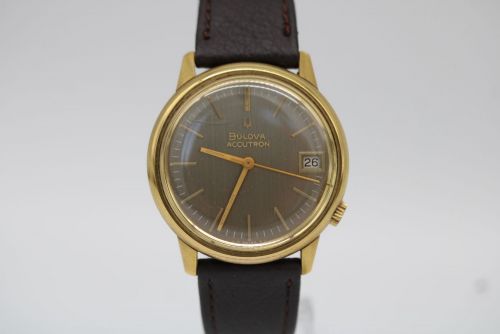
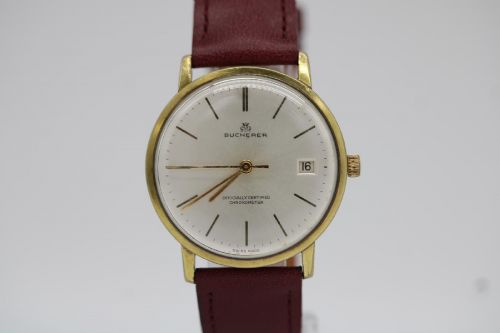
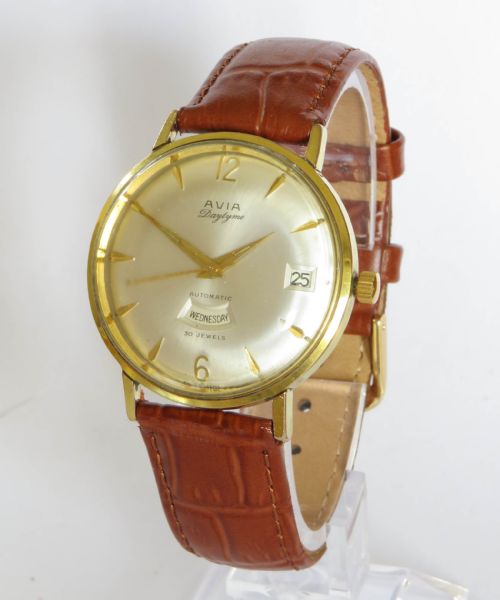
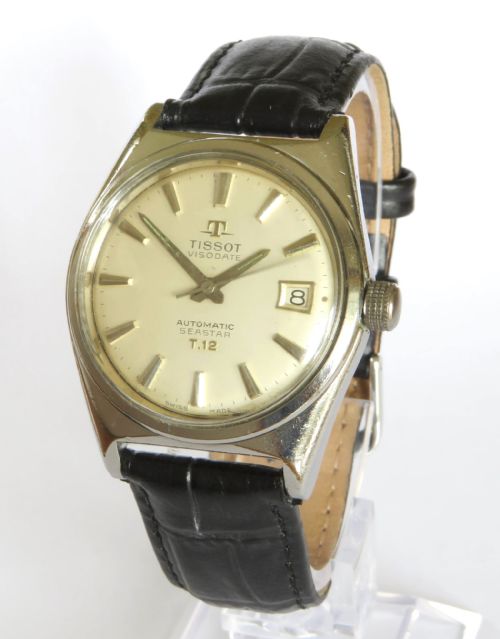
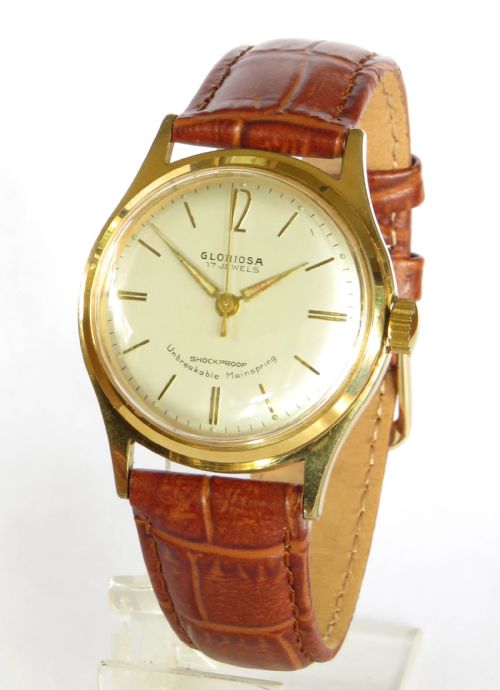
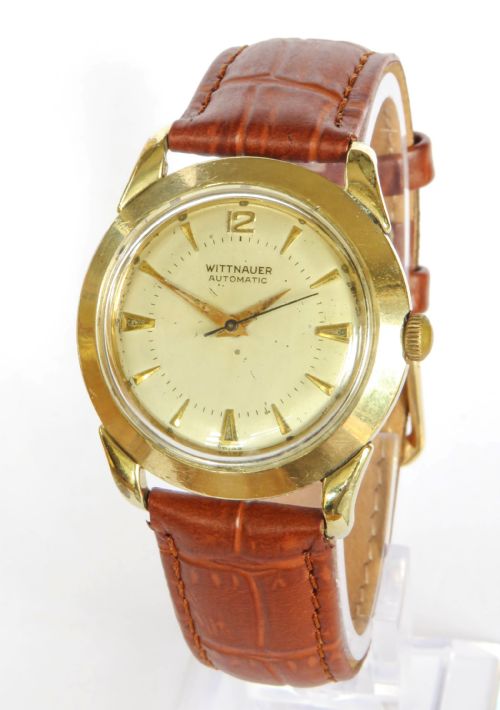
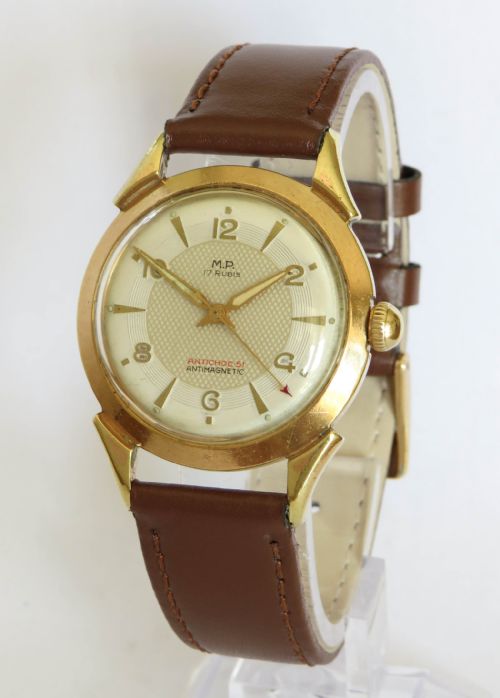
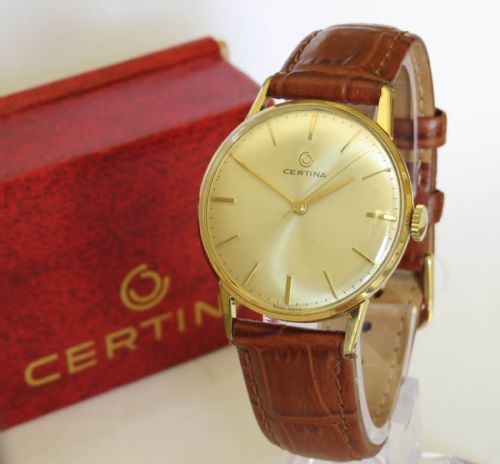
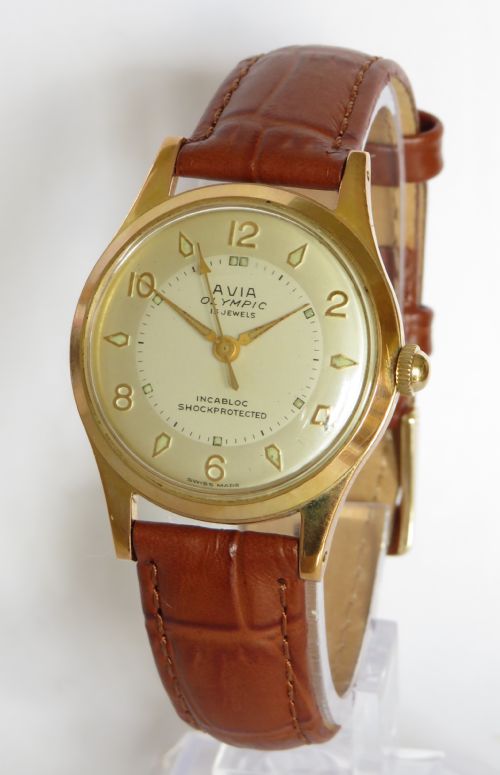
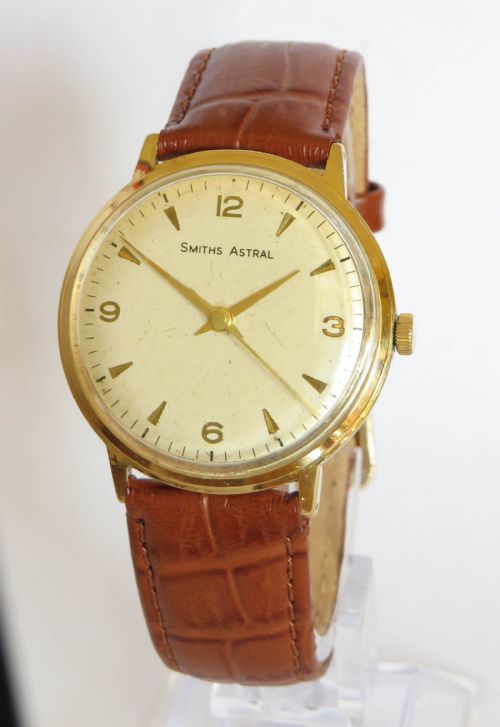


Retro Gold Plated Watch
A retro gold plated watch delivers mid-century character and reliable mechanical timekeeping without the punishing cost of solid gold.
Retro Gold Plated Watch
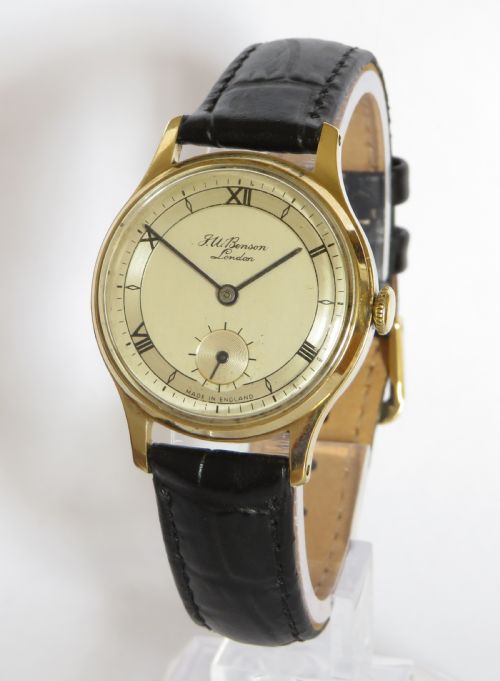
A retro gold plated watch brings together mid-century styling and dependable horology, making it a staple for daily wear. When you search for a retro gold plated watch, you encounter wristwatches originating primarily from the 1950s and 1960s, alongside select pieces reflecting Art Deco tastes and 1970s minimalist design.
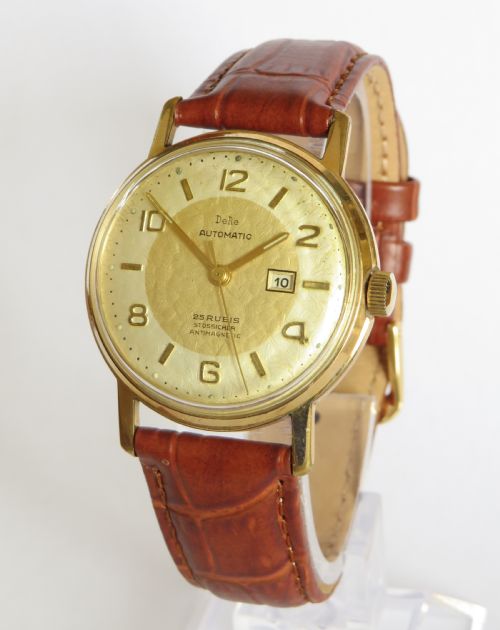
The objects take the form of gents wristwatches featuring circular or square cases, manual wind movements, and automatic calibres. Most examples on this page hail from the mid-century period, spanning Swiss and British makers.
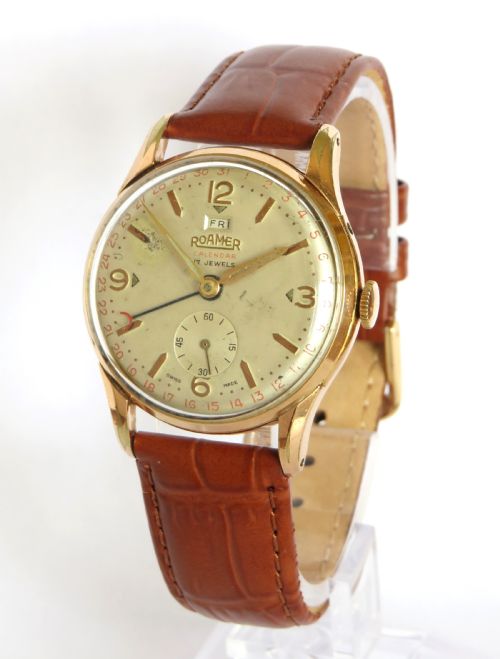
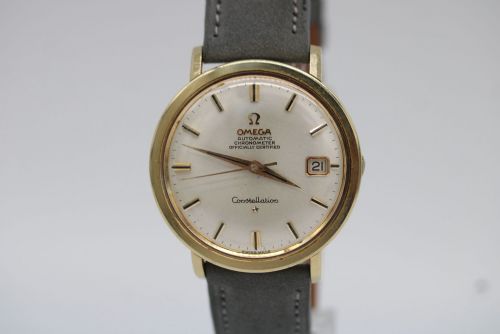
Makers represented include Omega, Bulova, Longines, and Tissot, alongside specialist houses like Smiths and Roamer. These wristwatches balance utility with decorative dials, sunburst finishes, and calendar complications.
Materials and construction
Cases utilise gold plated metal applied over stainless steel or base metals, paired with glass or acrylic glass crystals protecting the dial. Straps predominantly consist of leather, matching the formal and casual dress codes of the mid-century period.
Movements rely on mechanical ingenuity, utilising manual wind or automatic mechanisms containing jewels such as rubies to reduce friction. Dials feature applied markers, silvered or sunburst finishes, and occasionally chronographs or calendar windows.
Some models squeeze calendar functions and stopwatch complications onto a tiny wrist, proving mid-century engineers loved dashboards just as much as drivers did.
Distinctions in quality
The calibre of the movement separates standard production watches from high-grade horological engineering, such as automatic mechanisms and chronometer-certified pieces. The durability of the gold plating layer over the underlying metal case also determines longevity and sustained visual appeal.
The originality of components, including signed crowns, matching dials, and crystal materials, dictates collector interest. Pieces retaining their original boxes or specific case sizes further distinguish upper-tier examples from standard production items.
Omega·Bulova·Longines·Tissot·Smiths
The Retro Gold Plated Watch Glossary
- Automatic
- A self-winding mechanical watch movement that uses the natural motion of the wearer's arm to keep the mainspring wound. This system removes the need for daily manual winding.
- Chronograph
- A watch equipped with a display function for measuring elapsed time independently of the time of day. It typically operates via pushers on the side of the case.
- Calibre
- The specific manufacturer's model designation for a watch movement. It identifies the internal architecture and technical specifications of the mechanism.
- Manual wind
- A mechanical watch movement that requires the wearer to manually turn the crown to tension the mainspring. It represents the traditional method of powering a timepiece.
- Gold-plated
- A method of manufacturing where a thin layer of gold is bonded to the surface of a base metal or stainless steel case. This provides the appearance of solid gold at a different scale of production.
Retro Gold Plated Watch: Frequently Asked Questions
How do I wind a manual watch?
Rotate the crown clockwise between your thumb and forefinger until you feel gentle resistance. Stop immediately to avoid damaging the internal spring.
Wind the piece at approximately the same time each day to maintain consistent tension and accurate timekeeping.
Are these watches waterproof?
Mid-century wristwatches generally lack modern waterproof seals and gaskets. Exposure to moisture, rain, or hand washing can permit water to enter the case and damage the movement.
Keep these timepieces away from water entirely to preserve the internal mechanical components and dial.
How do I care for a leather strap?
Keep leather straps dry and away from direct sunlight and cosmetic chemicals. Remove the watch before swimming, bathing, or strenuous physical activity.
Condition the leather periodically with appropriate balms to prevent cracking and extend the lifespan of the material.