



Retro Filing Unit
A retro filing unit brings genuine period character and robust organisation to a room through practical timber and metal construction.
Retro Filing Unit
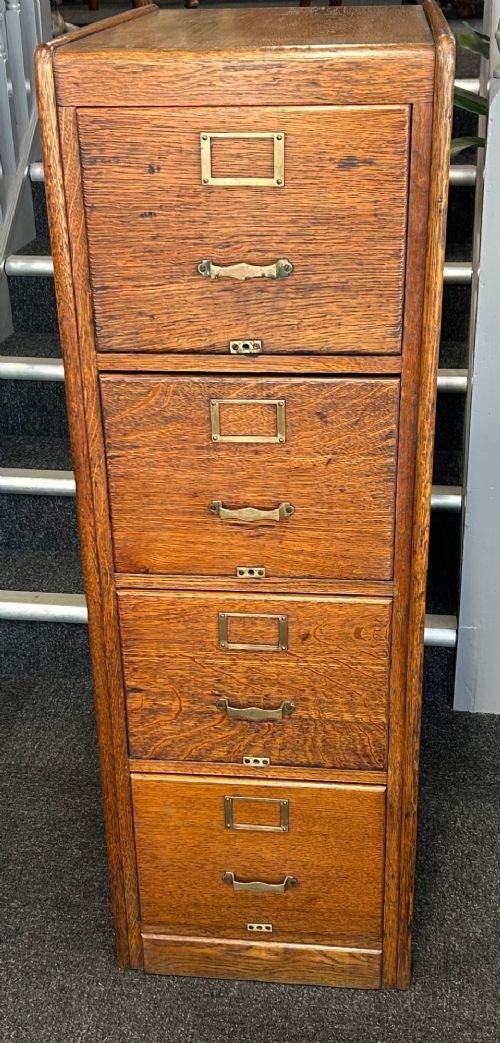
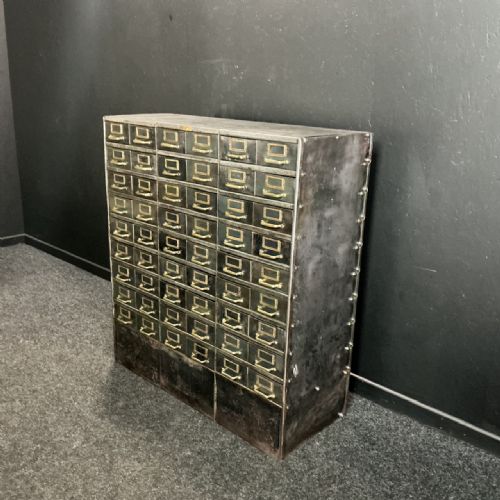
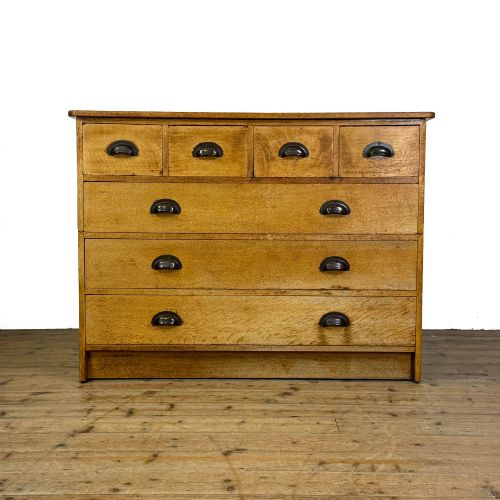
A retro filing unit encompasses practical office and commercial furniture designed during the early twentieth century, spanning Edwardian, Art Deco, and industrial styles. These pieces provide systematic storage through banks of drawers, vertical cabinets, and plan chests intended for paper management.
Oak forms the dominant timber seen across these listings, appearing frequently alongside mahogany, metal, steel, brass, and canvas elements. Cabinets often feature tambour fronts, adjustable shelves, or multi-drawer configurations suited to domestic or workplace interiors.
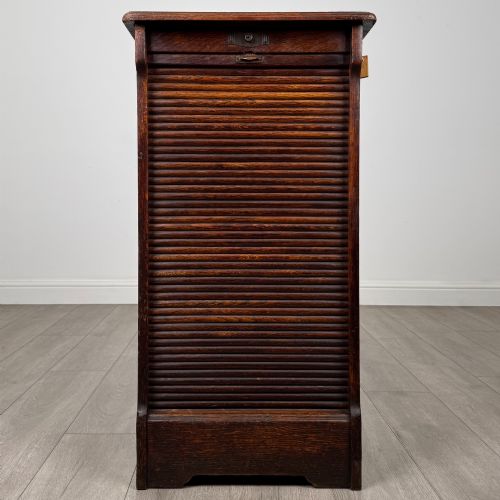
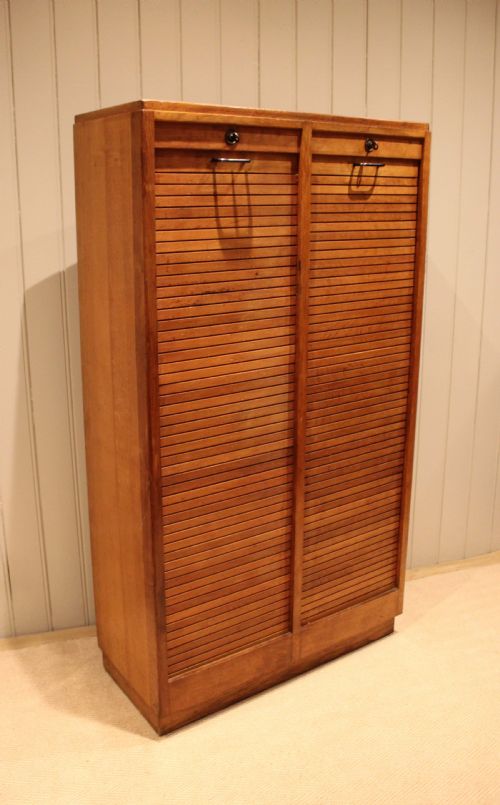
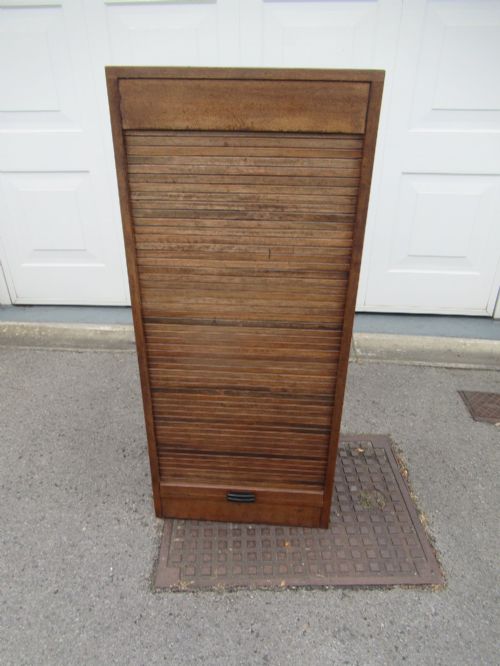
The version most commonly met on this page is the oak tambour front office filing cabinet, usually dated between 1910 and 1930. These designs combine slatted wooden roller shutters with deep internal compartments for functional daily storage.
How they were made
Makers constructed these units primarily from solid oak and mahogany, utilising durable framing methods to withstand heavy daily office use. Tambour doors required precise joinery, assembling individual wooden slats onto flexible canvas backings so the shutter glides smoothly around internal tracks.
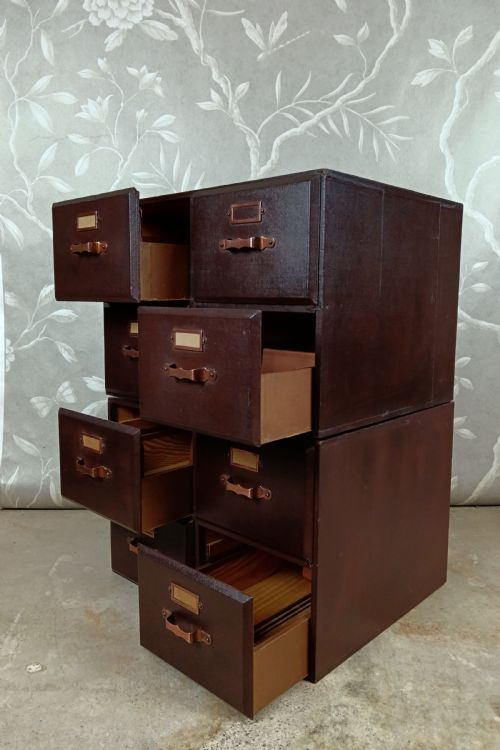
Metal and brass components reinforced high-stress areas, incorporating steel drawer runners and brass card holders for efficient categorization. These tactile materials received traditional hand-applied finishes that highlighted the natural grain of the wood.
Retro Filing Unit Retail Price Guide 2026
Typical asking prices for retro filing unit among the pieces listed under this phrase on Sellingantiques today, from the lower quarter to the upper quarter. They describe what is for sale here now, not the wider market.
Object types span vertical filing cabinets, tambour cabinets, chests of drawers, and plan chests.
What varies in quality
The sophistication of the mechanism largely separates standard office furniture from finer examples, particularly in the smooth operation of tambour shutters and internal drawer runners. Superior pieces utilise robust internal framing and high-grade timber selections that maintain structural integrity over decades of use.
Proportion and decorative detail also differentiate the range, as pieces executed in figured mahogany or featuring specialised hardware reflect more ambitious commercial design. The integrity of the original hardware and the crispness of the cabinetry details define the upper tier of these items.
The Retro Filing Unit Glossary
- Tambour
- A flexible door or shutter constructed from narrow wooden slats attached to a fabric backing, allowing it to slide smoothly around a curved track. This clever mechanism conceals the interior shelving while saving valuable floor space in compact rooms.
- Plan chest
- A wide, shallow chest of drawers specifically designed for storing large architectural drawings, maps, or blueprints flat without folding. These sturdy pieces provide generous surface areas and multiple low drawers.
- Edwardian
- The period spanning the reign of King Edward VII from 1901 to 1910, though the aesthetic often extends slightly beyond these exact dates. Furniture from this era frequently reinterprets earlier traditional styles with lighter proportions.
- Art Deco
- A design movement peaking in the 1920s and 1930s characterised by sleek geometric shapes, streamlined forms, and modern industrial materials. In office furniture, this style emphasises clean vertical lines and functional elegance.
Retro Filing Unit: Frequently Asked Questions
What is a tambour filing cabinet?
A tambour filing cabinet is an office storage piece featuring a slatted wooden door that rolls smoothly along a track to conceal the interior shelves. This design allows access to files without requiring clearance for swinging doors.
These units became popular in commercial settings for their space-saving properties and secure storage capabilities.
How do I date an old filing cabinet?
Dating these cabinets involves examining the combination of materials, construction methods, and hardware styles present on the piece. Edwardian and early twentieth-century examples typically feature solid oak construction with brass card holders and traditional joinery.
Later pieces from the 1930s and 1940s often incorporate steel elements, French utility influences, or Art Deco geometric detailing.
Can I use a plan chest for general storage?
A plan chest provides exceptional versatility for general storage thanks to its wide, shallow drawer format. The generous surface top functions well as a desk or display area.
While originally built for large paper sheets, these drawers suit clothing, linens, or craft supplies perfectly in modern homes.
What woods were used in vintage filing units?
Oak and mahogany represent the primary timbers utilised in the construction of these vintage commercial storage units. Oak appears most frequently in early twentieth-century pieces, offering notable durability and pronounced grain patterns.
Mahogany provides a finer, smoother finish often selected for executive office environments.