


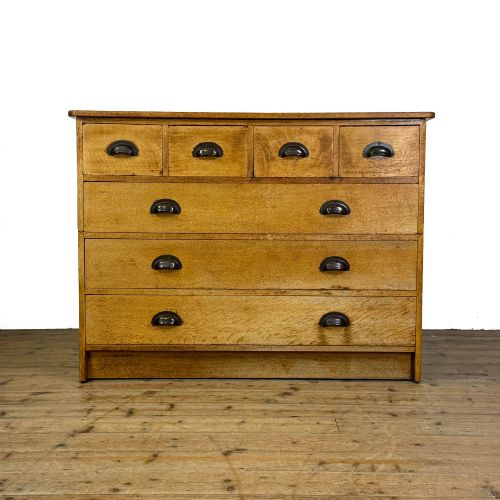

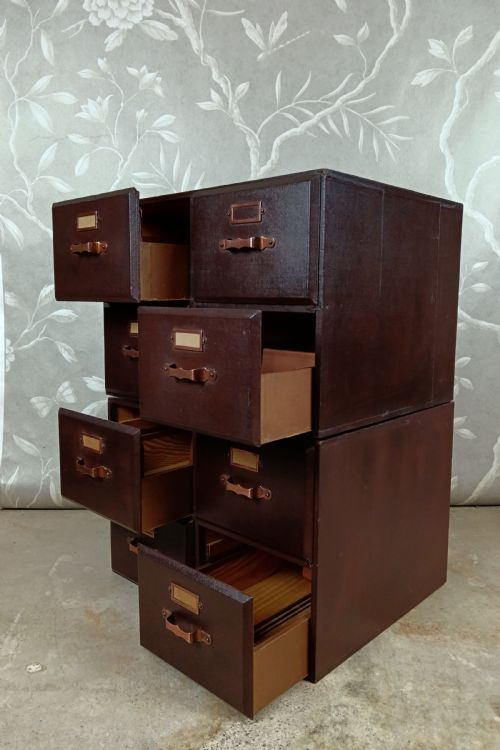


Retro Drawer Cabinet
A retro drawer cabinet brings honest utility and strong period character into a modern room, offering storage built with genuine historical substance.
Retro Drawer Cabinet
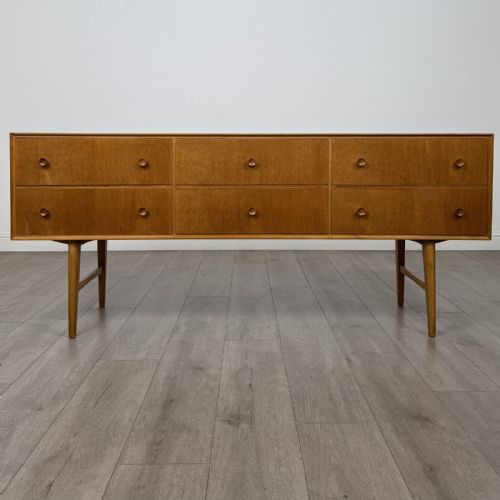
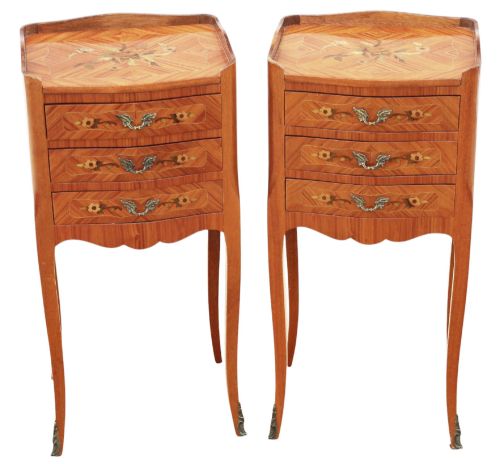
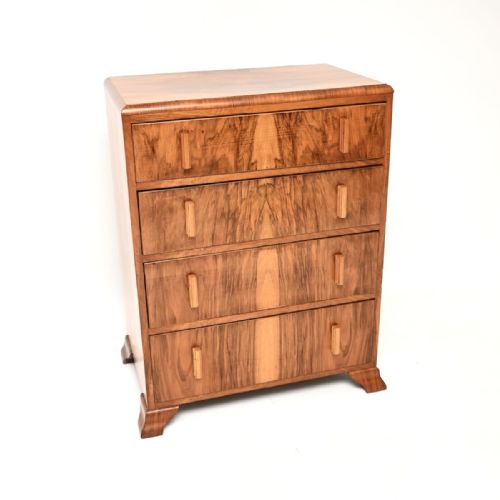
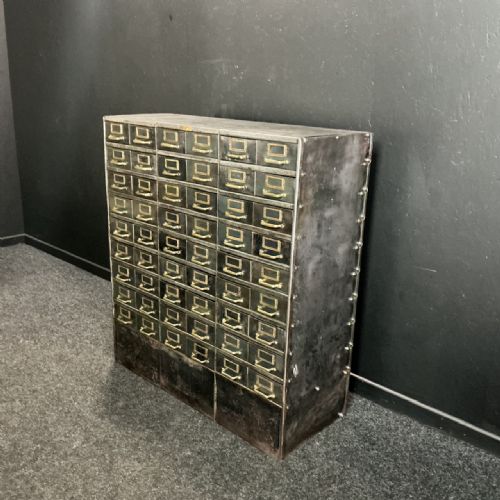
A retro drawer cabinet spans several practical forms designed for storage, encompassing vertical filing cabinets, bedside tables, chests of drawers, and sideboards. These items emerge from the early twentieth century, drawing on periods such as nineteen hundred, nineteen-twenty, and nineteen-thirty.
Buyers encounter distinct design movements within this selection, including Art Deco, Mid-Century Modern, industrial utilitarianism, and revival styles. The most frequently met examples balance functional office or domestic storage with the characteristic aesthetic of nineteen-thirty.
Origins range from commercial office furniture to domestic bedroom pieces and specialised mercantile display cases. Oak and walnut dominate the offerings, often complemented by brass hardware and glass elements.
How they were made
Construction relies heavily on solid timber and wood veneers, utilising oak, walnut, and satinwood applied over sturdy carcases. Metal and brass components provide structural support and functional hardware for handles, runners, and label holders.
Specialist joinery techniques appear across different typologies, from the slatted wooden construction of tambour fronts to intricate marquetry patterns on French bedside tables. Plan chests and filing units employ robust framing to withstand heavy daily use in offices and libraries.
Retro Drawer Cabinet Retail Price Guide 2026
Typical asking prices for retro drawer cabinet among the pieces listed under this phrase on Sellingantiques today, from the lower quarter to the upper quarter. They describe what is for sale here now, not the wider market.
Sewing cots and haberdashery display cases remind us of an era when buttons and cottons required their own dedicated architectural homes.
What varies in quality
The standard of a retro drawer cabinet rests upon the selection of timber grain, particularly in figured walnut and pale oak surfaces. Superior examples demonstrate thoughtful grain matching across multiple drawer fronts and harmonious proportions.
Hardware integration and mechanical operation distinguish finer pieces from utilitarian counterparts. Smooth action in drawers, tambour doors, and filing mechanisms reflects the original maker's intent and standard of execution.
Bowman Brothers·Chadwick
The Retro Drawer Cabinet Glossary
- Tambour
- A flexible sliding door made from narrow strips of wood glued to canvas or leather backing. This allows smooth closure around curved cabinet corners.
- Marquetry
- The art of applying decorative pieces of veneer to a structure to form intricate patterns or pictures. It is frequently seen on revival furniture from the twentieth century.
- Figured walnut
- Timber exhibiting an attractive, highly figured grain pattern that occurs naturally in the wood. Cabinetmakers select this for prominent surfaces to highlight visual depth.
- Plan chest
- A large, shallow chest of drawers specifically built for storing architectural drawings and maps. These pieces offer exceptional surface area and numerous shallow compartments.
- Haberdashery cabinet
- A glass-fronted display and storage unit originally used in shops to sell small sewing goods and textiles. Collectors value these for their internal compartments and visibility.
Retro Drawer Cabinet: Frequently Asked Questions
What defines a retro drawer cabinet?
A retro drawer cabinet encompasses storage furniture produced in the early to mid-twentieth century, featuring styles from Art Deco to industrial design.
These pieces utilise traditional materials like oak and walnut, serving both domestic and commercial functions.
How do I date an oak filing cabinet?
Dating relies on construction methods, hardware materials, and prevailing stylistic indicators such as nineteen-hundreds commercial design or nineteen-thirties Art Deco influences.
Examine the timber preparation and drawer joints for clues to the manufacturing era.
Where were haberdashery cabinets used?
Haberdashery cabinets originally served in retail shops to display and organise small sewing items, ribbons, and cottons.
Their numerous small drawers and glass fronts made inventory visible and accessible to customers.
Can I use an office cabinet at home?
Industrial filing units and library card catalogues translate exceptionally well into modern residential spaces for organising household items.
Their robust timber construction and utilitarian drawers offer practical storage with distinct historical character.