




Retro Chrome Timepiece
A retro chrome timepiece brings dependable twentieth-century engineering and clean metallic design straight to your desk or wrist.
Retro Chrome Timepiece
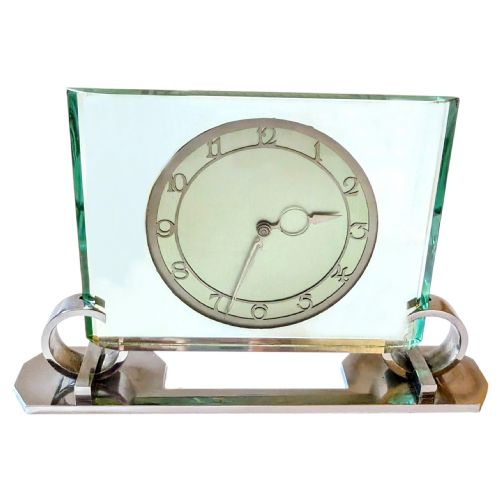
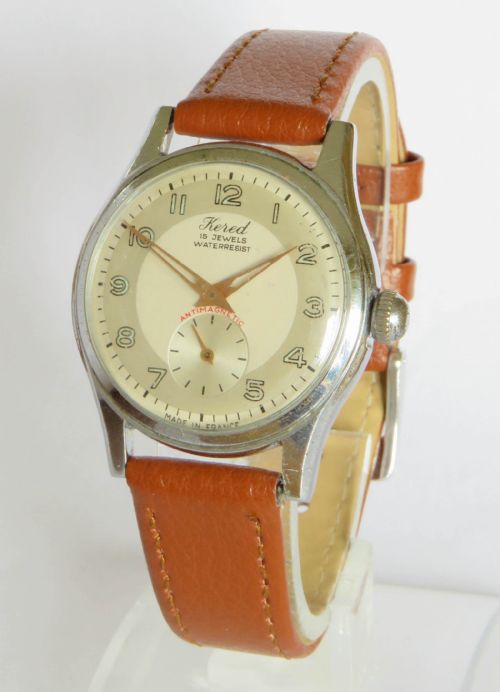
When you search for a retro chrome timepiece, you are looking at functional metal timekeeping objects originating mostly from the nineteen-thirties and nineteen-fifties. The selection spans domestic mantel clocks, desk clocks, and wall clocks alongside personal wristwatches and pocket watches.
The objects most frequently met on this page belong to the Art Deco and Mid-Century Modern movements. English and continental workshops produced these items using polished metallic surfaces alongside glass, wood, and early plastics.
Forms range from compact miniature alarm clocks and mystery clocks to promotional garage advertising pieces and classic oak or marble-cased designs. Each piece reflects the industrial aesthetics and practical timekeeping needs of its respective decade.
How they were made
Makers utilised chrome plating over base metals to achieve a durable, mirror-like finish that resisted tarnishing while catching the light. Glass protected delicate dial faces, whilst early synthetic materials like Bakelite formed robust clock housings.
Movements relied on mechanical wind-up mechanisms, including eight-day variants, engineered to keep time with physical gears and springs. Skilled craftsmen assembled these interior mechanisms alongside fitted bezels, metal hands, and printed dials.
Retro Chrome Timepiece Retail Price Guide 2026
Typical asking prices for retro chrome timepiece among the pieces listed under this phrase on Sellingantiques today, from the lower quarter to the upper quarter. They describe what is for sale here now, not the wider market.
Listings feature items spanning the nineteen-twenties through to the nineteen-fifties, employing chrome, glass, Bakelite, and oak.
What varies in quality
Quality rests in the crispness of the casting, the weight of the metal housing, and the refinement of the dial typography. Superior examples demonstrate precise geometric proportions and unblemished plating.
The sophistication of the internal movement and the reputation of the maker further elevate an item. Pieces retaining original components and clear maker signatures command greater interest than heavily altered examples.
Smiths Clockmakers·Cyma·Bayard·Blangy·Zenith
The Retro Chrome Timepiece Glossary
- Art Deco
- A design style spanning the nineteen-twenties and nineteen-thirties characterised by sleek geometric shapes, stylised motifs, and modern industrial materials.
- Bakelite
- An early thermosetting phenol formaldehyde resin used for moulded clock cases and electrical components during the mid-twentieth century.
- Mystery clock
- A timepiece where the hands appear to float without any visible mechanical connection to the movement within the dial.
- Eight-day movement
- A mechanical clock calibre designed to run for eight full days on a single wind before requiring attention.
Retro Chrome Timepiece: Frequently Asked Questions
How do I wind a mechanical desk clock?
Insert the key into the winding arbor on the back of the movement and turn it gently clockwise until you feel resistance. Do not force the spring past its natural stop.
Most vintage mechanical clocks require winding once a week or every eight days to maintain accurate timekeeping.
What is a mystery clock?
A mystery clock uses a concealed mechanism, often within a glass dial, to drive the hands without apparent gears. The visual effect makes the hands seem to float independently across the face.
These pieces were popular novelties during the Art Deco period and showcase clever horological engineering.
How should I clean a chrome clock case?
Dust the exterior metal gently with a soft, dry microfibre cloth to remove surface particles. Avoid abrasive liquids or harsh chemical cleaners that can strip vintage plating.
If necessary, a slightly damp cloth followed by immediate drying will restore the original shine without damaging adjacent glass or Bakelite.
Are vintage wristwatches waterproof?
Historical wristwatches from the nineteen-thirties and nineteen-fifties lack modern rubber seals and gasket technology. Exposure to water will damage the internal metal gears and ruin the dial face.
Keep these timepieces away from moisture, rain, and handwashing to preserve their working condition.