





Retro Brass Ceiling Fixture
These retro brass ceiling fixture designs bring immediate character to a room, offering genuine period illumination through distinctive glass and metal combinations.
Retro Brass Ceiling Fixture
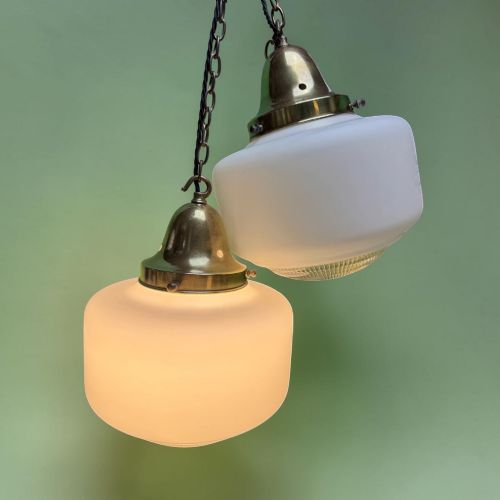
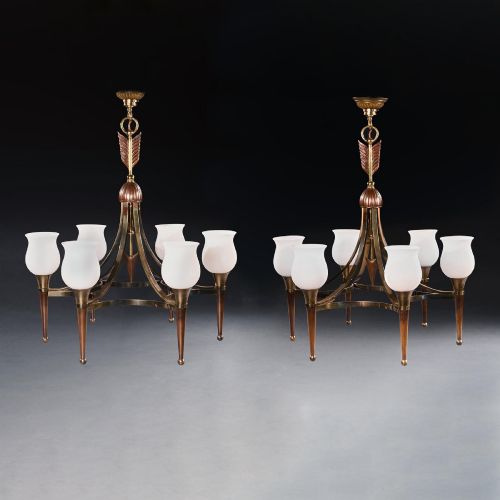
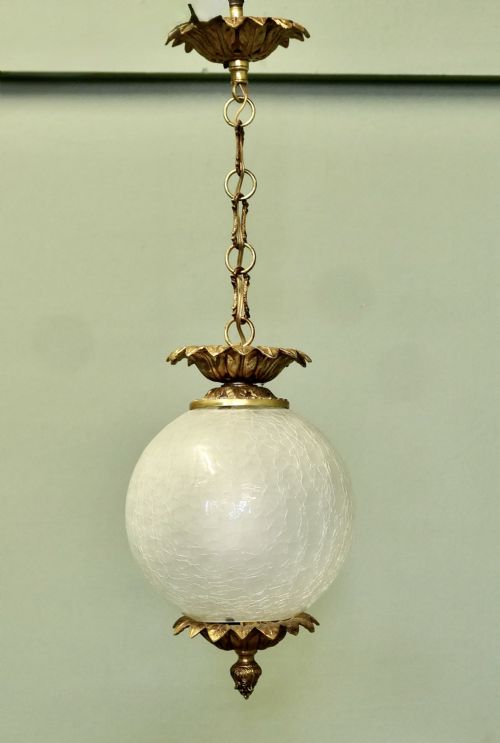
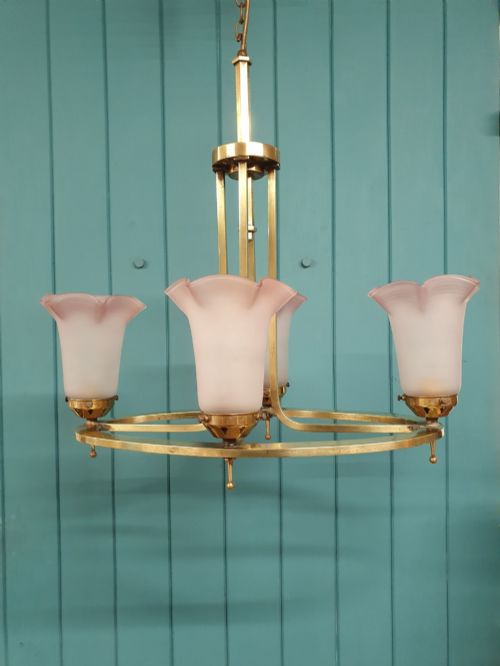
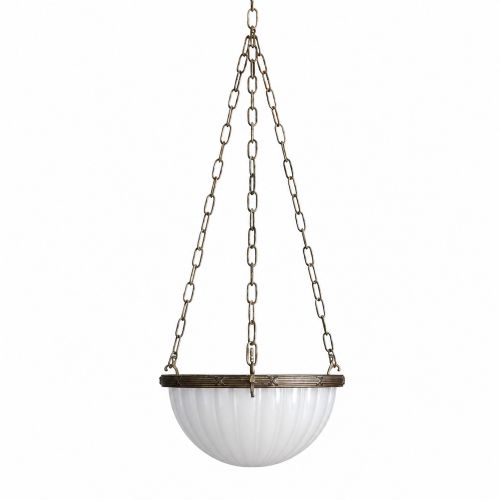
A retro brass ceiling fixture encompasses pendant lights, chandeliers, and ceiling lighting spanning from the nineteenth century through the Edwardian era and into the nineteen-thirties. Buyers searching for a retro brass ceiling fixture encounter a strong representation of Art Deco designs, alongside nautical, Italian Florentine, French Chateau, and industrial pieces.
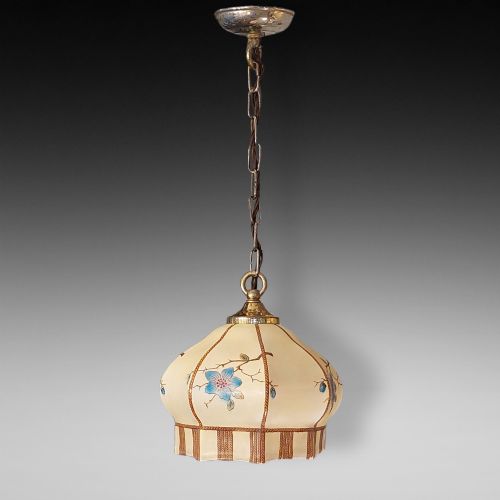
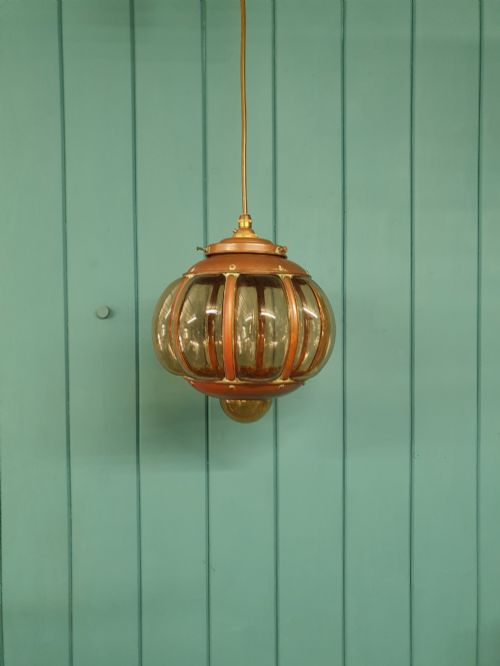
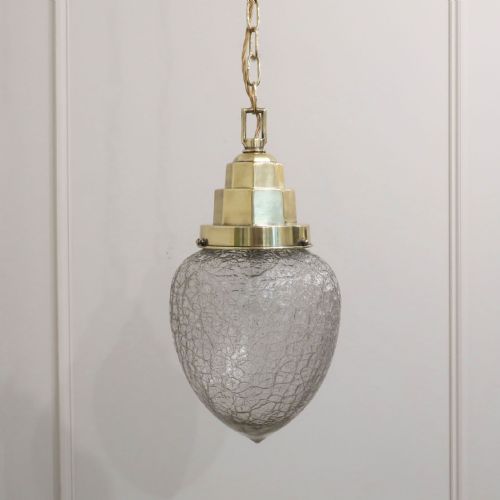
The selection ranges from single glass globe pendants and pear-shaped opaline shades to multi-light chandeliers featuring frosted, crackle, smoked, pink crimped, and hand-painted glass. Forms include lanterns and prism-cut fixtures, originating from French, Italian, and British workshops.
Nineteen-thirties examples and nineteen-twenties pieces dominate the selection, bringing geometric lines and decorative glass bowls into domestic spaces. Earlier nineteenth-century and Edwardian items offer heavier brass structures paired with intricate glass shades.
Materials and construction methods
Makers utilised solid brass alongside copper and gilt metal to build the structural frames, mounting plates, and suspension chains that support each shade. These metals were cast, spun, or hammered to create the distinctive hardware characteristic of the period.
The glass components were produced using specialist techniques such as mould-blowing, acid-frosting, hand-painting, and creating crackle or opaline finishes. Shades were often designed with frilled edges, pink crimping, or prism cuts to diffuse light effectively across the room.
Retro Brass Ceiling Fixture Retail Price Guide 2026
Typical asking prices for retro brass ceiling fixture among the pieces listed under this phrase on Sellingantiques today, from the lower quarter to the upper quarter. They describe what is for sale here now, not the wider market.
Listings combine nineteen-thirties Art Deco designs with Edwardian industrial pieces, utilising brass, copper, and opaline or smoked glass forms.
Distinguishing quality in period lighting
Quality rests upon the weight and thickness of the brass or gilt metal frame, as well as the complexity of the casting and finishing work. Superior pieces display crisp detailing in the metalwork and robust suspension points designed to bear the weight of heavy glass shades.
The glass itself dictates much of the value, with hand-blown, opaline, crackle, and prism glass showing superior clarity, colour saturation, and uniform thickness compared to standard commercial alternatives. Original matched sets of shades and signed or attributed components elevate an assembly above standard utilitarian production.
The Retro Brass Ceiling Fixture Glossary
- Opaline Glass
- A pale, translucent glass type developed to diffuse light softly without harsh glares. It appears frequently in nineteen-thirties pendant lighting.
- Crackle Glass
- Glass intentionally treated during manufacture to produce a fine network of internal fractures across the surface. This technique creates a textured appearance that scatters light.
- Art Deco
- A design style spanning the nineteen-twenties and nineteen-thirties characterised by geometric symmetry and stylised motifs. It strongly influences the chandeliers and lanterns of this era.
- Prism Chandelier
- A hanging light fitted with cut glass prisms designed to refract illumination into multiple beams. These fixtures often date from the early twentieth century.
- Pendant Light
- A single light source suspended from the ceiling by a chain, cord, or metal rod. They are commonly paired with glass globes or shades.
Retro Brass Ceiling Fixture: Frequently Asked Questions
How do I clean antique brass and glass safely?
Wipe brass components gently with a soft, dry cloth to preserve the aged patina without stripping surface finishes. Glass shades can be removed and washed in warm soapy water, provided they are dried thoroughly before reattachment.
Avoid harsh chemical polishes and abrasive pads, which can permanently damage vintage metal platings and delicate hand-painted or frosted glass surfaces.
Can these vintage lights be wired for modern ceilings?
Most period fixtures accommodate contemporary electrical wiring standards when inspected and installed by a qualified electrician. Original lamp holders may need updating to meet current safety regulations.
Rewiring preserves the structural integrity of the brass frame while ensuring the internal components comply with modern domestic electrical requirements.
How do I date a brass ceiling fixture?
Examine the manufacturing style, fastener types, and glass characteristics to determine the period of origin. Nineteen-thirties pieces often feature geometric Art Deco patterns and opaline globes, whereas nineteenth-century items display heavier cast brass and hand-crimped glass.
Matching the design traits against documented period forms helps narrow down whether a piece originates from the Edwardian era, the nineteen-twenties, or later.
Where should I hang a pendant light?
Pendant lights and chandeliers work effectively suspended above dining tables, in hallways, or as central illumination within living spaces. Ensure adequate ceiling clearance depending on the drop length of the specific fixture.
Positioning the light at the correct height prevents obstruction while allowing the decorative glass shade to become a visual focal point in the room.