





Retail Shop Fitting Showcase
A retail shop fitting showcase brings commercial heritage into a room, offering glazed display space designed to present objects clearly.
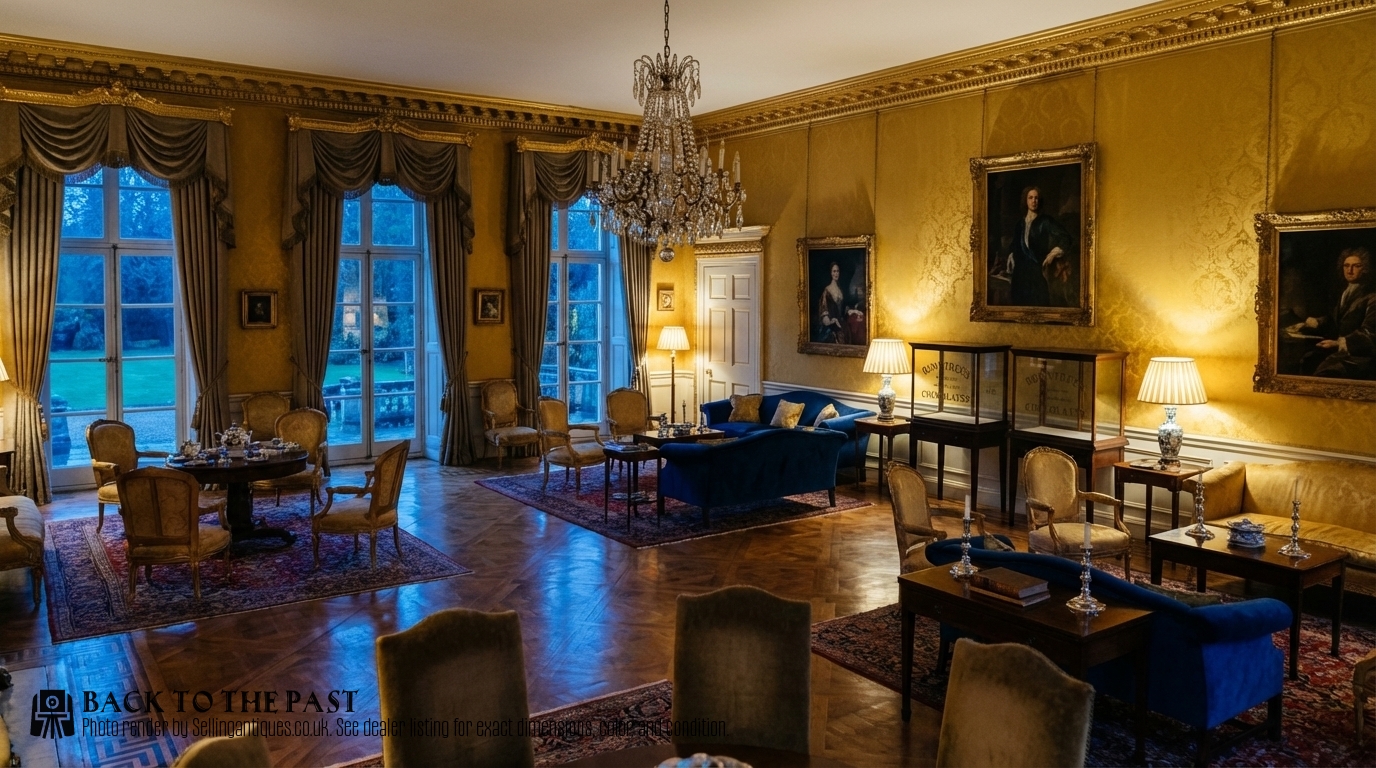
Retail Shop Fitting Showcase
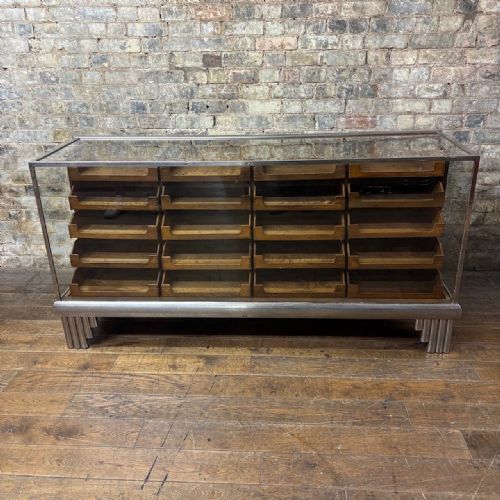
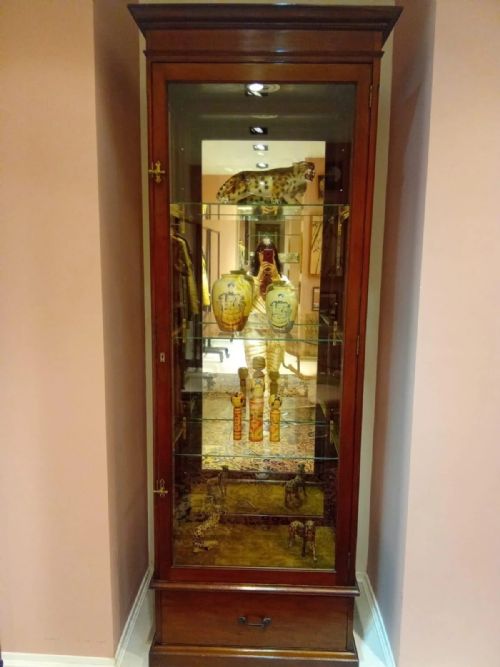
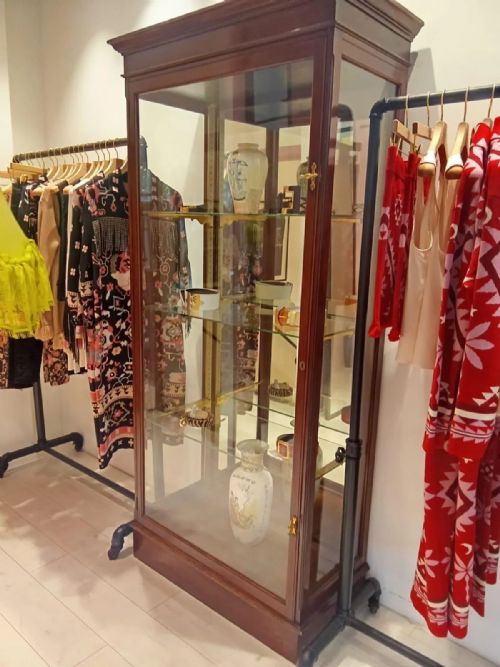
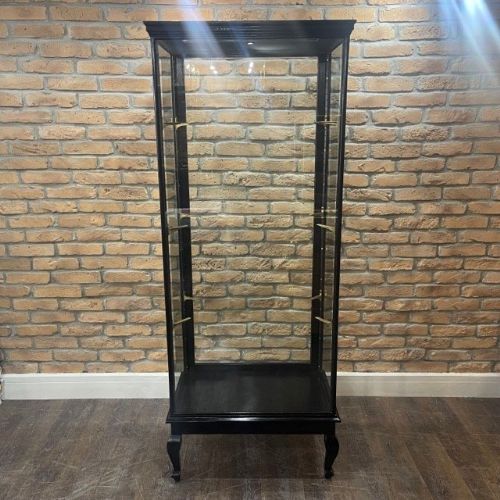
A retail shop fitting showcase serves as a functional display piece originating from commercial interiors, spanning periods from the Victorian era through the 1930s. Buyers searching for a retail shop fitting showcase encounter heavy timber counters, tall tower units, and countertop display cases designed originally for merchants and sweet shops.
The selection on this page leans heavily towards Edwardian and 1920s examples built in mahogany and oak. These pieces range from large serving counters to modest glass countertop cabinets intended for public retail viewing.
Materials and construction methods
Makers built these pieces using solid timbers like mahogany, oak, and ebonised wood combined with extensive glass panels to maximise visibility. Brass, bronze, chrome, and aluminium provided structural framing and hardware, while interior mirrored glass added depth and reflected light through adjustable glass shelves.
Commercial workshops constructed these showcases to withstand daily retail use, integrating panelled wooden bases, glazed doors, and occasionally gold leaf details. Some specialised counters incorporated velvet lining or specific branding for confectioners.
Retail Shop Fitting Showcase Retail Price Guide 2026
Typical asking prices for retail shop fitting showcase among the pieces listed under this phrase on Sellingantiques today, from the lower quarter to the upper quarter. They describe what is for sale here now, not the wider market.
Some sweet shop counters arrived bearing the names of historic confectioners like Cadbury and Rowntree.
Distinctions in quality
The calibre of a showcase rests on the proportion of timber used, the integration of original glass, and the sophistication of the hardware. Superior examples feature well-figured mahogany or oak framing, smooth-running doors, and specialised maker branding.
Simpler constructions rely on plain secondary woods and standard glass panels without structural distinction. The presence of original mirrored backs, adjustable glass shelving tiers, and sound metal framing elevates the standard of manufacture.
Dudley & Co·Cadbury·Rowntree·Fry·Pollards·Siegel·E Pollard & Co Ltd·Jenners of Edinburgh
The Retail Shop Fitting Showcase Glossary
- Haberdashery counter
- A long timber shop counter featuring multiple glass-fronted drawers or display sections traditionally used for textiles and small wares. These units allow items to be viewed from above while kept secure.
- Vitrine
- A glass-sided display cabinet designed to protect and exhibit delicate objects. The term denotes a refined display case with substantial glazing.
- Countertop cabinet
- A small display case intended to sit upon a larger shop counter for eye-level customer browsing. These units frequently feature rear doors for staff access.
- Ebonised
- Wood finished with a dark stain or polish to imitate ebony. This treatment was common on decorative commercial cabinetry from the early twentieth century.
Retail Shop Fitting Showcase: Frequently Asked Questions
What is a retail shop fitting showcase?
A retail shop fitting showcase is a commercial display unit originally built for shops, department stores, and merchants during the nineteenth and early twentieth centuries.
These pieces were engineered to keep merchandise visible and protected behind glass panels while allowing staff easy access from the rear.
How were retail showcases used?
Merchants utilised these cabinets and counters to display confectionery, textiles, and high-value goods directly to customers in retail environments.
Countertop versions sat near service areas for immediate viewing, while large floor-standing cabinets stood along shop walls or served as central partitions.
How do I date a shop showcase?
Dating relies on observing the timber species, construction techniques, and stylistic markers such as Edwardian proportions or Art Deco legs.
Makers' plates, metal framing materials like chrome or brass, and specific commercial styling provide further chronological indicators.
Can I use a shop showcase at home?
These cabinets suit modern interiors for displaying collections, glassware, and books behind protective glass.
Their substantial timber frames and glazed panels bring practical storage and historical character to domestic rooms.