


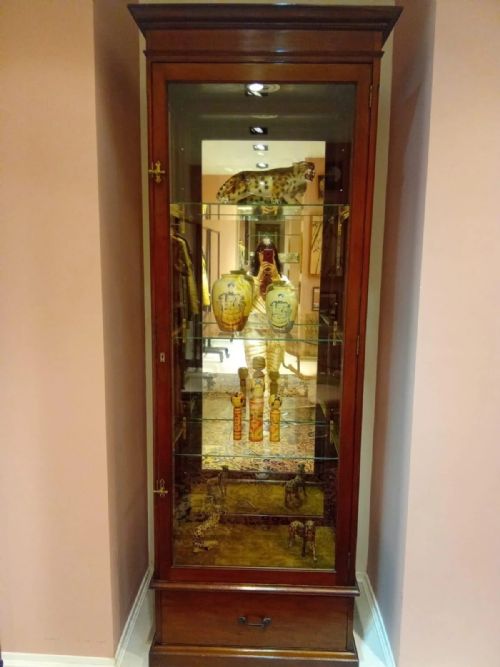


Retail Glass Cabinet
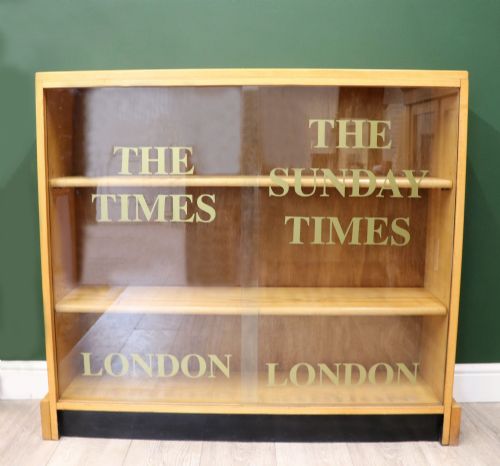
A retail glass cabinet brings the honest utility of historic commerce into domestic rooms, offering clear display through glazed panels and sturdy wooden frames.
Retail Glass Cabinet
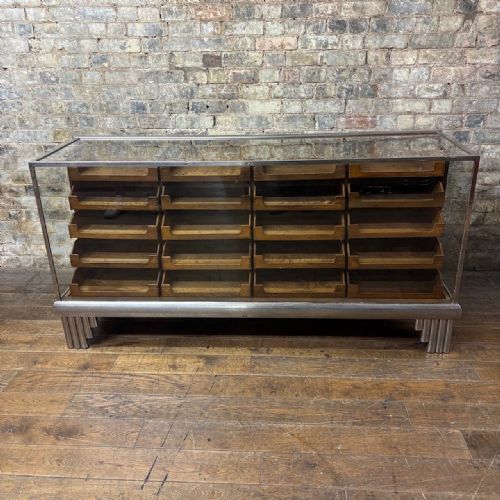
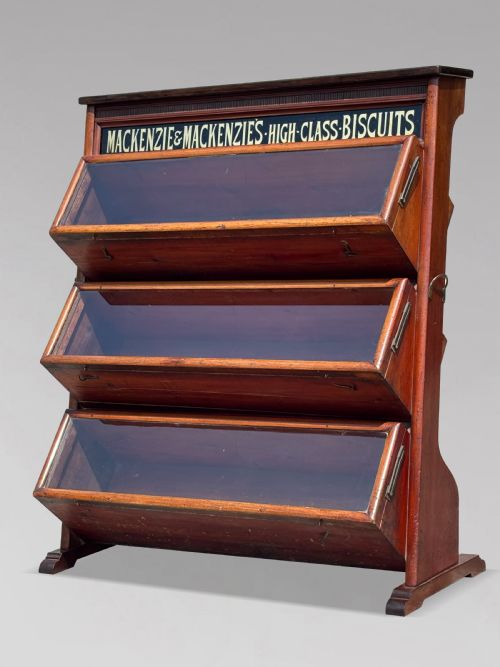
A retail glass cabinet encompasses shop counters, countertop display cases, haberdashery units and tall towers designed to present goods to customers.
The selections span from late Victorian and Edwardian examples to 1920s and 1930s commercial pieces originating from chemist shops, confectioners and general merchants.
Makers and outfitters such as F. Sage and Co built these structures to endure heavy daily trade while maintaining maximum visibility for merchandise.
Materials and Construction
Makers relied on timber skeletons of mahogany, oak, and ebonized wood, often incorporating brass or chrome frames to support large expanses of glass.
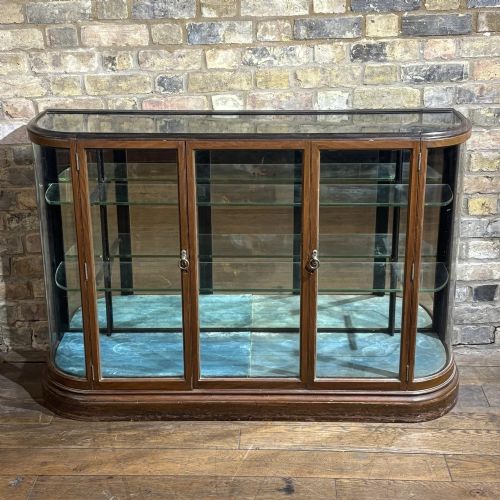
Interiors frequently combined mirrored glass backs to reflect light with adjustable glass shelves and velvet linings to cushion delicate wares.
Heavy base construction and durable metal hardware ensured stability for floor-standing counters and countertop display stands alike.
Retail Glass Cabinet Retail Price Guide 2026
Typical asking prices for retail glass cabinet among the pieces listed under this phrase on Sellingantiques today, from the lower quarter to the upper quarter. They describe what is for sale here now, not the wider market.
Chocolate and soap manufacturers supplied branded cabinetry directly to shops, meaning your display case might once have sold Fry's cocoa or Knight's Castile soap.
Distinctions in Standard
Quality rests in the original commercial integrity of the piece, distinguishing utilitarian shop fittings from finer architectural display cases.
The refinement of timber joinery, the presence of branded advertising or maker plates, and intact original glass set superior examples apart.
F. Sage and Co·Dudley and Co·John Stow Ltd·Saml. Elliott and Sons
The Retail Glass Cabinet Glossary
- Haberdashery counter
- A long display unit traditionally fitted with multiple drawers and glazed compartments for textiles and small wares. These items provide practical compartmentalised storage for modern collections.
- Countertop display cabinet
- A smaller glazed case designed to sit upon a shop service desk for eye-level customer inspection. They work well in domestic settings on sideboards or tables.
- Ebonized
- Timber treated with a chemical stain or finish to imitate ebony wood. This dark surface treatment appeared frequently on commercial furniture of the early twentieth century.
- Bijouterie table
- A glass-topped display table intended for jewellery and small precious objects. The glazed surface allows items to be viewed from above while protected inside.
Retail Glass Cabinet: Frequently Asked Questions
What is a retail glass cabinet used for?
These cabinets served merchants to display goods securely while keeping items entirely visible to shoppers in busy commercial spaces.
Today they function effectively in homes to showcase collections of ceramics, glassware, and small curiosities protected from dust.
How do I date a shop display cabinet?
Dating relies upon stylistic clues, timber choices, and construction methods spanning from Victorian mahogany frames to 1930s chrome and aluminium.
Maker plaques, patent stamps, and surviving business lettering provide exact chronological markers for individual commercial pieces.
Can I adjust the shelves inside?
Many traditional display units incorporate adjustable glass shelving supported by metal brackets to accommodate varied heights of merchandise.
Original interiors frequently featured mirrored backs to amplify natural light throughout the display space.
Where should I place a countertop cabinet?
Smaller countertop models sit comfortably on top of sideboards, desks, or kitchen islands to elevate objects into clear view.
Floor-standing counters and tower cabinets require dedicated wall space or floor areas with sufficient clearance for access doors.