

Restoration Portrait
A restoration portrait captures the solemn dignity and refined elegance of seventeenth-century society, offering collectors a direct window into the Stuart era through masterly oil painting.
Restoration Portrait
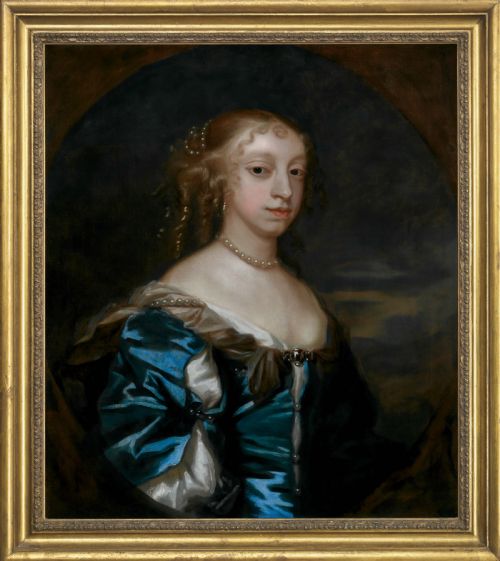
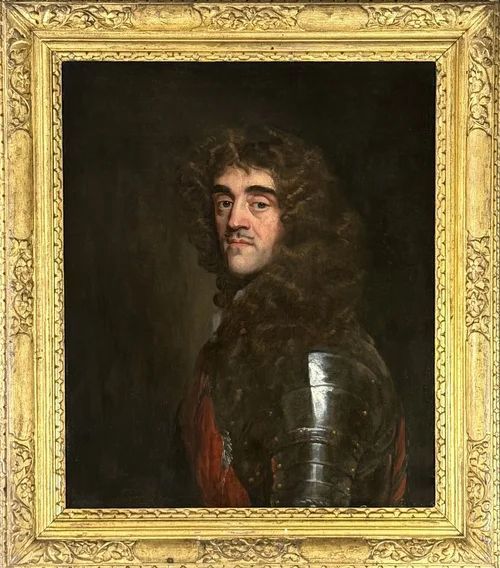
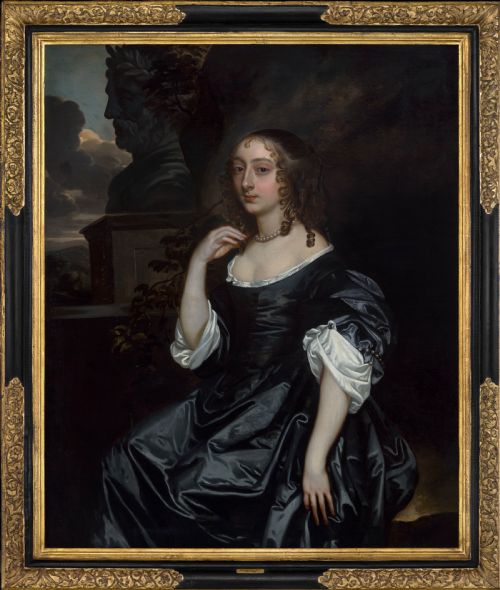
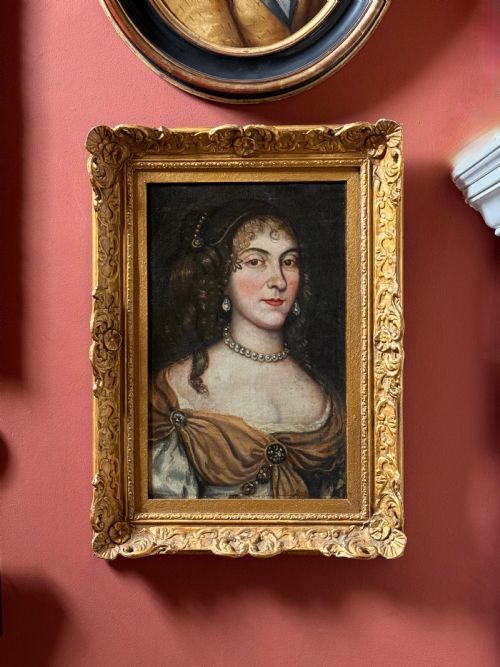
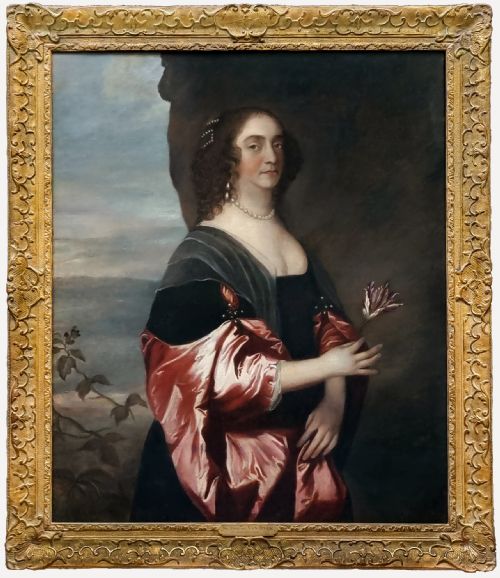
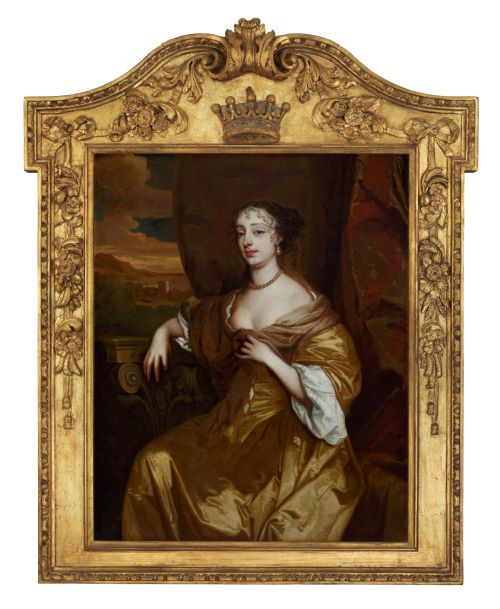
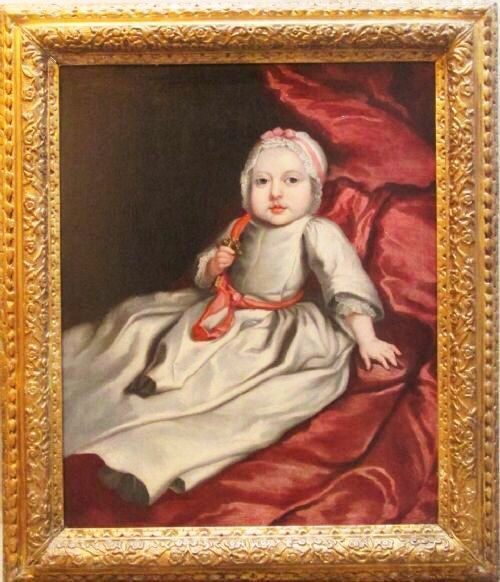
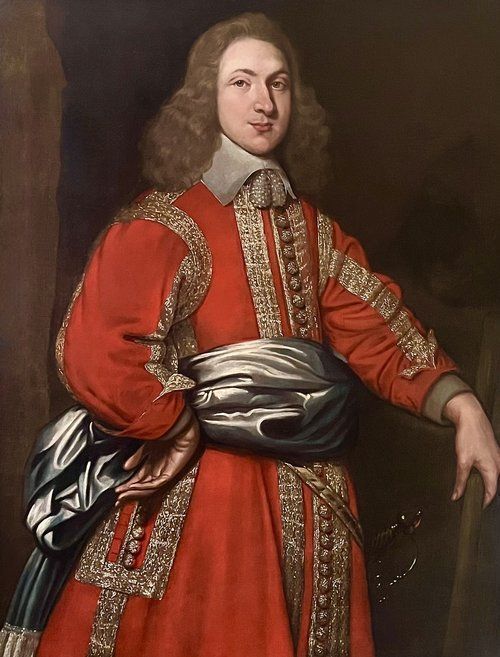
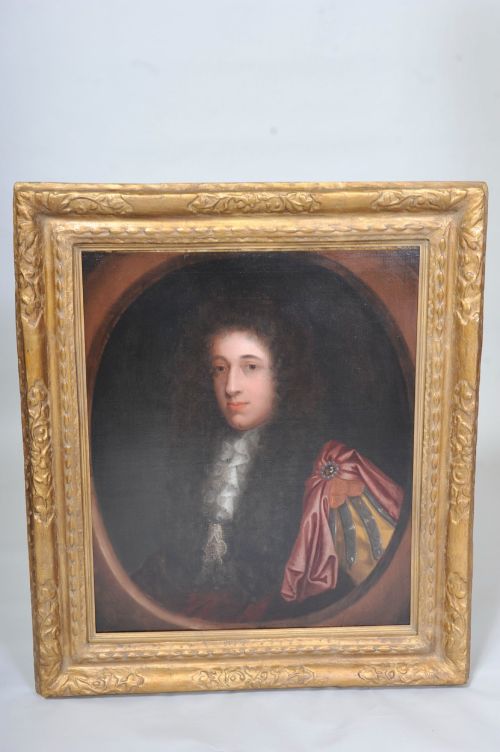
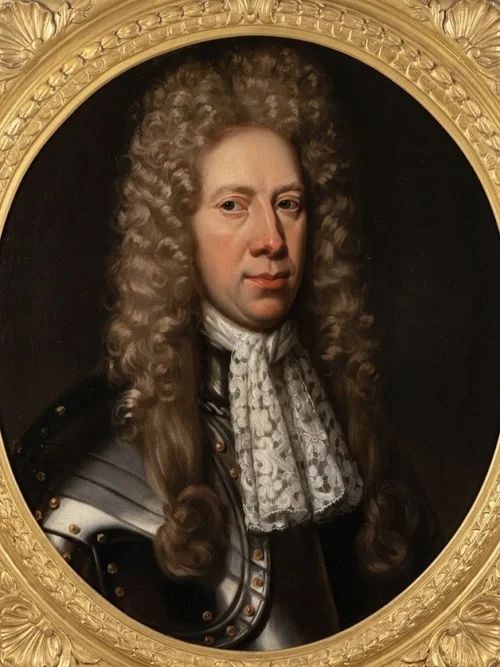
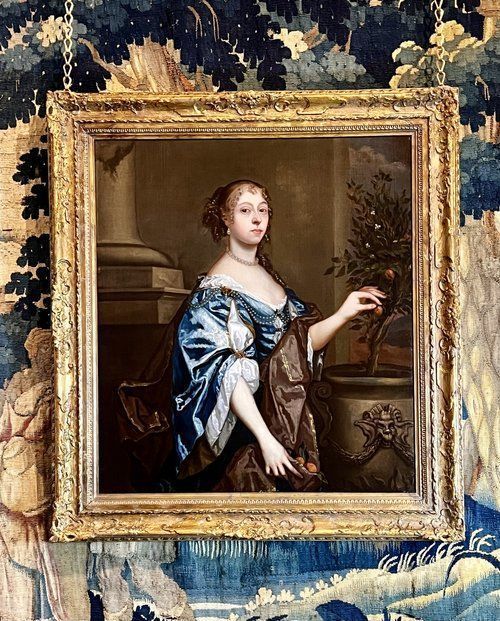
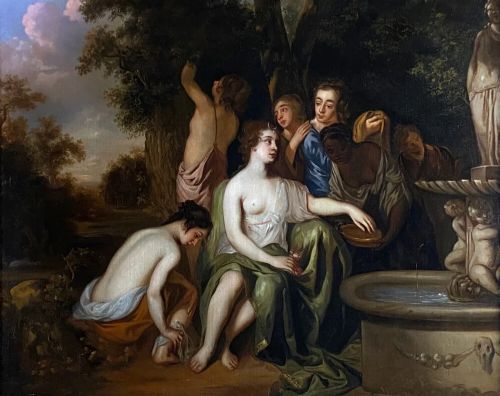
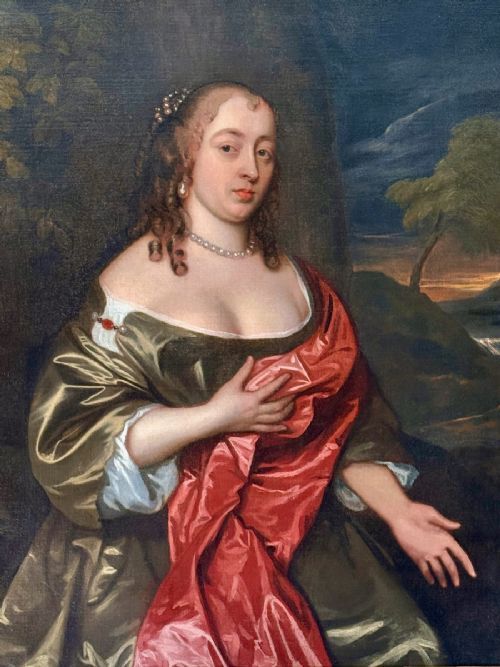
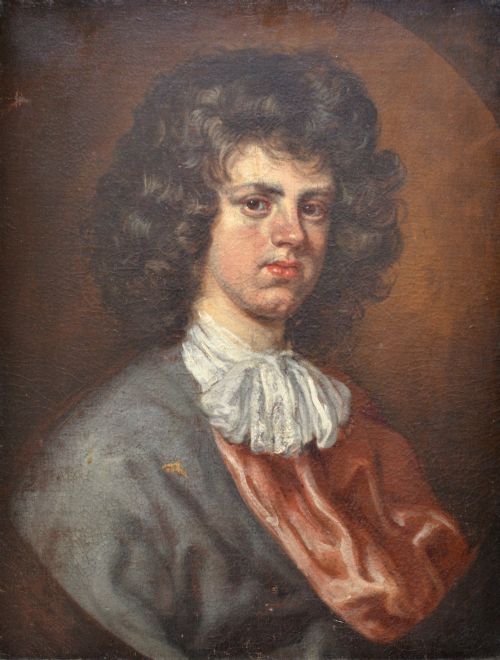
A restoration portrait most commonly appears as an oil on canvas painting from the seventeenth century, depicting noblemen, ladies, and military officers associated with the Stuart period and the English Baroque style. These works range from intimate bust-length studies to grand depictions set within extensive landscapes or classical gardens.
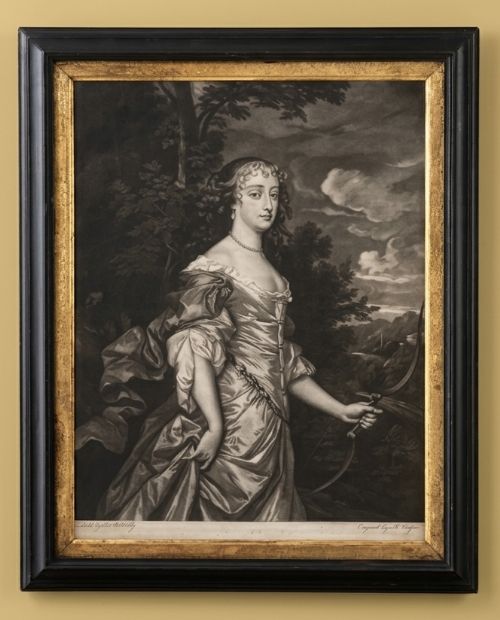
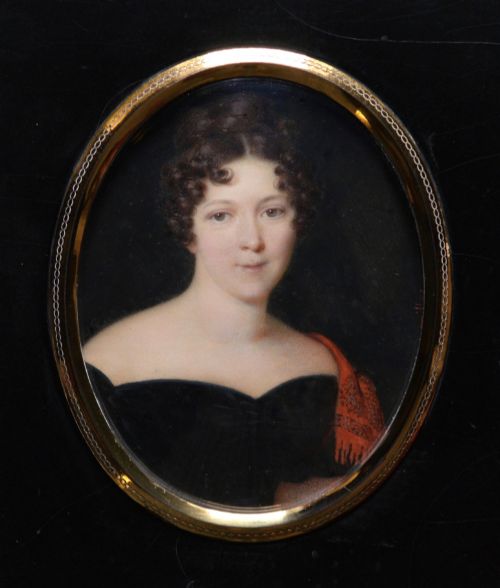
Buyers also encounter related works on paper, including mezzotint portraits after major painters, alongside occasional nineteenth-century French drawings from the Bourbon Restoration period. Miniature portrait watercolours and specialised items such as crystal scent bottles with sulphide portraits further broaden the selection available within this category.
Materials and construction
Painters of the period typically worked with oil paint on stretched canvas, utilising layered glazes to render rich fabrics like silk, satin, and velvet alongside delicate skin tones. Pigments were painstakingly mixed by hand to achieve the deep reds, blues, and dark greens characteristic of seventeenth-century formal attire.
Many works retain their original timber frames, often embellished with giltwood and gold leaf to complement the opulence of the painted subject. Graphic works rely on fine paper stock for mezzotint engravings, while miniature portraits employ watercolour pigments on paper.
Restoration Portrait Retail Price Guide 2026
Typical asking prices for restoration portrait among the pieces listed under this phrase on Sellingantiques today, from the lower quarter to the upper quarter. They describe what is for sale here now, not the wider market.
Listings feature seventeenth-century English and Anglo-Dutch school works executed in oil on canvas.
Distinctions in quality
The distinction between a studio production and an autograph work by a leading master lies in the handling of facial expression, the precision of the drapery folds, and the psychological depth conveyed in the sitter's eyes. Superior examples demonstrate a confident mastery of anatomy and light, whereas lesser pieces from contemporary circles or regional schools can display stiffer postures and more formulaic backgrounds.
The survival of an authentic period frame, such as a carved coronet frame, significantly elevates the historical integrity of a canvas. Furthermore, documented provenance tracing a portrait back to a specific ancestral hall or notable collection adds considerable weight to its desirability.
Sir Peter Lely·Mary Beale·John Greenhill·John Closterman·John Michael Wright
The Restoration Portrait Glossary
- Mezzotint
- A printmaking process of the intaglio family where the plate is roughened uniformly to produce rich dark tones and subtle gradations of light. This technique was frequently employed to reproduce famous painted portraits for a wider audience.
- Cavalier
- A term denoting a supporter of King Charles I during the English Civil War, frequently identified in portraiture by long hair, elaborate lace collars, and military attire. These subjects formed a central pillar of seventeenth-century court painting.
- Studio of
- A designation indicating a work produced under the direct supervision of a master artist, often utilising pre-existing compositions or preparatory sketches. Such pieces reflect the immediate stylistic standards of the principal workshop.
- Giltwood
- Timber carved and subsequently covered with a thin layer of gold leaf or metallic powder to create a brilliant decorative surface. Elaborate giltwood frames were standard for high-status portraits of the period.
- Baroque
- The dominant artistic style of the seventeenth century characterised by dynamic movement, deep shadow, and theatrical composition. In portraiture, this translated into grand, imposing poses set against dramatic drapery or expansive landscapes.
Restoration Portrait: Frequently Asked Questions
What is a restoration portrait?
A restoration portrait is a painting or print originating from or depicting the era of the English Restoration, typically showing aristocratic figures in formal attire.
These artworks record the shifting fashions and political allegiances of the late seventeenth century through accomplished oil on canvas techniques.
How were these portraits used?
Aristocratic families commissioned these large canvases to display lineage, wealth, and political loyalty within their country houses and London townhouses.
Smaller mezzotints and miniatures allowed admirers to collect likenesses of prominent court figures and royal personages for private study.
How do I date a seventeenth-century portrait?
Experts date these paintings by analysing the distinctive clothing styles, hairstyles, and lace collars worn by the sitters, which changed rapidly across the decades.
Canvas types, stretcher construction, and contemporary inscriptions on the reverse or front of the work also provide reliable chronological markers.
How should I care for an antique oil painting?
Antique canvases require stable indoor humidity and temperatures to prevent the cracking of old oil paint and the warping of wooden stretchers.
Display the artwork away from direct sunlight and consult a professional restorer before attempting any cleaning of the painted surface.