


Restoration Portrait Canvas
A restoration portrait canvas brings the dignified bearing of seventeenth-century sitters into modern interiors.
Restoration Portrait Canvas
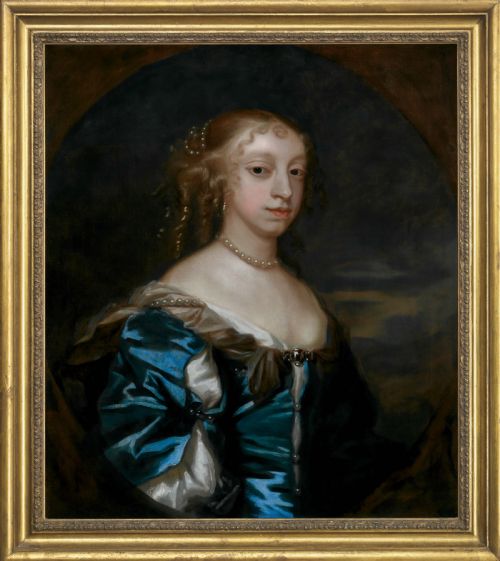
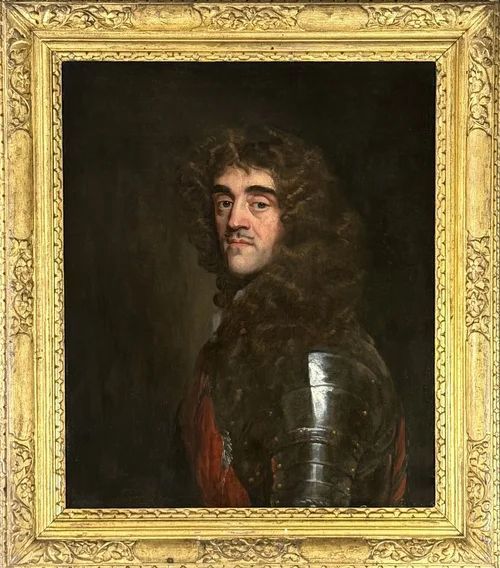
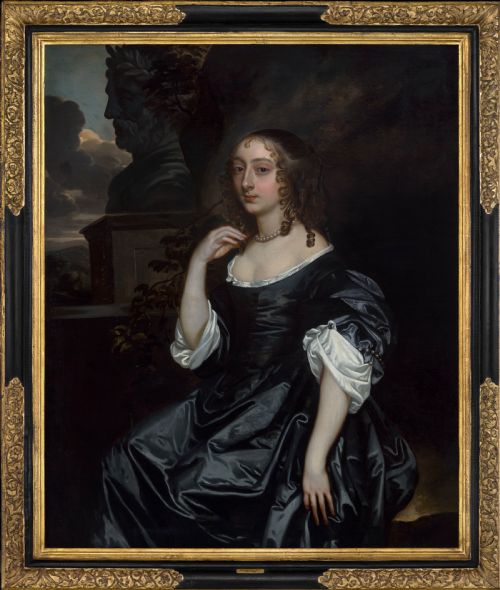
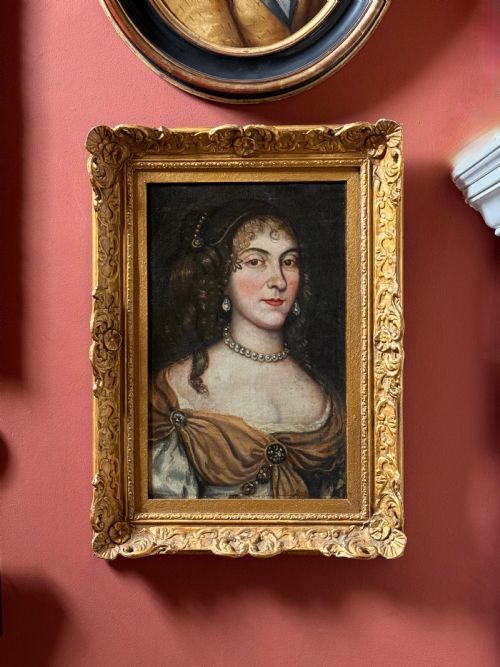
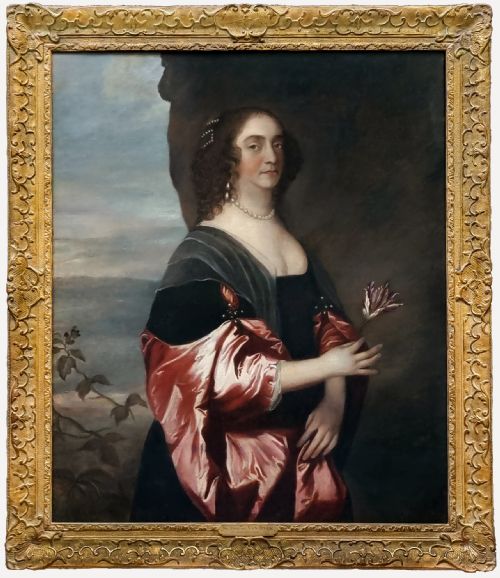
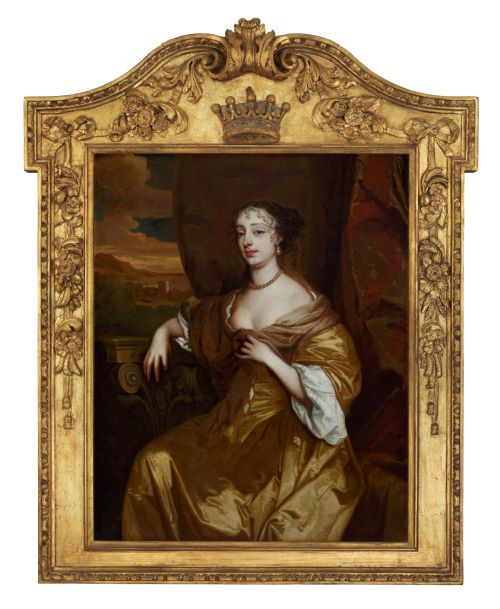
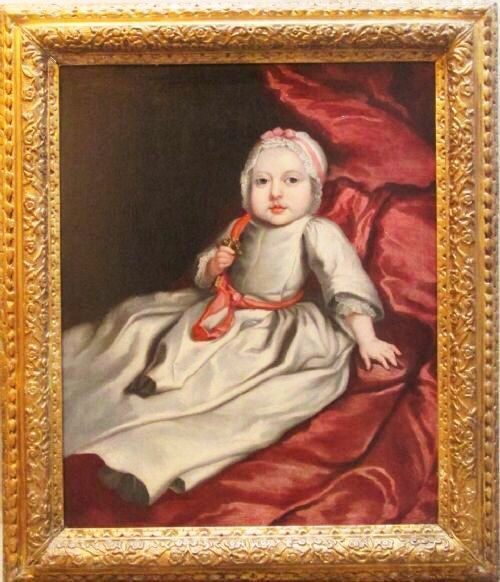
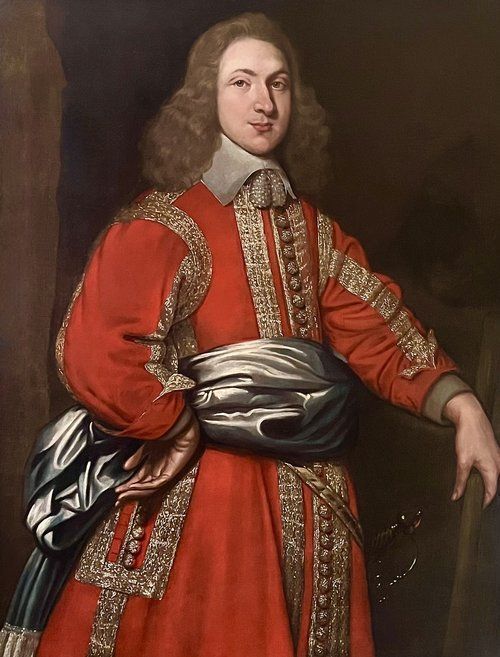
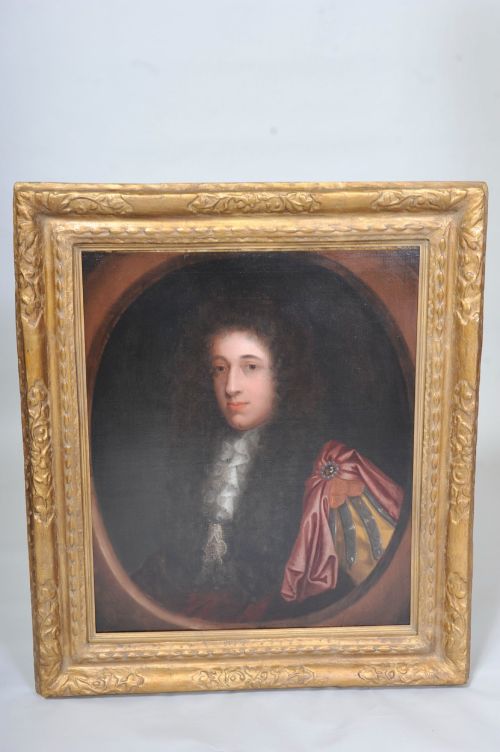
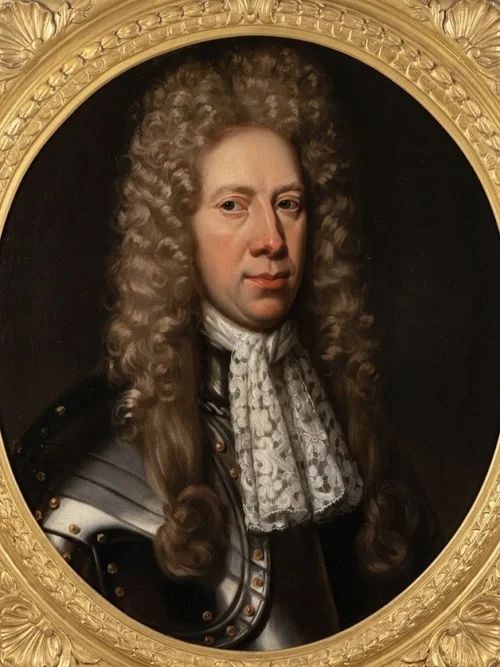
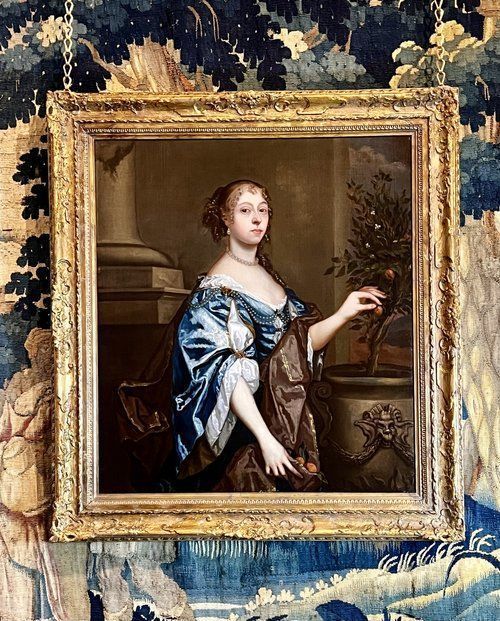
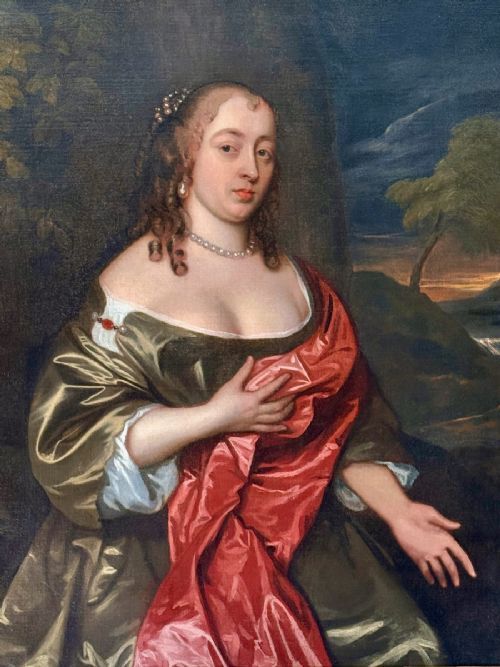
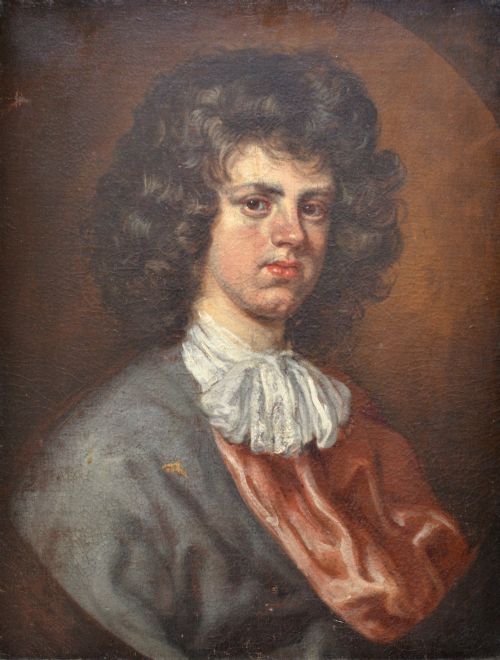
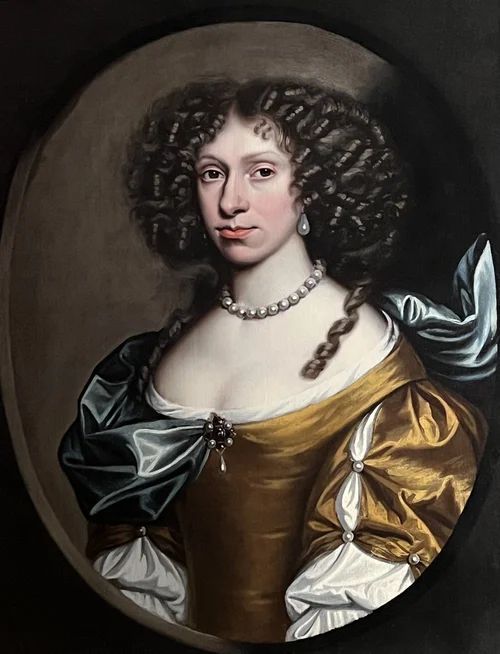
A restoration portrait canvas represents aristocratic figures, military officers, and nobility rendered during the Stuart and Baroque eras. Buyers seeking a restoration portrait canvas encounter depictions of ladies in silk gowns, gentlemen in full armour, and children accompanied by pets.
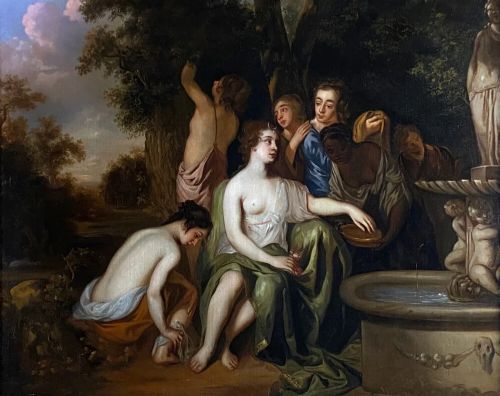
The works appearing here span the seventeenth century, incorporating English, Dutch, and Anglo-Dutch schools. Most pieces on this page emerge from notable circles, studios, or the hands of period portraitists working in oil.
Materials and construction
Painters applied oil paint directly onto woven canvas supports, which were then stretched over wooden frames. Surviving examples frequently retain their period frames constructed from giltwood or gold leaf.
Pigments were layered to build deep drapery, luminous flesh tones, and intricate details such as lace collars and satin sleeves. The ground preparation and canvas weave reflect seventeenth-century workshop practices across England and northern Europe.
Restoration Portrait Canvas Retail Price Guide 2026
Typical asking prices for restoration portrait canvas among the pieces listed under this phrase on Sellingantiques today, from the lower quarter to the upper quarter. They describe what is for sale here now, not the wider market.
Several noble sitters share the canvas with remarkably fluffy King Charles spaniels.
Distinguishing quality in period portraiture
Condition and provenance elevate individual canvases, particularly when historic collections or original carved frames remain intact. The depth of the sitter's characterisation separates standard regional output from masterworks of the period.
Sir Peter Lely·John Greenhill·Mary Beale·David Scougall·John Hayls·Pieter Borsseler·John Scougall·John Closterman·John Michael Wright·John Riley·Johann Kerseboom·Willem Wissing·Jacob Huysmans
The Restoration Portrait Canvas Glossary
- Baroque
- An artistic style characterised by drama, rich colour, and grand scale, prominent during the seventeenth century. It informs the theatrical lighting and opulent drapery seen in many period canvases.
- Studio of
- A term indicating the work was produced by assistants or pupils under the direct supervision of a master artist. Such pieces closely follow the compositional style of the primary painter.
- Circle of
- An attribution given when a painting originates from an artist working in close association with a named master, sharing identical techniques and influences. It denotes proximity to a major workshop without definitive signature.
- Giltwood
- Wood carved and coated with a thin layer of gold leaf or metallic powder, creating an ornate decorative surface. Period frames of this material complement the richness of seventeenth-century oils.
- Cavalier
- A term describing supporters of the monarchy during the English Civil War, frequently identified in portraiture by long hair, lace collars, and military attire. These sitters form a distinct subcategory of seventeenth-century portrait subjects.
Restoration Portrait Canvas: Frequently Asked Questions
How do I identify a seventeenth century portrait?
Examination of costume, hair styling, and canvas preparation provides the primary clues for dating. Sitters typically wear characteristic period dress such as doublets, mantuas, or armour.
Attributions are often supported by stylistic comparisons with documented works by known seventeenth-century portraitists and their contemporary studios.
What is the difference between studio and circle attributions?
Works from the studio of an artist were created by assistants working directly under the master's supervision. These pieces closely replicate the master's compositions and methods.
Paintings from the circle of an artist denote independent hands working in the immediate stylistic orbit of the master without necessarily training in their primary workshop.
How should I care for an oil on canvas painting?
Canvas paintings require stable environmental conditions away from direct sunlight, excessive heat, and moisture fluctuations. Maintaining consistent indoor humidity prevents warping of the wooden stretcher and cracking of the oil paint layer.
Dusting should be performed gently with a soft, dry brush by a professional conservator if deeper cleaning is required.
Why do some portraits feature elaborate carved frames?
Frames of the period were designed to complement the status of the sitter and the architectural interiors of grand English and European houses. Original frames often feature giltwood or gold leaf ornamentation specific to the late seventeenth century.
A matching period frame enhances the historical context and visual impact of the canvas it surrounds.