




Restoration Cabinet
These pieces sold under the restoration antique cabinet label are substantial wooden storage forms built centuries ago and currently requiring intervention to return to use.
Restoration Cabinet
When you search for a restoration antique cabinet, you encounter heavy functional furniture primarily originating from the seventeenth and nineteenth centuries. The selection spans distinct eras including William and Mary, Charles II, Georgian, and French Restoration periods.
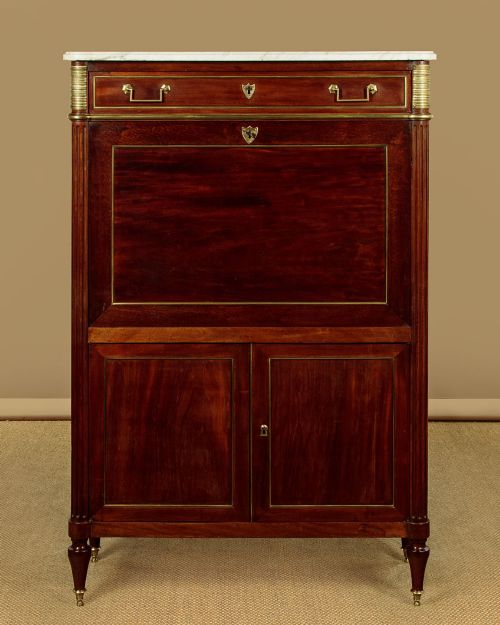
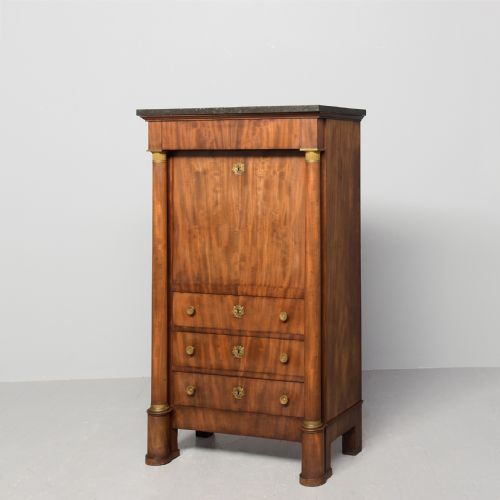
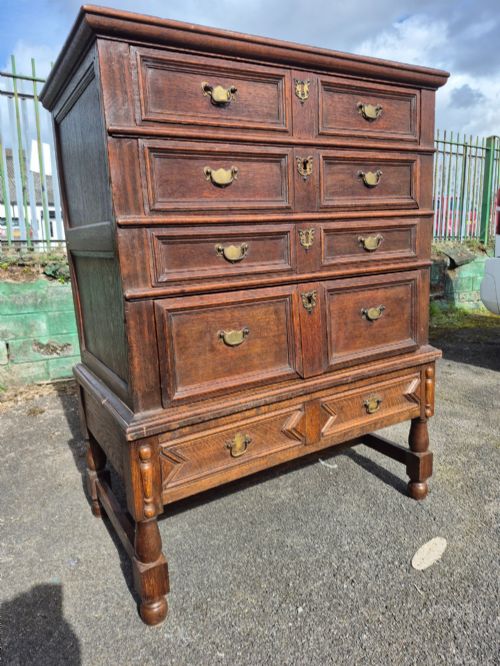
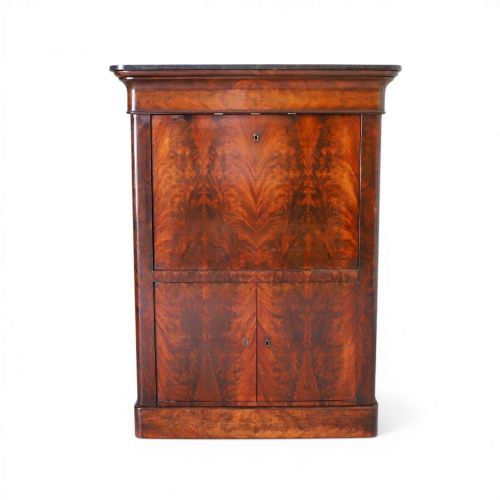
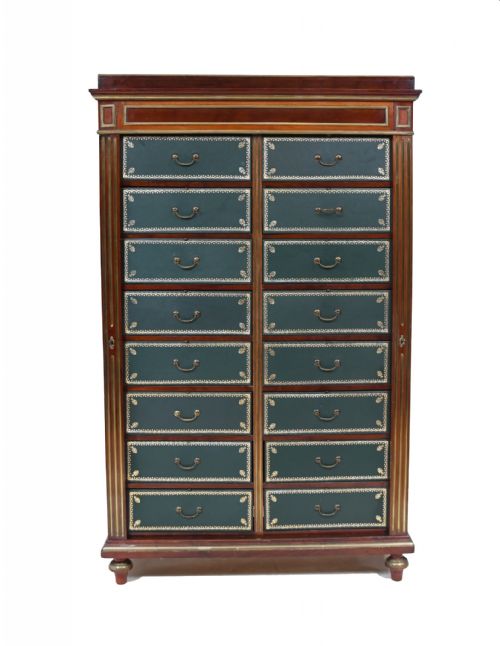
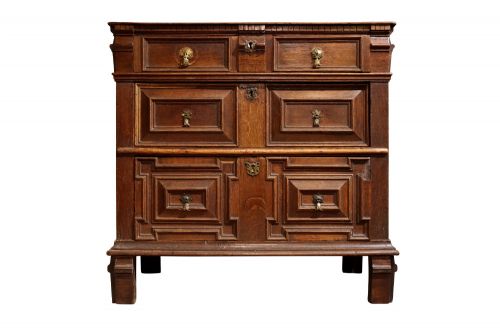
The inventory leans heavily toward specific architectural forms, notably cabinets on stand, chests of drawers, secretaire abattants, and bookcases. Many carry the direct requirement for practical intervention, noting that work remains to be done on the timber or mechanism.
Origin points divide sharply between English oak pieces from the sixteen-hundreds and continental walnut or mahogany creations from the nineteenth century. Buyers find both upright storage units and low commodes awaiting conservation.
Materials and construction methods
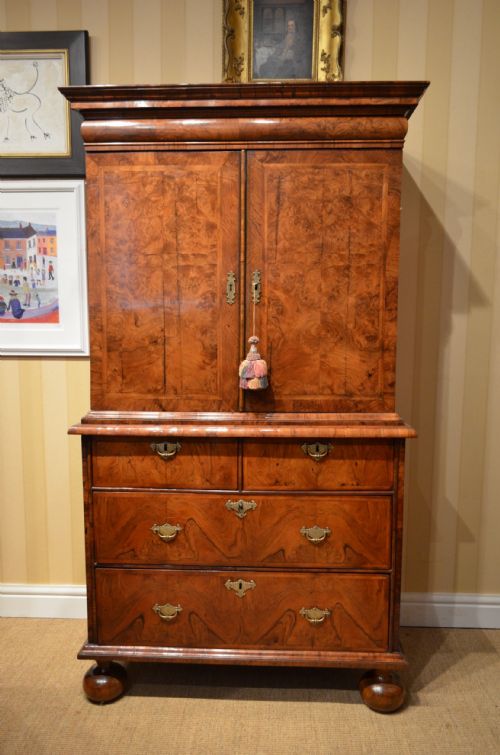
Makers relied on native English timbers like oak alongside expensive imported veneers including walnut, burr walnut, kingwood, and olive wood. Cabinetmakers utilised dense fruitwoods and boxwood for decorative stringing and intricate detailing across the surfaces.
Surface ornamentation involved elaborate techniques such as oyster veneering, where small circular cross-sections of branches create patterned mosaics, and seaweed marquetry. Heavy brass drop handles, escutcheons, and occasional marble tops complete the primary structural vocabulary.
Secret drawers hidden behind deceptively solid architectural facades remind us that seventeenth-century cabinetmakers thoroughly enjoyed outwitting the local taxman.
Distinctions in quality
Quality rests primarily on the integrity of the original timber foundations and the complexity of the exterior veneers. Pieces retaining unblemished oyster veneers or intricate marquetry panels stand significantly apart from simpler planked constructions.
The sophistication of the internal compartments, such as secret drawers concealed behind drop fronts or fitted bureau interiors, defines the upper tier of execution. Structural survival through centuries of domestic use dictates whether a piece requires light conservation or extensive rebuilding.
The Restoration Cabinet Glossary
- Secretaire abattant
- A tall upright cabinet featuring a drop-down writing flap that conceals a fitted interior of small drawers and pigeonholes. This continental form gained immense popularity during the nineteenth century.
- Cabinet on stand
- A primary storage box raised upon a separate framed base with legs, frequently united by decorative stretchers. Seventeenth-century examples often display elaborate walnut or olive wood veneers.
- Oyster veneering
- A decorative technique utilising thin circular slices cut transversely from small branches to create patterned wooden surfaces resembling oyster shells. It requires immense skill to lay without cracking.
- Seaweed marquetry
- An intricate form of floral and linear inlay work resembling seaweed or fine arabesques, popular on late seventeenth-century walnut furniture. Craftsmen used contrasting light and dark woods to achieve the delicate silhouette.
Restoration Cabinet: Frequently Asked Questions
What work do these pieces need?
Many items explicitly require physical intervention, ranging from minor veneer repairs to structural stabilization of joints and replacement of missing brass hardware.
Buyers should assess whether the necessary conservation work demands specialist antique restoration skills or simply careful cleaning and waxing.
How do I date an oak cabinet?
Seventeenth-century oak pieces display distinct hand-tool marks, pegged mortise and tenon joints, and heavy timber thicknesses dictated by early manual sawmills.
Later nineteenth-century interpretations often incorporate machine-cut elements, standard-sized fixings, and softer secondary woods behind the primary decorative facades.
Are these cabinets suitable for daily use?
Once properly conserved, these sturdy storage forms function exceptionally well for contemporary clothes, paperwork, or general household organisation.
Their robust timber construction ensures they endure modern environmental conditions provided sudden humidity shifts are avoided.
What is a cabinet on stand?
This form comprises a main enclosed storage carcase resting upon a distinct elevated support frame rather than standing directly on the floor.
Originating largely in the seventeenth century, the elevated base lightens the visual weight of dense woods like walnut and olive.