






Repousse Silver Photograph Frame
These repousse silver photograph frames bring character to a desk or mantelpiece, combining intricate metalwork with practical display.
Repousse Silver Photograph Frame
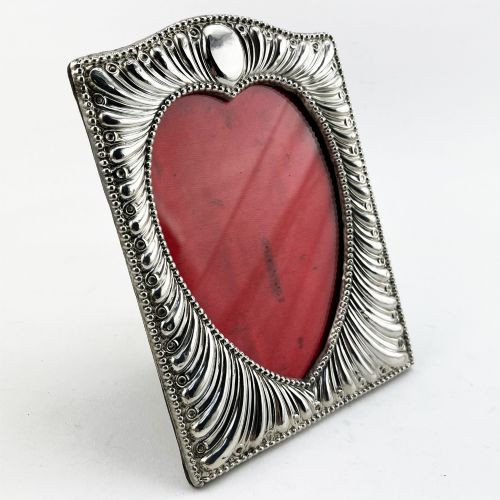
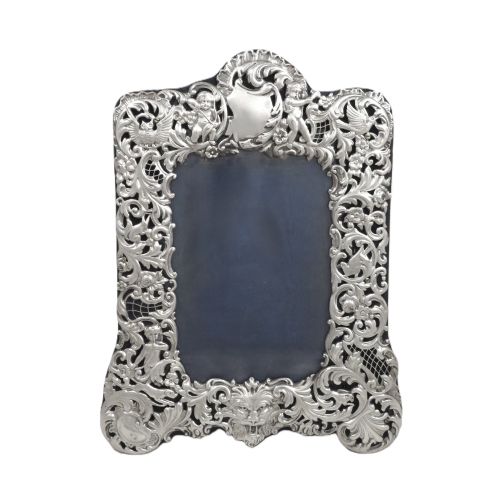
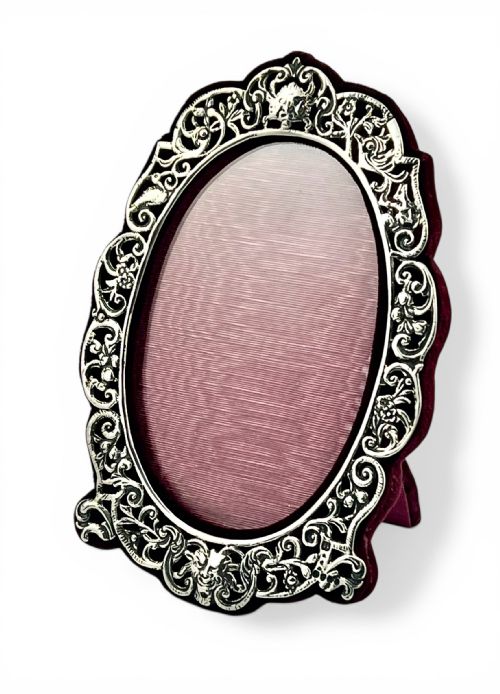
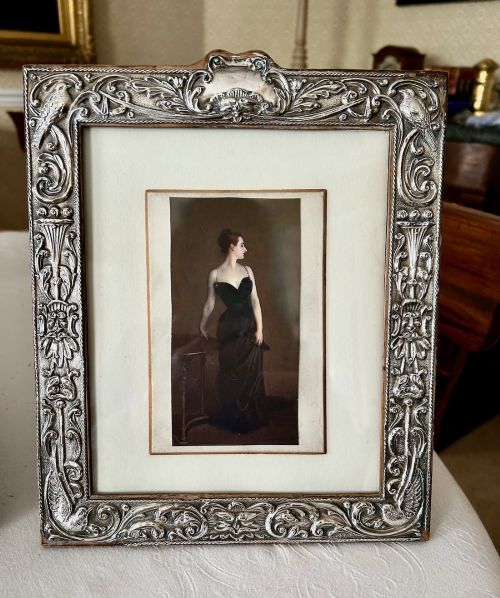
A repousse silver photograph frame is a piece designed to hold and display a picture, featuring metalwork hammered from the reverse to create raised decorative motifs. When searching this phrase, buyers encounter examples originating from the Victorian, late Victorian, and Edwardian periods.
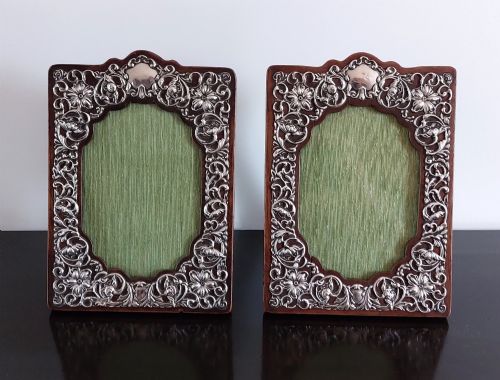
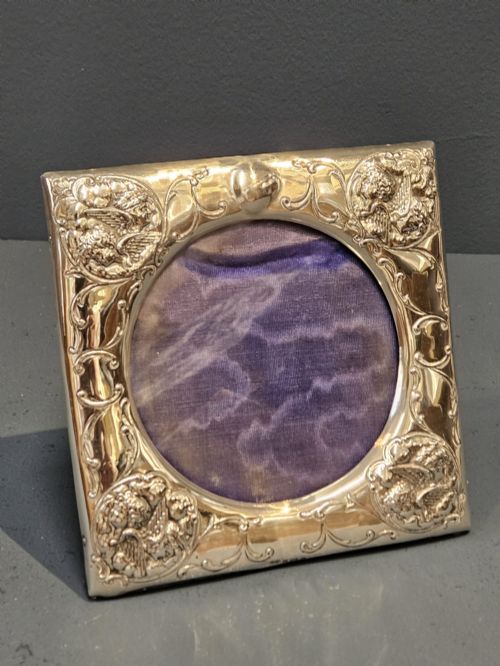
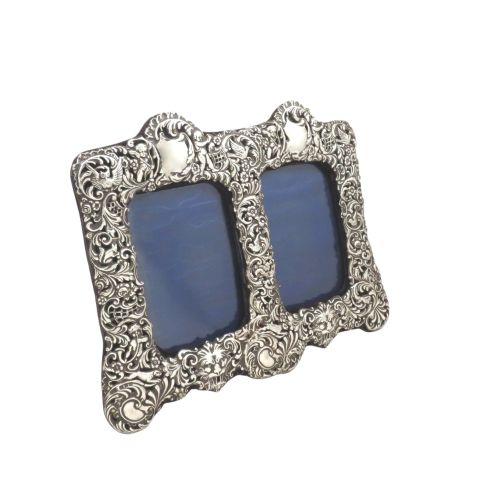
The forms vary from single rectangular shapes to double frames, heart outlines, and pairs. Motifs include cherubs, birds, owls, and angels, alongside flowing Art Nouveau designs.
Most pieces combine sterling silver fronts with structural backing materials such as wood, hardwood, oak, and velvet. Birmingham assay marks and English origins appear frequently across the selection.
Construction and materials
Silversmiths formed the decorative fronts from sterling silver sheet, hammering the design from the reverse side in the repousse technique to push the metal into relief. This process required considerable skill to maintain even thickness and prevent the metal from tearing.
The delicate silver facade was then mounted onto a sturdy wooden substructure, frequently oak or hardwood, to provide physical support. A plush velvet backing completed the reverse, while a glass panel protected the photograph from dust and handling.
Repousse Silver Photograph Frame Retail Price Guide 2026
Typical asking prices for repousse silver photograph frame among the pieces listed under this phrase on Sellingantiques today, from the lower quarter to the upper quarter. They describe what is for sale here now, not the wider market.
Listings feature sterling silver combined with oak, hardwood, velvet, and glass across Victorian and Edwardian periods.
Assessing quality
The integrity of the structural materials also dictates quality, particularly the retention of the original wooden backing, sturdy easel supports, and well-fitted interior bezels that secure the glass and photograph.
Henry Matthews·Walker & Hall
The Repousse Silver Photograph Frame Glossary
- Repousse
- A metalworking technique where the design is hammered into relief from the reverse side. This method creates tactile, three-dimensional decorative patterns on the surface.
- Sterling silver
- An alloy consisting of pure silver and other metals, usually copper, to increase durability. British pieces typically bear hallmarks certifying this standard.
- Assay office
- An official body that tests the purity of precious metals and stamps items with hallmarks. Birmingham is a prominent location noted in the evidence.
- Easel back
- A hinged support attached to the rear of the frame allowing it to stand upright on a flat surface. These supports are often covered in velvet or leather.
- Bezel
- The rim or collar that holds the glass and photograph securely within the frame. It protects the edges of the picture from damage.
Repousse Silver Photograph Frame: Frequently Asked Questions
How do I date a silver photo frame?
Dating relies heavily on the hallmarks stamped into the silver, which indicate the assay office, standard of silver, and a specific date letter. Additional clues come from the overall style, such as the flowing organic lines typical of Art Nouveau pieces.
The backing materials and the style of the typography used on any inscribed dates also provide helpful context for determining whether a piece is Victorian or Edwardian.
Were these frames made as pairs?
Makers did produce matching pairs for symmetrical display on mantelpieces or large pieces of furniture. These matching sets share identical motifs and dimensions.
Finding a surviving pair from the Edwardian or Victorian eras is less common than finding individual single frames.
How should I clean a silver frame?
Cleaning requires a soft microfibre cloth and a gentle, non-abrasive silver polish formulated to preserve delicate metalwork. Care must be taken around the raised repousse areas to avoid wearing down the thin metal.
Polish should be kept away from the wooden backing and velvet components to prevent staining or moisture damage.
What types of motifs are common?
Common decorative themes include cherubs, birds, owls, and angels, reflecting the popularity of figurative ornamentation during the late nineteenth and early twentieth centuries. Art Nouveau examples favour stylised natural forms and flowing lines.
These motifs were hammered directly into the sterling silver during fabrication to create a textured, ornamental border around the photograph.