



Renaissance Wood Chest
These pieces known as a renaissance wood chest offer robust storage and heavy period character.
Renaissance Wood Chest
A renaissance wood chest brings heavy historical presence into a room, serving as both a functional storage box and a monumental piece of furniture. When looking for a renaissance wood chest, buyers frequently encounter solid examples from the seventeenth and nineteenth centuries alongside earlier fragments.
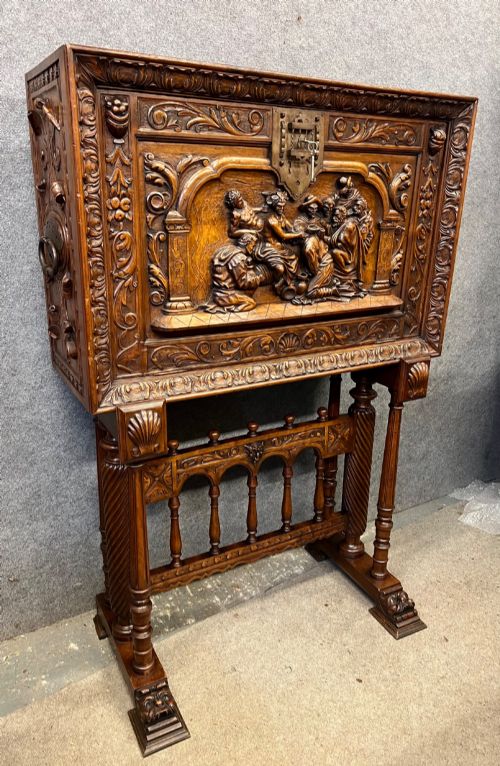
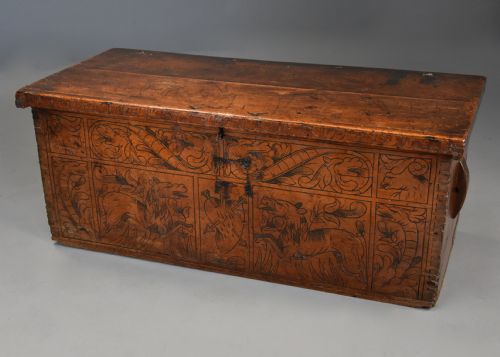
The forms span straightforward oak coffers and cypress boxes to complex cabinets on stands like varguenos. Many pieces reflect regional tastes such as Italian Renaissance or Spanish Renaissance Revival styles.
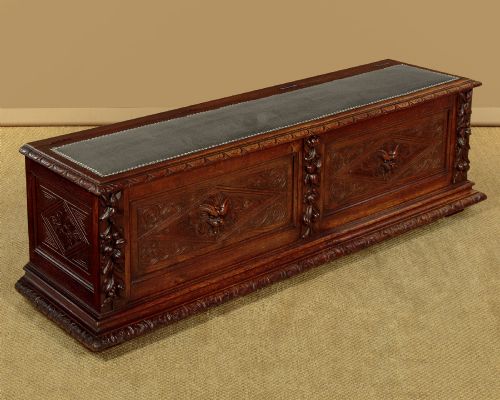
Makers utilised sturdy timbers to build forms that range from simple storage chests to heavily carved hall benches and commodes. Surviving examples demonstrate how these items adapted from utilitarian strongboxes into display furniture.
Materials and construction
Carpenters built these pieces using durable native hardwoods such as oak, walnut, and cypress. These woods provided the structural strength required for large coffers and heavy cabinets.
Craftspeople decorated surfaces using deep carving, applied mouldings, and giltwood highlights. Iron and brass fittings, including hinges and locks, reinforced the corners and added security.
Joinery relied on traditional framing and panel techniques to allow timber to move naturally over centuries. Ironwork elements like wrought iron mounts were hand-forged to secure the heavy lids and doors.
Renaissance Wood Chest Retail Price Guide 2026
Typical asking prices for renaissance wood chest among the pieces listed under this phrase on Sellingantiques today, from the lower quarter to the upper quarter. They describe what is for sale here now, not the wider market.
Early sixteenth-century iron caskets offered portable security with complex locking mechanisms hidden inside the lid.
Factors of quality
The depth and crispness of the carving distinguish finer items from simpler utilitarian boxes. Superior pieces display harmonious proportions and well-executed architectural details rather than crude decoration.
Original surface condition and timber figure heavily influence the overall character of a piece. Examples retaining untouched patination and original iron hardware hold greater integrity than those with extensive later alterations.
The Renaissance Wood Chest Glossary
- Cassone
- A large Italian chest associated with marriage customs and wealthy households. These pieces often feature elaborate carving or painted decoration.
- Vargueno
- A traditional Spanish cabinet featuring a drop-front writing desk over a series of small drawers. They frequently rest on decorated stands.
- Patina
- The surface sheen and colour developed by wood and metal over long periods of use and age. This quality signals genuine historical depth.
- Giltwood
- Timber treated with gold leaf or gold paint to create a decorative metallic finish. It highlights carved details on high-status furniture.
Renaissance Wood Chest: Frequently Asked Questions
How were these chests used?
These boxes served primarily to store valuables, documents, and clothing in secure domestic settings. Their heavy construction and fitted locks protected contents from theft and moisture.
Over time, many forms evolved into display furniture or seating while retaining their internal storage capacity.
Where should I place a chest?
A heavy wooden chest suits hallways, living spaces, or large bedrooms where it can anchor the room. Ensure the piece sits away from direct heat sources to prevent timber from drying out.
Allow sufficient clearance around the box for the lid or drop-front doors to open fully.
How do I spot revival pieces?
Nineteenth-century revival items often display machine-cut elements and standardised joinery compared to earlier work. Examine the interior construction and timber shrinkage for clues regarding age.
Stylistic cues also help, as revival makers sometimes exaggerate traditional motifs to suit Victorian tastes.
How do I care for old wood?
Maintain a stable room temperature and moderate humidity to protect the aged timber from cracking. Dust the surfaces regularly with a soft, dry cloth rather than using heavy polishes.
Treat iron hardware gently and avoid moisture accumulation around hinges and locks.