




Renaissance Wall Art
Renaissance wall art brings centuries of classical portraiture and woven textile history into contemporary interiors through oils, tapestries, and carved panels.
Renaissance Wall Art
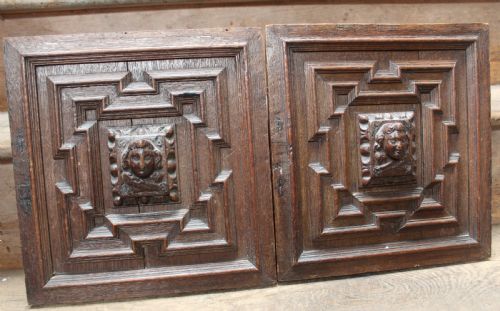
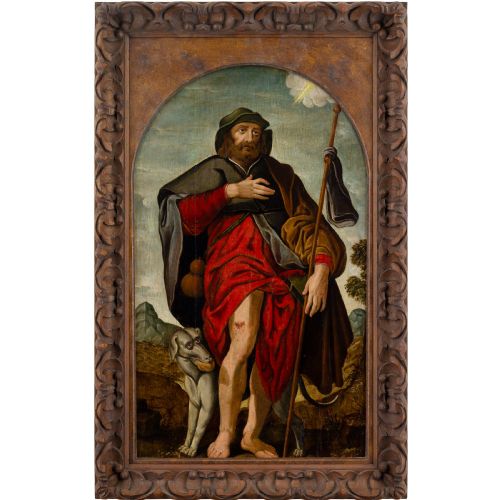
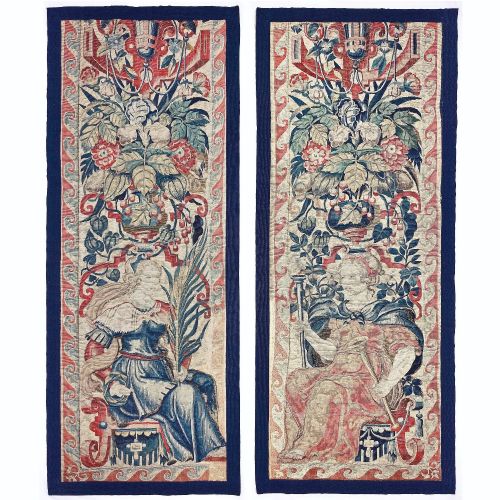
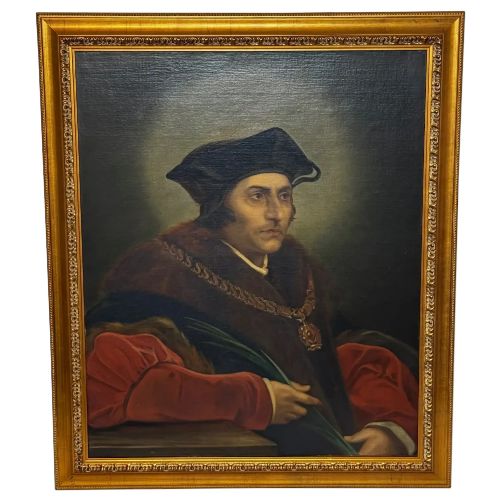
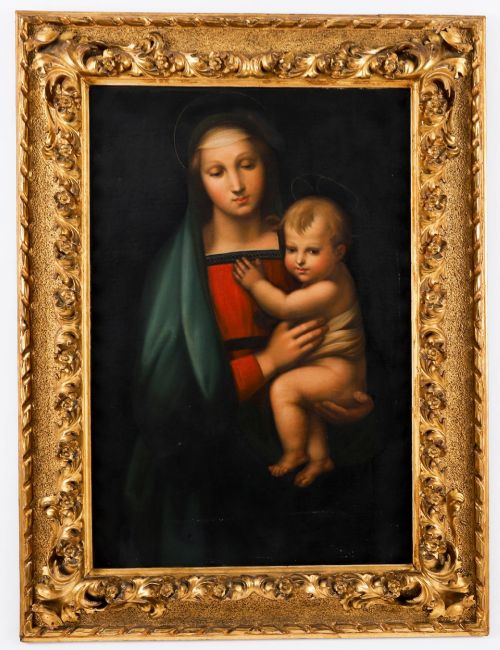
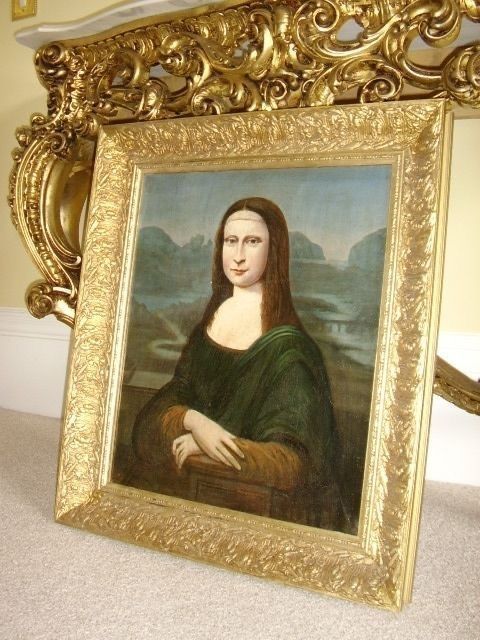
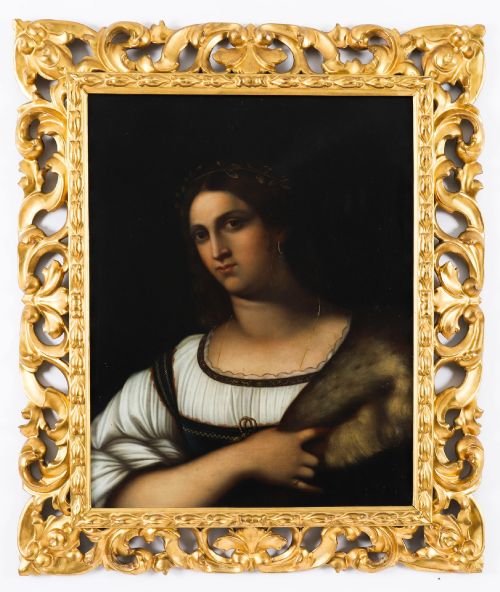
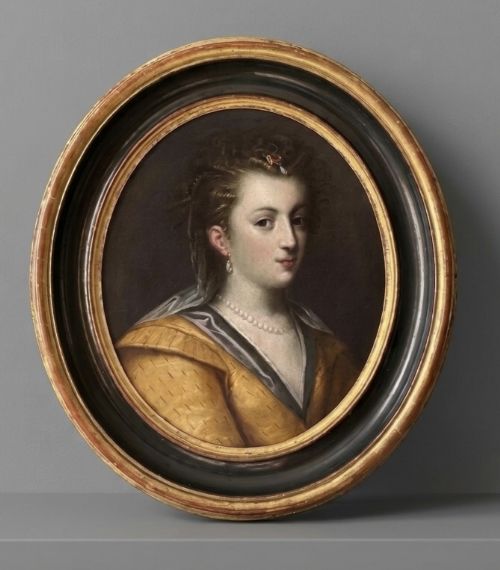
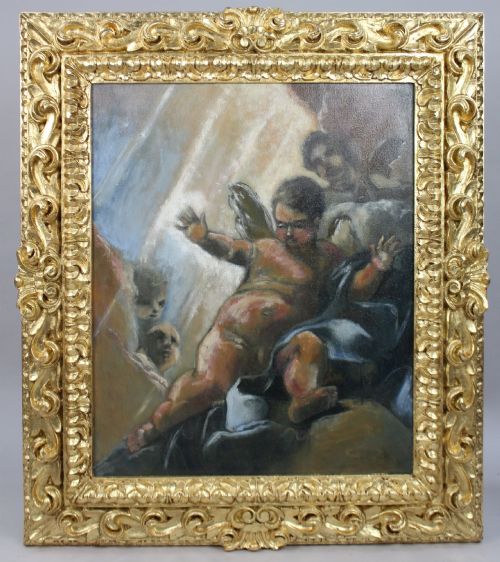
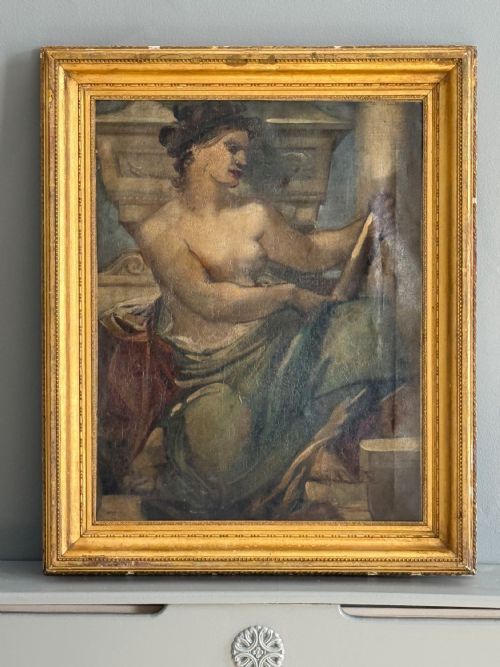
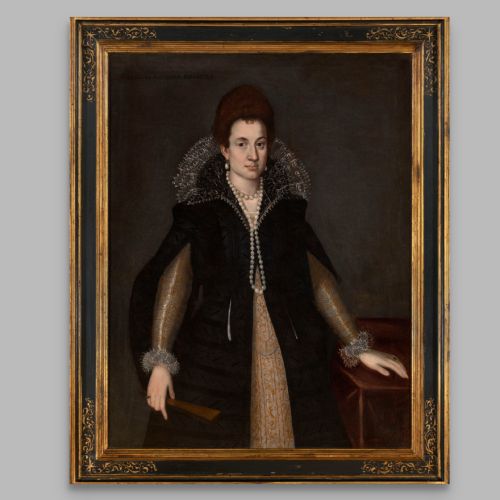
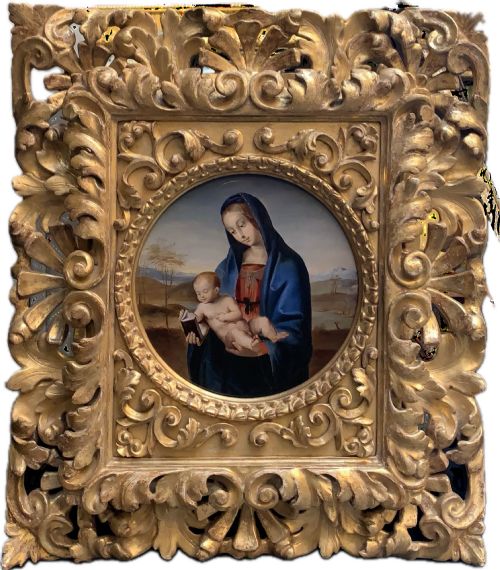
When searching for renaissance wall art, buyers encounter oil portraits, framed canvases, tapestry panels, and drawings dating from the sixteenth century onward. These objects reflect historical painting traditions and later revival movements that celebrated classical forms and religious subjects.
Oil paintings form the core of this category, ranging from early period works to nineteenth-century copies after masters like Raphael and Titian. Alongside paintings, woven Flemish tapestries and hand-drawn studies on paper provide alternative ways to display period aesthetics on interior walls.
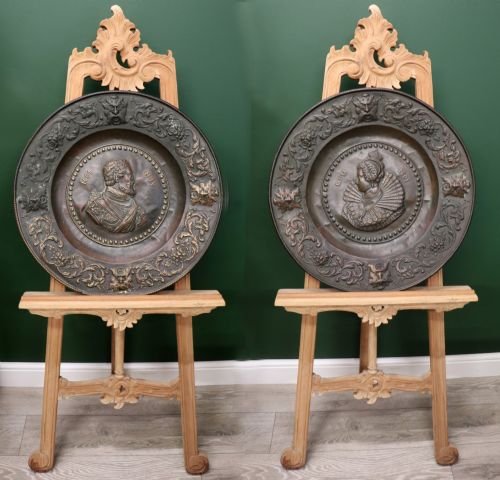
Revival pieces from the nineteenth and twentieth centuries sit alongside genuine sixteenth-century fragments, offering diverse entry points into historical interior decoration. Framed giltwood panels and copper chargers further expand the forms available within this grouping.
How renaissance wall art was made
Makers utilised oil on canvas and wood panels to build rich compositions through layered glazes and pigments. Draftsmen worked with sanguine and paper to capture detailed figural studies, while weavers employed wool and threads for complex pictorial tapestries.
Frames and mounts often incorporated carved giltwood, gilded bronze, and white metal relief work to complement the central artwork. Enamel on copper plaques demonstrated specialised kiln techniques practiced by later workshops emulating historical methods.
Renaissance Wall Art Retail Price Guide 2026
Typical asking prices for renaissance wall art among the pieces listed under this phrase on Sellingantiques today, from the lower quarter to the upper quarter. They describe what is for sale here now, not the wider market.
Materials recorded across the inventory include giltwood, gold leaf, copper, wool, porcelain, and white metal relief.
What varies in quality in renaissance wall art
The nuance of brushwork and the handling of light distinguish superior painted portraits from more mechanical decorative copies. Masterful execution in facial expressions and fabric folds reflects the skill of the artist or the fidelity of the follower.
The integrity of the medium also dictates worth, from the tightness of the weave in wool tapestry panels to the preservation of original gold leaf on carved wooden frames. Age-related patination on canvas and panel adds depth when materials remain stable and undisturbed.
Philip II of Spain·Studio M. Canals·Lavinia Fontana·Sebastiano del Piombo·Raphael·Bernardino Luini·Hans Holbein·Leonardo Da Vinci·Pietro Fachetti·Titian·Paolo Veronese·Icilio Federico Joni·Miguel Barroso·Joachim Bueckelaer·Alfred Holst Tourrier·Samson
The Renaissance Wall Art Glossary
- Tapestry
- A heavy woven textile featuring pictorial designs, typically produced on a loom using wool and silk threads to cover interior walls.
- Giltwood
- Wood that has been coated with a thin layer of gold leaf or gold paint, frequently used for ornate picture frames in historical interiors.
- Manner of
- A term indicating that an artwork was produced in the style of a specific master by an unidentified artist working during the same period or later.
- Sanguine
- A type of red chalk used historically for sketching and drawing figural studies on paper with warm earthy tones.
- Biccherna
- A term referencing painted wooden book cover bindings associated with Sienese administrative records and historical panels.
Renaissance Wall Art: Frequently Asked Questions
What periods do these wall art pieces cover?
The selection spans authentic sixteenth-century fragments and paintings alongside nineteenth-century revival works and twentieth-century interpretations.
Buyers find both genuine period items and later artistic homages sharing historical aesthetic values.
Are all these items genuine sixteenth-century works?
Many pieces originate from the nineteenth and twentieth centuries as part of the Renaissance Revival movement, reproducing earlier styles.
Specific listings indicate exact centuries and attribution terms to clarify the age and origin of each object.
How do I hang heavy framed paintings safely?
Heavy oil paintings and carved giltwood frames require secure wall fixings suited to the specific weight of the piece.
Using professional picture wire and wall anchors ensures safe display without damaging period frames or plaster.
What is the difference between a tapestry panel and an oil painting?
Tapestry panels are woven textiles made from materials like wool, whereas oil paintings apply pigment directly onto canvas or wood.
Both serve as wall hangings but offer entirely different tactile textures and historical crafting techniques for interior decoration.