

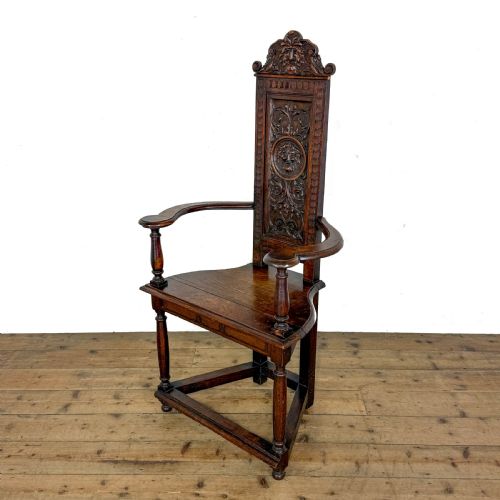


Renaissance Style Panels
Renaissance style panels bring architectural depth and rich historical character to interiors through carved wood and textile artistry.
Renaissance Style Panels
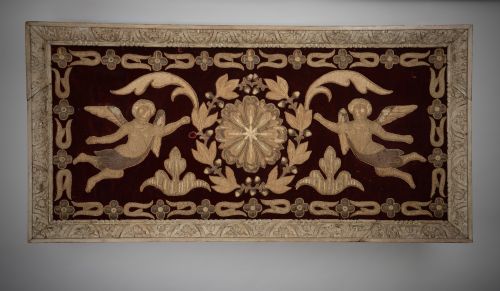
When searching for renaissance style panels, buyers encounter a diverse selection of architectural carvings, wall hangings, and decorative panels that evoke early European craftsmanship. These pieces bridge the gap between structural salvage and fine art, originating from periods spanning the sixteenth century through revival eras in the nineteenth and twentieth centuries.
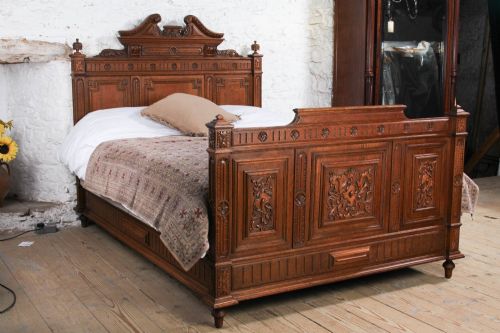
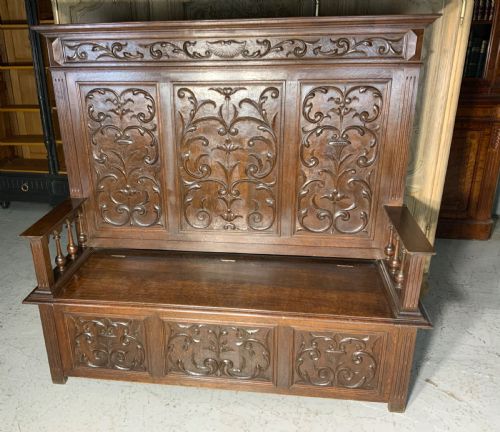
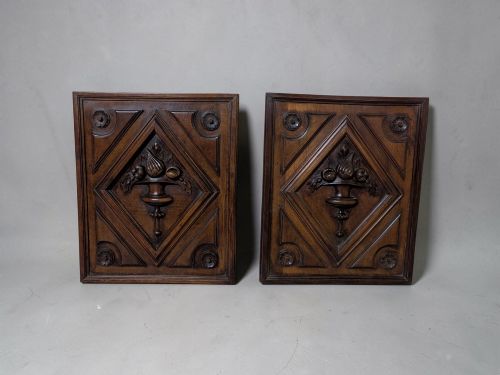
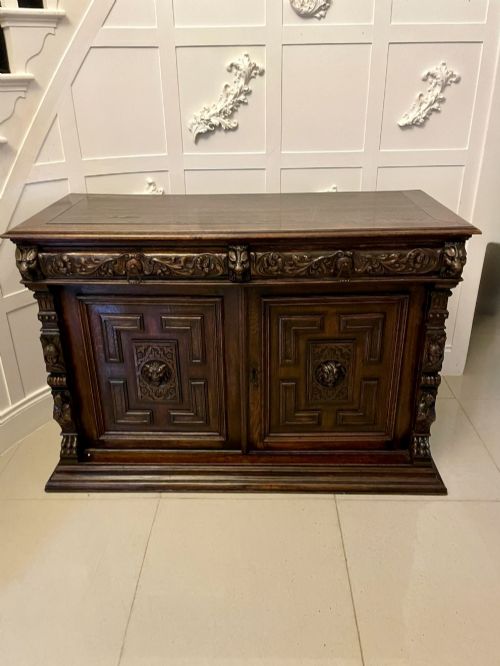
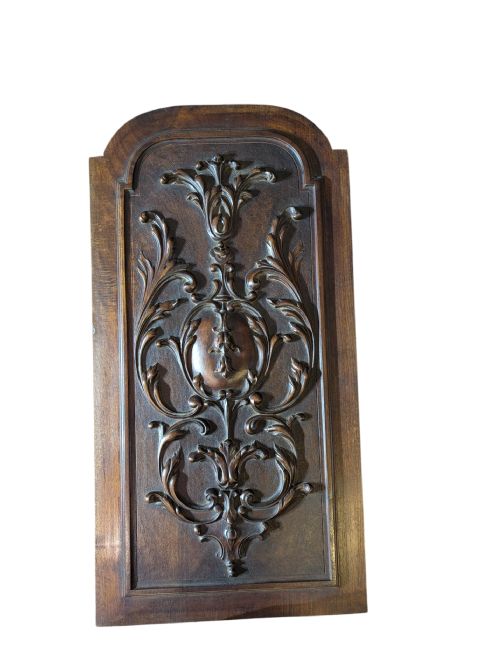
The objects appearing in this category include carved oak elements, giltwood reliefs, framed tapestries, and painted panels. While some items date directly to the seventeenth century and earlier, many represent later interpretations in walnut and oak created during nineteenth-century revivals.
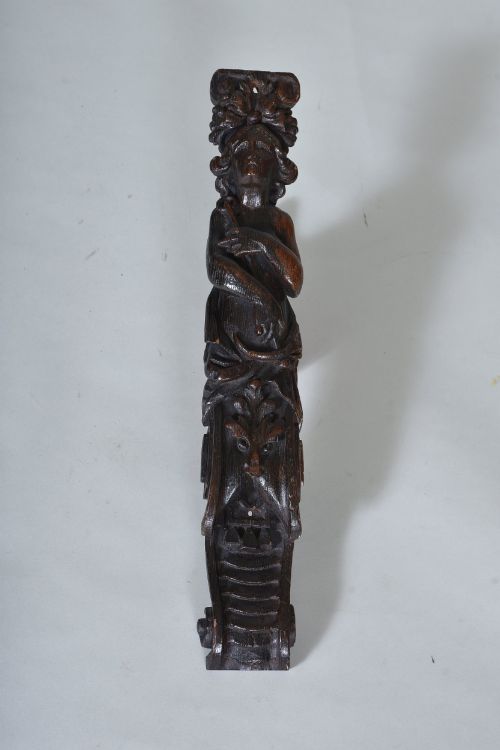
Forms range from flat decorative plaques and architectural fragments to substantial carved figures and pilaster hangings. Buyers frequently select these works to anchor a room with period texture, utilising them as focal points on panelled walls or within traditional libraries.
What varies in quality
The distinction between ordinary and exceptional examples rests in the crispness and depth of the carving. Master carvers achieved subtle anatomical details and convincing drapery folds that lesser hands rendered in a stiff or shallow manner.
Original surface preservation heavily influences desirability. Pieces retaining undisturbed polychrome paint, genuine gold leaf, or aged patination on raw oak and walnut command greater attention than those stripped or heavily restored in later centuries.
Renaissance Style Panels Retail Price Guide 2026
Typical asking prices for renaissance style panels among the pieces listed under this phrase on Sellingantiques today, from the lower quarter to the upper quarter. They describe what is for sale here now, not the wider market.
One exceptional book cover binding pretends to be an old manuscript while actually hiding a nineteenth-century artist's clever revival aesthetic.
Icilio Federico Joni·Samson
The Renaissance Style Panels Glossary
- Pilaster
- A flat, rectangular architectural column projecting slightly from a wall, often carved with renaissance ornamentation in these panels.
- Giltwood
- Wood that has been treated with gold leaf or gold paint to create a lustrous surface finish. This technique highlights carved details on frames and relief plaques.
- Polychrome
- Painted in several colours, a surface decoration frequently found on historic wood carvings and religious figures. It adds vibrancy and narrative clarity to sculptural scenes.
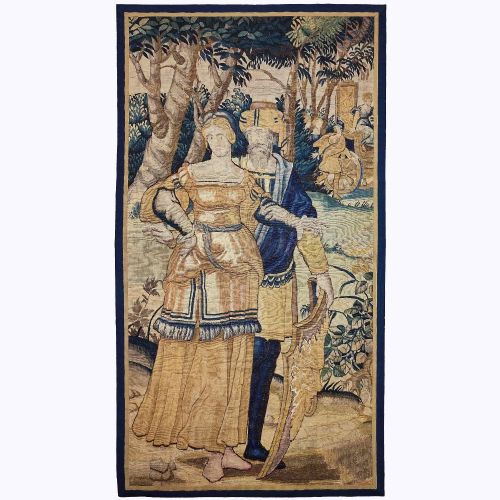
- Tapestry
- A heavy textile woven with pictorial designs in coloured yarns, used historically as wall hangings for insulation and decoration. These pieces display classical or noble figures within architectural borders.
- Caryatid
- A sculpted female figure serving as an architectural support taking the place of a column or pilaster. They appear in high relief on period oak carvings.
Renaissance Style Panels: Frequently Asked Questions
How do I hang a heavy carved wooden panel?
Heavy carved wood panels require secure attachment directly into wall studs or masonry using heavy-duty metal brackets suited to the weight of the piece.
Ensure the hanging hardware engages the structural frame of the panel rather than relying on decorative surface mouldings.
How should I clean antique oak and walnut carvings?
Dust carved surfaces gently with a dry, soft-bristled brush to remove particulate matter from deep crevices without disturbing the patina.
Avoid liquid cleaners, modern polishes, or abrasive cloths that can strip historic wax finishes and painted details.
Can textile panels be displayed in direct sunlight?
Wool and silk tapestries fade permanently when exposed to strong natural light over extended periods.
Position textile wall hangings on interior walls away from windows or use UV-filtering glass if framed.