

Renaissance Portrait Art
Renaissance portrait art encompasses centuries of painted nobility, religious figures, and historical subjects derived from or inspired by sixteenth-century masterworks.
Renaissance Portrait Art
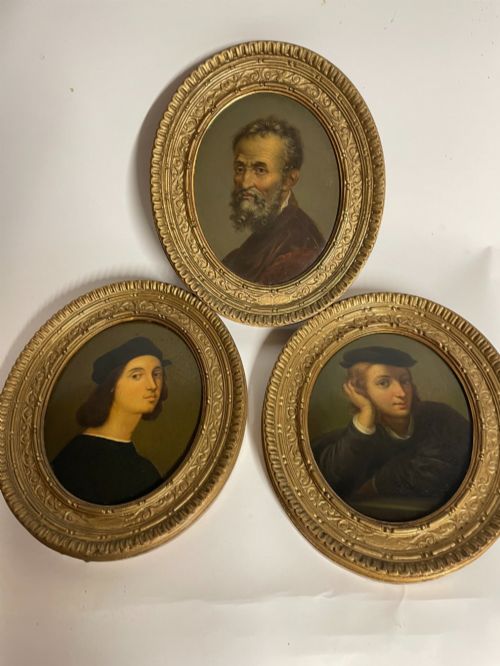
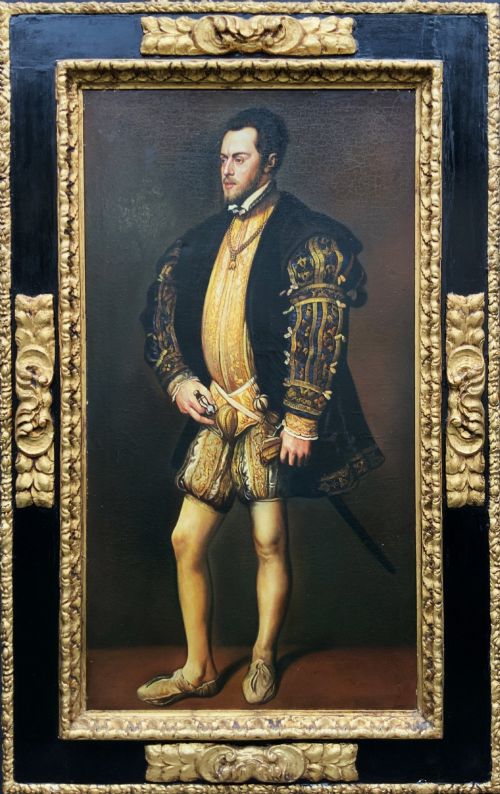
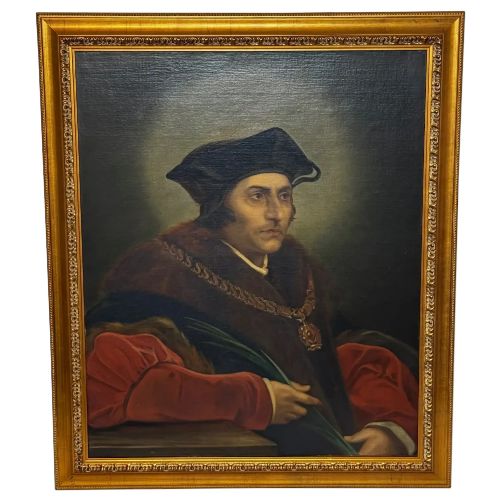
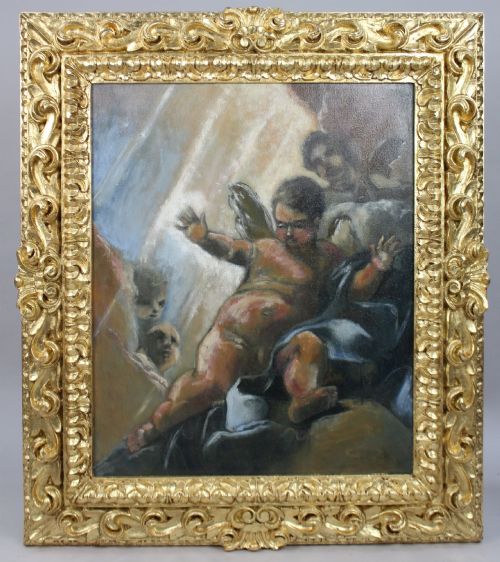
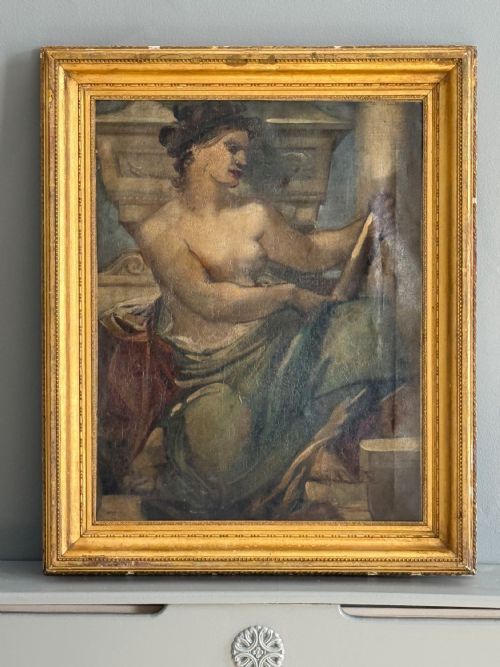
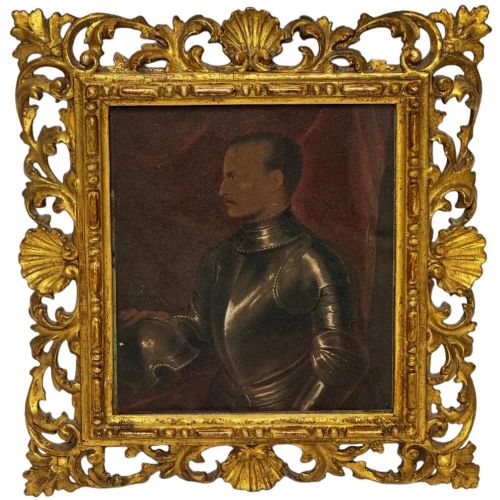
Renaissance portrait art captures human likenesses and religious iconography rooted in the sixteenth century, appearing frequently as oil paintings on canvas alongside later revivals from the nineteenth century.
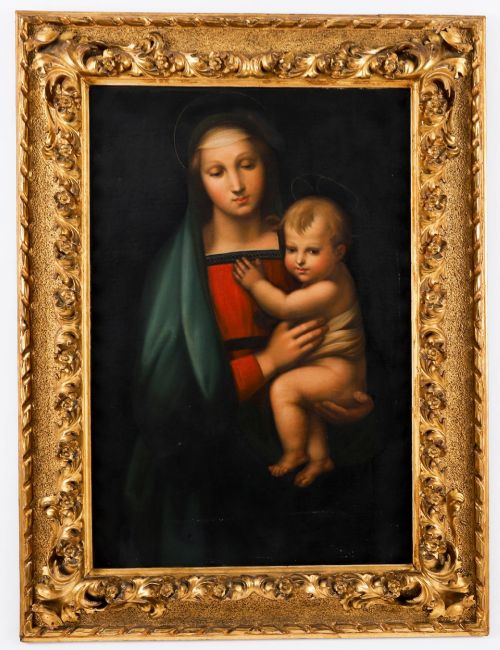
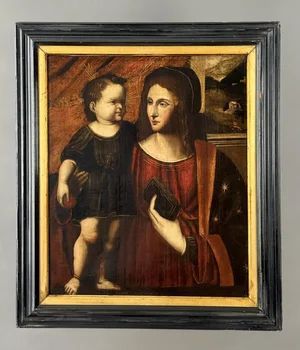
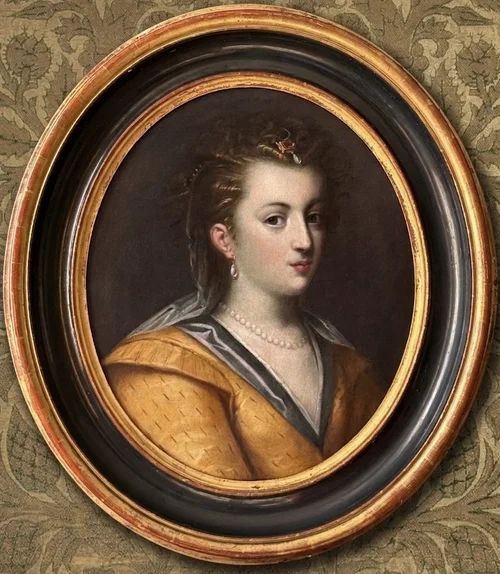
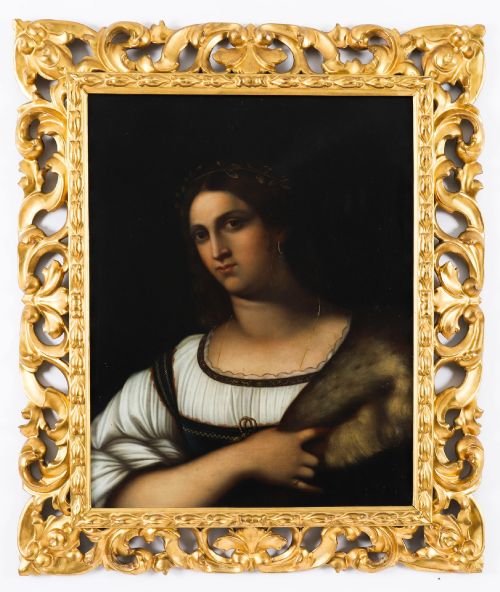
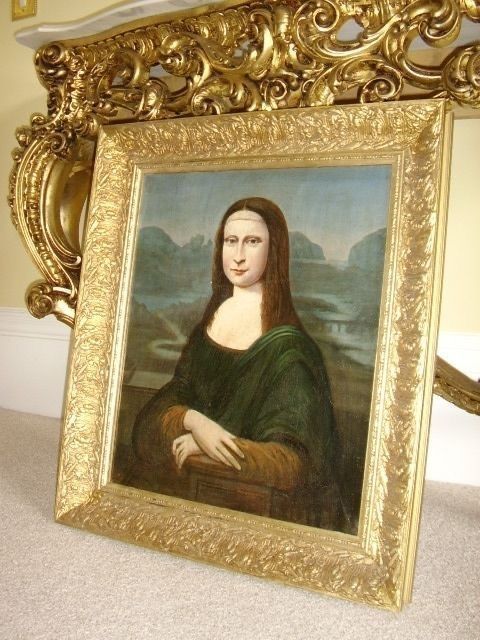
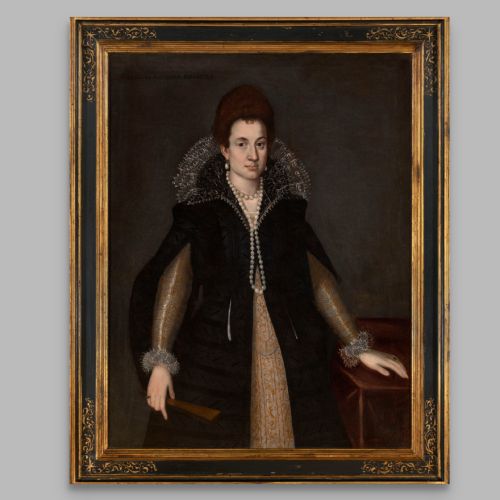
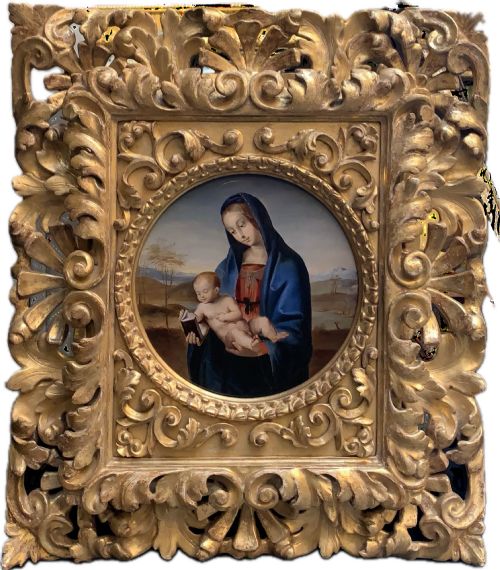
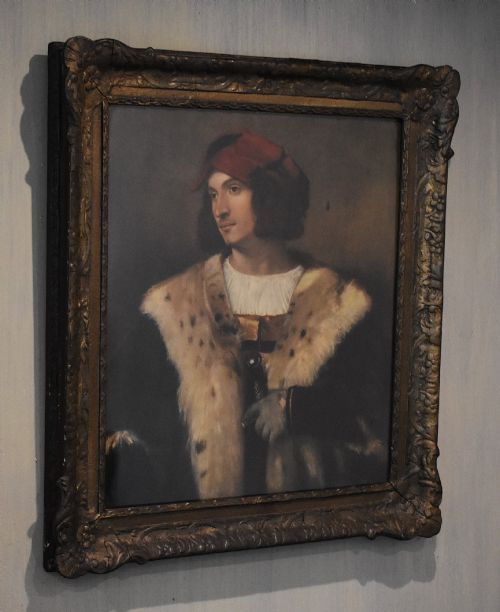
Buyers encounter period originals alongside numerous later interpretations, including grand depictions of noblewomen, Venetian subjects, and revered madonnas after Raphael and Leonardo da Vinci.
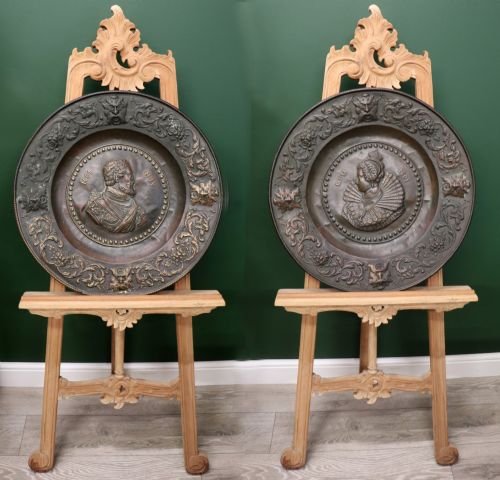
Beyond standard canvas works, this category embraces diverse material forms such as framed wall art, carved giltwood panels, copper wall chargers, and decorative relief plaques.
How they were made
Many items utilise traditional giltwood framing, framing the central image with carved wooden mouldings finished in gold leaf.
Alternative techniques include enamel painting on copper, hand-painted majolica pottery, and delicate sanguine or pencil drawings on paper.
Renaissance Portrait Art Retail Price Guide 2026
Typical asking prices for renaissance portrait art among the pieces listed under this phrase on Sellingantiques today, from the lower quarter to the upper quarter. They describe what is for sale here now, not the wider market.
Henry IV and Queen Marie de' Médicis watch over modern rooms from matching copper gothic style wall chargers.
What varies in quality
The sophistication of brushwork dictates the visual success of a piece, distinguishing carefully rendered drapery and lifelike expressions from formulaic copies.
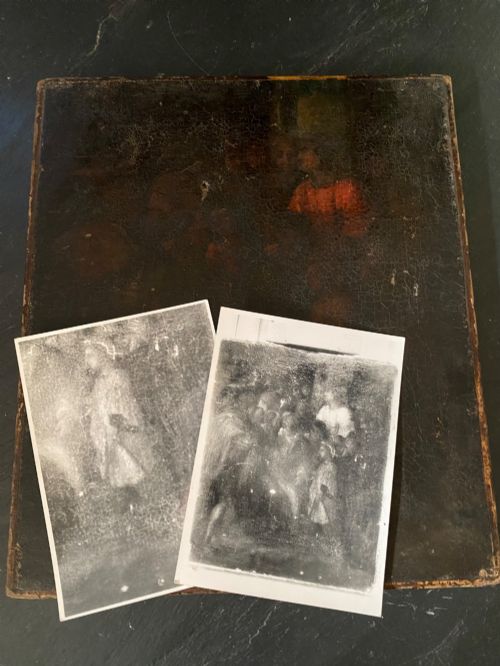
The integrity of the physical support, whether an original wood panel, a stable canvas, or a preserved metal plaque, shapes the longevity of the artwork.
Period frames that retain their original carved giltwood ornamentation contribute significantly to the overall cohesion of the object.
Pietro Fachetti·Gian Paolo Pace·Bernardino Luini·Miguel Barroso·Paolo Veronese·Benvenuto Tisi·Hans Holbein·Joachim Bueckelaer·Alfred Holst Tourrier·Scipione Pulzone·Giovanni Battista Moroni·Rosso Fiorentino·Cornelis Van Der Voort·Ambrious Benson·John Bettes the Elder·Pietro Perugino
The Renaissance Portrait Art Glossary
- Oil on Canvas
- Pigment mixed with drying oil applied to a woven fabric support stretched across a wooden frame. This medium dominated European portraiture for centuries.
- Giltwood
- Wood that has been coated with thin sheets of gold leaf or gold powder. It frequently adorns the heavy decorative frames housing these paintings.
- Renaissance Revival
- An artistic movement during the nineteenth century that consciously emulated the styles, techniques, and subjects of fifteenth and sixteenth-century Europe.
- Wall Charger
- A large decorative plate intended for display on a wall rather than for dining use. These are often made of copper, brass, or majolica pottery.
- Old Master
- A term for a European artist of high skill working before about eighteen hundred. Works in this group often follow their compositions.
Renaissance Portrait Art: Frequently Asked Questions
What is a renaissance portrait?
A renaissance portrait depicts real individuals, saints, or biblical figures in the distinct artistic style of the fifteenth and sixteenth centuries.
Many examples available today are later interpretations or revivals created during the nineteenth century by artists copying established masterworks.
Are these paintings from the sixteenth century?
While the category includes genuine sixteenth-century works, a substantial portion consists of later copies, nineteenth-century revivals, and twentieth-century studies.
Listings specify the exact period or century of creation to help buyers distinguish original sixteenth-century pieces from later tributes.
How should I hang a framed oil painting?
These works require sturdy wall fixings due to the weight of traditional wood and giltwood frames.
Keep paintings away from direct sunlight and dramatic temperature fluctuations to protect the oil paint and canvas over time.
What subjects are common in these artworks?
Portraits of noblemen, noblewomen, and Venetian citizens appear alongside religious compositions featuring the Madonna and Child.
Many pieces specifically recreate famous Renaissance compositions originally housed in major European galleries and museums.