



Renaissance Oak Panels
Renaissance oak panels bring sixteenth- and seventeenth-century architectural depth and figural carving directly into domestic interiors.
Renaissance Oak Panels
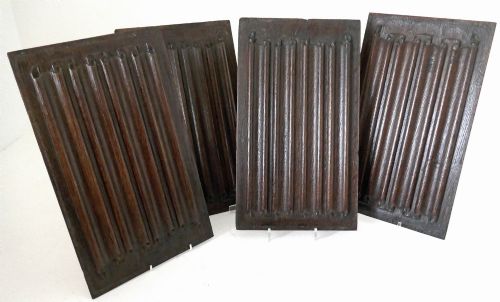
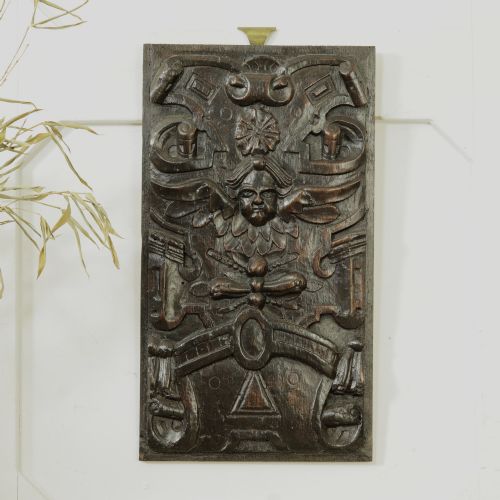
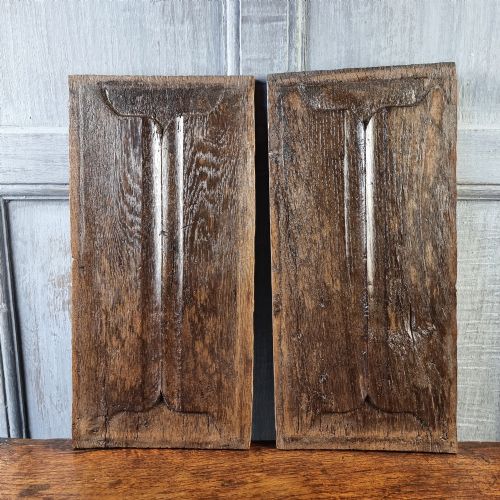
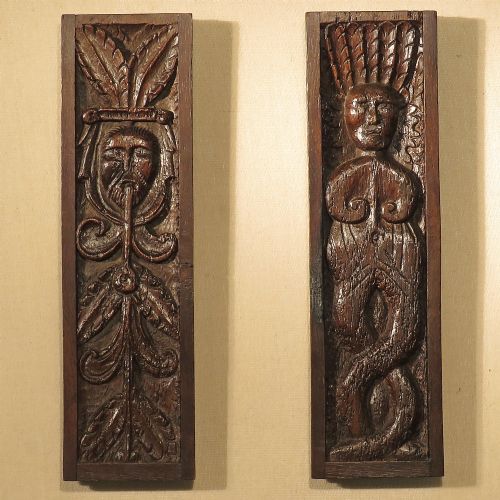
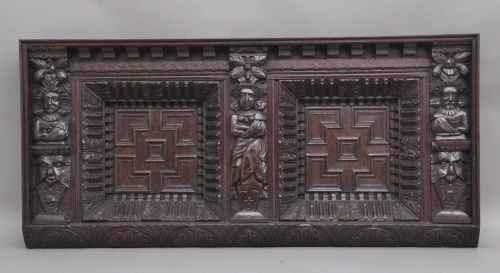
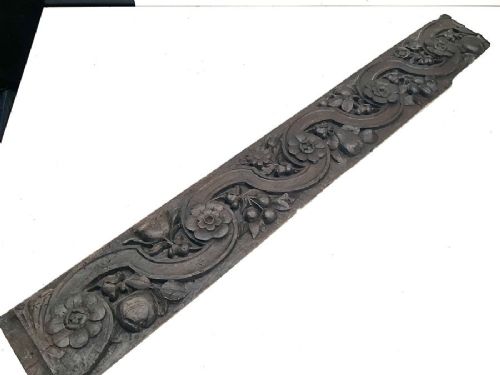
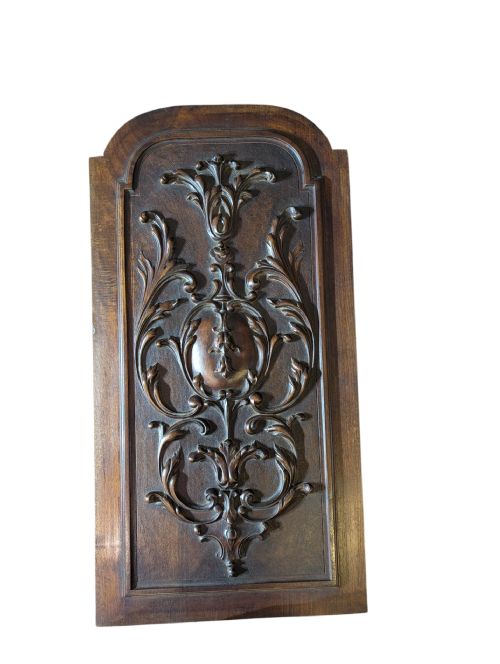
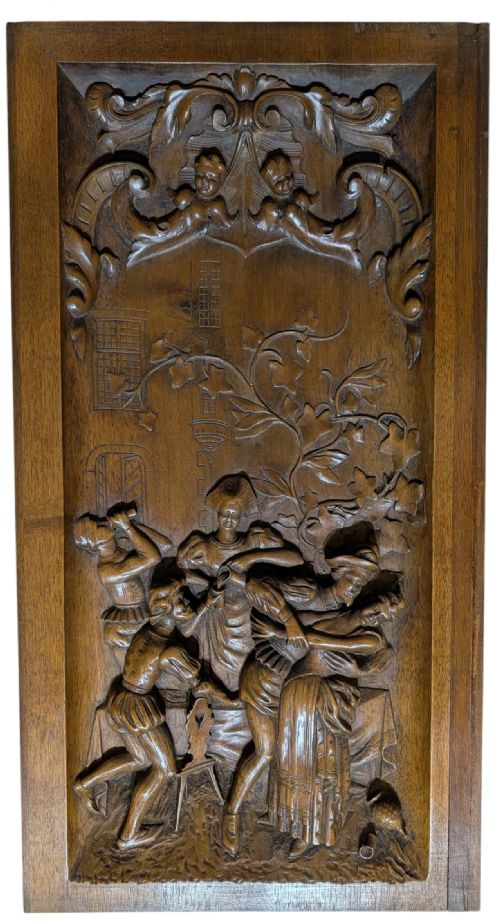
Renaissance oak panels represent architectural salvage and decorative wall elements originating primarily from the sixteenth and seventeenth centuries. Buyers seeking these pieces encounter flat wall panels, high-relief carvings, linenfold designs, and figural reliefs depicting biblical or mythological scenes. Many examples originate from larger schemes such as coffer fronts, overmantles, and door pediments.
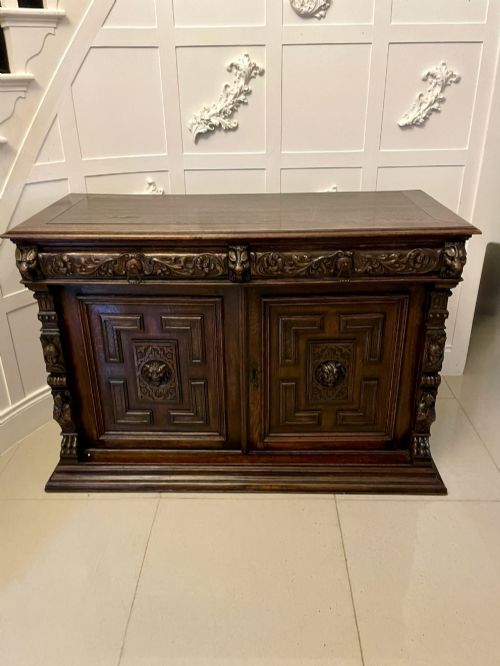
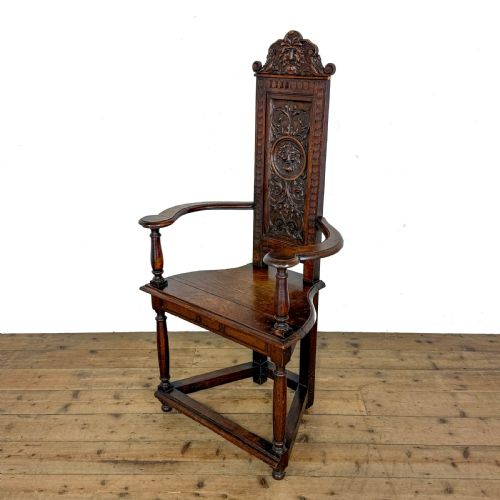
The selection on this page bridges authentic period fragments from the sixteenth and seventeenth centuries with later revival iterations produced during the nineteenth century. Alongside flat wall panels, the inventory includes related forms like carved oak chests, armchairs, and architectural fragments incorporating similar timber and relief work. English and Continental workshops both contribute to the surviving stock.
Materials and Construction
Craftsmen utilised solid oak and occasionally walnut, selecting timber for its dense grain and durability in architectural settings. Boards were hand-carved using gouges and chisels to achieve varying depths of relief, from shallow linenfold patterns to deep figural sculptures depicting green men, caryatids, and religious narratives. Iron or brass fixings and hinges occasionally appear on related pieces such as coffers and cabinets.
Surviving panels frequently show the marks of early joinery, including pegged mortise and tenon joints and hand-planed reverse surfaces. Subsequent centuries introduced revival interpretations that mirrored these traditional methods while incorporating secondary timbers, tooling leather, or glass elements in related furniture forms.
Assessing Quality and Execution
Material selection and historical integrity further define the upper tier of the range. Original sixteenth- and seventeenth-century surfaces possessing deep patination command greater interest than heavily restored examples or later nineteenth-century revival pieces, though craftsmanship remains high across both periods.
The Renaissance Oak Panels Glossary
- Linenfold
- A style of relief carving imitating folded linen or parchment, frequently seen on sixteenth-century panels. This geometric motif provides texture and rhythmic repetition across wooden surfaces.
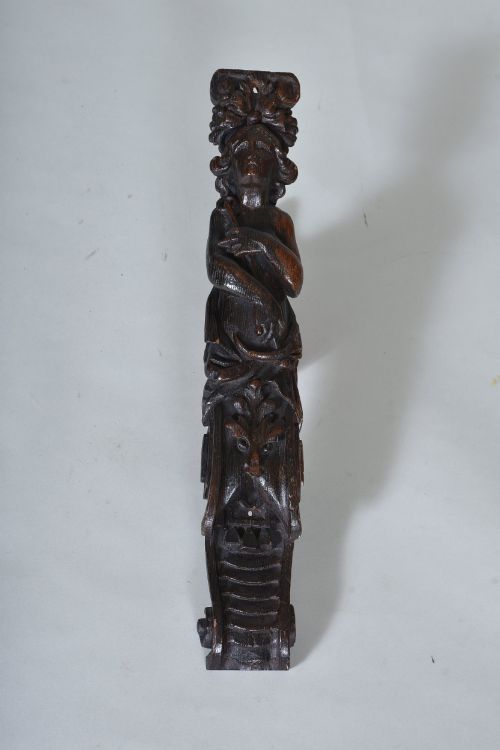
- Caryatid
- A sculpted female figure serving as an architectural support in place of a column or pilaster. These sculptural elements appear frequently on Renaissance mantelpieces and carved furniture.
- Overmantle
- A decorative framework or panel placed directly above a fireplace opening. Surviving examples often incorporate intricate oak carvings or mirrors from the sixteenth century onwards.
- Coffer
- A heavy wooden chest with a lid, traditionally used for storage and valuables. Early examples frequently feature carved fronts matching contemporary wall panel designs.
- Caquetoire
- A light, high-backed armchair with a narrow seat, originating in sixteenth-century France. These chairs allowed ladies wearing wide farthingales to converse comfortably.
- Green Man
- A sculptural ornament depicting a human face surrounded by or entwined with foliage and vines. This motif bridges medieval folklore and Renaissance architectural decoration.
Renaissance Oak Panels: Frequently Asked Questions
How are Renaissance oak panels mounted on walls?
Original panels often formed part of integrated wall panelling or wainscoting schemes, secured within wooden framing. Modern display typically involves discrete battens or custom metal brackets fixed to the reverse.
Heavier high-relief panels require load-bearing fixings screwed directly into solid wall studs or masonry anchors. Professional installation ensures the timber remains stable without warping under tension.
Can these panels be used in modern kitchens or bathrooms?
Placing ancient oak panels in high-moisture environments risks damaging the dry historical timber. Fluctuating humidity causes wood to expand and contract, leading to splits in the original carved surface.
Dry living rooms, libraries, or hallways provide stable conditions that preserve the wood and any historic wax finish. Wall placement should avoid direct sunlight and heating vents to prevent warping.
How do I distinguish sixteenth-century panels from nineteenth-century revivals?
Sixteenth-century panels display tool marks consistent with early hand-cleaving and primitive chisels, alongside deep patination accumulated over centuries. The grain shows natural oxidation and wear patterns distinct from later machining.
Nineteenth-century revival pieces often exhibit cleaner cut lines on the reverse and standardised dimensions. Stylistic blending sometimes reveals the later maker's hand, combining Tudor motifs with Victorian construction techniques.
What is the difference between wall panels and coffer fronts?
Wall panels were designed as flat or relief-carved elements intended for vertical architectural display within a room. Their edges usually feature tongue-and-groove profiles for fitting into framing.
Coffer fronts formed the structural face of storage chests and frequently incorporated heavier framing elements. These pieces often display keyholes or hinge mounts absent from standard wall decorations.
How should I clean and maintain antique oak panels?
Routine maintenance requires only gentle dusting with a soft, dry cloth to prevent particulate accumulation in deep carvings. Avoid using modern liquid polishes, silicone sprays, or damp cloths on aged timber.
Applying microcrystalline wax sparingly once a year helps nourish dry oak and protects the surface. Professional conservators should handle any structural stabilization or deep cleaning.