


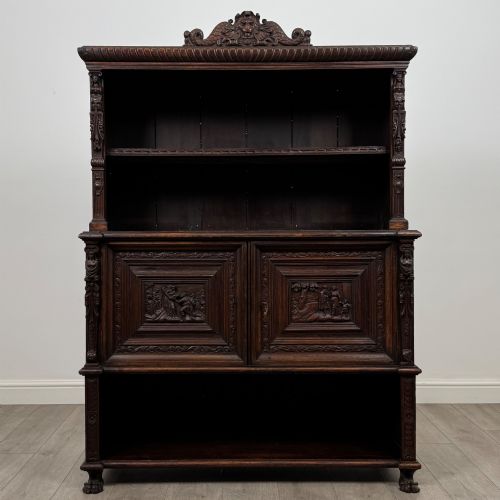
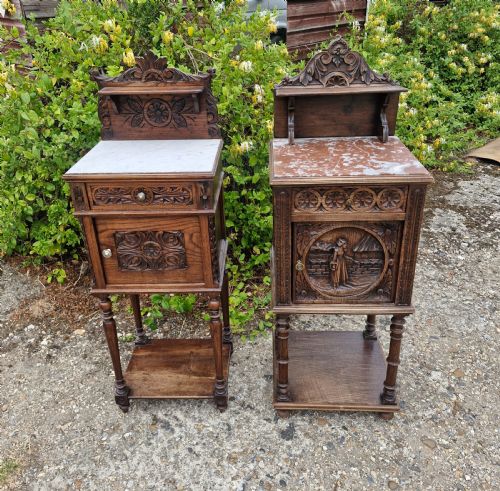
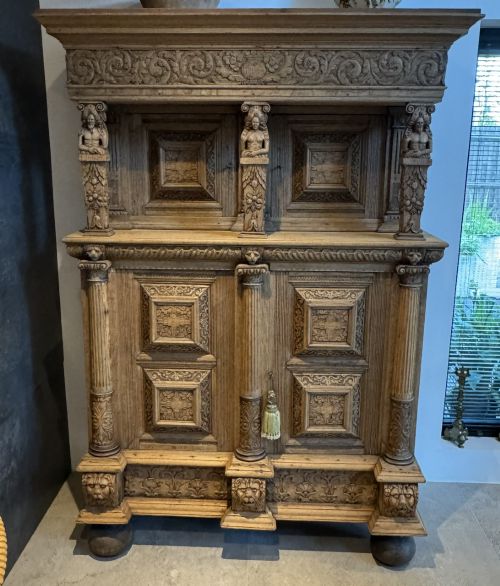


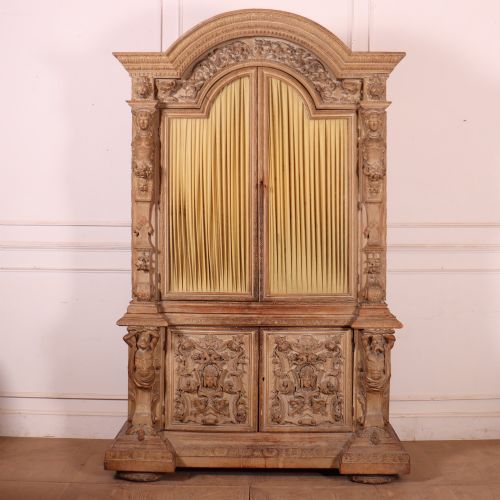
Renaissance Oak Cupboard
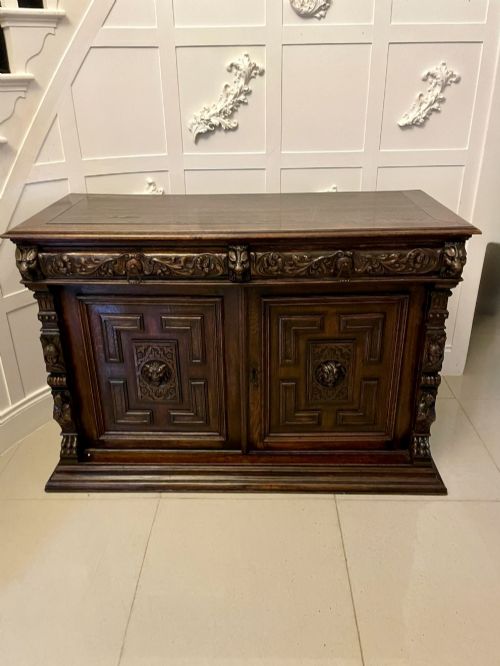
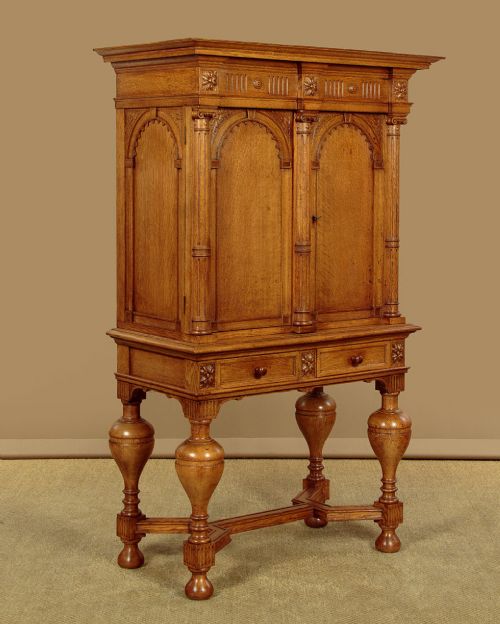
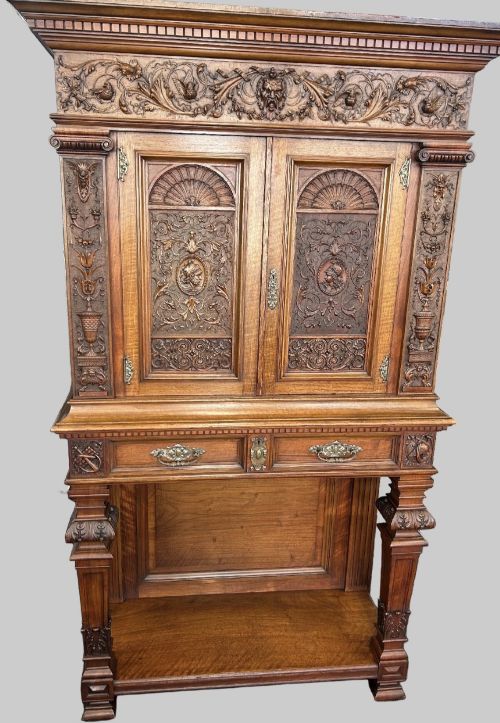
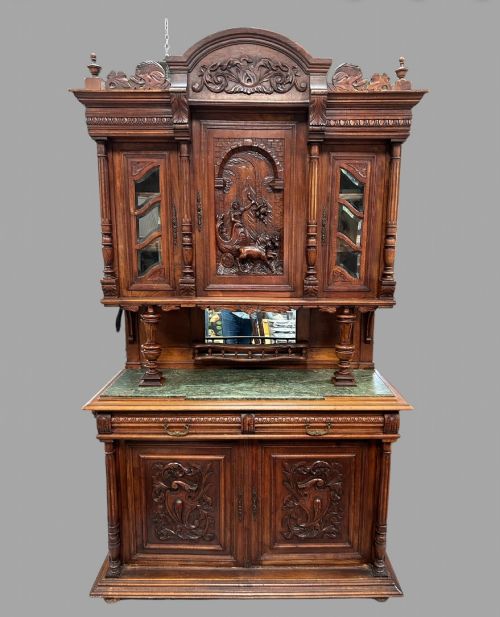
These pieces known as a renaissance oak cupboard bring substantial carved presence into a room, offering deep storage through heavy timber forms.
Renaissance Oak Cupboard
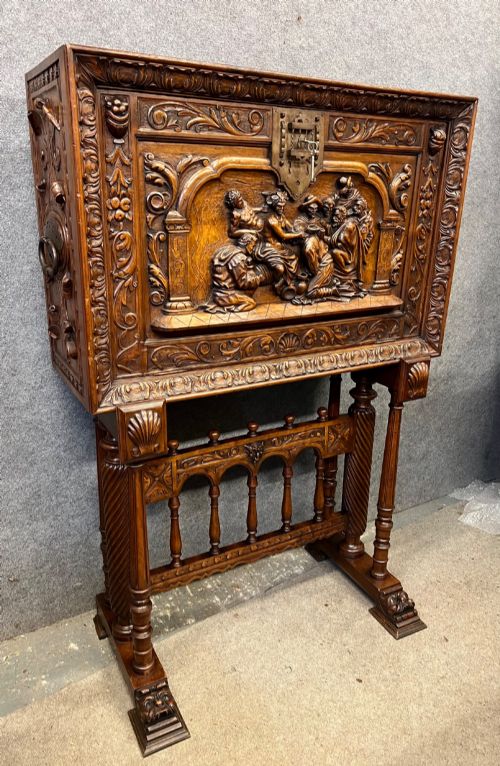
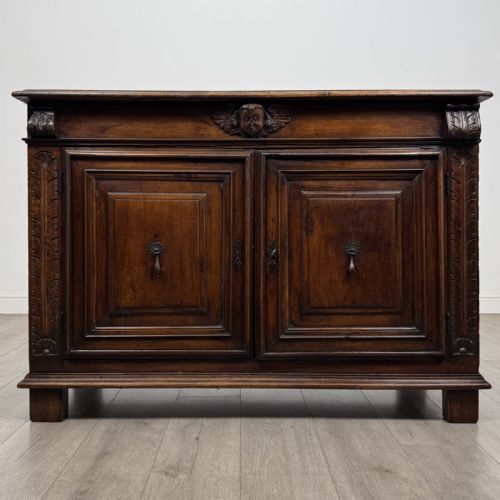
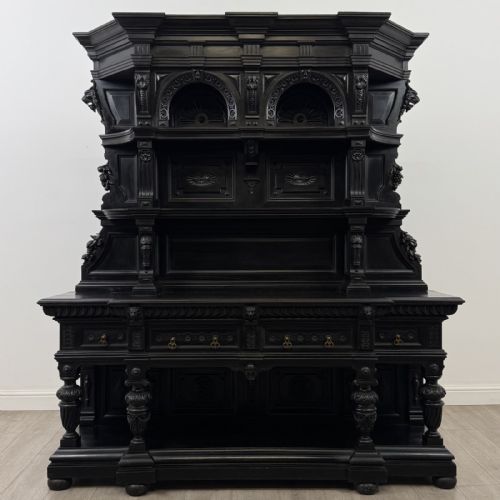
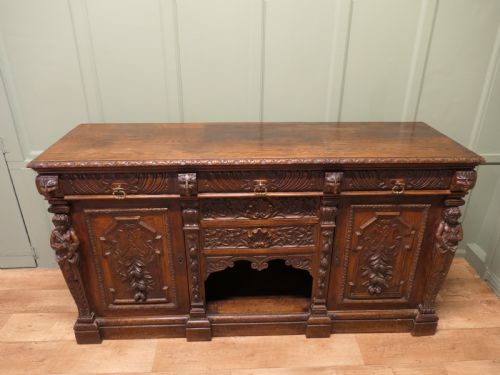
When searching for a renaissance oak cupboard, buyers encounter heavy timber storage forms spanning seventeenth-century origins down to nineteenth-century revival interpretations. The selection leans heavily toward nineteenth-century revival pieces, alongside sideboards, buffets, and cabinets on stand carrying deep historic motifs.
Makers and workshops across Britain and the Continent produced these large storage items using substantial timber boards and prominent architectural cornices. Pieces frequently incorporate enclosed lower cupboards, upper display sections, or open plate shelves designed for prominent dining rooms and halls.
What varies in quality
Quality separates along the depth, crispness, and architectural integration of the hand carving rather than the mere presence of ornamentation. Superior examples display high-relief figures and lion masks integrated seamlessly into the structural joinery rather than applied surface decoration.
The selection of timber grain and the integrity of the original construction dictate the upper tier of these pieces. Heavier proportions, balanced panel symmetry, and well-maintained original surface patination distinguish the finest cabinetwork from standard revival output.
Renaissance Oak Cupboard Retail Price Guide 2026
Typical asking prices for renaissance oak cupboard among the pieces listed under this phrase on Sellingantiques today, from the lower quarter to the upper quarter. They describe what is for sale here now, not the wider market.
Several cupboards watch over the room through watchful green man carvings peering directly from the oak panels.
Gillows
The Renaissance Oak Cupboard Glossary
- Renaissance Revival
- A nineteenth-century design movement that reinterpreted sixteenth and seventeenth-century classical motifs, geometric panelling, and heavy architectural forms. This style dominates the current selection of carved cupboards and sideboards.
- Green Man
- A sculptural architectural motif depicting a human face emerging from or entwined with foliage and vines. It appears frequently as a central carving on nineteenth-century oak furniture.
- Buffet
- A large sideboard or storage piece designed for serving food and displaying dining ware in formal rooms. These often feature combination arrangements of lower cupboards and upper tiers.
- Cabinet on Stand
- A raised storage box supported on an open frame or decorative legs rather than sitting directly on a plinth. This elevated format provides lighter visual weight beneath heavy upper compartments.
- Marquetry
- The art and craft of applying decorative pieces of veneer to a structure to form intricate patterns. This technique appears on selected nineteenth-century revival pieces alongside deep relief carving.
Renaissance Oak Cupboard: Frequently Asked Questions
How do I identify a revival piece?
Revival items usually date from the nineteenth century and combine sixteenth-century motifs with later construction methods and timber preparation techniques.
Examine the interior lining boards, screw types, and carcass assembly to determine whether the piece originates from the seventeenth century or later revival periods.
Where should I place a large sideboard?
These substantial items require strong structural floor support and generous wall space due to their heavy timber proportions and projecting cornices.
Dining rooms, wide hallways, and large reception spaces suit the scale of these deep cupboards and buffets best.
How do I care for antique oak?
Maintain the timber by applying traditional wax polish sparingly and avoiding direct placement near modern central heating sources.
Keep the surface clean with a soft dry cloth to preserve the natural patination built up over generations of use.
What is the difference between a buffet and a sideboard?
Buffets traditionally served lower storage and serving functions with tiered shelving, whereas sideboards evolved into larger architectural units with extensive enclosed cabinets.
Both forms utilise heavy oak construction and prominent carved decoration within the revival categories.