




Religious Glass Art
Religious glass art brings together centuries of devotion and craftsmanship, offering intimate devotional icons and reverse paintings that anchor a room with quiet contemplation.
Religious Glass Art
Religious glass art encompasses diverse devotional objects produced across the seventeenth, eighteenth, nineteenth and early twentieth centuries. These pieces manifest primarily as reverse glass paintings, intricate pendants, framed shadow boxes and painted windows.
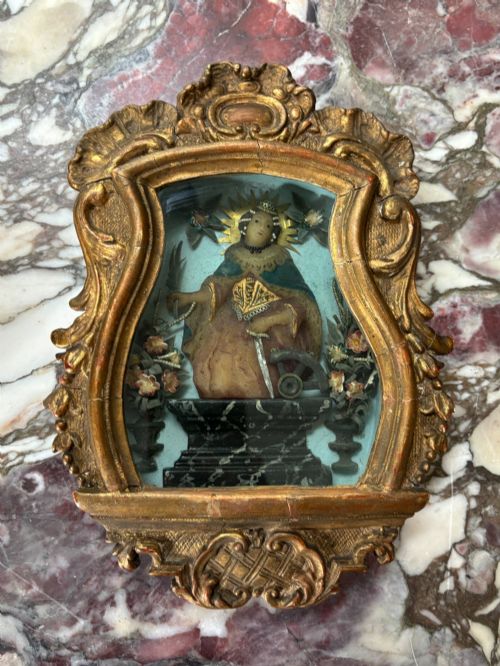
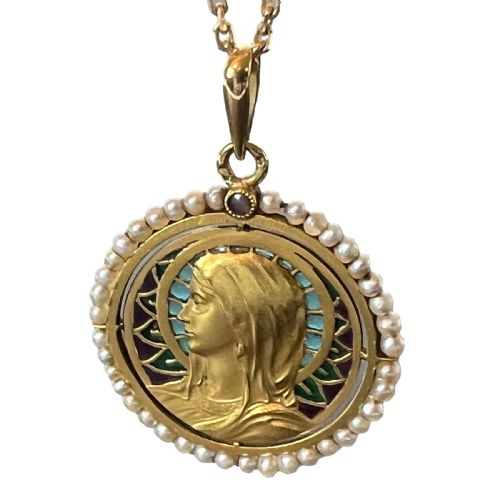
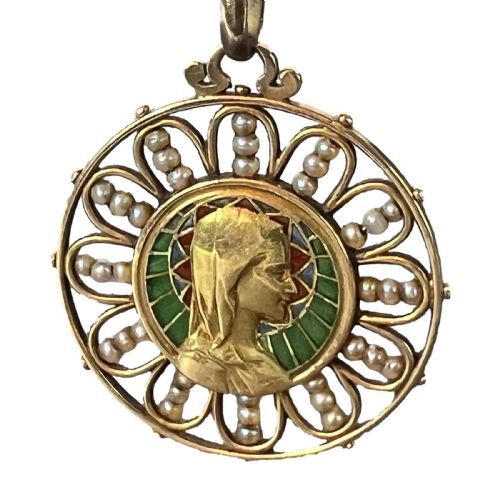
The objects frequently depict sacred figures and biblical narratives, including the Virgin Mary, Saint Catherine, Saint Peter and the Christ Child. Examples range from vernacular folk art pieces originating in Central Europe to refined French pendant medals utilising plique-a-jour enamel.
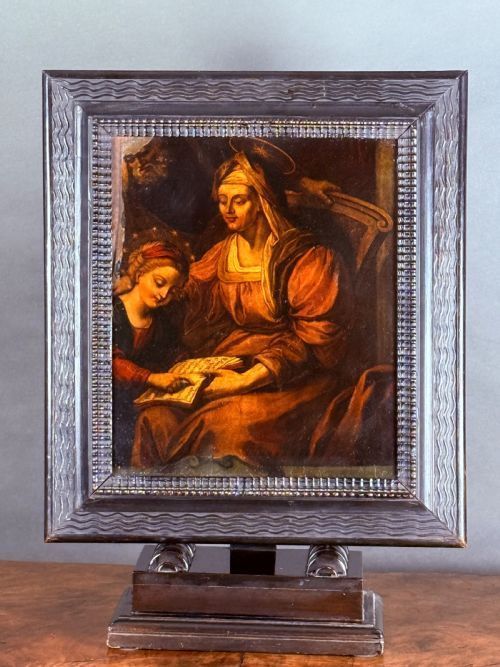
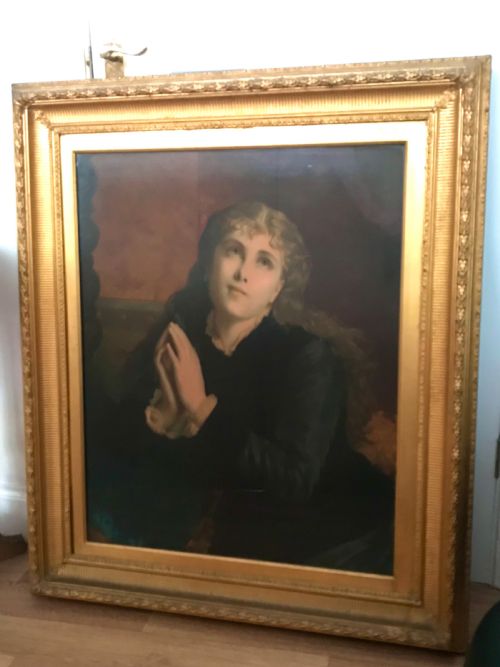
Buyers most commonly encounter eighteenth-century reverse glass mezzotints and nineteenth-century devotional wall art framed in wood or giltwood. These works combine fragile glass surfaces with paper, pigment, wax, canvas and metal to create lasting expressions of faith.
Assessing quality and execution
Quality in religious glass art depends on the precision of the execution, the complexity of the medium and the preservation of the delicate surfaces. Superior reverse glass paintings demonstrate meticulous brushwork and stable pigment adhesion without flaking or chemical degradation.
The refinement of the surrounding materials elevates the piece, such as the intricacy of plique-a-jour metalwork or the craftsmanship of period giltwood and oak frames. Pieces that retain their original components, uncompromised by later restorations, represent the finest examples of the genre.
Religious Glass Art Retail Price Guide 2026
Typical asking prices for religious glass art among the pieces listed under this phrase on Sellingantiques today, from the lower quarter to the upper quarter. They describe what is for sale here now, not the wider market.
Listings for religious glass art span the seventeenth to the early twentieth centuries, featuring materials from giltwood and glass to wax and plique-a-jour enamel.
Fletcher after Sebastiaan Vrancx
The Religious Glass Art Glossary
- Reverse glass painting
- A technique where an artist paints or transfers an image onto the back of a glass pane so the finished work is viewed through the front. This method protects the pigment from dust and environmental wear while lending a distinct gloss to the surface.
- Plique-a-jour
- An enamelling technique resembling miniature stained glass where transparent enamel is fired unsupported within a gold or metal wire grid. The resulting cell allows light to pass directly through the coloured design.
- Devotional shadow box
- A deep, glazed frame designed to enclose three-dimensional religious scenes constructed from materials such as wax, paper and glass figures. These enclosures protected delicate interior elements from damage.
- Mezzotint
- A printmaking process of the intaglio family where the copper plate is roughened to produce rich tonal gradations. When combined with glass, these prints create velvety shadows behind the transparent layer.
Religious Glass Art: Frequently Asked Questions
What is reverse glass painting?
Reverse glass painting involves applying pigment or a transferred print to the rear surface of a glass pane. The viewer looks through the clear glass to observe the finished composition, which gives the colours a distinct sheen.
This method preserved devotional imagery across the eighteenth and nineteenth centuries, shielding the delicate pigments beneath from airborne soot and moisture.
How were devotional shadow boxes used?
Devotional shadow boxes served as portable or domestic altars where families focused their daily prayers and contemplation. The deep frames protected fragile three-dimensional figures made of wax, glass or paper.
Placed on walls or tables, these boxes brought sacred narratives into domestic spaces during the seventeenth and eighteenth centuries.
What is plique-a-jour enamel?
Plique-a-jour is an intricate glasswork method where enamel is applied inside open-backed gold cells without a solid backing plate. When held to the light, the coloured glass glows much like miniature cathedral windows.
This technique appeared on wearable devotional pieces such as early twentieth-century pendant medals depicting the Virgin Mary.
How do I date a religious glass piece?
Dating relies on examining the framing materials, the style of the mounting hardware, and the technical execution of the glass or print. Eighteenth-century examples often feature heavy giltwood frames and mezzotint techniques, while later Victorian and Edwardian pieces utilise oak or gold mounts.
Comparing the pigment types and substrate materials against documented folk art traditions helps narrow the period of origin.