




Religious Embroidery Art
Religious embroidery art brings centuries of devotion to your wall, offering devotional needlework and historic tapestries crafted from silk and metallic thread.
Religious Embroidery Art
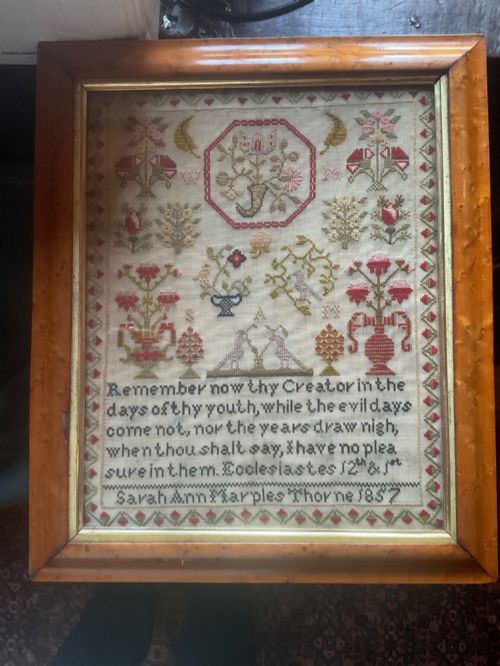
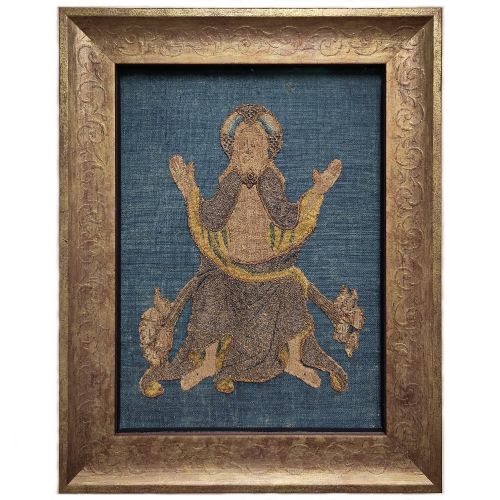
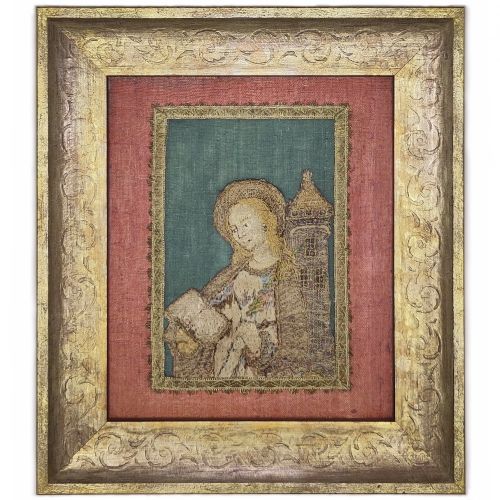
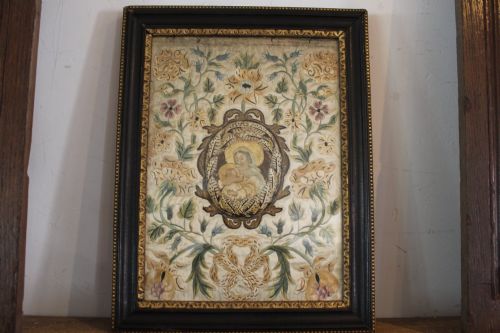
When you search for religious embroidery art, you encounter centuries of devotional craftsmanship ranging from pre-16th century panels to Georgian and Victorian pieces. These works include textile wall art, framed textile art, and detailed needlepoint pictures depicting sacred figures.
You are most likely to meet framed textiles and panels created in styles spanning medieval gothic, gothic revival, and stuart seventeenth century aesthetics. Materials frequently encountered include silk, linen, wool, and gold thread housed within wooden and glass frames.
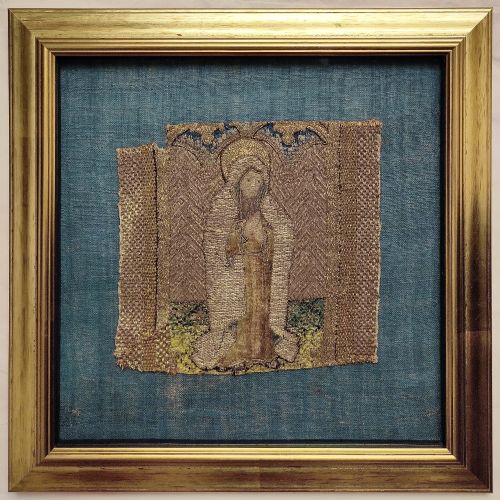
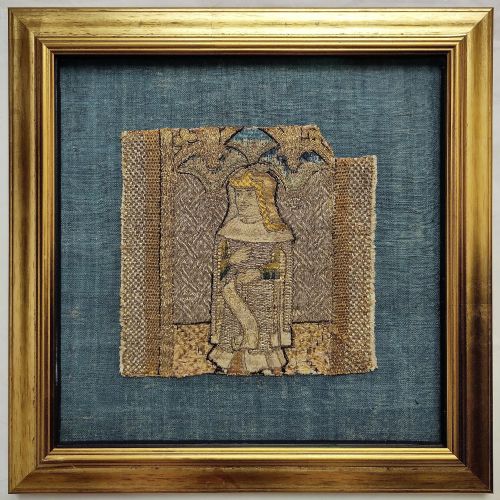
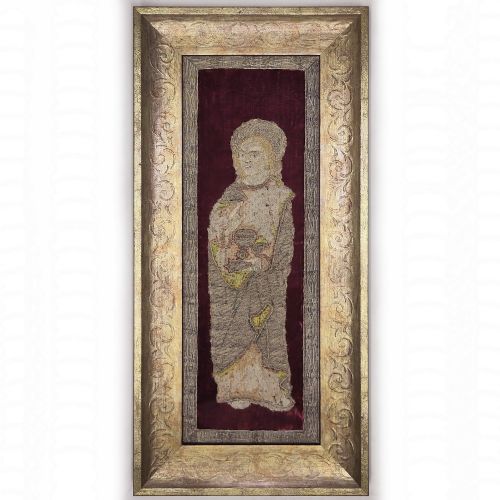
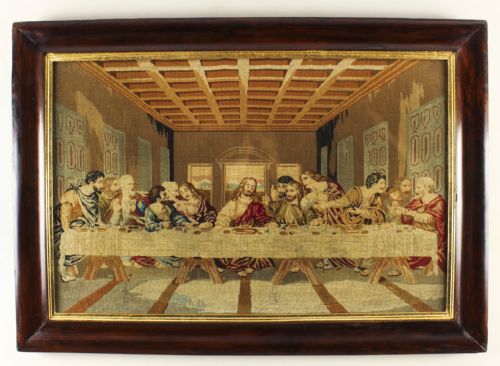
The objects take forms such as orphrey panels, opus anglicanum fragments, and needlework pictures showing subjects like St Peter and the Last Supper. Each piece represents a tangible fragment of ecclesiastical history and domestic devotion preserved across generations.
Materials and construction
These works rely heavily on natural fibres such as silk, linen, and wool, which form the foundational canvas and stitching grounds for the needlework. Artisans built up complex pictorial surfaces using fine stitches alongside metallic thread and gold leaf.
Textiles are typically mounted within wooden and glass frames to protect fragile threads from atmospheric damage and handling. The stitching techniques combine laidwork, surface embroidery, and tapestry weaving to achieve rich textural depth.
Religious Embroidery Art Retail Price Guide 2026
Typical asking prices for religious embroidery art among the pieces listed under this phrase on Sellingantiques today, from the lower quarter to the upper quarter. They describe what is for sale here now, not the wider market.
Listings feature periods spanning pre-16th century, 16th, 17th, 18th, and 19th centuries, alongside Georgian and Victorian eras.
Assessing quality and condition
Quality rests upon the intricacy of the needlework and the preservation of delicate materials like silk and gold thread. Early fragments display sophisticated needle painting and metalwork that require exceptional skill.
The integrity of the ground fabric and the clarity of the remaining figurative elements determine the distinction between ordinary and superior examples. Framing quality and structural stability also influence how effectively the textile survives over centuries.
The Religious Embroidery Art Glossary
- Orphrey
- An embroidered band or panel ornamenting ecclesiastical vestments. These decorative strips were often detached and framed as standalone textile art.
- Needlepoint
- A type of canvas work embroidery stitched with a yarn or thread through a stiff open weave canvas. It creates a dense, durable pictorial surface.
- Tapestry
- A form of textile art woven by hand on a loom rather than embroidered with a needle. Traditional pieces often depict narrative religious scenes.
- Metallic Thread
- A specialised thread incorporating thin strips of gold or silver wrapped around a core fibre. It adds reflective brilliance to historic ecclesiastical embroidery.
Religious Embroidery Art: Frequently Asked Questions
What is religious embroidery art?
Religious embroidery art comprises historic textile pieces, panels, and framed needlework created for devotion or ecclesiastical use. These works date from the pre-16th century through to the Victorian era.
They utilise materials such as silk, wool, and gold thread to depict sacred figures, biblical scenes, and religious iconography.
How were these textiles used?
Many pieces originated as decorative elements on church vestments, altar frontals, or wall hangings before being mounted for display. Orphrey panels and opus anglicanum fragments served to instruct and inspire the faithful.
Over subsequent centuries, owners framed these surviving remnants to preserve them as domestic wall art and devotional keepsakes.
How do I date religious embroidery?
Dating relies upon analysing the stitching techniques, materials, and stylistic characteristics such as medieval gothic or Stuart aesthetics. Supporting elements like original wooden and glass framing can also offer chronological clues.
Comparative analysis with known ecclesiastical textiles helps place pieces into broad periods from the pre-16th century onwards.
How do I care for antique textiles?
Antique textiles require protection from direct sunlight, high humidity, and fluctuating temperatures to prevent fibre degradation and fading. Professional framing using archival materials helps shield fragile silk and metallic threads from dust and handling.
Keeping pieces in stable indoor environments ensures the longevity of delicate needlework and historic fabrics.