

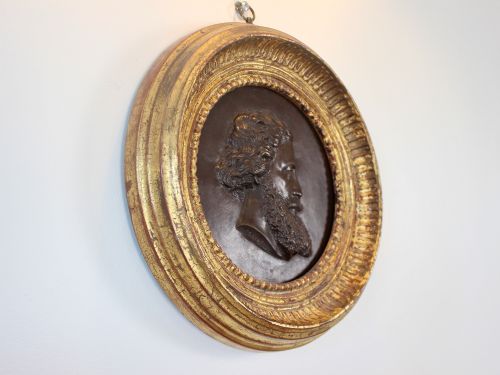


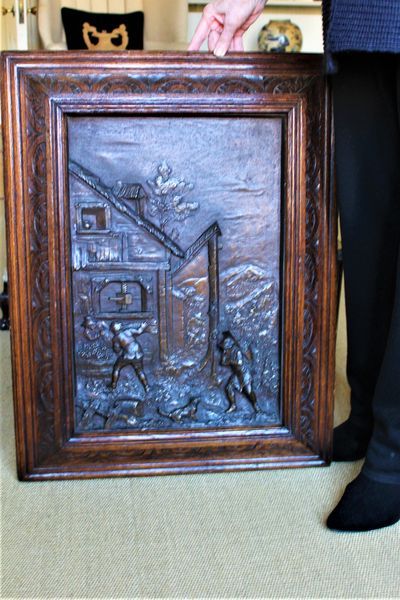


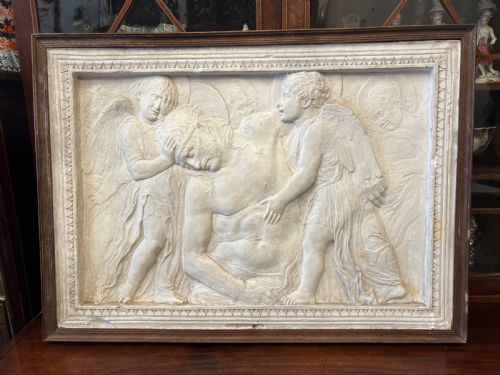
Relief Sculpture in Frame
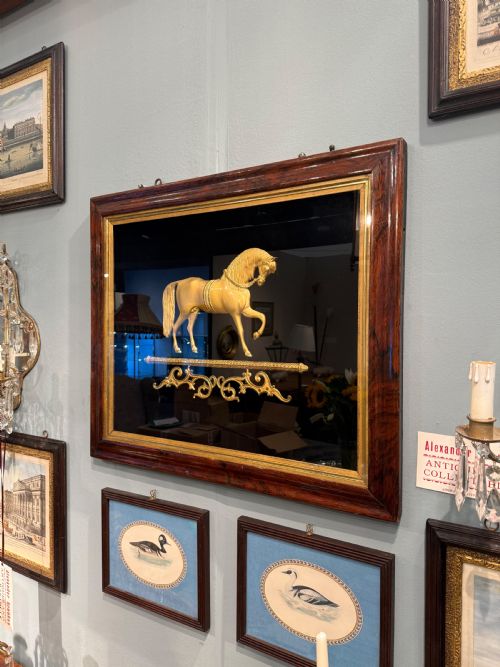
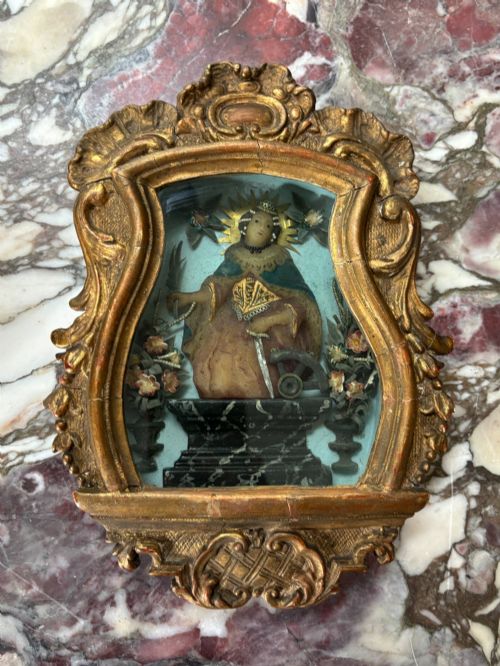
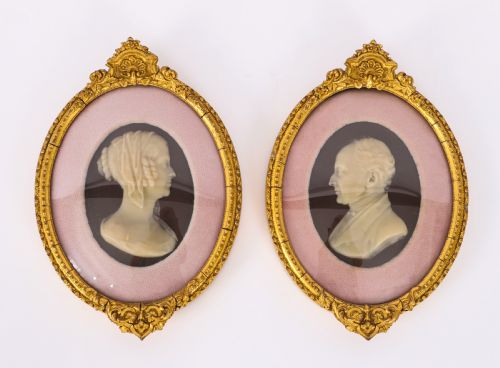
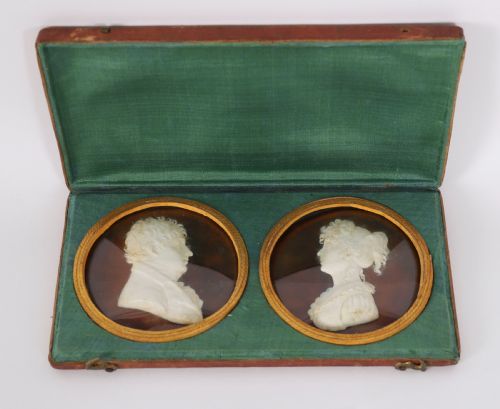
These framed relief sculpture works capture three-dimensional figures within wood and glass settings, bringing classical subjects and portraits directly to interior walls.
Relief Sculpture in Frame
A relief sculpture in frame brings sculptural depth to wall display, combining cast or carved subjects with protective wooden or gilt housings. Buyers encounter wall plaques, devotional icons, and portrait miniatures spanning from the eighteenth century into the twentieth century.
The selection ranges from Grand Tour wax portraits and devotional icons to bronze plaques and marble profiles. European workshops produced many of these pieces under Neoclassical, Renaissance Revival, and Baroque Revival influences.
Subjects include mythological figures, classical muses, religious scenes, and portraits of individuals. These works function as focal points in traditional rooms, offering the texture of sculpture combined with the hanging convenience of paintings.
Materials and construction methods
Materials span cast metals like bronze, brass, and white metal alongside carved organic media such as wood, marble, and wax. Plaster and bronzed copper also appear, often finished with gilding or mounted against velvet backings.
Makers set these dimensional reliefs inside protective enclosures, utilising rosewood, giltwood, and walnut frames fitted with glass. The interplay between the metallic or carved central subject and the framing material defines the finished appearance.
Relief Sculpture in Frame Retail Price Guide 2026
Typical asking prices for relief sculpture in frame among the pieces listed under this phrase on Sellingantiques today, from the lower quarter to the upper quarter. They describe what is for sale here now, not the wider market.
Periods represented on this page span from eighteenth-century engravings to mid-twentieth-century jigsaw woodwork relief paintings.
Assessing craftsmanship and condition
The relationship between the relief and its frame matters significantly. Original housing that complements the period and scale of the central plaque elevates the integrity of the piece.
MAINFROY·Gian Federigo Bonzagna·James Basire·Donatello
The Relief Sculpture in Frame Glossary
- Relief sculpture
- A sculptural technique where figures project from a flat background. The degree of projection determines whether the work is low relief or high relief.
- Devotional icon
- A religious image created for prayer and contemplation. These pieces often incorporate delicate materials like wax or painted wood within protective frames.
- Grand Tour
- A cultural journey undertaken by wealthy young Europeans in the eighteenth and nineteenth centuries. Souvenirs from these trips frequently included small portrait reliefs and classical plaques.
- Giltwood
- Wood that has been coated with gold leaf or gold paint. This finish appears frequently on frames housing eighteenth and nineteenth century plaques.
- Putto
- A figure of a small chubby male child, often winged, derived from classical art. Muses and mythological scenes on these plaques regularly include putti.
Relief Sculpture in Frame: Frequently Asked Questions
How do I hang a heavy framed bronze relief?
Heavy bronze and marble pieces require secure wall anchors and picture wire rated for substantial weight. Ensure the fixing engages directly with wall studs or solid masonry.
Check that the internal mounting of the relief within the frame remains stable before hanging the piece at eye level.
Are wax relief portraits fragile?
Wax subjects demand careful environmental placement away from direct sunlight and heat sources. Elevated temperatures cause softening and distortion in historic wax figures.
Keeping the glass cover intact protects the delicate surface from dust and accidental touch.
What periods do these framed sculptures cover?
The available pieces primarily date from the eighteenth and nineteenth centuries, with occasional examples extending into the twentieth century. Styles range from strict Neoclassical to ornate Baroque Revival.
Production methods and framing materials help indicate the specific era of manufacture.
How do I clean the glass on framed plaques?
Apply standard glass cleaner to a cloth rather than spraying the surface directly. This prevents liquid from seeping beneath the glass edge and damaging vulnerable wax or plaster within.
Wipe the wooden or gilt frame gently with a dry cloth to remove dust.