
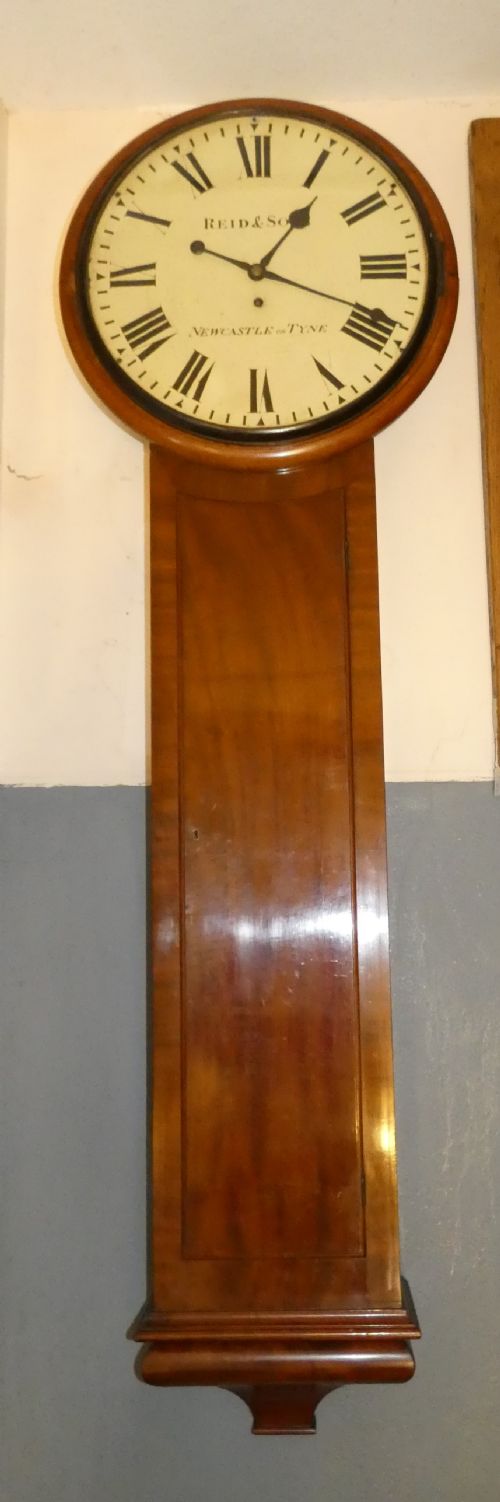


Regulator Grandfather Clock
A regulator grandfather clock unites high-precision timekeeping with commanding architectural cabinetry.
Regulator Grandfather Clock
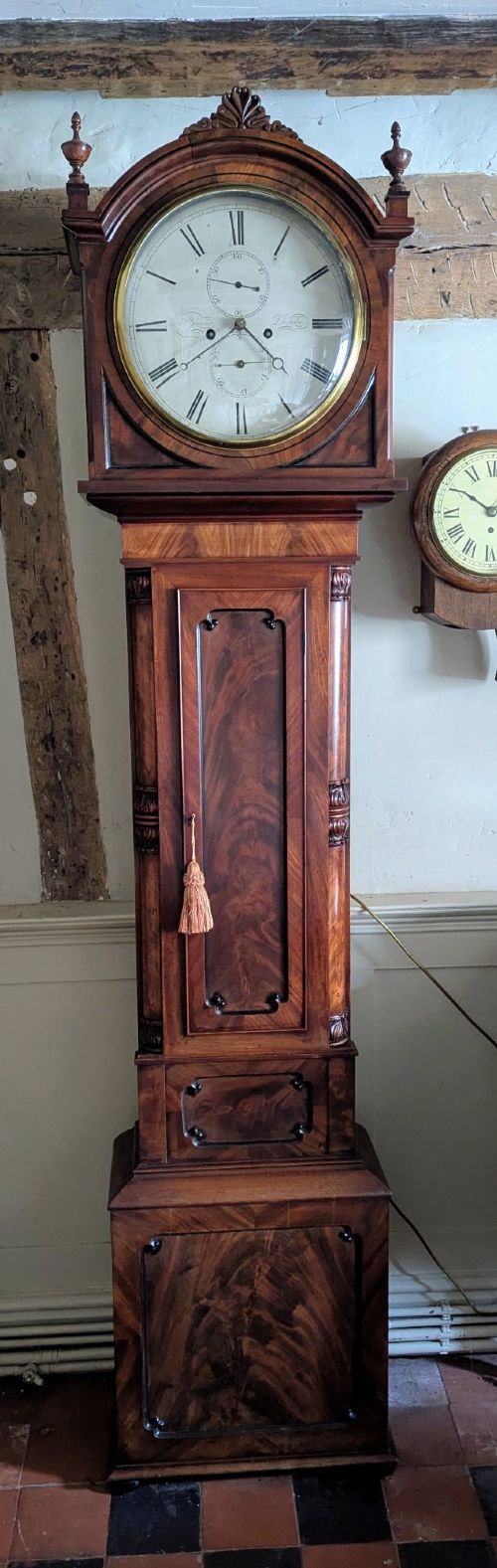
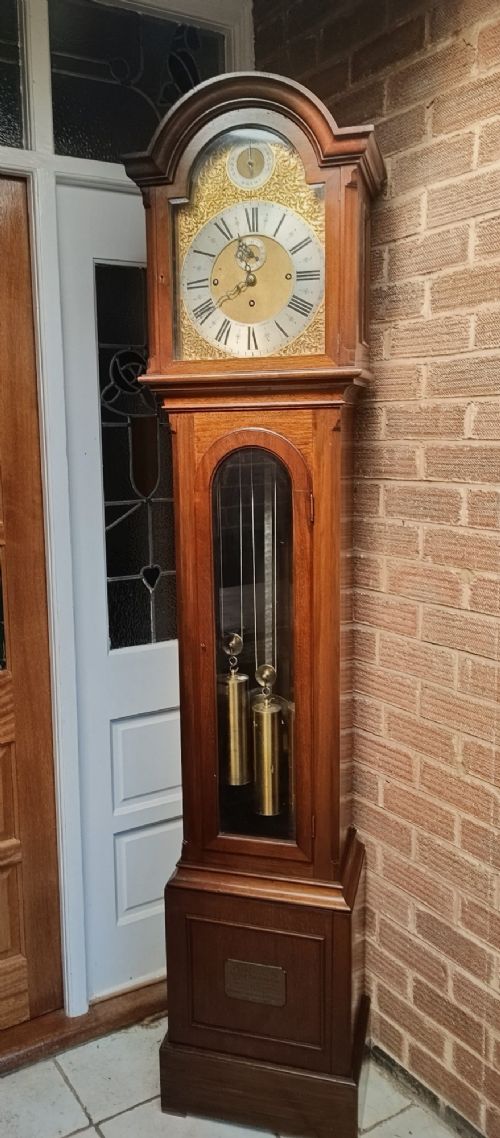
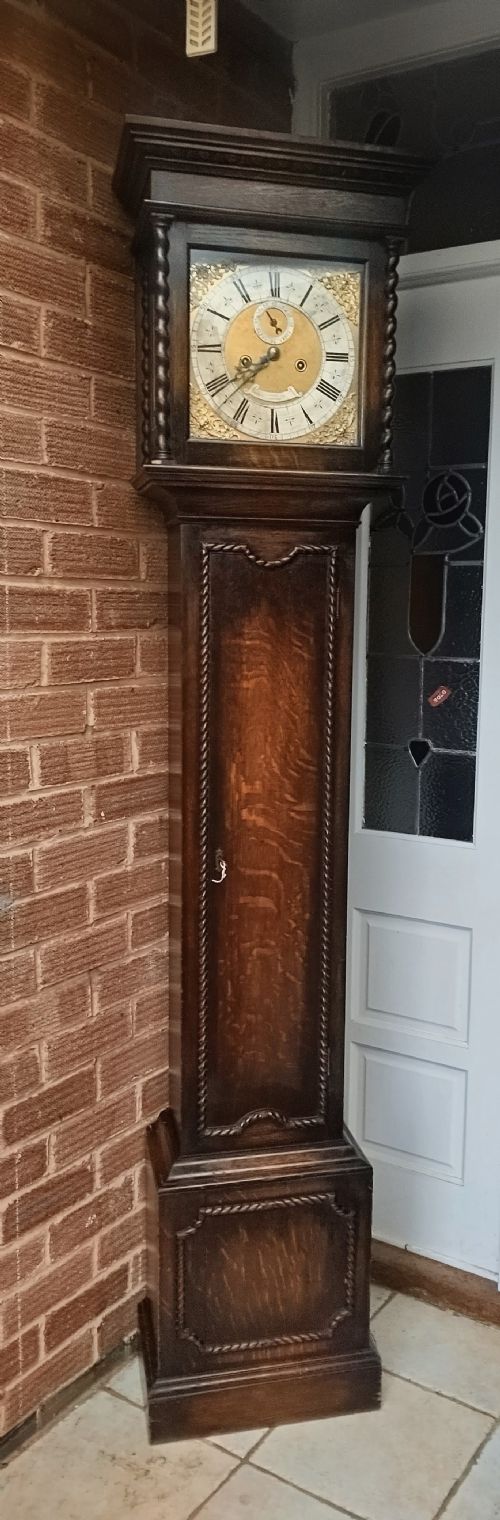
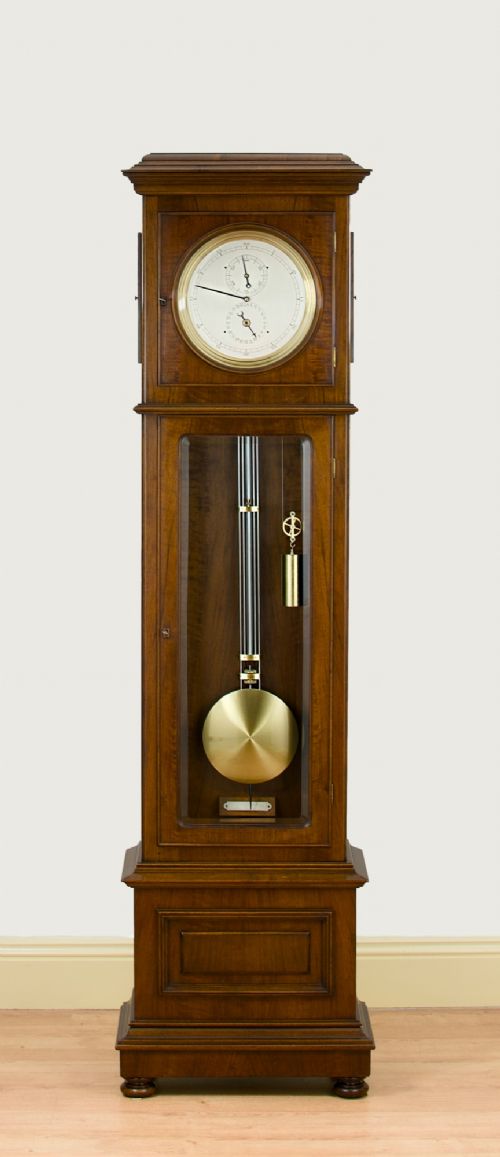
A regulator grandfather clock combines the precision movement of an observatory timekeeper with the grand proportions of a traditional longcase. These tall floor-standing timepieces appear most frequently in 19th-century mahogany and oak, reflecting periods from the Georgian era through to Edwardian production.
Makers housed these sophisticated mechanisms in architectural cases featuring glazed trunk doors designed to protect the pendulum from air currents. The selection on this page ranges from modest domestic models to complex musical clocks equipped with multiple chimes.
What varies in quality
Quality rests primarily on the mechanical refinement of the movement and the architectural integrity of the housing. High-grade examples feature heavier brass plates, jewelled bearings, and sophisticated deadbeat escapements designed for absolute timekeeping accuracy.
Cabinetwork differentiates standard production from exceptional pieces through the choice of timber figurations, fine brass inlay, and crisp mouldings. Original components throughout the movement and case elevate the standing of any individual clock.
Listings feature 19th-century and Edwardian pieces constructed from mahogany, oak, and kingwood with silvered metal dials.
Gillett and Johnston·John and Miles Brockbank·William Chisholm Of Aberdeen·James Wood·Lenzkirch
The Regulator Grandfather Clock Glossary
- Deadbeat escapement
- A clock mechanism that prevents the recoil of the escape wheel during operation. This mechanical refinement ensures superior timekeeping precision in high-grade regulators.
- Maintaining power
- A device that keeps the clock running during the winding process by sustaining force on the gear train. It prevents any loss of time while the weights are being drawn up.
- Silvered metal
- A brass dial plate treated with a silver compound and engraved with numerals and graduations. This surface treatment provides high contrast for reading the time accurately.
- Astragal glazed door
- A glass-panelled door divided by wooden moulding bars that allows visual access to the pendulum. The woodwork matches the architectural style of the surrounding case.
Regulator Grandfather Clock: Frequently Asked Questions
How do I wind a regulator grandfather clock?
Winding requires using a specialised key to raise the weights or tension the springs via the arbors on the dial face. Care must be taken not to overwind the mechanism.
Most eight-day movements require weekly attention, while weight-driven models need adequate clearance for the descending weights inside the trunk.
Where should I place a longcase clock?
These tall timepieces require a stable, dry interior wall away from direct sunlight, heating vents, and heavy foot traffic. Floor vibrations can interfere with the delicate pendulum swing.
Securing the upper case to the wall using hidden brackets prevents accidental tipping and ensures the cabinet remains perfectly plumb.
What is the difference between a regulator and a standard clock?
Regulators were originally calibrated against master clocks to serve as time standards for observatories, railways, and public buildings. They prioritize extreme accuracy over casual domestic convenience.
Mechanically, they incorporate specialised escapements and heavy pendulums designed to minimise friction and environmental interference.
How can I date a mahogany regulator clock?
Dating relies on examining cabinet construction details, dial materials, and the signature of the maker inscribed on the movement plate. Georgian and Regency pieces show different proportions compared to later Victorian or Edwardian examples.
Timber choice and secondary woods used inside the trunk also provide reliable clues to the period of manufacture.