



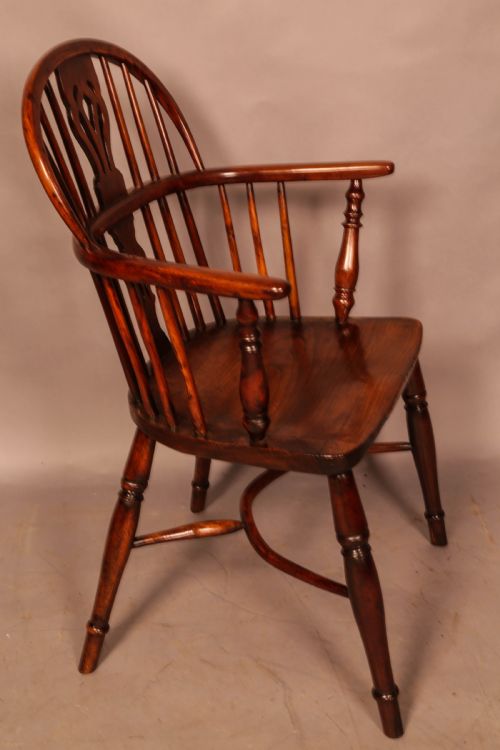


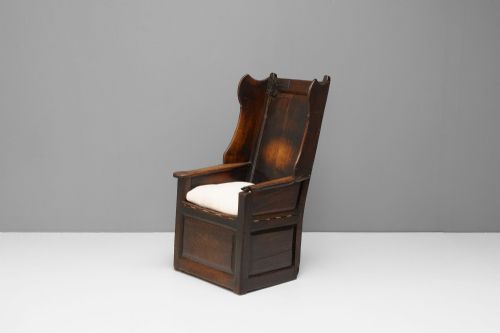
Regional Vernacular Armchair
These regional vernacular armchairs are individual Windsor, lambing and country seats built by local hands, offering robust character and honest historic craftsmanship.
Regional Vernacular Armchair
A regional vernacular armchair is a sturdy country seat shaped by local tradition rather than metropolitan fashion. When searching for a regional vernacular armchair, you encounter robust forms originating from various British districts across the seventeenth, eighteenth and nineteenth centuries.
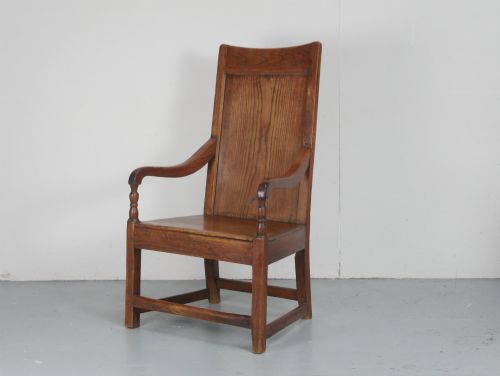
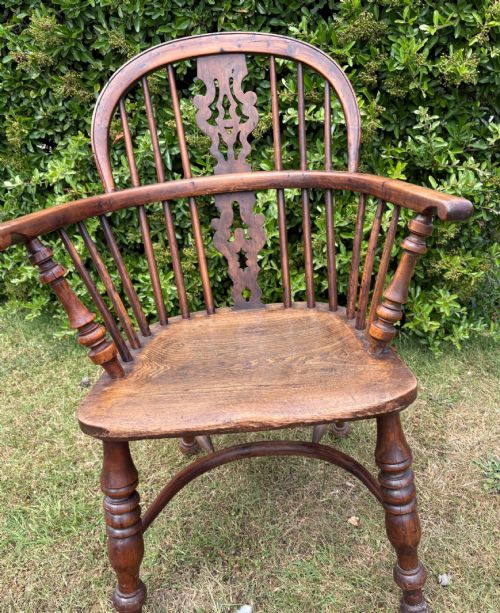
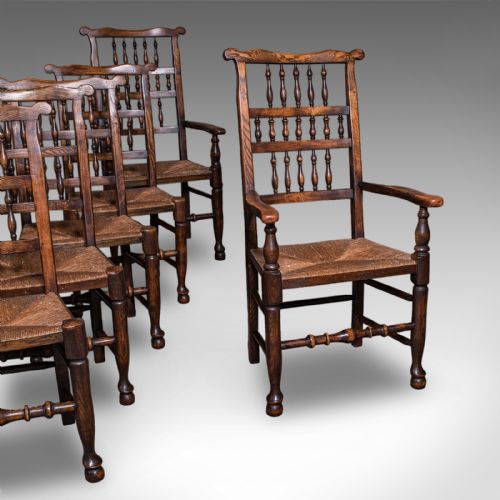
The selections span distinct provincial styles, including English Country, Scottish Vernacular and Thames Valley Windsor. You find low back Windsor chairs, lambing chairs and spindleback carvers bearing the distinct structural traits of their home regions.
Makers ranged from village joiners to regional workshops, producing seating suited to farmhouse kitchens, cottages and vernacular interiors. The evidence shows pieces utilising native timbers shaped for everyday utility rather than formal display.
Materials and construction
These chairs rely upon native British hardwoods selected for strength and flexibility. Elm, ash, oak, fruitwood and yew or yew wood provide the solid frames, bentwood bows and turned spindles characteristic of country seating.
Makers combined traditional green woodworking techniques with local joinery methods. Spindle backs, stick backs and solid plank seats demonstrate how craftsmen joined different timber species to handle daily stress.
Regional Vernacular Armchair Retail Price Guide 2026
Typical asking prices for regional vernacular armchair among the pieces listed under this phrase on Sellingantiques today, from the lower quarter to the upper quarter. They describe what is for sale here now, not the wider market.
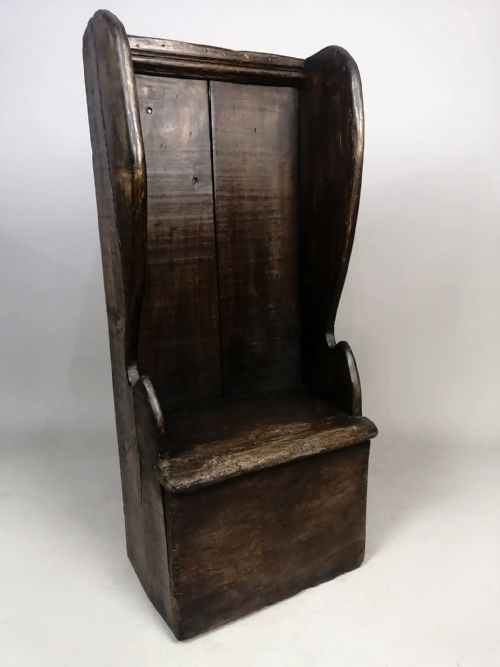
Child-sized lambing chairs from the seventeenth century remind us that tiny shepherds needed draught-proof seating too.
Distinctions in quality
Quality rests in the harmony of timber selection and the integrity of the original construction. Chairs built from well-figured yew or rich fruitwood display superior grain patterns and depth of surface character.
The refinement of the turning on spindles and legs separates standard regional output from superior workshop production. Original patination and minimal structural replacement maintain the historical integrity of the piece.
Gabbitass Worksop·Duncan McKellar of Fenwick·Rockley maker
The Regional Vernacular Armchair Glossary
- Windsor chair
- A chair built with a solid wooden seat into which the legs and back sticks are separately fitted. This form developed distinct regional variations across the British countryside.
- Lambing chair
- An enclosed country armchair featuring high wings and a solid lower section to block draughts. These seating forms often incorporate drawer or box compartments beneath the seat.
- Spindle back
- A chair back constructed from multiple turned upright wooden rods fitted between a top rail and the seat. This method creates a light yet strong supporting structure.
- Carver
- An armchair designed to match a set of dining chairs, typically positioned at the table ends. These items share stylistic traits with the smaller chairs in the dining set.
- Broad arm
- A chair featuring an exaggerated, wide flat wooden armrest designed for writing or holding items. This practical addition appears on specific regional Windsor variants.
Regional Vernacular Armchair: Frequently Asked Questions
What is a regional vernacular armchair?
A regional vernacular armchair is a traditional wooden seat made by local craftsmen using native timbers. These chairs reflect the specific design preferences and woodworking traditions of districts like the Thames Valley, Yorkshire or the West Country.
They serve as practical seating shaped by local utility rather than London fashion. Each piece demonstrates how provincial makers adapted Windsor, lambing or spindleback forms for everyday country life.
How do I date an old armchair?
Dating relies upon examining the timber species, tool marks, construction methods and wear patterns. Seventeenth and eighteenth-century examples often use oak, ash or fruitwood with pegged joints and hand-rived components, while nineteenth-century pieces may incorporate mechanized turnings.
Comparing the specific comb, bow or spindle arrangement to documented regional styles helps narrow down the period. Minor variations in the undercarriage construction also provide clues to the era of manufacture.
Where were Windsor armchairs made?
Windsor armchairs were produced across various English and Scottish regions, with notable production centres in the Thames Valley, Yorkshire and Lancashire. Local makers utilised accessible timber such as yew, elm and ash found in their immediate surroundings.
Regional workshops developed distinct characteristics, such as the low back Windsor forms associated with specific makers. This geographic diversity means each chair carries the visual signature of its local tradition.
How were lambing chairs used?
Lambing chairs were designed for warmth and shelter in draughty rural homes and farmhouses. The high wooden wings and enclosed lower sections protected the sitter from cold air currents near open hearths.
Some examples include small compartments or drawers beneath the seat for storing small items. They provided a comfortable, private seat in busy domestic spaces.