
Regency Wooden Bookcase
A regency wooden bookcase brings refined architectural proportion and rich timber grain to any room, offering versatile storage for a growing library.
Regency Wooden Bookcase
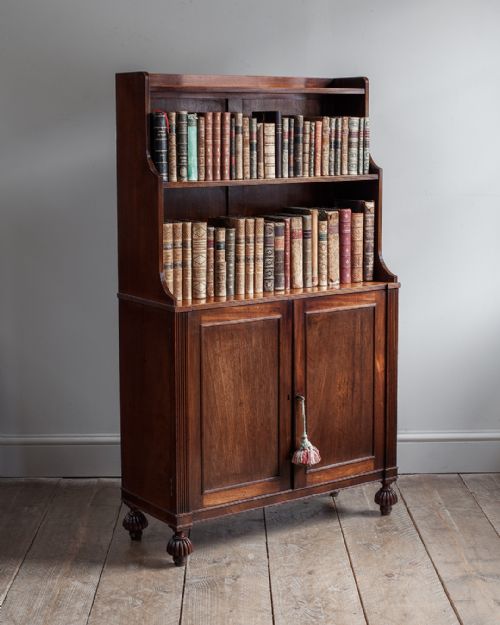
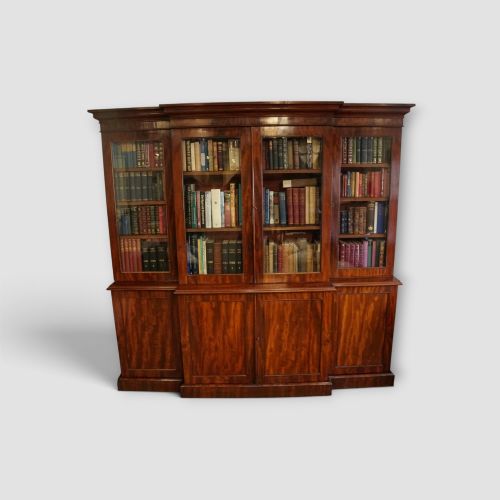
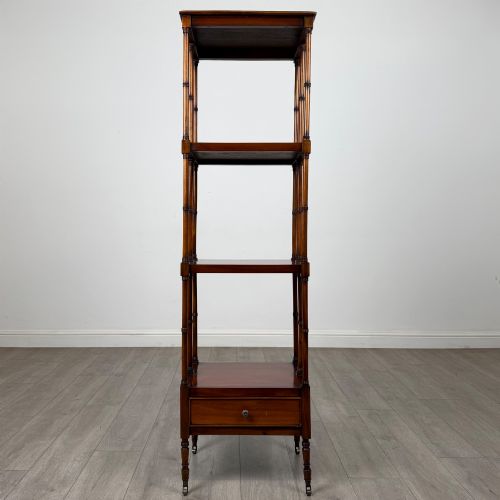
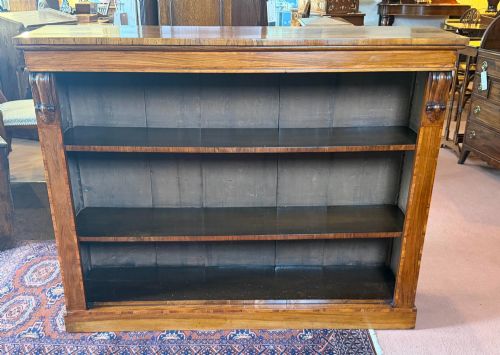
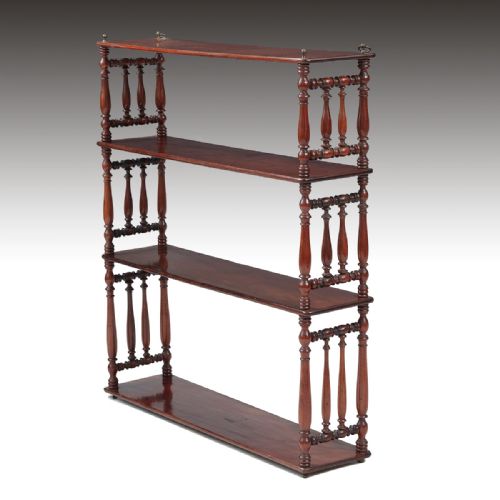
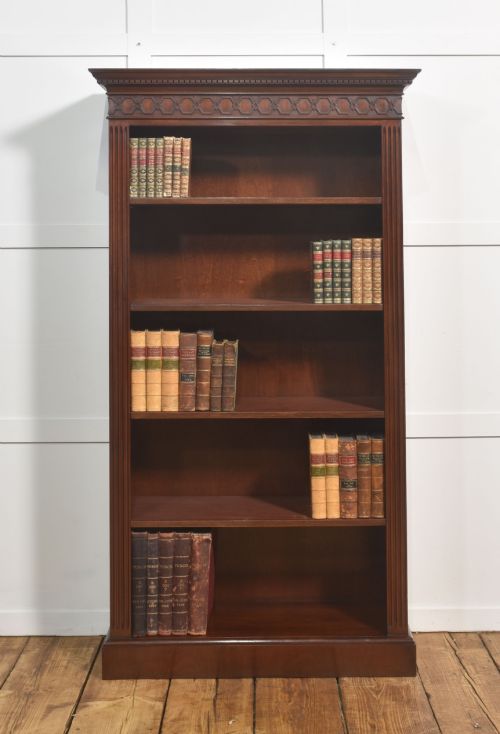
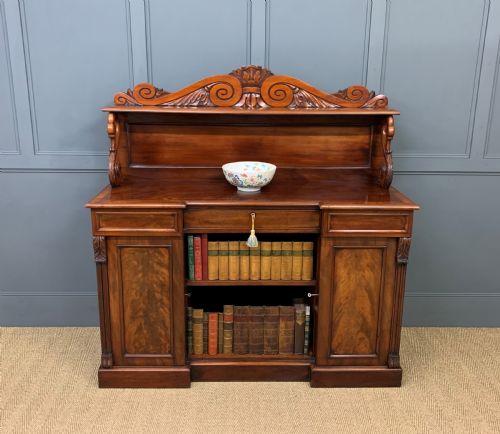
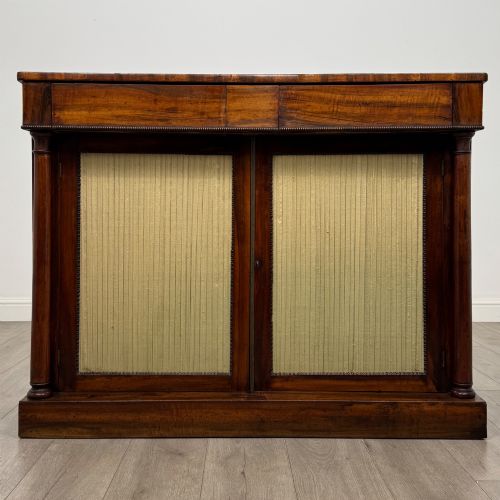
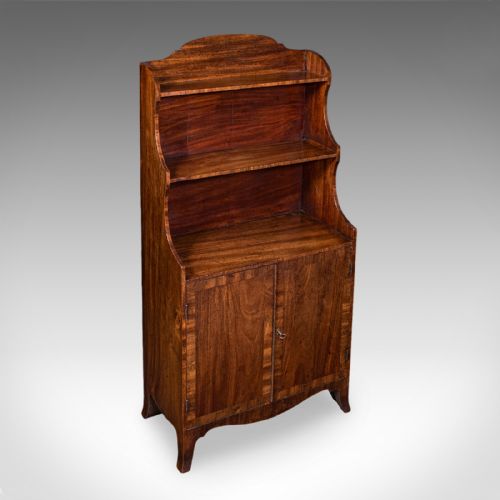
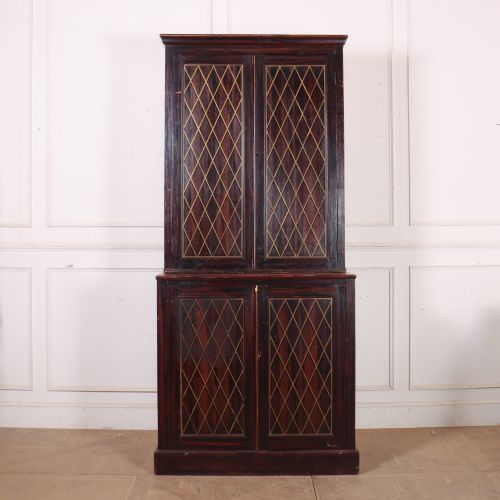
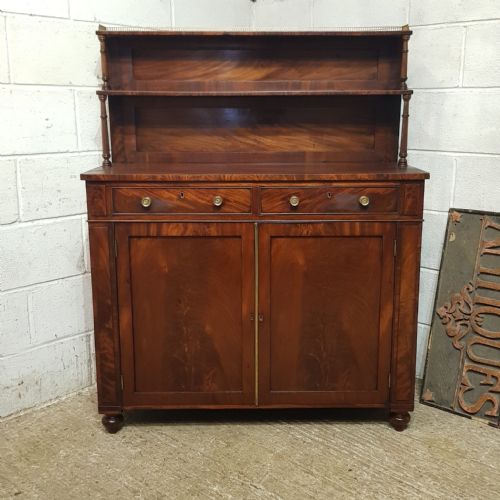
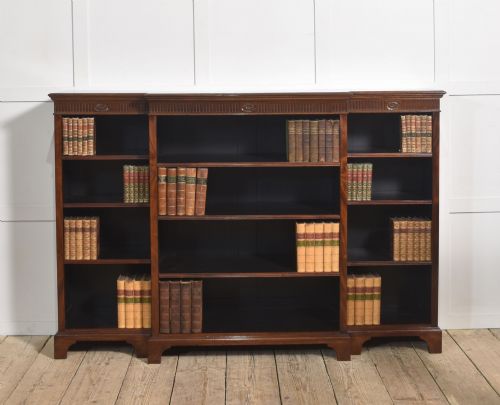
A regency wooden bookcase combines functional book storage with the clean, classical lines characteristic of the early nineteenth century. Collectors search for these pieces to anchor a room with period character, finding open dwarf formats, tall breakfront library units, and diminutive waterfall designs.
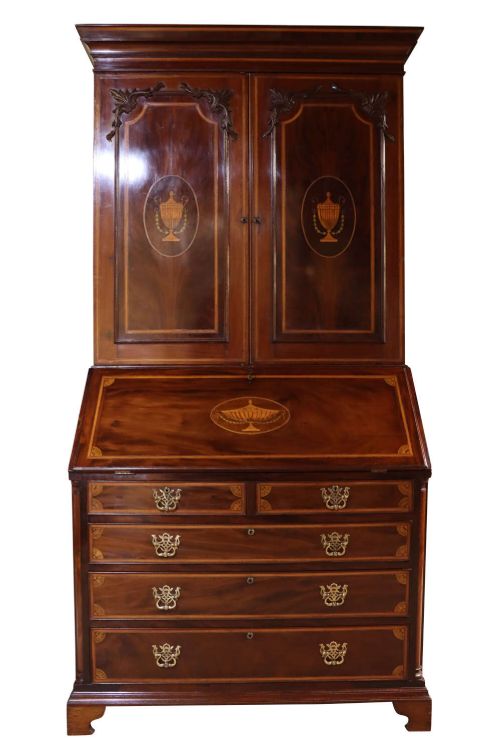
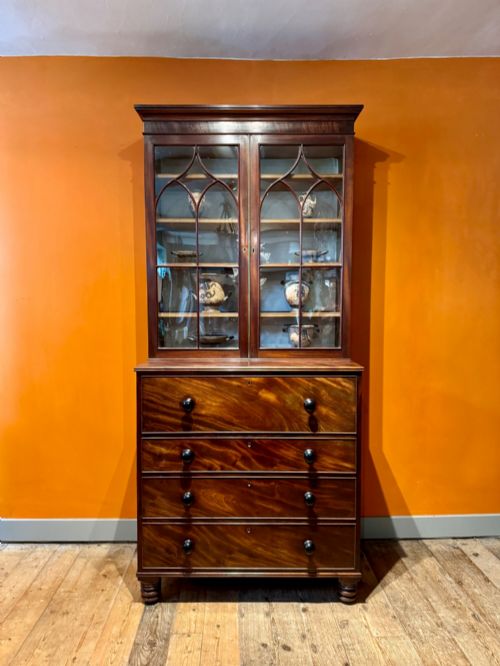
The versions met most frequently on this page span the Regency era itself alongside later revivals from the Victorian, Edwardian, and early twentieth-century periods. These items range from simple open shelving units to complex bureau bookcases featuring fitted secretaire drawers and enclosed lower cupboards.
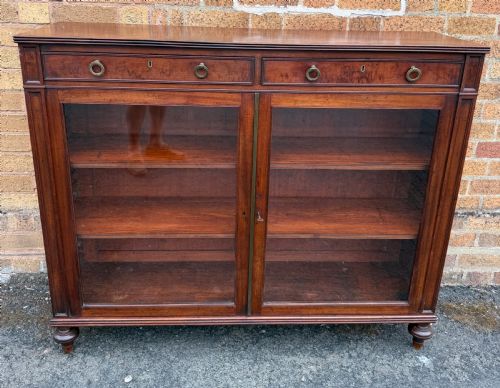
Makers and cabinetmakers of the period utilised domestic and exotic timbers to create architectural presence through graduated shelving and refined proportions. Many examples incorporate glass doors, brass gallery rails, or delicate satinwood and ebony stringing to elevate the visual impact of the piece.
Materials and construction methods
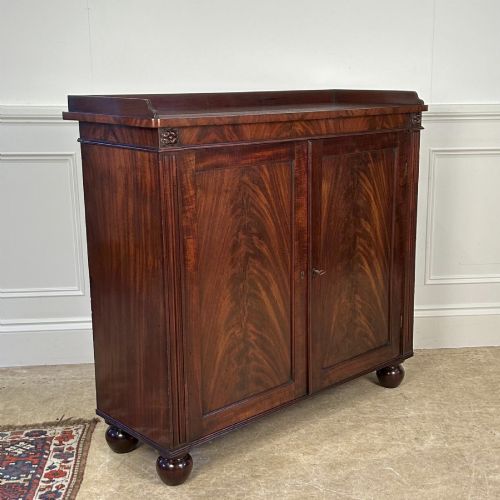
Cabinetmakers relied heavily on solid mahogany and flame mahogany veneer, selecting boards for rich grain patterns and warm natural tones. Rosewood, walnut, amboyna, and satinwood appear alongside primary timbers to provide striking contrasts in colour and texture.
Glass panels are fitted into delicate wooden glazing bars within upper cabinet doors, while brass hardware secures cupboards and supports adjustable shelving systems. Secondary materials such as fabric linings and ebonised details complete the interior and exterior ornamentation of select pieces.
Even diminutive waterfall bookcases somehow accumulate twice as many volumes as their shelves were ever meant to hold.
Markers of distinction and craftsmanship
Superior examples reveal themselves through the thoughtful selection of timber veneers, where grain patterns are mirrored and matched across drawer fronts and cabinet doors. The crispness of inlaid stringing, carved mouldings, and brass detailing distinguishes workshop production from simpler commercial output.
Structural integrity rests on the precision of drawer construction, the smoothness of adjustable shelf mechanisms, and the survival of original glass and hardware. Pieces that retain their genuine patination without excessive restoration command greater appreciation from discerning buyers.
Gillows
The Regency Wooden Bookcase Glossary
- Breakfront
- A piece of furniture whose central section projects forward from the flanking outer sections. This configuration adds architectural depth and visual weight to larger library bookcases.
- Waterfall bookcase
- A tiered set of open shelves where each successive shelf steps back from the one below it. The sides are typically shaped into a descending curve resembling the flow of water.
- Secretaire
- A desk disguised as a drawer or cabinet door that drops down to reveal a writing surface and small pigeonholes. It often forms the middle section of a taller bureau bookcase.
- Chiffonier
- A low sideboard or cabinet featuring shelves or a small enclosed cupboard above the main surface. Regency versions frequently incorporate glazed doors or open display tiers.
- Stringing
- A narrow inlay of contrasting wood used to create delicate linear borders on panels and tabletops. This technique defines the edges of geometric decoration on fine cabinetry.
Regency Wooden Bookcase: Frequently Asked Questions
How do I style a regency wooden bookcase at home?
Position your regency wooden bookcase against a solid wall in a study, drawing room, or sitting area where its architectural proportions can anchor the space. Balance rows of books with decorative objects, framed prints, or ceramics to maintain visual interest across the open shelves.
Allow adequate clearance around breakfront or cabinet variations so doors and drop-front desks operate without obstruction. Keep the timber conditioned by avoiding direct sunlight and sudden temperature shifts in the room.
How can I tell a Regency period piece from a later revival?
Original Regency pieces exhibit construction methods, timber selections, and hardware characteristic of the early nineteenth century. Look at the secondary woods inside drawers and the hand-cut dovetails to gauge the likely manufacturing era.
Revival pieces produced during the Victorian or Edwardian periods often utilise machine-sawn elements, standardised screws, and different finishing techniques. Comparing the timber patination and construction details helps clarify the exact age of the cabinet.
Were these bookcases meant for home libraries?
Regency bookcases served primarily in gentleman's libraries, private studies, and formal drawing rooms of grand houses. They provided orderly storage for leather-bound volumes, scientific journals, and cherished literary collections.
Smaller dwarf and waterfall variants were also placed in intimate parlours and bedrooms to hold daily reading material. Their refined designs ensured they functioned as decorative furniture as well as practical storage.