
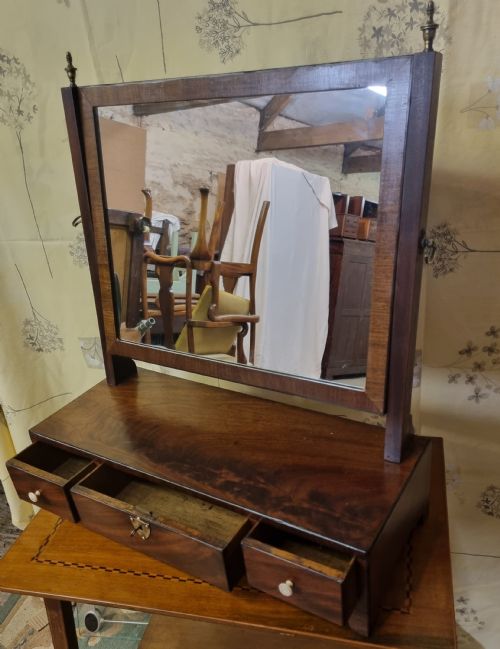
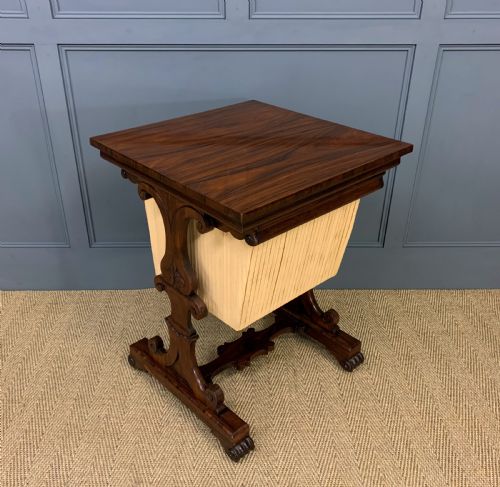
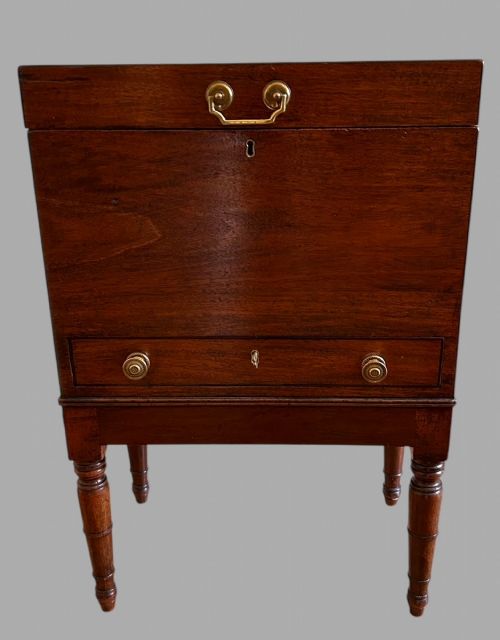
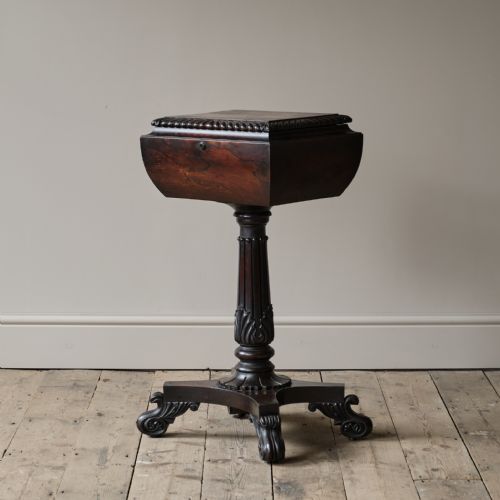
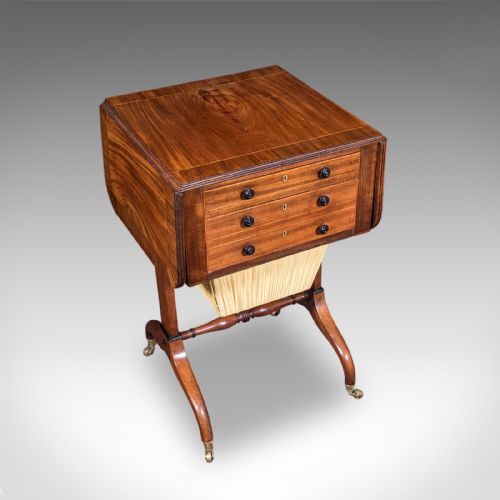
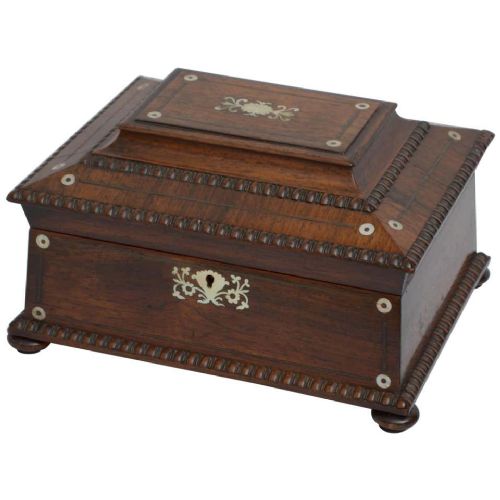
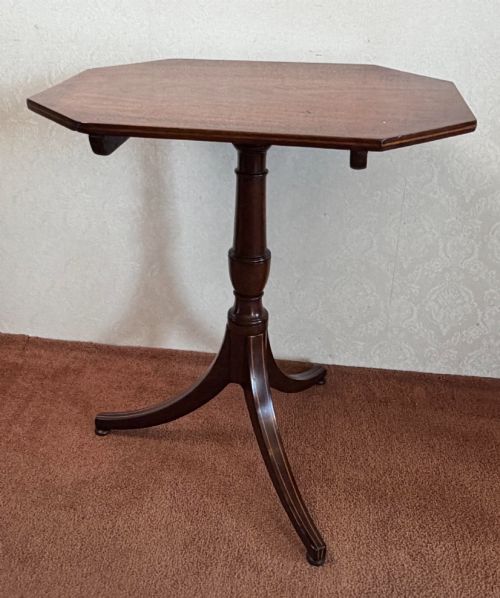
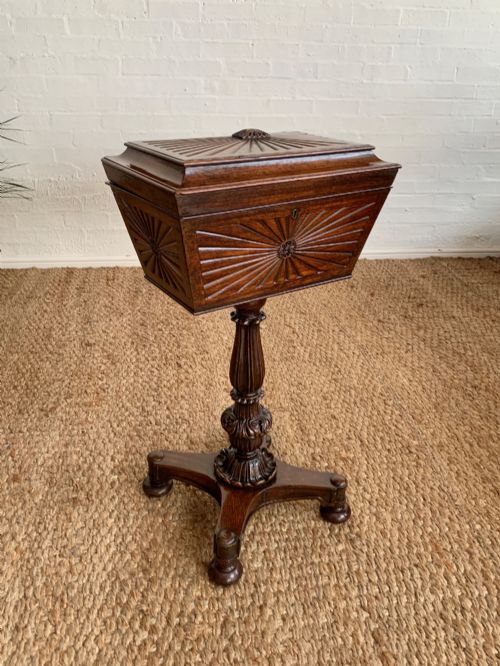
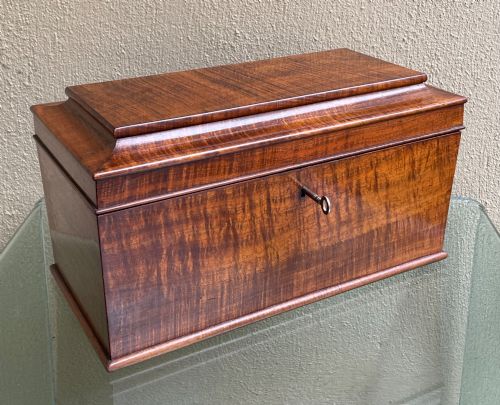
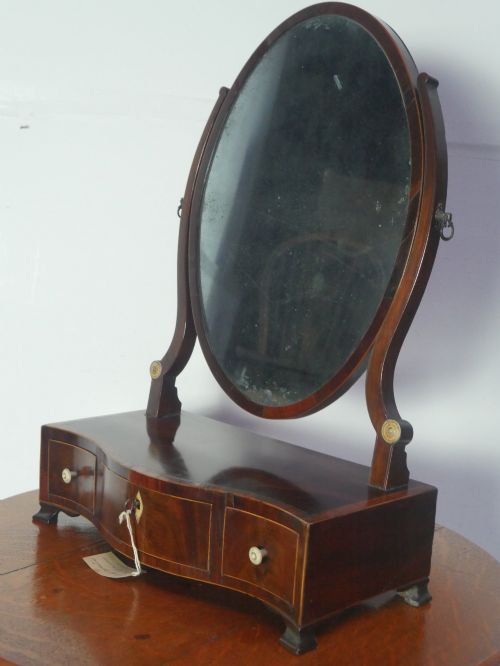
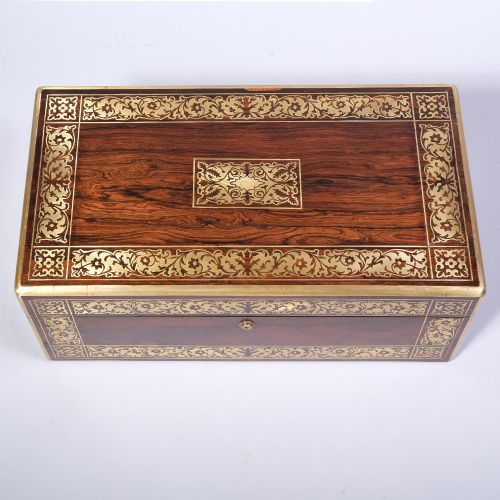
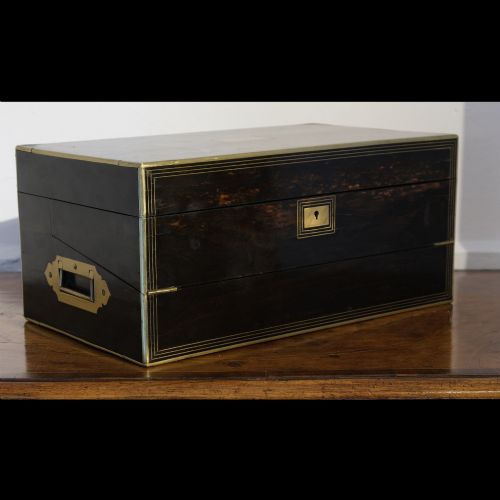
Regency Wood Box
These pieces known as a regency wood box bring refined domestic storage from the early nineteenth century into modern rooms.
Regency Wood Box
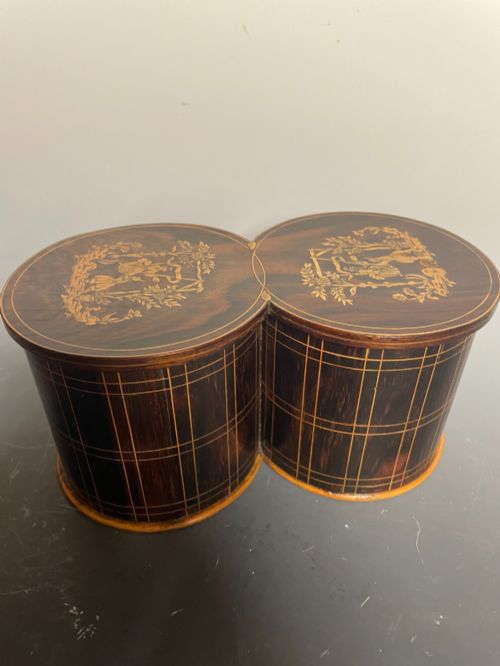
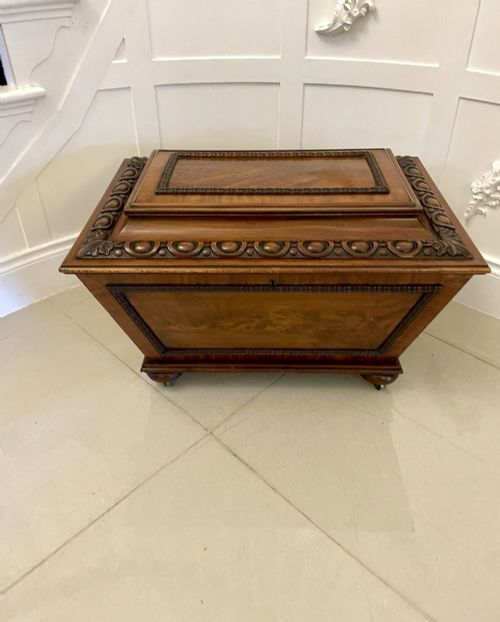
A regency wood box encompasses a diverse group of functional containers designed for daily use during the early nineteenth century, including tea caddies, writing slopes, jewellery boxes, and larger cellarettes for wine storage.
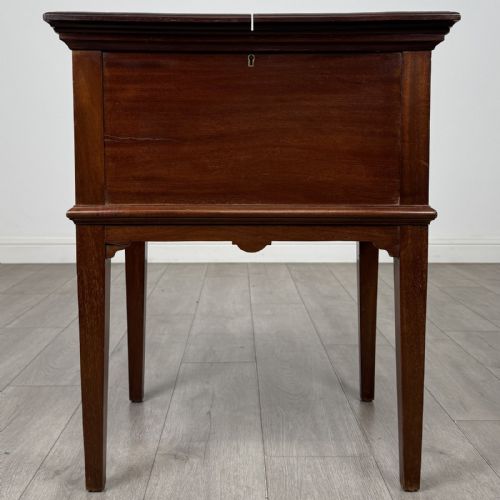
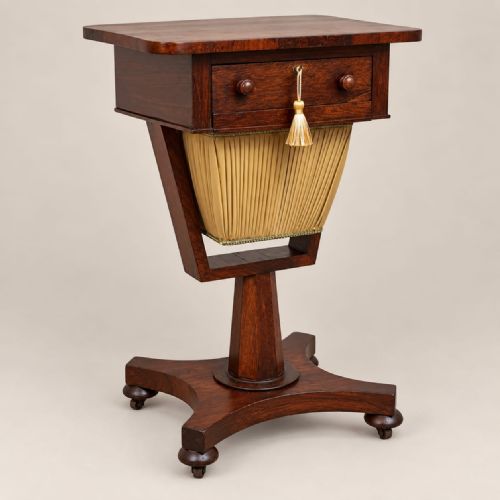
The pieces on this page lean heavily towards refined table-top and freestanding containers, with rosewood and mahogany serving as the dominant woods alongside decorative brass inlays and boxwood detailing.
Originating predominantly from the Georgian, Regency, and William IV periods, these items reflect an era when portable storage required both structural integrity and cabinet-making skill.
Materials and construction
Cabinet makers relied on dense timbers like rosewood and mahogany, often enhanced by contrasting veneers such as burr yew, sycamore, and coromandel.
Surface decoration frequently involved meticulous brass inlay, geometric stringing, or Tunbridge ware, binding the wooden elements together with traditional animal glues and dovetail joints.
Listings feature items spanning the eighteenth to the nineteenth centuries, incorporating diverse woods like mahogany, rosewood, burr yew, and laburnum.
Assessing quality and execution
The standard of a regency wood box rests upon the selection of timber figures, where symmetrical grain patterns and undisturbed burrs indicate superior material choice by the maker.
Internal configuration also dictates excellence, distinguishing simple storage compartments from sophisticated tiered trays, hidden drawers, and intact locking mechanisms.
The Regency Wood Box Glossary
- Tea Caddy
- A lidded box originally made to store precious tea leaves under lock and key. These containers often featured interior mixing bowls and multiple lidded compartments.
- Writing Slope
- A portable desk that opens to reveal a slanted leather or velvet writing surface and fitted slots for inkwells and pens. They represent the precursor to the modern desk.
- Cellarette
- A low freestanding cabinet or box designed to hold bottles of wine and spirits near the dining table. Many examples from this era incorporate lead-lined interiors.
- Treen
- Small handmade wooden household objects carved from fruitwood, laburnum, or other dense timbers. The term covers utilitarian items intended for daily handling.
- Tunbridge Ware
- A specialised form of woodworking involving tiny mosaic tiles made from different coloured woods to create pictorial lid motifs. This technique flourished in Kent during the nineteenth century.
Regency Wood Box: Frequently Asked Questions
What were tea caddies used for?
Tea caddies served to store expensive loose tea leaves securely during a period when tea was a luxury commodity. The inclusion of a lock prevented household staff or guests from accessing the contents without permission.
Many caddies contained two separate compartments for different tea varieties alongside a central glass mixing bowl for blending leaves before brewing.
How do I care for rosewood boxes?
Rosewood requires stable humidity and protection from direct sunlight to prevent the timber from drying out or splitting. Gentle dusting with a dry cloth keeps the surface clean without stripping natural oils.
Avoid placing these items near radiators or damp areas, as fluctuating temperatures can weaken traditional adhesives and warp the timber.
How do I identify a Regency period piece?
Regency items generally date from the early nineteenth century and display classical architectural influences, such as brass stringing, sabre legs, or rosewood veneers. Proportions tend to be clean and balanced, echoing ancient Greek and Roman design motifs.
Hardware like lion mask handles and escutcheons further helps date these items alongside the construction methods visible inside the box.
Were writing slopes meant for travel?
Writing slopes were designed for portability, allowing travellers to carry their correspondence materials safely in carriages or ships. Folding the box closed secured inkwells and papers inside a compact wooden shell.
Wealthy individuals used them in libraries as well as on journeys, making them versatile companions for literate households.