



Regency Wine Cooler Table
A regency wine cooler table brings the proper ceremony of the dining room straight into your home.
Regency Wine Cooler Table
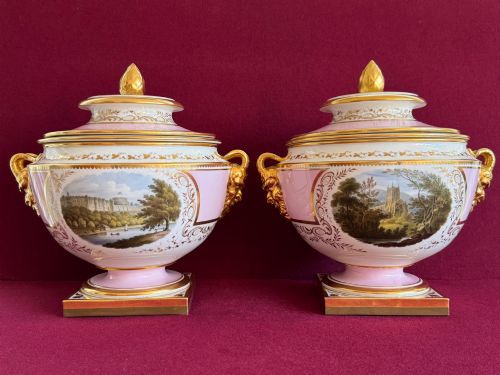
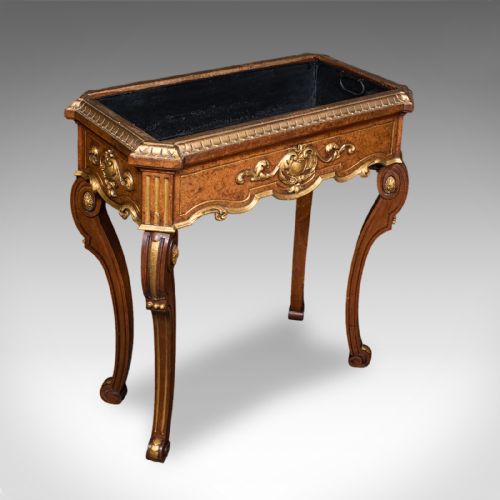
When you search for a regency wine cooler table, you are looking at substantial serving pieces designed to keep bottles chilled during long meals. The selection includes wine coolers, jardiniere tables, and teapoys from the Georgian and Regency periods.
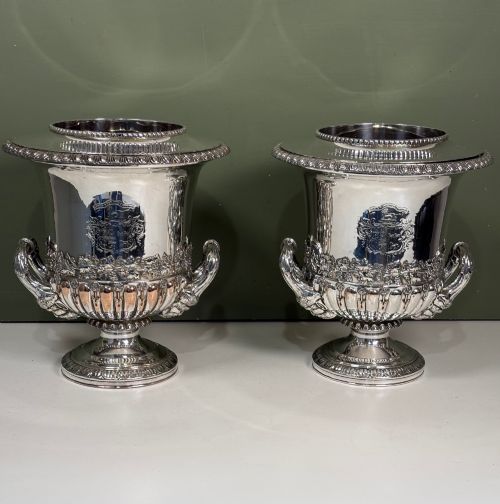
You are most likely to meet campana shaped pieces in Old Sheffield plate or open wine coolers in mahogany on this page. These forms reflect the classical tastes of the early nineteenth century.
The objects cross over with planter stands and decanter caddies, showing how dining furniture served multiple purposes in period homes. Walnut and copper also appear among the materials recorded in the listings.
Materials and Construction
The metal vessels combine copper and silver plating using the Old Sheffield technique, resulting in durable surfaces with warm metallic tones. Zinc and ormolu also contribute structural support and decorative contrast.
Cabinetmakers utilised solid mahogany and walnut for the wooden tables and stands, shaping timber with cabinet joints suited to holding heavy vessels. Metal liners protected the timber from melting ice and spilled liquid.
Regency Wine Cooler Table Retail Price Guide 2026
Typical asking prices for regency wine cooler table among the pieces listed under this phrase on Sellingantiques today, from the lower quarter to the upper quarter. They describe what is for sale here now, not the wider market.
Some mahogany coolers doubled as plant stands when the dining room season ended.
Judging Quality
Quality rests upon the crispness of classical cast ornament, particularly around the campana rims and handles. Sharp detail distinguishes superior metalwork from softer secondary casting.
In wooden pieces, the grain selection and the joinery of the frame determine the standard of the piece. Well chosen mahogany shows deep figuring that elevates the simple form of an open cooler or teapoy.
The Regency Wine Cooler Table Glossary
- Campana
- A bell shaped vessel form popular for classical wine coolers and urns. This shape derives from ancient Roman pottery and metalwork.
- Old Sheffield Plate
- A fused composite material made by applying a thin sheet of silver to a thicker copper base. This technique preceded modern electroplating.
- Teapoy
- A small table or caddy fitted with internal compartments for storing tea leaves and mixing blends. These pieces often sat beside the dining table or drawing room chair.
- Jardiniere
- An ornamental stand or pot designed to hold plants and flowers. In nineteenth century interiors, these vessels frequently matched the materials of dining room serving furniture.
- Ormolu
- Gilt bronze ornamentation applied to furniture and metalware. The technique provides bright golden highlights against darker wood or patinated metal.
Regency Wine Cooler Table: Frequently Asked Questions
What is a regency wine cooler table?
A regency wine cooler table is a serving piece designed to hold bottles and ice during dining. These items combine classical metal vessels with wooden stands from the early nineteenth century.
The category encompasses campana shaped coolers in Old Sheffield plate alongside mahogany open coolers and jardiniere tables.
How were these coolers used?
Servants filled the metal vessels with ice and water to chill wine bottles before bringing them to the dining table. The surrounding table or stand kept the heavy container at a convenient height.
Many designs allowed the inner vessel to be lifted out for emptying and refilling during long meals.
How do I care for Old Sheffield plate?
Old Sheffield plate requires gentle cleaning with non abrasive silver cream to preserve the thin layer of silver over the copper base. Vigorous polishing can wear through the plating over time.
Keep the metal dry and away from direct heat to protect the underlying structure and finish.
How do I identify a Regency period piece?
Regency pieces typically feature classical motifs such as campana curves, reeded legs, and architectural mahogany veneers. The proportions reflect early nineteenth century tastes influenced by Greek and Roman revival styles.
Construction details like hand cut joints and original metal liners help confirm the period.