

Regency Tripod Pedestal
Regency tripod pedestal tables bring sculptural elegance and practical surface space to a room, offering timeless utility.
Regency Tripod Pedestal
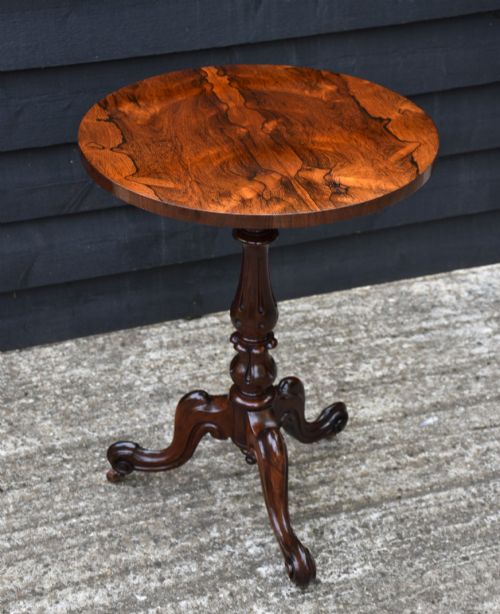
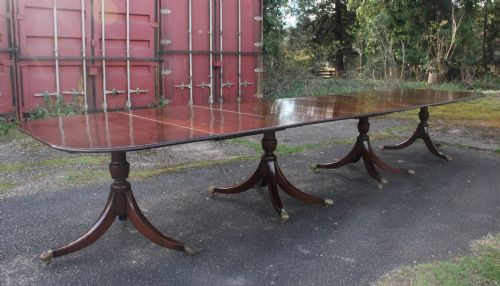
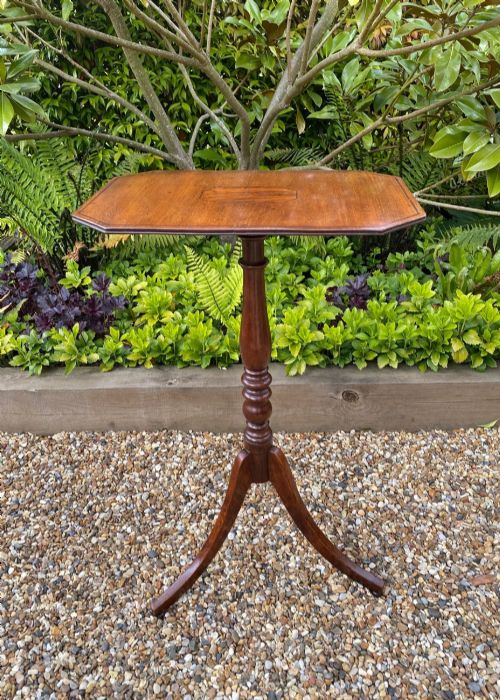
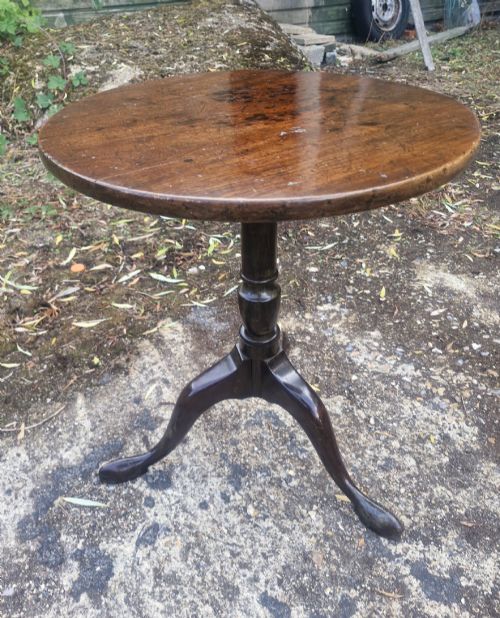
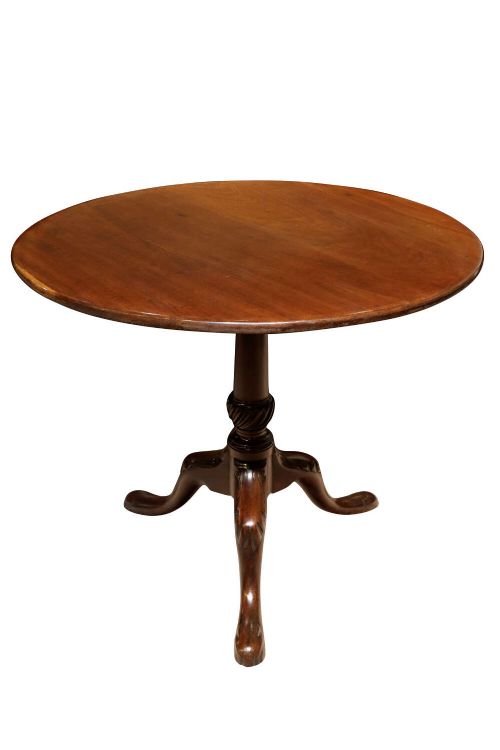
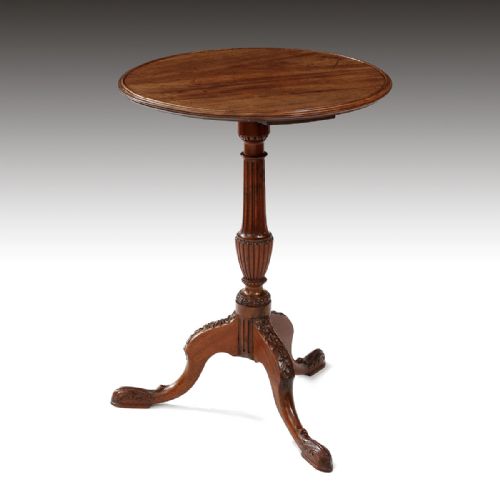
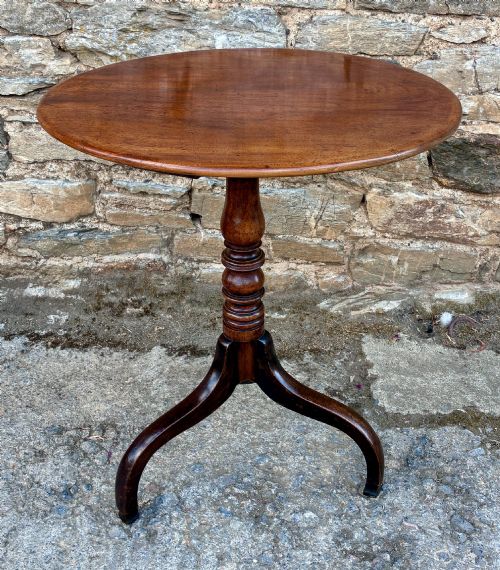
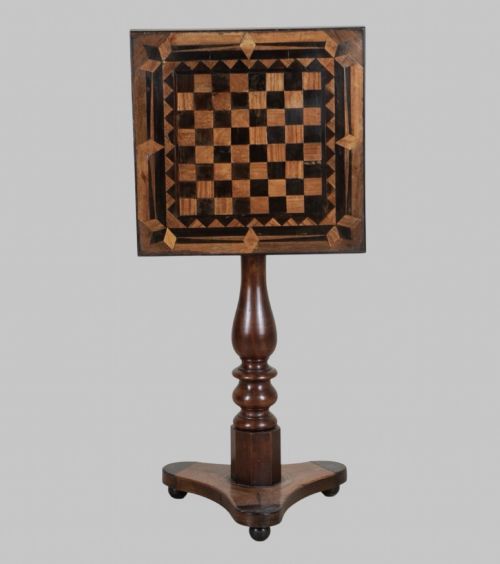
A regency tripod pedestal table combines a central column supported by three splayed legs with a compact top, serving primarily as an occasional, wine, or side table. These pieces emerge predominantly from the nineteenth century, spanning the Georgian, Regency, and William IV periods, alongside later revivals from the Edwardian era.
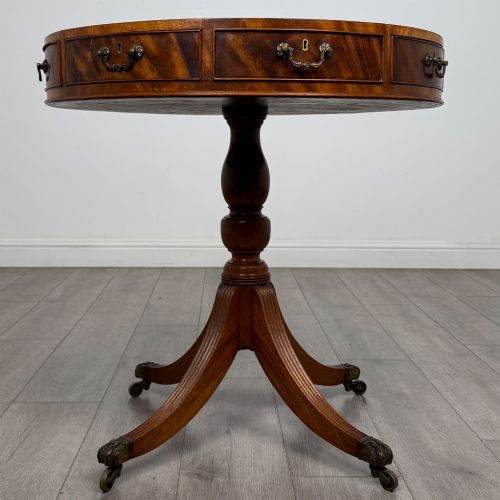
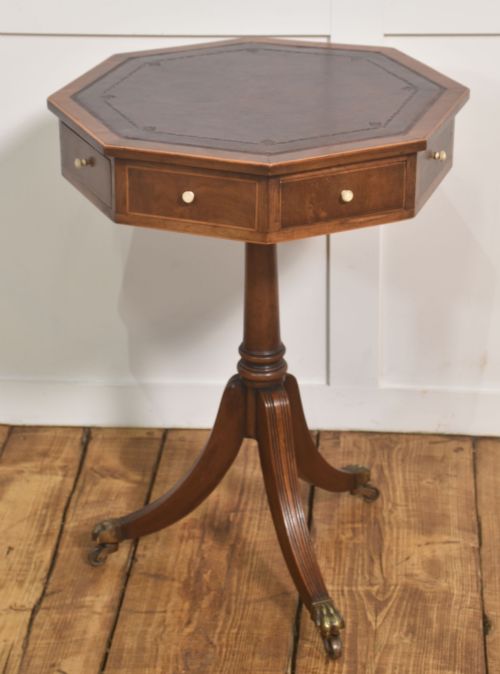
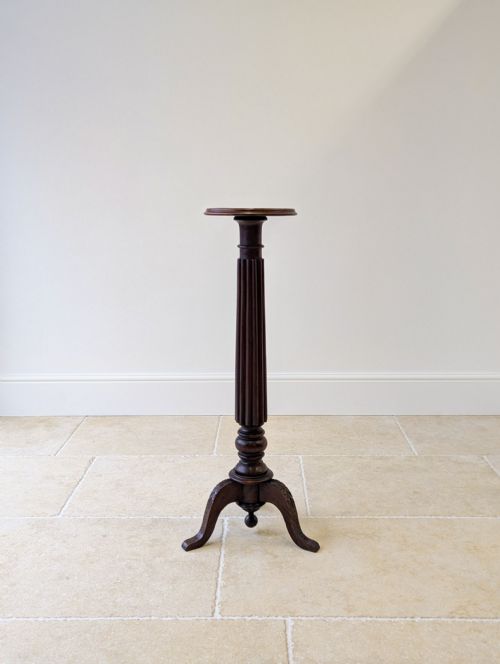
The most common formats on this page are occasional and wine tables, often featuring circular or tilt-top tops designed for easy storage when not in use. Variations include drum tables, games tables, and torcheres, reflecting the diverse domestic needs of the nineteenth and early twentieth centuries.
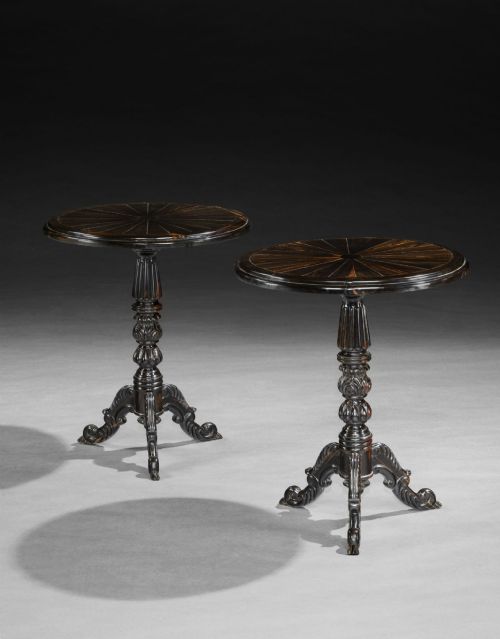
Origins stretch across English workshops as well as international variations, including pieces executed in exotic woods from Ceylon and Malta. Buyers encounter both authentic period examples from the 1800s and later revivals from the 1900s that faithfully replicate earlier proportions.
Materials and Construction
Cabinetmakers relied heavily on dense tropical hardwoods like mahogany and rosewood, frequently incorporating decorative veneers of satinwood, olive, and burr oak to create striking geometric patterns on the tabletop. Secondary timbers such as oak and fruitwood provide sturdy internal framing for the pedestals and leg assemblies.
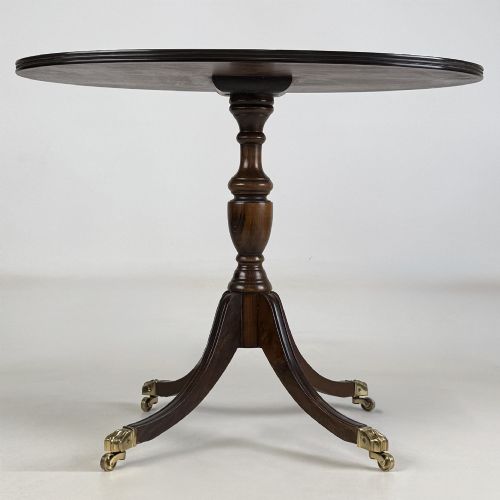
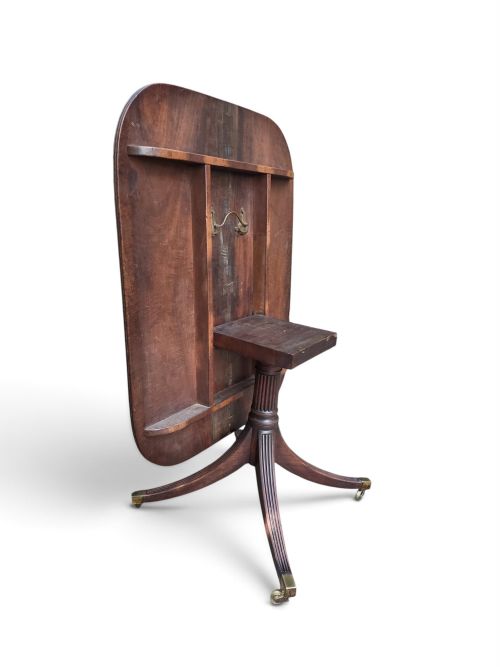
Brass castors, boxwood stringing, and occasional gold leaf accents punctuate the darker wood tones, adding refined contrast to the legs and aprons. Tilt-top mechanisms utilise precision iron hinges and catches, allowing the central surface to pivot upright smoothly against the pedestal shaft.
Assessing Quality
The distinction between standard and superior pieces lies in the choice of timber and the crispness of the carving on the tripod base. Fine examples display highly figured grain veneers, such as well-matched flame mahogany or burr oak, balanced by slender, unwarped legs that meet the central column with tight joinery.
Subtleties of execution elevate certain items, including finely turned pedestals, delicate boxwood inlay, and original brass fittings rather than later replacements. The stability of the tilt-top action and the seamless integration of secondary woods further separate everyday production from exceptional workshop output.
Gillow
The Regency Tripod Pedestal Glossary
- Tilt-top
- A hinged tabletop mechanism that allows the surface to pivot into a vertical position when not in use. This clever design saved valuable floor space in smaller nineteenth-century drawing rooms.
- Tripod base
- A pedestal support resting on three splayed legs. This configuration ensures stability on uneven floorboards.
- Drum table
- A circular table with a deep frieze skirt containing drawers, supported by a central pillar. They gained popularity during the Regency period for library and study use.
- Torchere
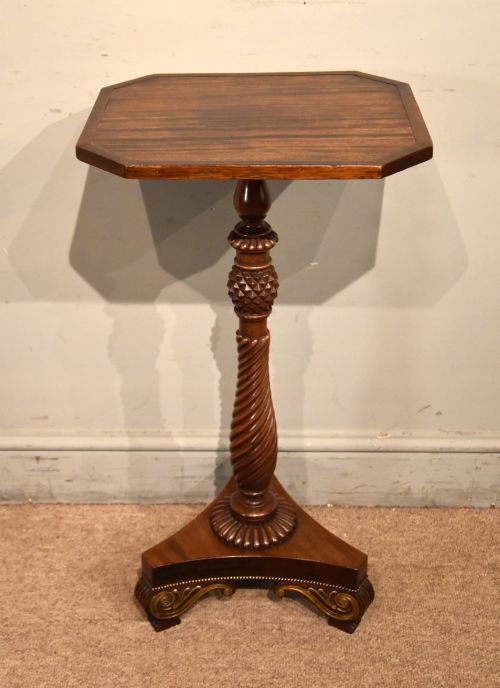
- A tall, slender stand designed to support a candelabrum or lamp. These elevated pieces introduce vertical contrast to a room arrangement.
Regency Tripod Pedestal: Frequently Asked Questions
Where should I place a tripod table?
These compact tables fit easily beside armchairs, in narrow hallways, or as freestanding wine tables next to seating areas. Their small footprint makes them versatile for awkward corners.
Avoid placing them in direct sunlight or near heat sources, as the dense hardwoods and delicate veneers can dry out and split over time.
How do I identify a Regency period table?
Regency tables typically feature clean architectural lines, dark tropical timbers like mahogany or rosewood, and classical motifs inspired by ancient Greece and Rome. Look for reeded pedestal columns and brass paw feet.
Construction methods, such as hand-cut dovetails and traditional timber shrinkage patterns, help confirm nineteenth-century origins over later Edwardian revivals.
Are these tables suitable for daily use?
Solid mahogany and rosewood construction provides robust durability for everyday placement of lamps, books, or drinks. Using coasters protects the polished polish and veneer surfaces.
While sturdy, the three-legged tripod design means heavier weight should be centred rather than pressed heavily on the extreme outer edges.