

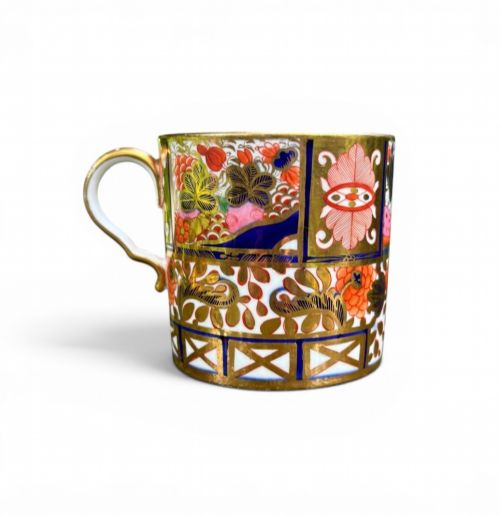


Regency Spode Bone China
Regency spode bone china represents the pinnacle of early nineteenth-century ceramic achievement, combining delicate bone china bodies with vibrant enamels and rich gold gilding.
Regency Spode Bone China
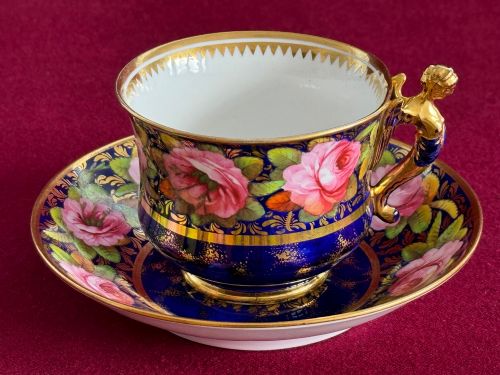
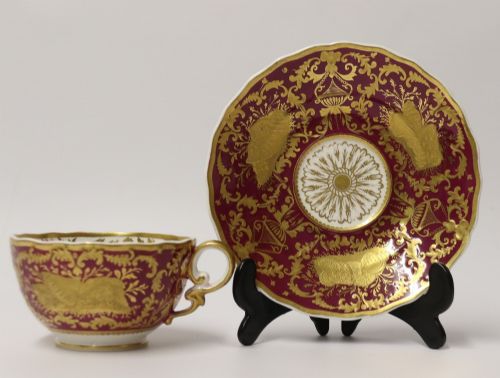
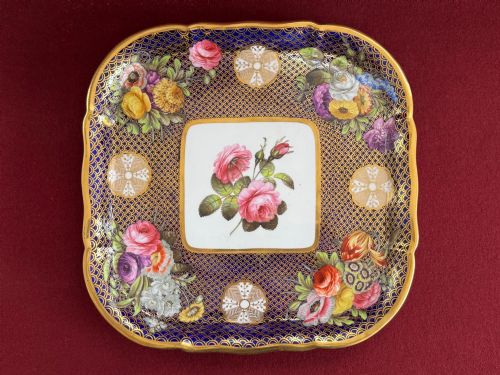
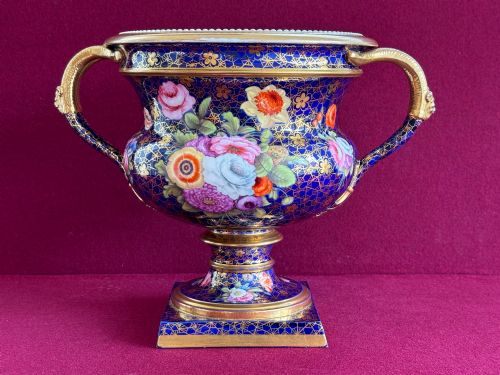
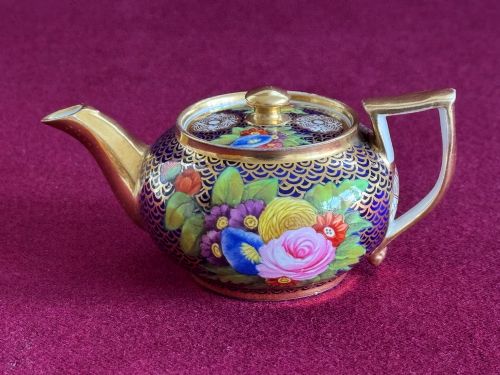
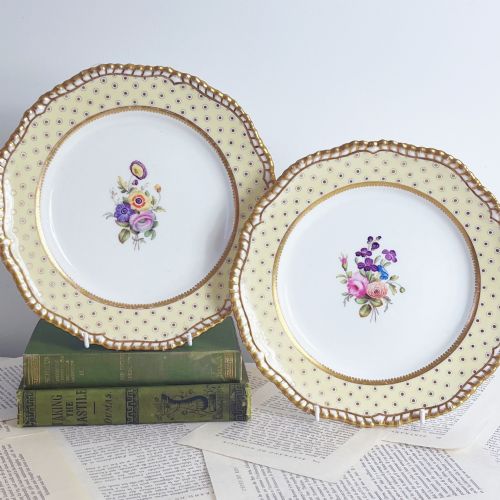
When you search for regency spode bone china, you encounter sophisticated table wares and decorative objects produced during the Georgian and Regency periods. The selection focuses heavily on refined domestic items such as teacups and saucers, coffee cans, chocolate cups, and dessert plates.
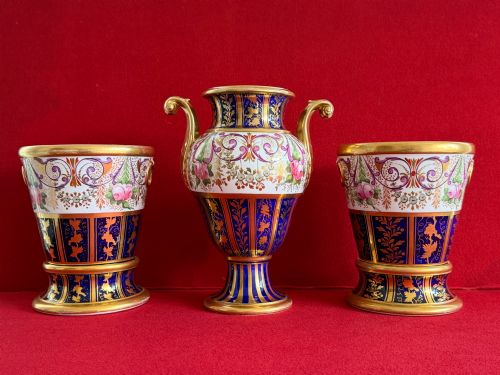
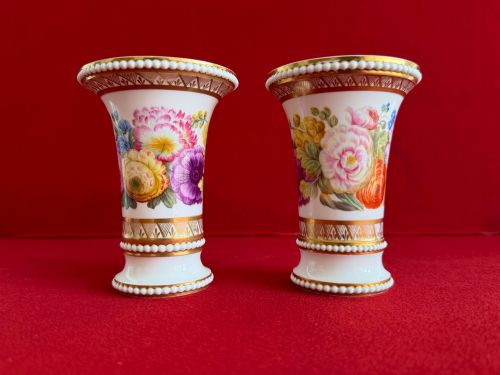
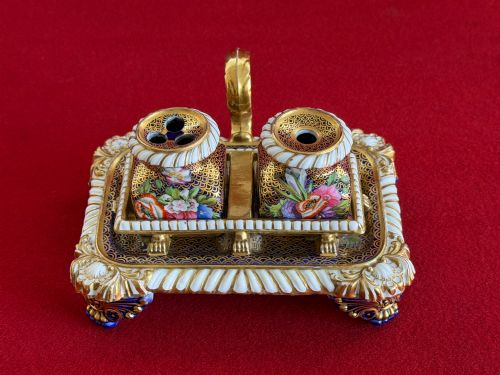
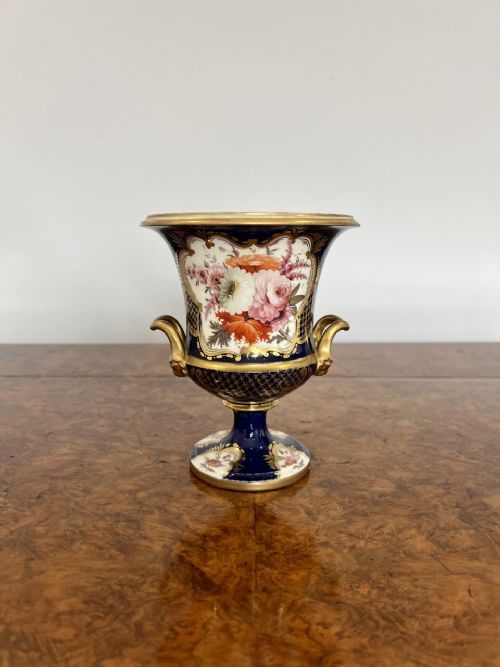
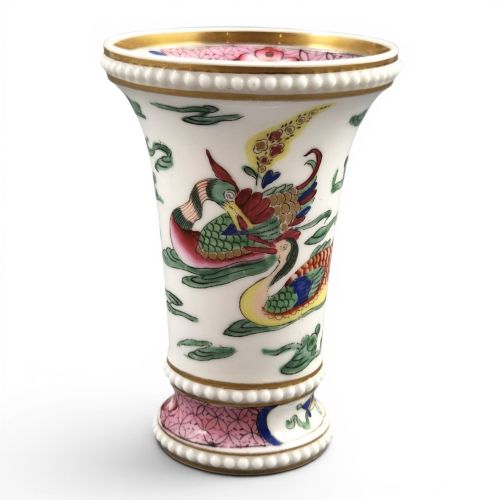
Vases and inkstands also appear, showcasing the breadth of early nineteenth-century manufacturing. Most examples originate from the opening decades of the 1800s, reflecting the aesthetic preferences of the Regency era.
What varies in quality
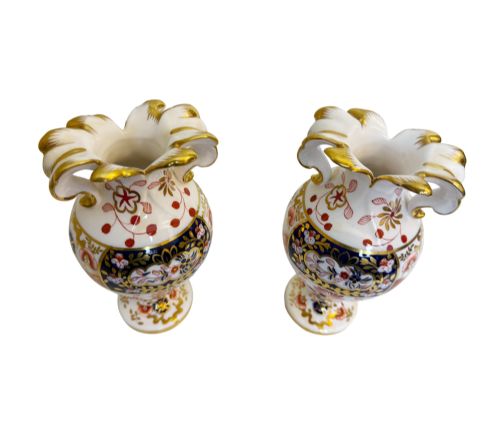
The sophistication of the hand painting and the precision of the gilding set superior examples apart from standard productions. Pattern complexity, such as intricate botanical or Imari motifs, indicates the level of artisan skill involved in the creation.
The preservation of the original gold leaf and the crispness of the enamel colours determine the overall desirability of each individual piece.
Regency Spode Bone China Retail Price Guide 2026
Typical asking prices for regency spode bone china among the pieces listed under this phrase on Sellingantiques today, from the lower quarter to the upper quarter. They describe what is for sale here now, not the wider market.
Miniature toy teapots let Regency children practice their hosting etiquette with proper ceramic luxury.
Spode
The Regency Spode Bone China Glossary
- Bone china
- A type of porcelain composed of clay mixed with bone ash, producing a strong, translucent ceramic body. This material allowed potters to create lighter and more refined vessels than traditional hard-paste porcelain.
- Imari
- A decorative style inspired by Japanese export wares, featuring a palette of cobalt blue, iron red, and gold. Spode utilised this aesthetic extensively on tea wares and vases during the Regency period.
- Coffee can
- A cylindrical porcelain cup without a handle, designed for drinking strong coffee in the early nineteenth century. These vessels often match accompanying saucers in specific factory patterns.
- Sucrier
- A covered vessel designed specifically for holding sugar on the tea table. These decorative containers frequently mirror the decorative patterns found on related teacups and dessert plates.
- Gilding
- The application of gold leaf or gold paint to ceramic surfaces for ornamentation. Skilled artisans used this technique to highlight handles, rims, and pictorial borders.
Regency Spode Bone China: Frequently Asked Questions
How do I date regency spode bone china?
Dating relies upon stylistic markers, pattern numbers recorded in factory archives, and the specific shape of the ceramic body. Pieces from this era often bear painted pattern numbers underneath.
Comparing the decorative motifs against documented designs from the early nineteenth century helps narrow the production window.
Were these items used daily or displayed?
Wealthy households utilised these refined porcelain vessels during formal tea services and social gatherings. Dessert plates and teacups formed part of elaborate dining rituals.
Cabinet pieces such as urns and spill vases served a purely decorative function within Regency interiors.
What is an Imari pattern?
Imari designs replicate the distinctive aesthetic of Japanese export porcelain imported through European trading posts. The palette relies on deep cobalt blue, iron red, and extensive gold gilding.
Spode adapted this traditional look to suit contemporary British tastes during the Regency period.
How should I care for antique bone china?
Gentle hand washing in warm water with mild soap protects the delicate enamel painting and gold gilding from abrasion. Avoid dishwashers and harsh chemical cleaners entirely.
Store pieces securely away from direct sunlight to preserve the vibrancy of the historical colours.