



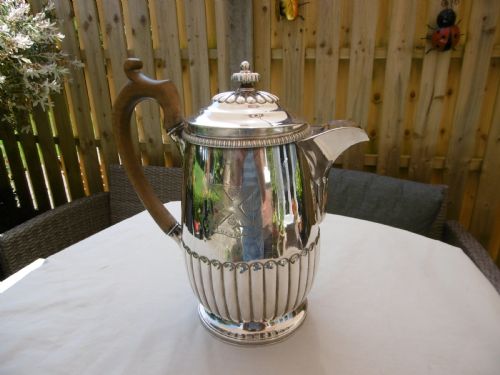


Regency Silver Urn
These pieces known as a regency silver urn are grand serving vessels and coolers shaped with classical elegance for the formal table.
Regency Silver Urn
When you search for a regency silver urn, you encounter substantial vessels created primarily for the dining room and tea service. The listings show that wine coolers and tea urns dominate this category, often taking the form of campana vessels or classical urn shapes.
The objects span the 19th Century, Georgian period, and Regency era, with many examples originating from around 1800 to 1830. Alongside true silver and sterling silver items, the selection frequently includes Old Sheffield Plate and silver plate pieces designed with neoclassical lines.
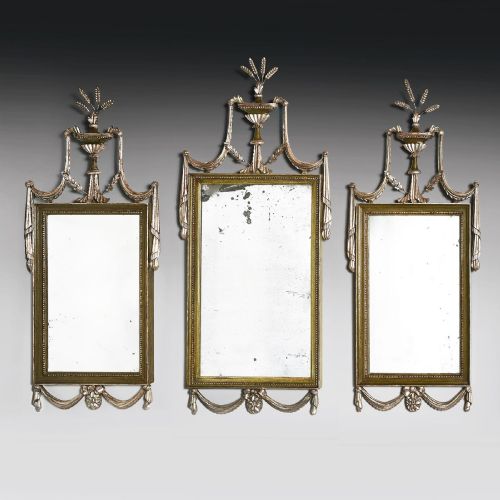
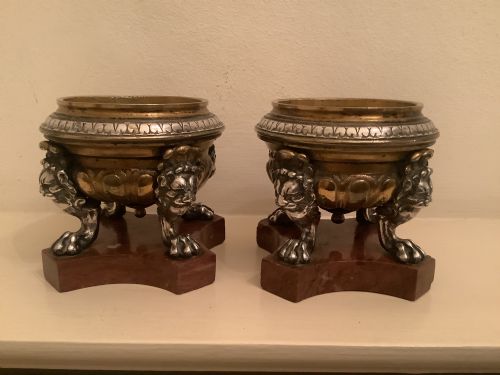
While the search specifies silver, the historical record and current listings demonstrate that these items also incorporate copper, metal, wood, gesso, and silver leaf. Forms such as coffee pots, tazzas, and jardinières appear alongside the core urn and wine cooler types.
How they were made
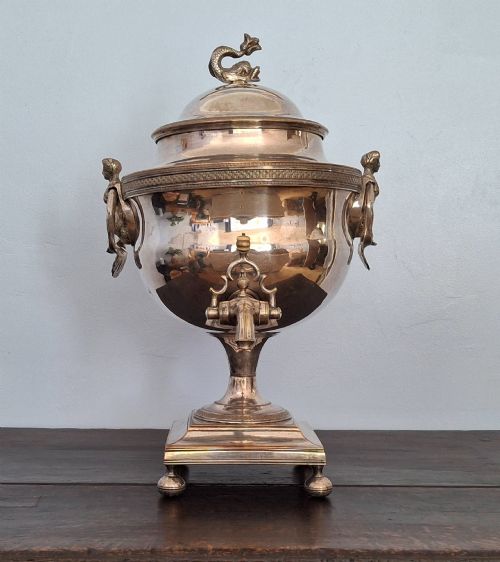
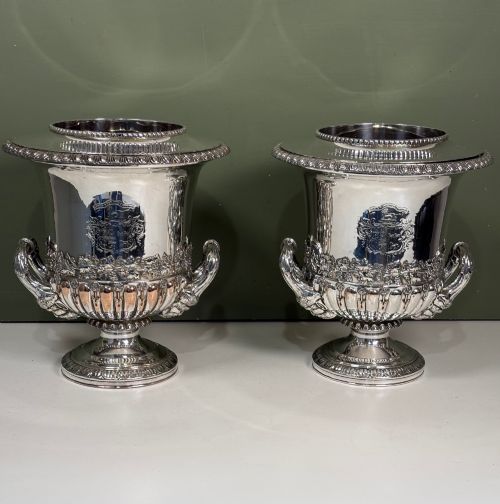
Makers utilised Old Sheffield Plate and standard silver plate over copper bases, fusing precious metal to a base metal core through heat and pressure. This technique allowed silversmiths to produce large items like wine coolers and samovars with the appearance of solid silver.
Casting and hammering shaped the metal into campana and classical urn profiles, complemented by applied crests and detailed handles. Craftsmen also combined metals with wood, gesso, and silver leaf on related forms such as mirrors and tazzas.
Regency Silver Urn Retail Price Guide 2026
Typical asking prices for regency silver urn among the pieces listed under this phrase on Sellingantiques today, from the lower quarter to the upper quarter. They describe what is for sale here now, not the wider market.
The object forms recorded on this page range from wine coolers and tea urns to coffee pots, tazzas, and decorative wall mirrors.
What varies in quality
The distinction between standard examples and the finest pieces rests in the crispness of the neoclassical cast ornamentation and the integrity of the silver plating over the copper. Master silversmiths and prominent workshops achieved deeper relief in handles, crests, and rim mounts.
Provenance and documented authorship elevate certain items, as seen in pieces bearing recognizable maker marks and heraldic crests. The weight of the metal and the harmony of the classical proportions separate utilitarian vessels from exceptional salon pieces.
Gillows Of Lancaster·Matthew Boulton·Matthew Boulton Co·Paul Storr
The Regency Silver Urn Glossary
- Campana
- A bell-shaped vessel with a flaring rim and a footed base, frequently seen in wine coolers from the Regency period.
- Old Sheffield Plate
- A fused bilayer metal formed by heating a sheet of silver to a copper ingot, creating durable plated wares before electroplating.
- Samovar
- A large heated metal urn used to boil water for tea, often elaborately styled in Georgian and Regency domestic interiors.
- Tazza
- A shallow saucer-like ornamental cup or plate raised on a stem and foot, used for serving or display.
- Neoclassical
- A style drawing inspiration from the classical art and architecture of ancient Greece and Rome, dominant during the Georgian and Regency periods.
Regency Silver Urn: Frequently Asked Questions
How do I clean a silver plated urn?
Clean these pieces gently using a soft cloth and a specialised silver cleaner formulated for plated items. Avoid harsh abrasives that can wear through the thin silver layer.
Take care around applied crests and engraved details where residue can accumulate. Regular dusting and minimal washing preserve the underlying metal and historic finish.
What is the difference between a wine cooler and a tea urn?
Wine coolers are built with thicker walls and deeper wells designed to hold ice and bottles during dining. They frequently feature campana profiles and sturdy side handles.
Tea urns and samovars incorporate spigots or taps near the base for dispensing hot water. Their internal construction focuses on heat retention rather than chilling.
Are these urns made of solid silver?
Most items found in this category consist of Old Sheffield Plate or silver plate over a copper base. Silversmiths used these composite materials to achieve grand scale without prohibitive expense.
Solid sterling silver examples do exist from the same period, marked accordingly with hallmarks. Checking the weight and inspecting rim edges reveals the underlying copper base where plating has worn.
How do I date a Regency piece?
Dating relies on stylistic markers such as neoclassical motifs, campana proportions, and the manufacturing technique of the metal. Old Sheffield Plate production methods shifted across the late 18th and early 19th centuries.
Maker marks, engraved family crests, and recorded hallmarks provide precise years of origin. Comparing the weight and decorative vocabulary to documented workshop output confirms the period.