



Regency Reverse Painted Glass
Regency reverse painted glass pieces are striking decorative works created by applying pigments directly to the rear of the glass plate.
Regency Reverse Painted Glass
When you search for regency reverse painted glass, you encounter a specialised form of historic wall art, mirrors, and miniature portraits created during the late Georgian and Regency eras.
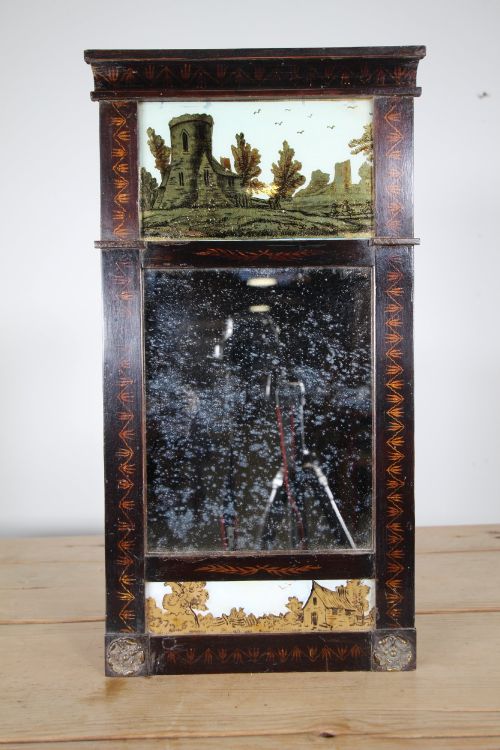
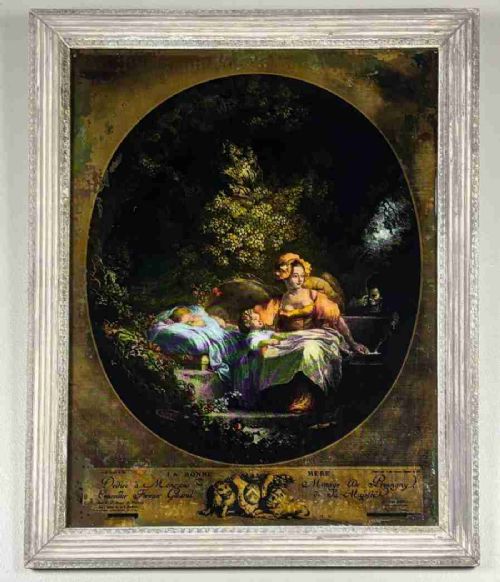
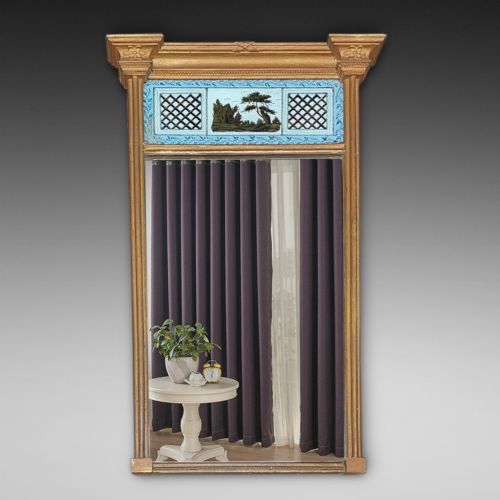
The objects on this page most commonly take the form of Regency pier mirrors featuring eglomisé panels, alongside framed reverse glass prints depicting historical naval engagements and classical allegories like Spring and Summer.
Makers also produced delicate silhouettes painted on glass and detailed portraits such as those of Queen Caroline and Archduke Charles of Austria during the nineteenth century.
How they were made
Craftsmen applied paint, pigment, and sometimes gold leaf directly onto the reverse side of the glass sheet so that the finished image appeared correctly when viewed through the front.
Makers housed these fragile glass panels within wooden frames, frequently utilising giltwood, carved maple, or simple mouldings to support the wall mirrors and prints.
Regency Reverse Painted Glass Retail Price Guide 2026
Typical asking prices for regency reverse painted glass among the pieces listed under this phrase on Sellingantiques today, from the lower quarter to the upper quarter. They describe what is for sale here now, not the wider market.
Listings span the eighteenth, nineteenth, and early twentieth centuries, uniting Regency pier mirrors with Georgian prints and later chrystoleums.
What varies in quality
The refinement of the painted detail and the intricacy of the reverse engraving distinguish finer examples from simpler commercial outputs.
The preservation of the original pigment beneath the glass and the execution of the surrounding giltwood or maple frames determine the overall visual strength of each piece.
The Regency Reverse Painted Glass Glossary
- Verre églomisé
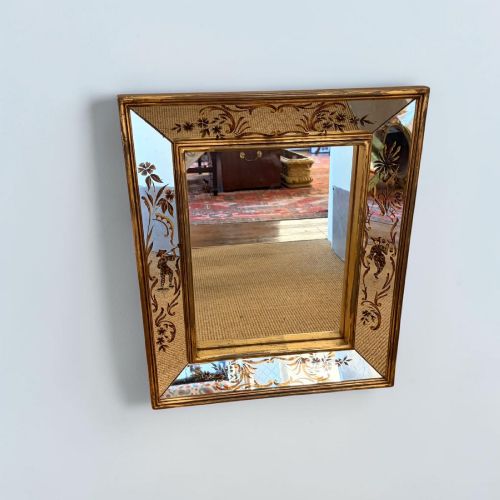
- A process of applying gold or silver leaf to glass combined with cold painting or engraving to create a reflective, decorative panel. This technique frequently appears in the upper sections of Regency pier mirrors.
- Chrystoleum
- A method of applying paint to the rear of a coloured print that has been made translucent, popular in the nineteenth century. It yields a rich depth similar to an oil painting.
- Pier mirror
- A tall mirror designed to hang on the wall space between windows. Regency versions often incorporate a painted glass or eglomisé panel above the main looking glass.
- Silhouette
- A portrait profile filled in with a solid dark pigment, sometimes enhanced with colour when executed on glass. These delicate works capture the sitter's likeness in sharp outline.
- Reverse glass print
- An image transferred and fixed onto glass before being hand-painted from the back. These depict naval battles, allegorical seasons, and royal personages.
Regency Reverse Painted Glass: Frequently Asked Questions
What is regency reverse painted glass?
These pieces are historic works created by painting, gilding, or engraving directly onto the back of a glass panel. This method protects the delicate pigments from dust and fading while producing a glossy surface finish.
The inventory includes framed prints, portrait miniatures, silhouettes, and decorative mirror panels from the Regency and wider nineteenth century.
How were these mirrors used?
Pier mirrors were hung in the narrow wall spaces between tall drawing-room windows to bounce natural light around the interior. The upper eglomisé glass panels provided a decorative focal point above the main reflective glass.
Smaller framed prints and silhouettes served as intimate wall art for private parlours and libraries.
How do I care for reverse painted glass?
Keep these fragile objects away from direct sunlight and damp environments to prevent the pigments and backing materials from degrading. The paint layer sits unprotected on the reverse of the glass, so moisture behind the panel causes severe damage.
Dust the frame gently and clean the front of the glass with a dry cloth, avoiding any liquid sprays that might seep behind the edges.
How can I tell the period?
Dating relies on the framing style, the subject matter, and the construction of the glass panel itself. Regency pieces frequently feature carved giltwood frames and patriotic naval themes or royal portraits from the early nineteenth century.
Later Victorian examples introduce different techniques like chrystoleums alongside distinct framing materials such as maple.