

Regency Porcelain Saucer
A regency porcelain saucer represents the height of early nineteenth-century ceramic design, prized for fine potting and rich hand-painted decoration.
Regency Porcelain Saucer
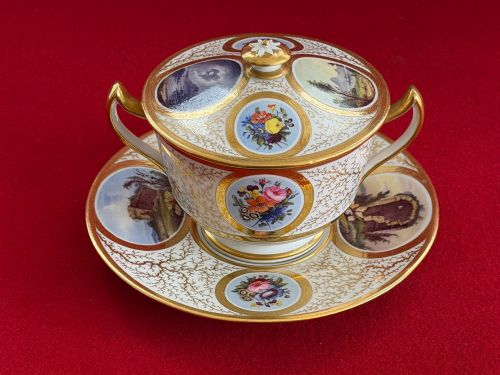
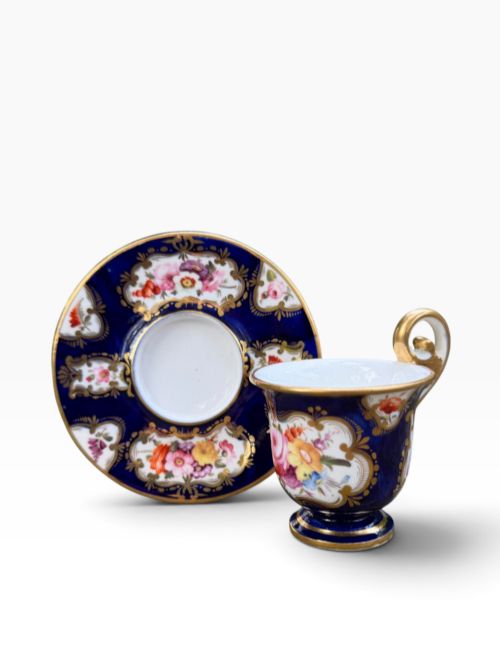
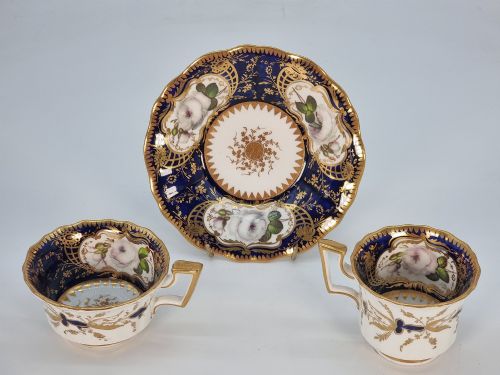
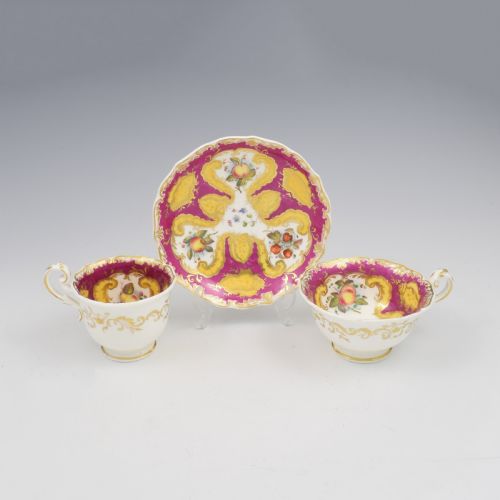
A regency porcelain saucer forms part of the rich output of early nineteenth-century English kilns, originating during the Regency, Georgian, and wider nineteenth-century periods. These items appear primarily within tea and coffee trios, duos, or as standalone cabinet pieces.
Makers across Staffordshire, Worcestershire, and Derbyshire produced these wares, employing forms influenced by Empire and Georgian Neoclassical styles. Buyers encounter saucer dishes, tea bowls, and deep saucers designed to accompany matching cups.
The objects reflect a period of immense technical ambition among English porcelain manufacturers. Surviving pieces demonstrate the domestic habits and tea-drinking rituals of the Georgian elite.
How They Were Made
Potters utilised fine porcelain and bone china bodies, shaped on the wheel or pressed in moulds to achieve delicate, thin walls. These bodies provided a smooth, white ground suited to intricate pictorial and pattern work.
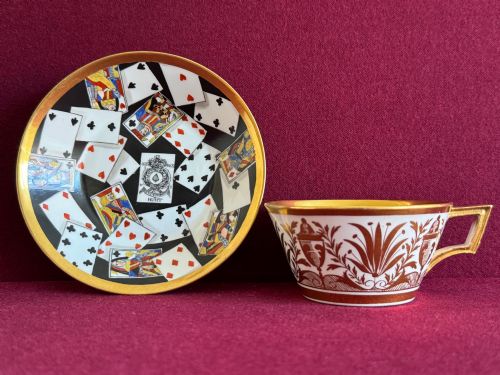
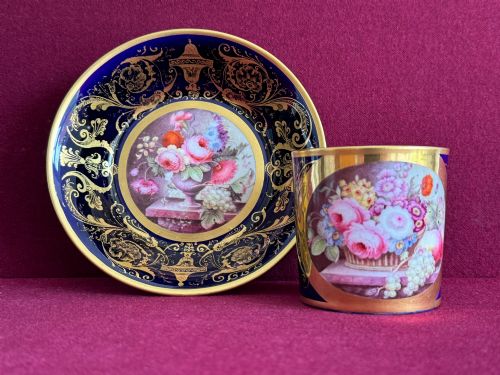
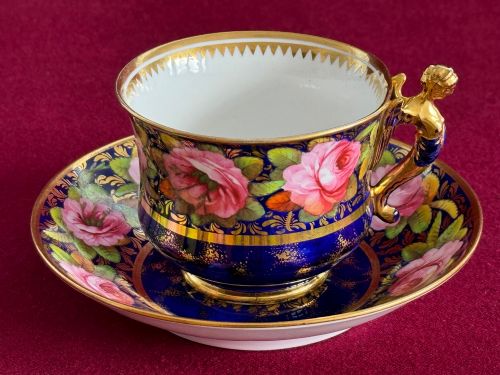
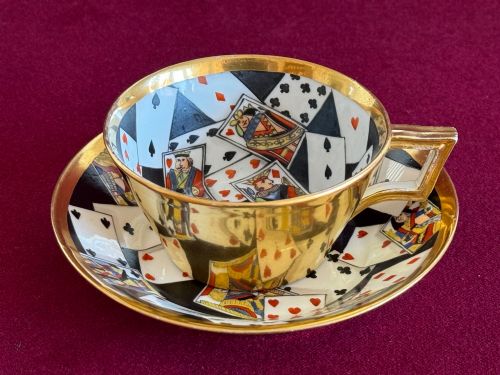
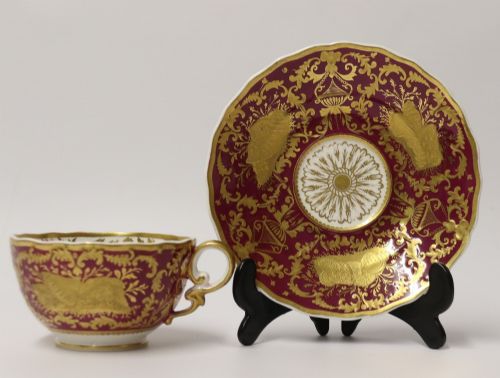
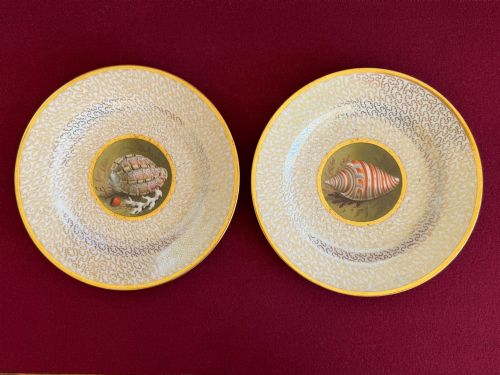
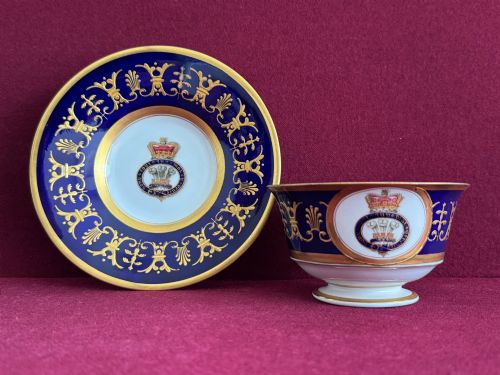
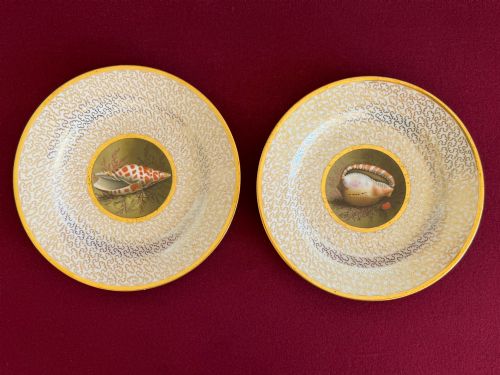
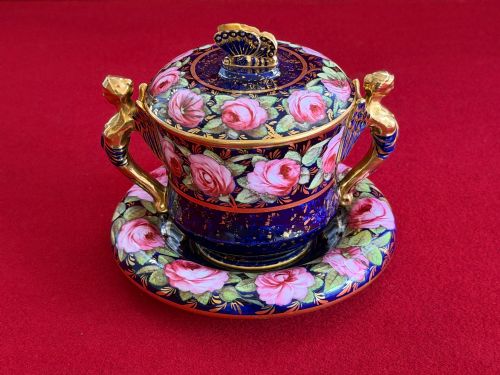
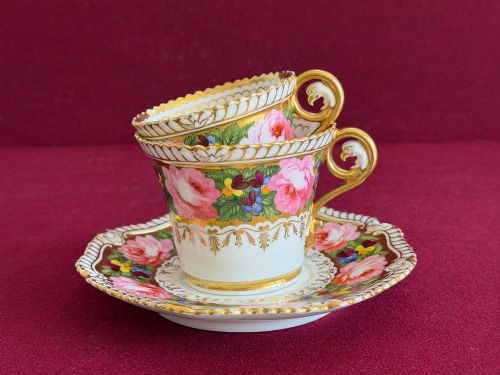
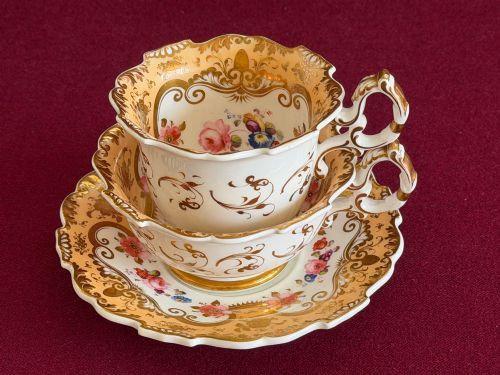
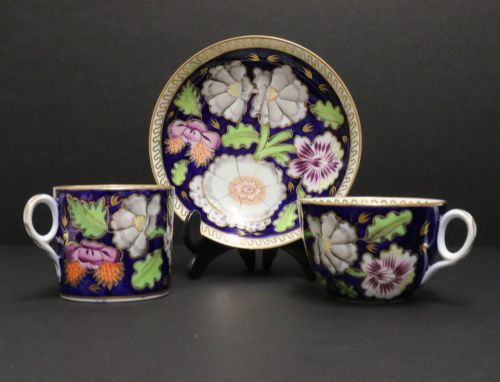
Decoration relied on hand-painted enamel colours, cobalt blue underglaze painting, and generous applications of gold leaf and gilding. Artisans frequently combined these metallic highlights with hand-painted floral, landscape, and exotic bird motifs.
Regency Porcelain Saucer Retail Price Guide 2026
Typical asking prices for regency porcelain saucer among the pieces listed under this phrase on Sellingantiques today, from the lower quarter to the upper quarter. They describe what is for sale here now, not the wider market.
Historic kilns sometimes named their playful patterns after farm animals, producing charming tea wares known by titles like the 'Crazy Cow'.
What Varies in Quality
The standard of a regency porcelain saucer rests upon the precision and ambition of its hand-painted decoration. Superior examples display meticulous brushwork by named or skilled factory artists, while lesser pieces rely on simpler, repetitive transfer printing or sparse enamel fills.
The quality of the porcelain body and the richness of the gilding further separate standard wares from exceptional cabinet pieces. Weight, translucency, and the crispness of moulded details indicate the care taken during initial firing and finishing at the kiln.
H and R Daniel·Wedgwood·Chamberlain Worcester·Spode·Davenport·Coalport·Flight and Barr·Rockingham·Derby·New Hall·Minton·Barr Flight and Barr·Hicks Meigh and Johnson
The Regency Porcelain Saucer Glossary
- Bone china
- A hybrid porcelain containing animal bone ash, developed in England to create a durable, highly translucent body. This material allowed potters to throw thinner walls without sacrificing structural integrity.
- Coffee can
- A straight-sided cylindrical cup designed for drinking strong coffee during the early nineteenth century. These vessels frequently accompanied matching saucers in a breakfast or dessert service.
- Gilding
- The application of gold leaf or gold paint to ceramic surfaces for decorative enrichment. Artisans often burnished the fired gold to create a brilliant, reflective finish against the porcelain glaze.
- Imari
- A decorative style inspired by Japanese export wares, featuring a distinct palette of cobalt blue, iron red, and gold. English factories eagerly adapted these vibrant oriental patterns during the Regency period.
- Trio
- A matched set comprising a teacup, a coffee cup, and a saucer. These three-piece ensembles formed the standard configuration for hot beverage service on grand tables.
Regency Porcelain Saucer: Frequently Asked Questions
How do I identify a Regency period saucer?
Regency saucers typically exhibit distinctive early nineteenth-century forms, ranging from deep cabinet vessels to wide tea saucer dishes. Look for characteristic stylistic traits such as Georgian Neoclassical motifs or Empire-inspired gilt borders.
Examination of the paste often reveals fine porcelain or early bone china bodies. Many pieces also feature pattern numbers or factory marks hand-painted on the underside.
Were these saucers used daily?
Many of these pieces served practical functions in domestic tea and coffee service during the early nineteenth century. Wealthy households utilised them daily for taking hot beverages in the parlour.
Finely painted cabinet pieces and armorial sets, however, frequently remained on display rather than seeing regular table use. This dual purpose explains the varied wear patterns found on surviving examples today.
What is the difference between a teacup and coffee cup saucer?
Teacup saucers traditionally feature a wider, shallower well designed to accommodate a broader, more open cup shape. Coffee cup saucers often include a deeper or more constricted central recess to secure straight-sided coffee cans.
Factories frequently produced trios where a single saucer served both cup styles interchangeably. Proportions and well diameters provide the clearest visual clues to their original pairing.
How should I care for antique porcelain?
Antique porcelain requires gentle handling, ideally resting on stable surfaces away from direct sunlight and dramatic temperature fluctuations. Hand washing in lukewarm water with mild soap is necessary; dishwashers will damage delicate enamels and gold leaf.
Display cabinets protect pieces from accidental knocks and dust accumulation. Avoid stacking saucers directly on top of one another without protective felt dividers to preserve the glaze.