





Regency Porcelain Pottery
Regency porcelain pottery brings cabinet plates, jugs, and service wares of the Georgian era to collectors who prize early nineteenth-century ceramic art.
Regency Porcelain Pottery
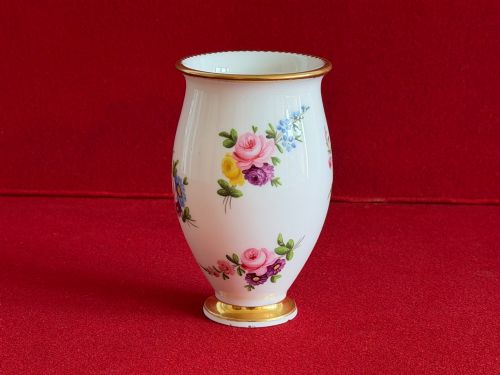
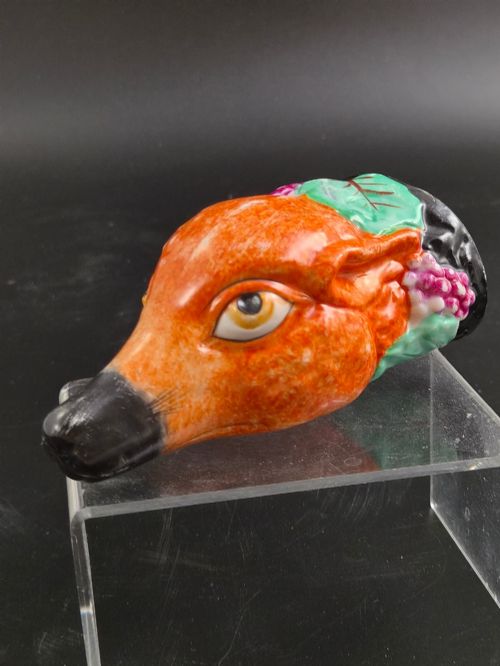
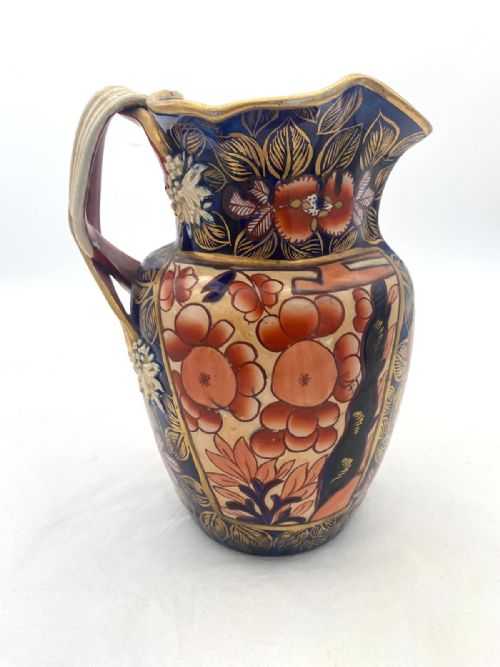
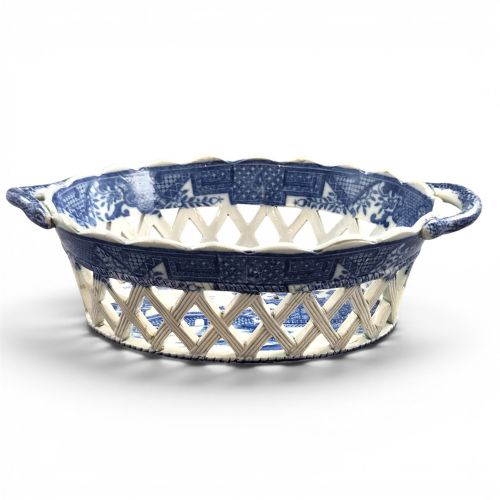
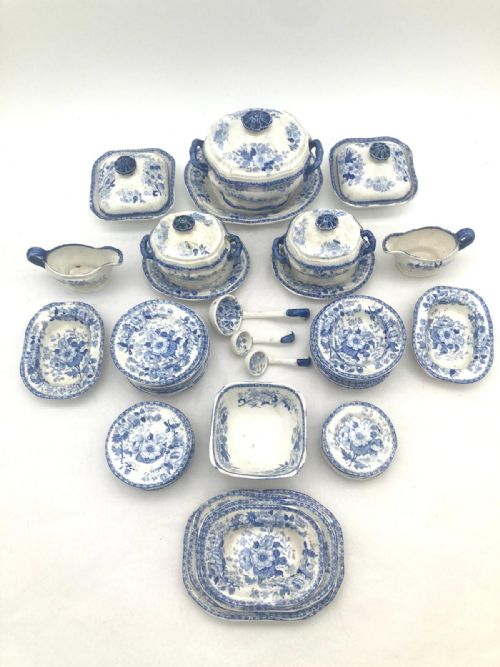
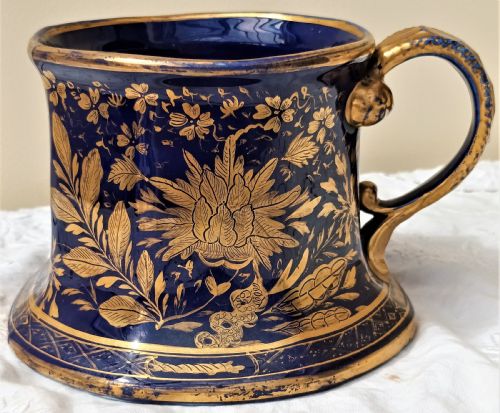
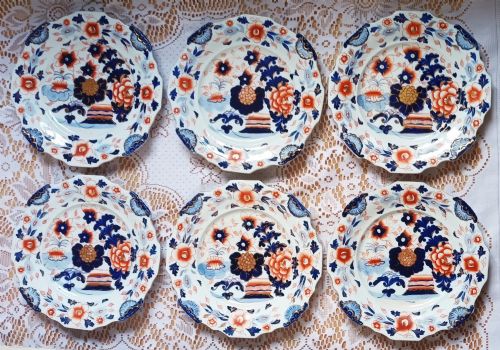
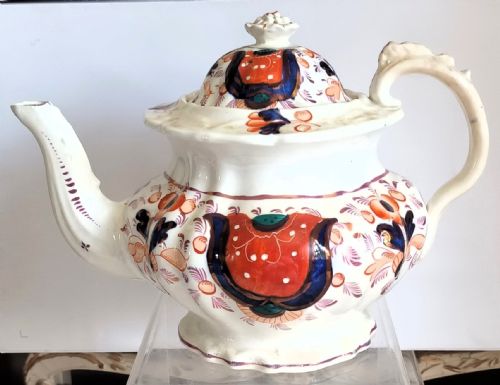
When searching for regency porcelain pottery, collectors encounter nineteenth-century ceramic objects spanning the Georgian and Regency eras. The selection on this page centres on domestic and decorative forms including decorative plates, pitchers and jugs, chestnut baskets, figures, and miniature dinnerware.
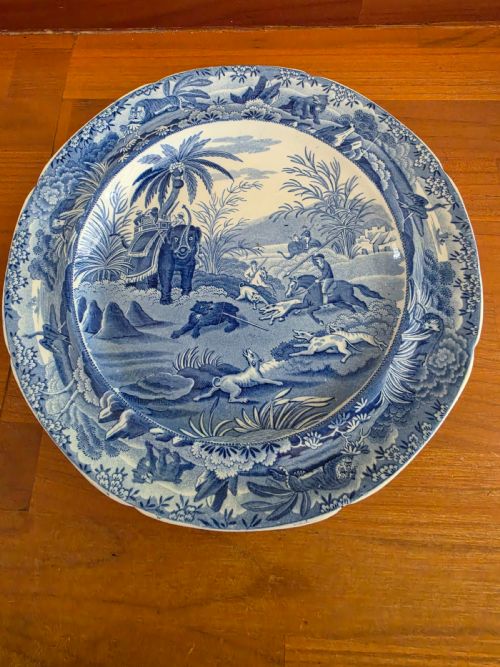
The objects originate from British potteries and factories operating during the early eighteen-hundreds. Buyers meet tablewares decorated in Imari palettes, Chinoiserie styles, and blue and white transfer prints alongside ironstone China vessels and pearlware figures.
Materials and production methods
Potters of the period utilised porcelain, ironstone, pearlware, and earthenware bodies as the foundation for their wares. These ceramic bases received hand-applied enamel colours, underglaze blue and white transfers, and gold leaf accents.
Specialised techniques enabled the creation of reticulated baskets, moulded ironstone vases, and footed bowls. Kiln firing fixed the intricate floral patterns, scenic views, and Oriental designs onto the glaze surface.
Regency Porcelain Pottery Retail Price Guide 2026
Typical asking prices for regency porcelain pottery among the pieces listed under this phrase on Sellingantiques today, from the lower quarter to the upper quarter. They describe what is for sale here now, not the wider market.
The inventory includes Georgian and Regency period objects manufactured from earthenware, enamel, porcelain, and stone china.
Factors of quality and execution
Quality in these pieces rests upon the crispness of the moulded relief and the precision of the transfer printing or hand painting. Superior examples maintain sharp details in complex scenes such as Oriental patterns and architectural motifs.
The refinement of the ceramic body and the depth of the enamel palette distinguish finer service wares and decorative objects. Potteries achieved varying degrees of fineness in their ironstone china and porcelain formulations.
Royal Staffordshire·Mason's Ironstone·Spode·Minton·Wedgwood·Davenport
The Regency Porcelain Pottery Glossary
- Ironstone
- A patented ceramic body developed to resist chipping while offering the appearance of fine porcelain. It proved exceptionally durable for heavy service wares and large jugs.
- Pearlware
- An refined earthenware featuring a bluish glaze that pooled in crevices to mimic Chinese export porcelain. It served as the base for early figures and plates.
- Transfer printing
- A technique where an engraved copper plate applied ink to tissue paper, which then transferred the design onto the ceramic body. This process allowed consistent mass production of detailed scenes.
- Imari palette
- A decorative scheme employing deep cobalt blue, iron red, and gold leaf inspired by Japanese export wares. Regency potteries adapted these bold motifs for plates and tea wares.
- Reticulated
- Describes ceramic work featuring an openwork lattice or pierced design. Chestnut baskets and dessert dishes often utilised this decorative basketry effect.
Regency Porcelain Pottery: Frequently Asked Questions
How do I care for antique ironstone?
Wash ironstone pieces gently by hand using lukewarm water and mild soap. Avoid soaking items with historic glazes or gold leaf.
Store plates and serving vessels securely in cabinet displays or use padded dividers between stacked wares to protect the glaze.
What defines the Regency style in ceramics?
Regency ceramic style draws heavily on classical antiquity, Chinoiserie, and Japanese Imari influences. Makers combined vibrant enamels with stark white ironstone and porcelain bodies.
Forms often feature bold moulding, architectural handles, and rich cobalt blue transfer prints typical of the early nineteenth century.
How were transfer printed plates made?
Craftsmen engraved copper plates with detailed pictorial scenes and applied oil-based cobalt ink. They pressed tissue paper onto the plate to lift the ink impression.
This printed paper was smoothed onto the biscuity ceramic surface before glazing and firing in the kiln.
What is the difference between pearlware and ironstone?
Pearlware is a refined earthenware developed in the Georgian era with a characteristic pale blue-tinted glaze. It formed the body for early figures and transfer printed plates.
Ironstone is a much heavier, vitrified ceramic patented to imitate true porcelain while withstanding rigorous daily dining use.