




Regency Period Vase
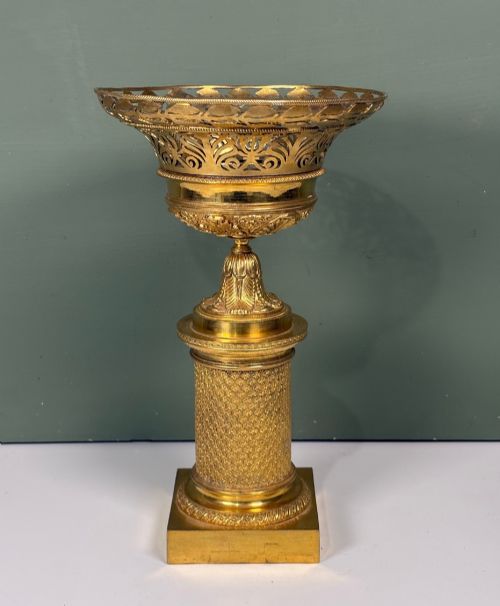
A regency period vase brings classical proportion and refined ornamentation to a room, drawing the eye with its sculptural bronze and painted porcelain forms.
Regency Period Vase
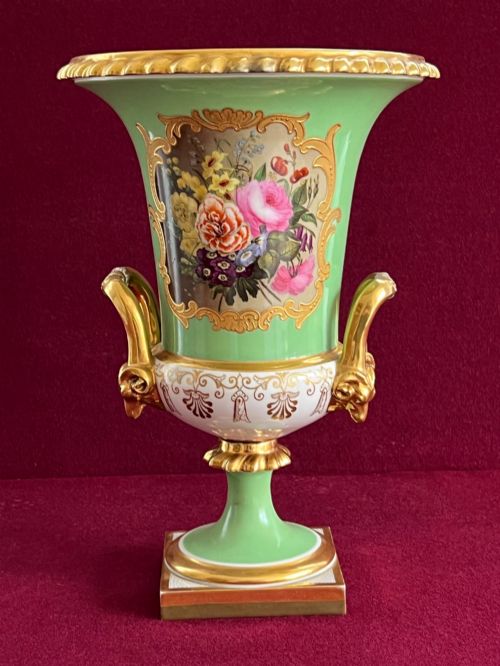
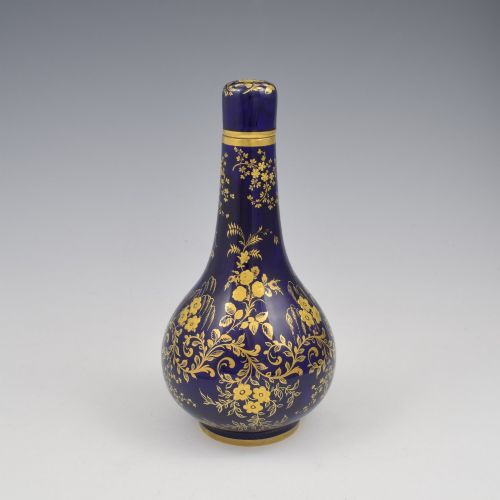
A regency period vase embodies the classical taste of the early nineteenth century, drawing heavily on ancient Greek and Roman urn shapes. The pieces on this page span the 19th Century, Regency, and Georgian periods, showcasing shapes such as the campana, the bottle vase, and the classical urn.
Most examples you will encounter skew towards English porcelain and bronze, ranging from spill vases to large decorative garden urns and wine coolers. Makers like Flight, Barr and Barr and Spode dominate the porcelain offerings, while bronze and ormolu dominate the metalwork.
Forms vary from delicate hand-painted cabinet pieces to robust ironstone and heavy cut crystal. Whether designed for flowers or displayed purely for ornament, these vessels anchor a room with distinct historical weight.
Materials and Construction
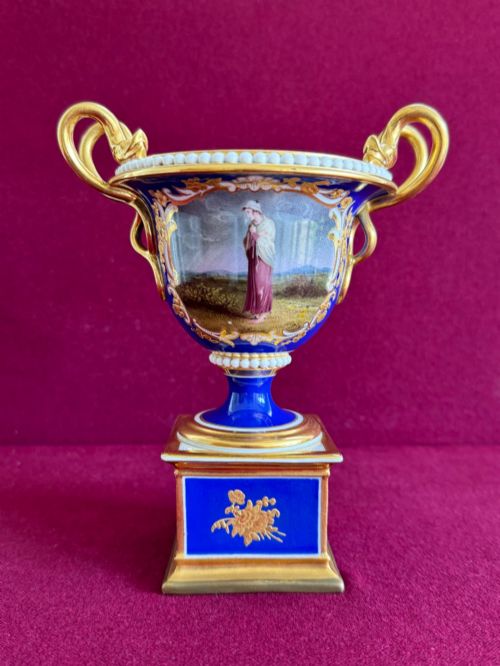
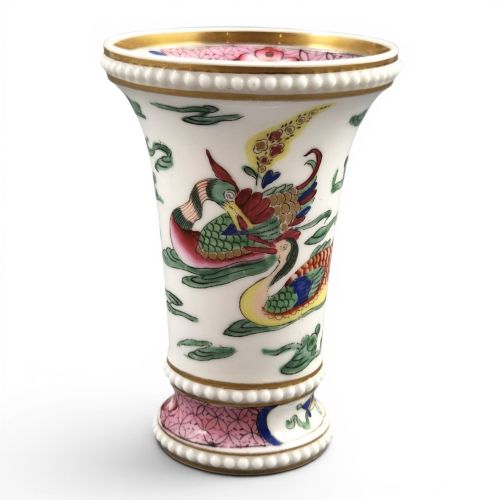
Porcelain and bone china form the backbone of these pieces, frequently hand-painted with botanical or exotic scenes and highlighted with gold leaf or gilt. Factories shaped these ceramics with precision before applying rich coloured glazes, particularly deep blues and turquoise.
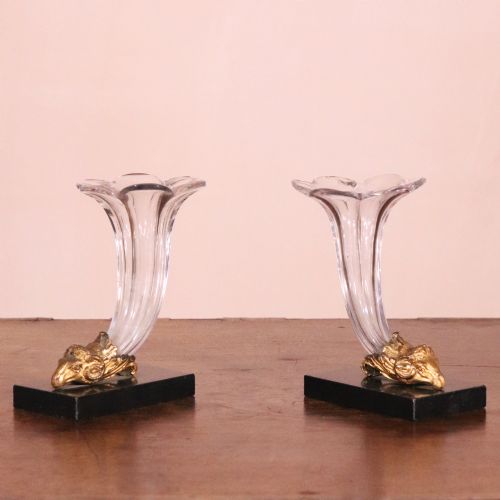
Metalwork relies on bronze, ormolu, and gilt bronze, cast into classical campana shapes or cornucopias. Artisans combined these metals with cut crystal glass and enamel to achieve the high-contrast textures favoured in the grand interiors of the era.
Regency Period Vase Retail Price Guide 2026
Typical asking prices for regency period vase among the pieces listed under this phrase on Sellingantiques today, from the lower quarter to the upper quarter. They describe what is for sale here now, not the wider market.
One recorded Minton piece bears the charming pattern name "Crazy Cow" alongside a Bengal tiger.
Judging Quality and Execution
Quality rests primarily on the crispness of the casting in bronze ormolu mounts and the finesse of the hand-painted decoration on porcelain. Finer vessels display precise brushwork, controlled gilding, and balanced proportions that reflect the rigorous standards of leading factories.
The choice of medium also dictates the character of the piece, from heavy, deeply cut crystal to refined ironstone and delicate bone china. Superior examples maintain structural integrity across mixed media, such as securely joined bronze bases and glass bodies.
Flight Barr and Barr·Barr Flight and Barr·Spode·Minton·Miles Mason·Thomas Lowe
The Regency Period Vase Glossary
- Campana
- A bell-shaped vessel with a flared rim and footed base, heavily favoured in classical designs. This silhouette underpins many bronze and porcelain urns of the era.
- Cassolette
- A decorative vase featuring a pierced or reversible cover, allowing it to function as a burner for perfumes. They often appear in matched pairs cast in bronze.
- Cornucopia
- A horn-shaped vessel symbolising abundance, adapted during this period into table ornaments and glass or metal vases. These pieces often incorporate elaborate gilt mounts.
- Ironstone
- A heavy, durable ceramic patented in the early nineteenth century to imitate Chinese porcelain. It accepted transfer printing and rich enamelling with great stability.
- Spill vase
- A tall, slender vessel designed specifically to hold wooden spills for lighting fires or candles. They were frequently potted in porcelain and decorated with naturalistic patterns.
Regency Period Vase: Frequently Asked Questions
What is a regency period vase used for?
These vessels originally served various decorative and domestic functions, from holding cut flowers and celery to functioning as potpourri containers and wine coolers.
Today, they are predominantly displayed as ornamental centerpieces or mantel decorations, though smaller spill vases and bottle vases can still hold dried stems.
How do I identify a regency period vase?
Look for classical architectural proportions, particularly campana or urn shapes influenced by Greek and Roman antiquities. Common materials include hand-painted porcelain, heavy ironstone, cut crystal, and fire-gilded bronze.
Many examples feature distinct period motifs such as Chinoiserie decoration, rich cobalt blue glazes, and refined gold leaf highlights characteristic of the early nineteenth century.
Are these vases made of porcelain or metal?
The selection includes both ceramic and metal vessels, often combining multiple materials within a single object. Porcelain, bone china, and ironstone represent the ceramic side, frequently decorated with enamel and gilt.
Metal examples utilise bronze, ormolu, and gilt bronze, sometimes paired with cut crystal glass bodies or fitted with removable covers and liners.
How should I clean my antique vase?
Dust ceramic and glass surfaces gently with a soft, dry cloth to protect delicate hand-painted enamel and gold leaf highlights. Avoid using liquid cleaners or submersing gilded metal parts in water.
Bronze and ormolu mounts require minimal intervention; simply removing dust preserves the natural patina accumulated over two centuries.