


Regency Period Tea Cup
These regency period tea cup examples combine early nineteenth century porcelain with handpainted details, offering a glimpse into sophisticated tea drinking traditions.
Regency Period Tea Cup
A regency period tea cup represents the refined drinking vessels produced during the early nineteenth century, encompassing Georgian and Regency aesthetics. These pieces often arrive as duos or trios alongside matching saucers and coffee cups.
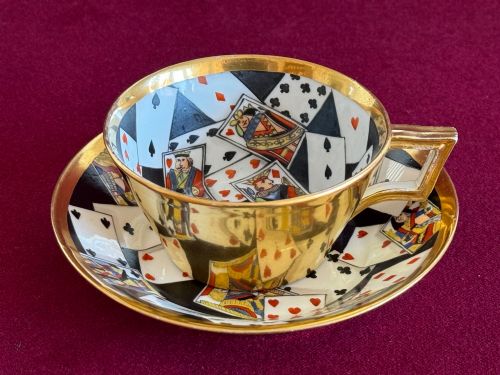
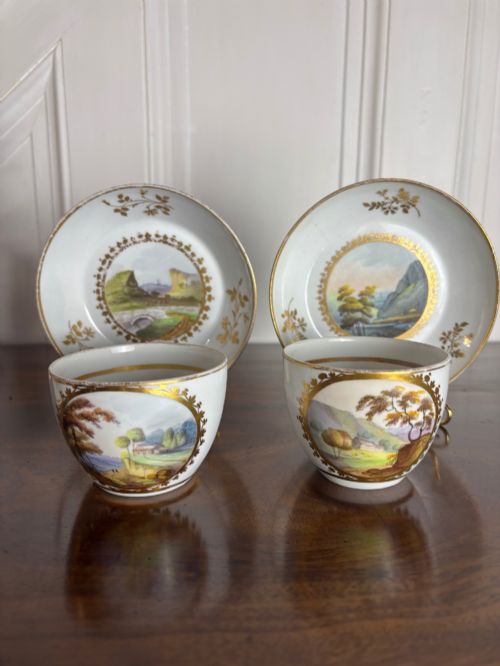
The versions most commonly met on this page span the years from eighteen hundred to eighteen fifty, capturing the transitional tastes of the period. Makers from this era embraced neoclassical motifs and detailed landscape scenes painted by hand.
Porcelain and bone china dominate these listings, reflecting the material preferences of factories operating during the Regency and Georgian reigns. Each surviving cup demonstrates the domestic habits of a distinct era in British ceramic history.
How they were made
Potters utilised fine porcelain and bone china bodies, shaping them into delicate forms before applying smooth porcelain glazes. These surfaces provided an ideal canvas for subsequent artistic decoration.
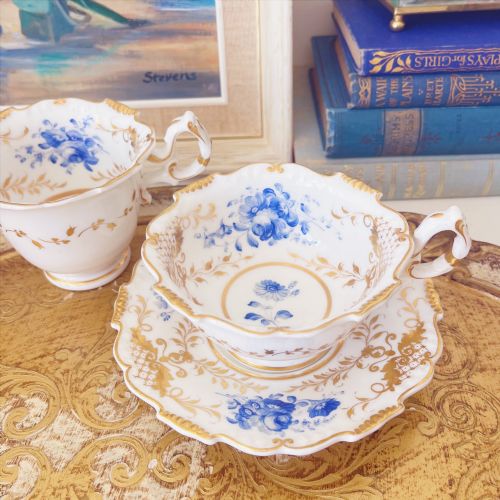
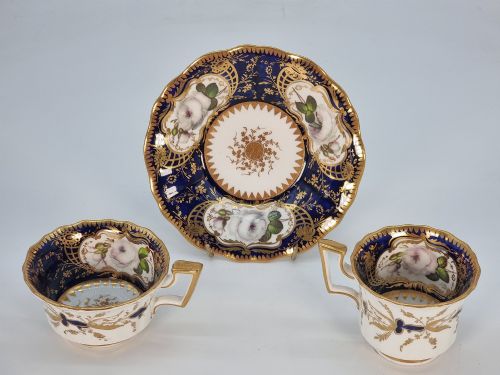
Artisans applied handpainted details and gold leaf or gold gilding to accentuate the rims and handles. Many pieces feature intricate landscapes rendered with careful brushwork.
The site listings feature porcelain and bone china pieces spanning the nineteenth century, including works from eighteen hundred to eighteen fifty.
What varies in quality
The refinement of the handpainted decoration marks a major distinction between standard items and superior examples. Skilled artists created intricate landscapes and patterns that required steady precision on curved surfaces.
The application of gold gilding and gold leaf also sets pieces apart, with finer works displaying crisp, untalented metallic finishes. The baseline quality of the porcelain body and the clarity of the glaze contribute to overall execution.
H & R Daniel Shrewsbury·Coalport John Rose·Minton·Worcester·Flight Barr and Barr·Yates·Duesbury and Kean·Derby·Spode
The Regency Period Tea Cup Glossary
- Trio
- A matched set consisting of a tea cup, a coffee cup, and a saucer. These collections allowed hosts to serve multiple hot beverages in matching china.
- Cabinet cup
- A decorative cup intended primarily for display in a cabinet rather than daily use. These often feature elaborate painting and gilding.
- Bone china
- A type of porcelain incorporating bone ash for added strength and translucency. British factories adopted this material widely during the nineteenth century.
- Gilding
- The application of gold leaf or gold powder to ceramic surfaces. This technique adds metallic highlights to handles, rims, and painted scenes.
- Porcelain glaze
- A glassy coating fused to the ceramic body through firing. It provides a smooth, impervious finish that protects the decorated surface underneath.
Regency Period Tea Cup: Frequently Asked Questions
What is a regency period tea cup?
A regency period tea cup is a ceramic drinking vessel produced during the early nineteenth century. These items showcase the distinct porcelain manufacturing and artistic styles of the Georgian and Regency eras.
They frequently appear alongside matching saucers or as part of larger breakfast and tea trios. Each piece reflects the social rituals surrounding tea consumption of the time.
How were these cups used?
These vessels served hot tea during formal social gatherings in the home. They formed part of matching tea and coffee services used by hosts to entertain guests.
Certain finer examples functioned primarily as cabinet cups meant for display. Their delicate handles and painted surfaces suited polite domestic interiors.
How do I live with antique porcelain?
Living with antique porcelain involves displaying pieces securely in cabinets or on stable surfaces away from daily hazards. Handwashing in lukewarm water without harsh detergents protects the delicate painted details and gold gilding.
Treating these items with care ensures the glaze and enamel remain intact for years to come. Enjoying them as part of a collection connects modern homes with historical craftsmanship.
How do I tell periods apart?
Distinguishing between periods relies on observing stylistic markers such as Georgian neoclassical motifs or Regency forms. Reference dates provided by makers help anchor pieces within specific decades like eighteen hundred to eighteen fifty.
Material composition, including the use of bone china or specific porcelain glazes, also offers clues to the era of production. Comparing shape profiles across listings clarifies these chronological shifts.