




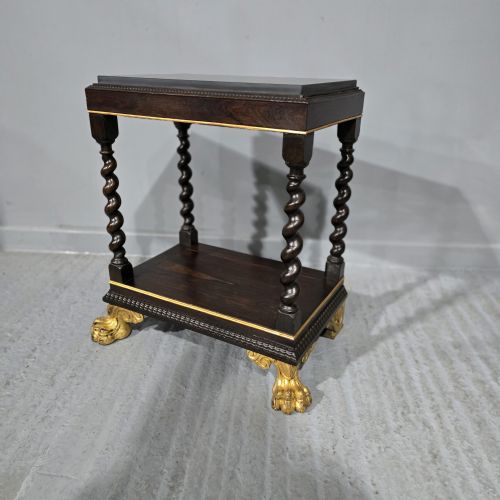

Regency Period Table Lamp
These regency period table lamp options bring classical proportion and rich timber into a room, adapting occasional and side furniture for modern lighting.
Regency Period Table Lamp
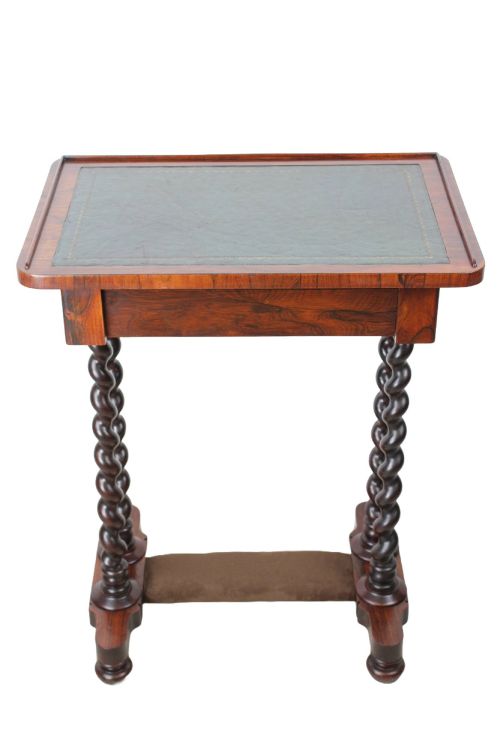
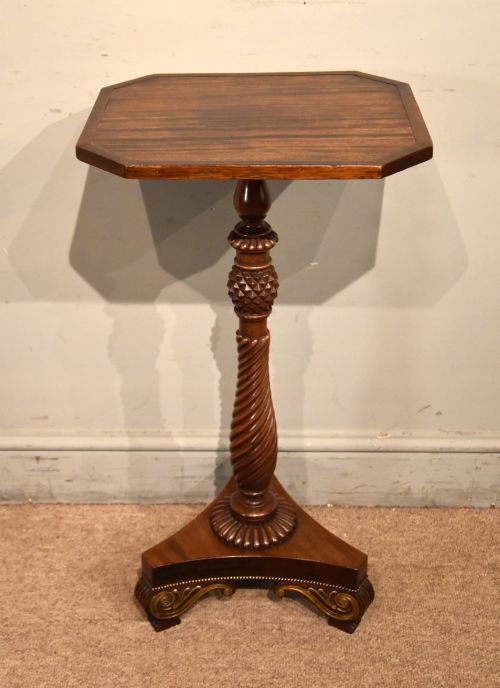
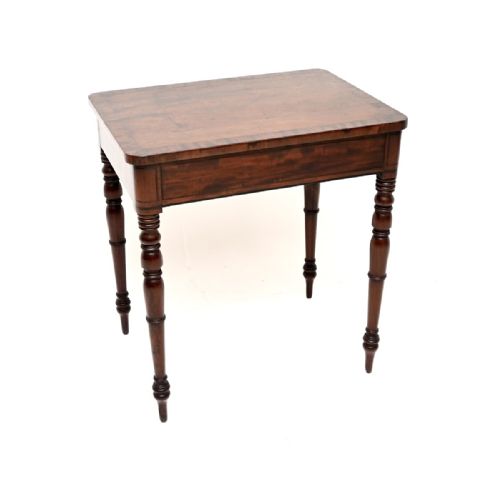
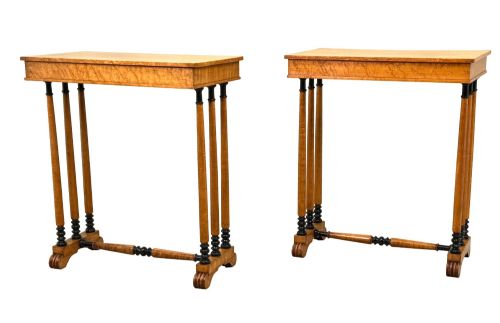
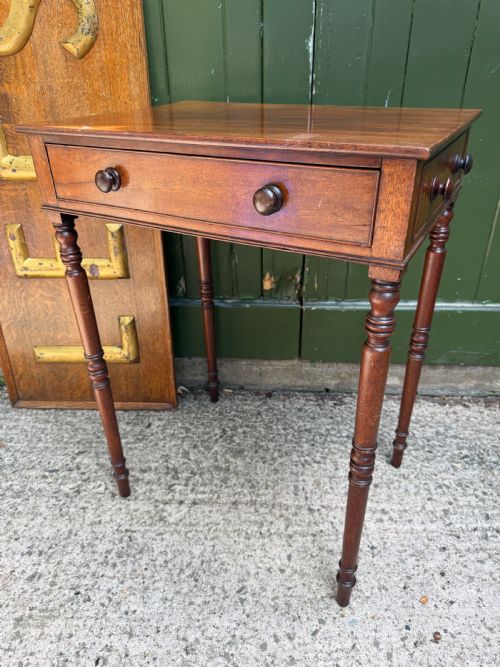
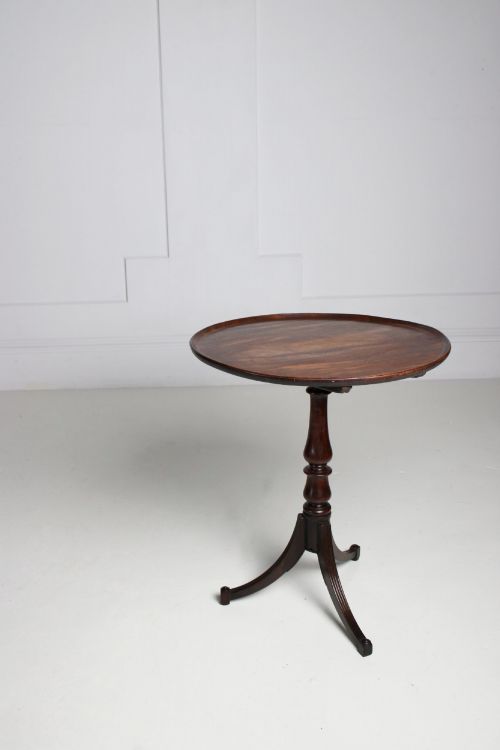
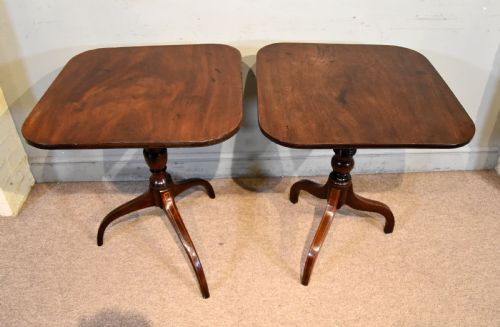
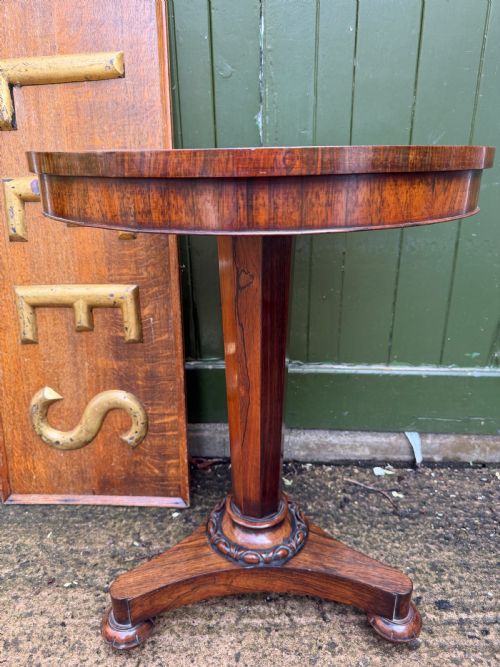
When you search for regency period table lamp, you encounter pieces spanning the Regency, George III, George IV, William IV, and broader nineteenth century eras. These lighting pieces typically originate from converted side tables, occasional tables, wine tables, and sewing tables rather than purpose-built electrical fittings from the period.
The inventory on this page draws heavily from foundational occasional forms such as tripod tables, tilt-top designs, and pedestal side tables in mahogany and rosewood. Alongside timber tables, the selection includes genuine period bronze and gilt bronze table lamps featuring columns or converted French vases from around eighteen twenty.
How they were made
Cabinetmakers constructed these pieces using dense hardwoods like mahogany, rosewood, and birdseye maple, often accented with contrasting brass inlay, ebony stringing, or inset marble tops. Turned pedestals supported on tripod legs or platform bases provided the stability needed for heavy candle or oil illumination.
Metal components relied on cast bronze and gilt bronze, occasionally incorporating decorative elements such as faux lapis lazuli columns. Conversion into table lamps involved adapting existing nineteenth century tables or mounting period vases with electrical fittings.
The inventory spans the Regency, Georgian, William IV, and French Empire stylistic periods.
What varies in quality
The distinction between ordinary and exceptional examples rests on the crispness of timber figure, the precision of brass marquetry inlay, and the elegance of the column or pedestal proportions. Pieces featuring figural rosewood veneers, finely turned tripod bases, or documented maker attribution display superior workshop execution.
Structural integrity and the retention of original surface patination dictate desirability among collectors. Modifications made during twentieth century electrification affect the overall historical coherence of the piece.
Gillow
The Regency Period Table Lamp Glossary
- Regency
- A stylistic period in British art and architecture spanning roughly from eighteen eleven to eighteen twenty-five, defined by classical Greek and Roman motifs. It draws heavily on ancient archaeological discoveries.
- Tripod table
- A small freestanding table supported by three legs radiating from a central pillar. This form proved popular for wine, reading, and lighting.
- Tilt-top
- A tabletop hinged to the pillar so it can tilt vertically when not in use. This allowed the furniture to stand flat against a wall to save floor space.
- Ormolu
- Gilt bronze applied to furniture mounts and decorative objects during the eighteenth and nineteenth centuries. The technique involves coating bronze in a mercury and gold amalgam.
- Occasional table
- A small, movable table designed for a specific subsidiary purpose in a principal room. They often served dual functions as lamp or work tables.
Regency Period Table Lamp: Frequently Asked Questions
Were these tables originally made as lamps?
Most timber pieces began life as occasional, wine, or sewing tables rather than dedicated lighting stands. Converted tables adapted well to modern wiring because their sturdy tripod or pedestal bases supported extra weight.
Purpose-built lighting from the era took the form of bronze or gilt bronze columns and classical vases. These metal stands were designed from the outset to hold oil burners or candle sconces.
How do I identify a Regency table?
Look for classical restraint, clean architectural lines, and balanced proportions inspired by ancient Greece and Rome. Details like reeded legs, brass stringing, and ebony inlay often point directly to the early nineteenth century.
Timbers shifted away from walnut toward rich Cuban mahogany, rosewood, and exotic veneers like birdseye maple. Brass paw feet and lion mask mounts also signal the neoclassical taste of the era.
What is a tilt top table used for?
The tilting mechanism allowed smaller tables to be tipped flat and stored against the perimeter of a room when not in use. This flexibility suited drawing rooms where floor space was cleared for entertaining.
In contemporary settings, a tilt top offers a clear view of the timber grain and construction joinery underneath. It remains a practical feature if you need to reposition furniture frequently.
Where should I place a lamp table?
These compact tables suit corners, beside seating, or anchored against a hallway wall where they provide a functional surface for illumination. Their small footprints mean they fit easily into living spaces without crowding the room.
Freestanding models look particularly striking when visible from multiple angles in an open interior. Pairing a timber lamp table with traditional seating highlights the warm grain of the rosewood or mahogany.