


Regency Period Mahogany Furniture
Regency period mahogany furniture brings architectural clarity and rich timber figure into domestic rooms with exceptional restraint.
Regency Period Mahogany Furniture
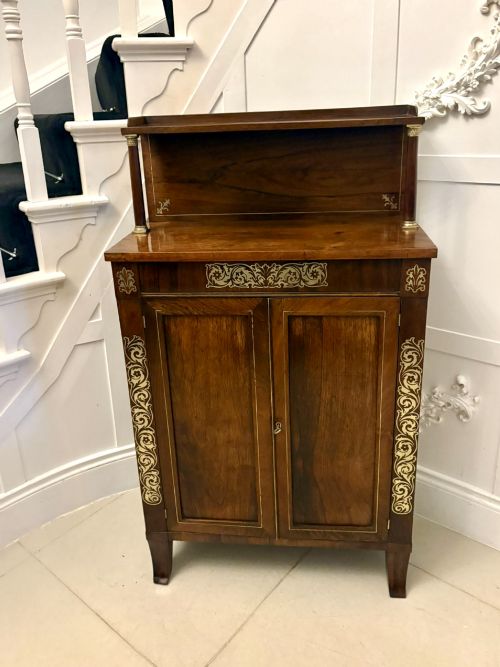
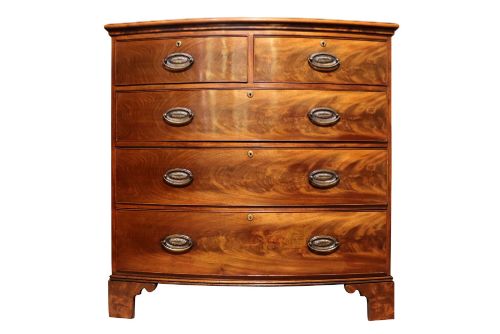
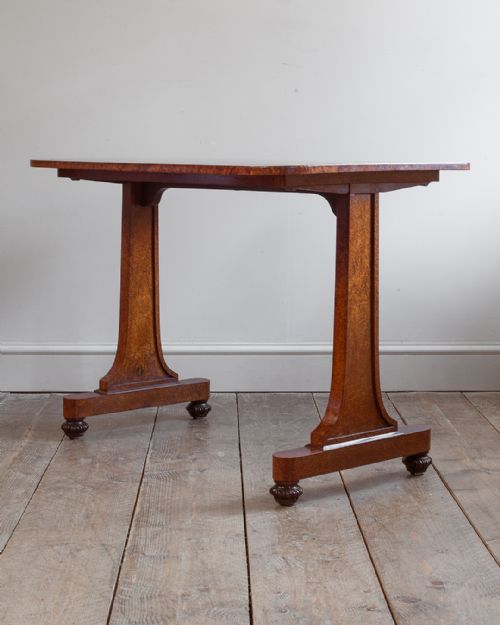
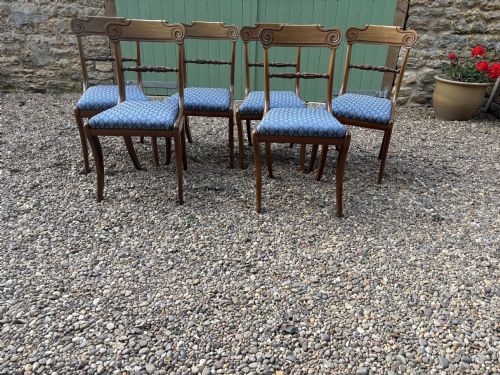
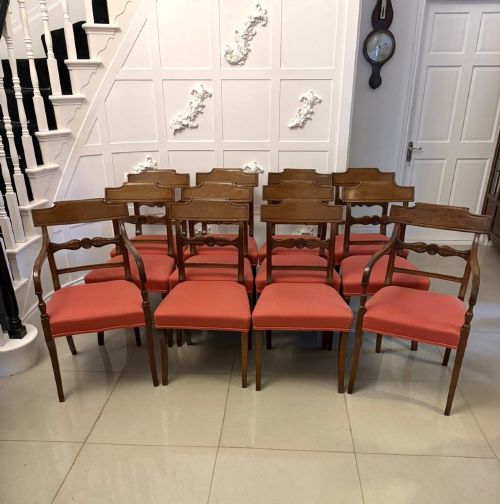
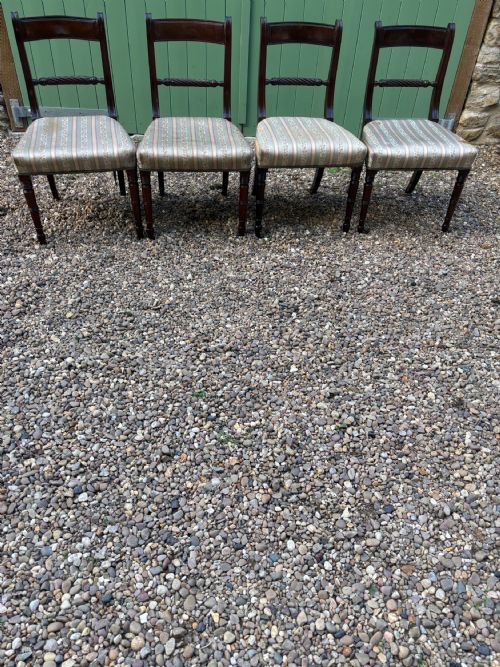
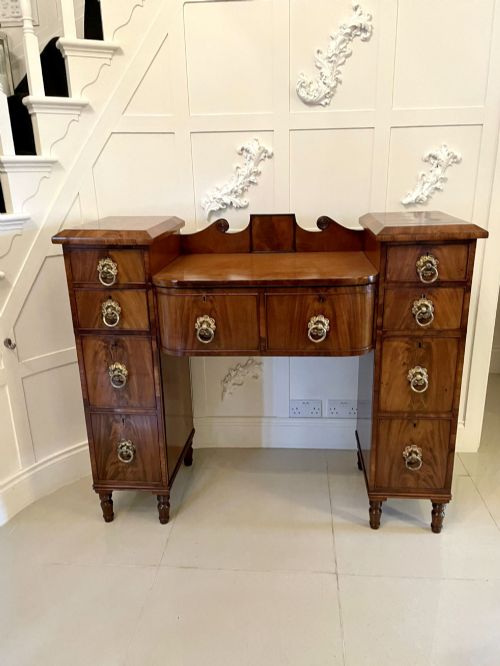
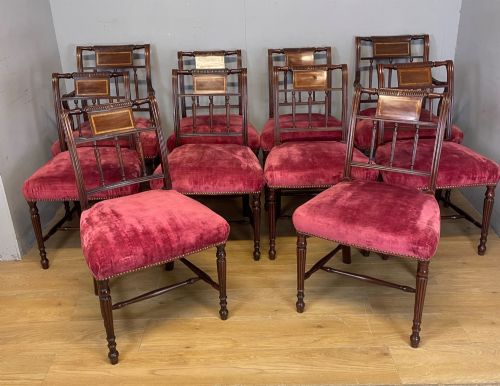
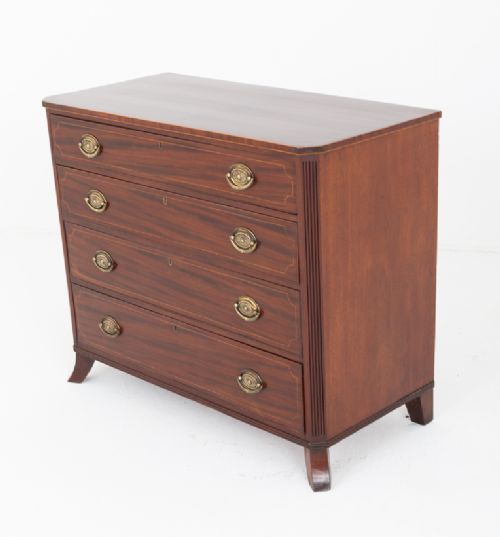
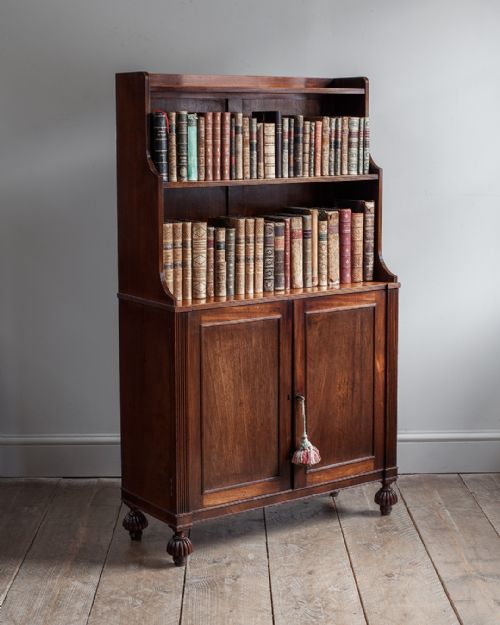
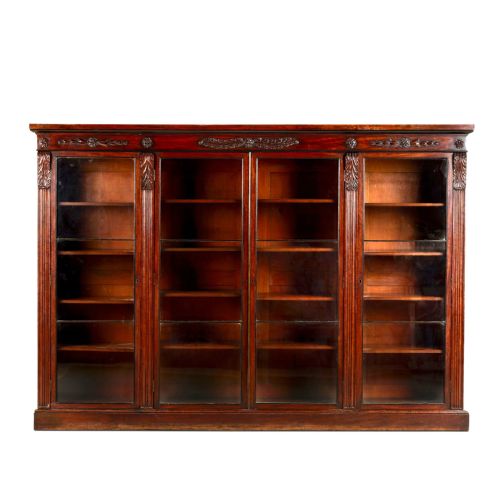
Regency period mahogany furniture encompasses the domestic items produced during the early nineteenth century alongside related Georgian and William IV pieces. Buyers searching for regency period mahogany furniture will find functional forms designed for dining, sleeping, and organising, including chests of drawers, sideboards, bookcases, and chairs.
Occasional items such as canterburys, chiffoniers, and writing tables demonstrate the specialised utility developed during the period. Most examples originate from the Regency, George IV, and William IV eras, utilising solid timber and veneers.
Factors of quality
The selection of timber grain largely dictates the visual impact of each piece, with highly figured flame veneer commanding particular attention. The crispness of carved details and the integration of brass mounts show the maker's hand.
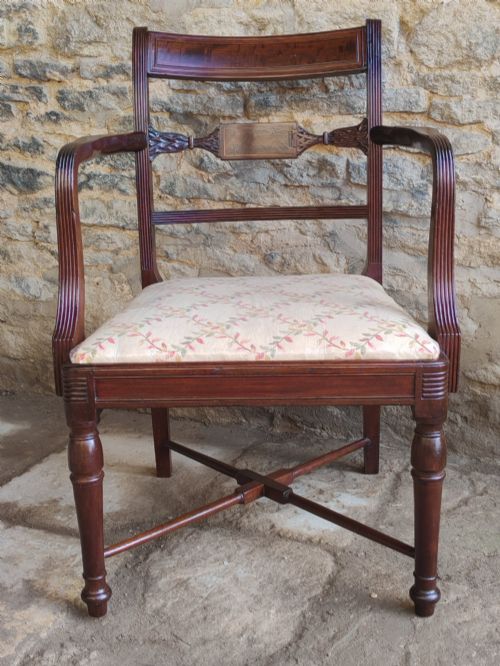
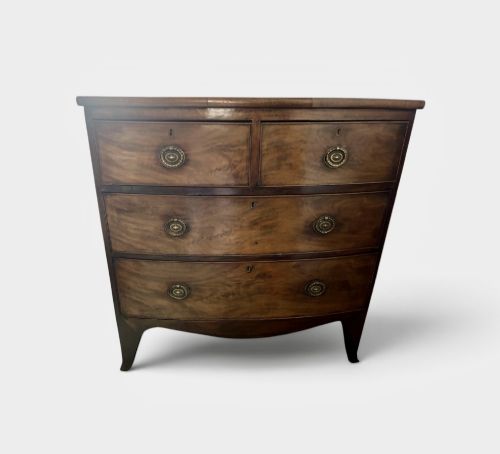
Proportion and scale determine the elegance of the silhouette, particularly in bow front chests and dining chairs. Original surfaces and patination reflect the age and subsequent care of the timber.
Canterburys were named after the Archbishop of Canterbury, who commissioned the first known music stand of this low partitioned type.
The Regency Period Mahogany Furniture Glossary
- Chiffonier
- A compact sideboard or cabinet featuring shelves or enclosed storage below. These pieces often incorporate glazed or fabric-backed doors.
- Flame mahogany
- A veneer cut from the fork of the mahogany tree where the branch meets the trunk. This method produces a distinctive swirling flame-like grain pattern.
- Compactum
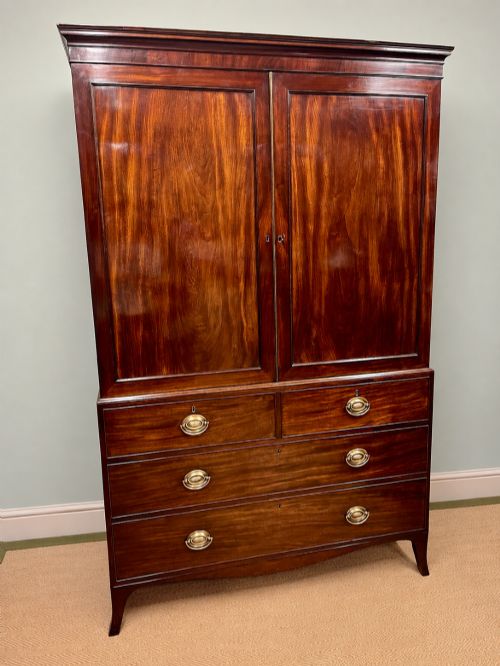
- A large fitted wardrobe providing multiple internal compartments for various garments. They offer comprehensive storage within a single architectural carcase.
- Pembroke table
- A drop-leaf table with hinged flaps on two opposing sides. They were designed as versatile breakfast or writing tables easily moved about a room.
Regency Period Mahogany Furniture: Frequently Asked Questions
What defines regency period mahogany furniture?
These items are distinguished by classical architectural proportions, dark dense mahogany timbers, and minimal carving compared to earlier Georgian styles. They focus on clean lines and refined geometry.
Craftsmen often employed contrasting brass inlay and figured veneers to accentuate the natural grain without relying on heavy ornamentation.
How do I care for mahogany surfaces?
Mahogany responds best to gentle dusting with a soft dry cloth and occasional application of traditional beeswax to nourish the timber. Avoid placing pieces in direct sunlight or near heat sources.
Maintaining stable room humidity prevents the solid wood and delicate veneers from drying out or splitting over time.
Can I use these dining chairs daily?
Most antique dining chairs from this era remain structurally robust for regular use when properly maintained. Their sturdy mahogany frames were built for enduring utility.
It is sensible to check joinery periodically and ensure that upholstered seats receive appropriate professional restoration when needed.
How do I distinguish Regency from Georgian pieces?
Regency designs draw heavier inspiration from Greek, Roman, and Egyptian antiquity with brass mounts and sabre legs. Georgian forms often display more carved ornamentation such as ball and claw feet.
There is considerable overlap as the styles evolved continuously through the late eighteenth and early nineteenth centuries.