



Regency Period Breakfast Table
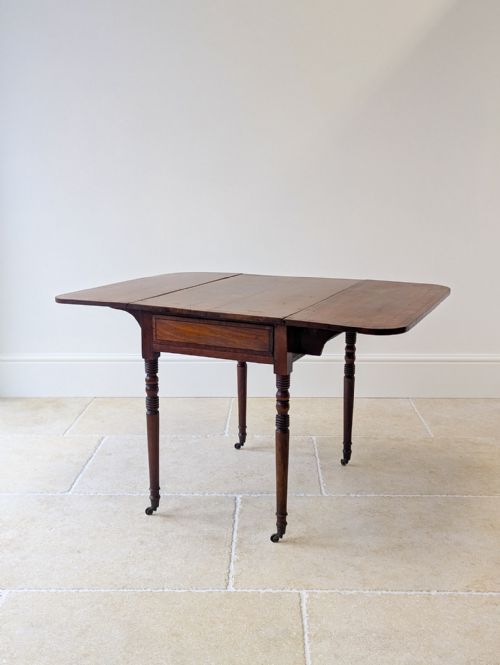
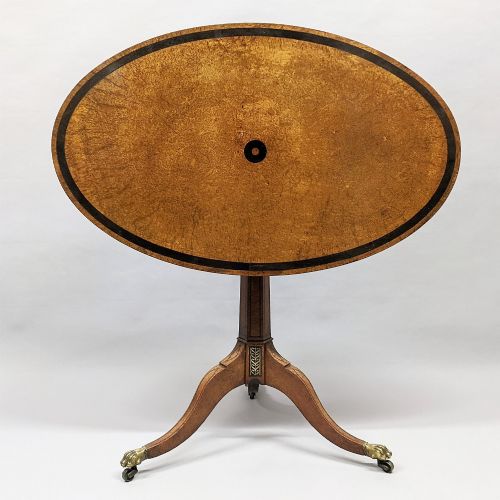
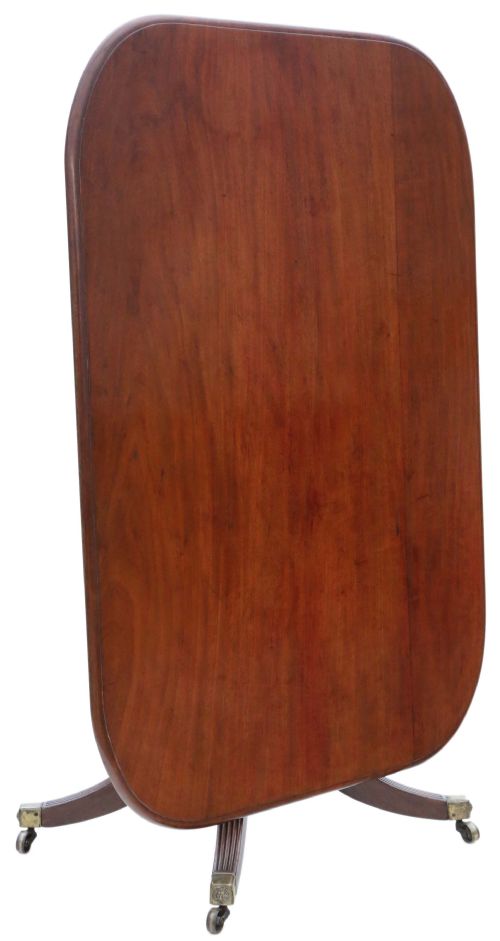
A regency period breakfast table is a circular tilt-top or fixed pedestal dining piece designed for morning meals and grand entertaining.
Regency Period Breakfast Table
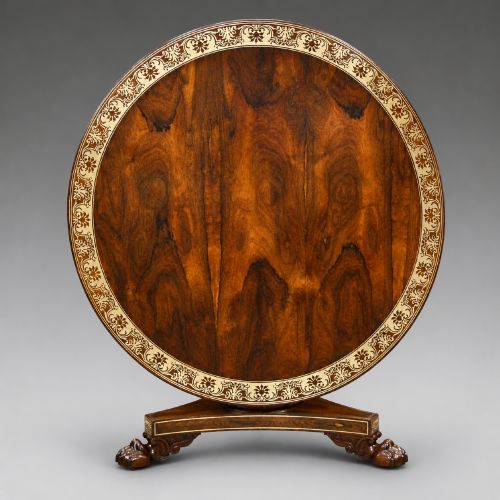
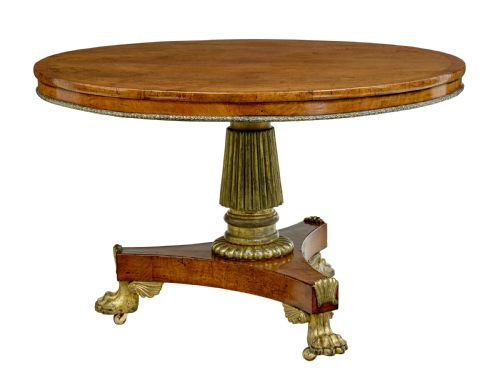
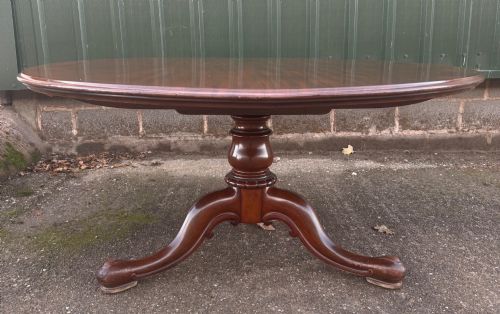
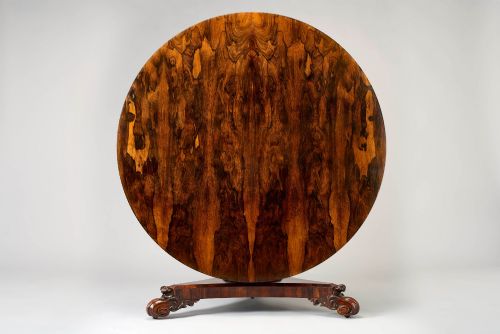
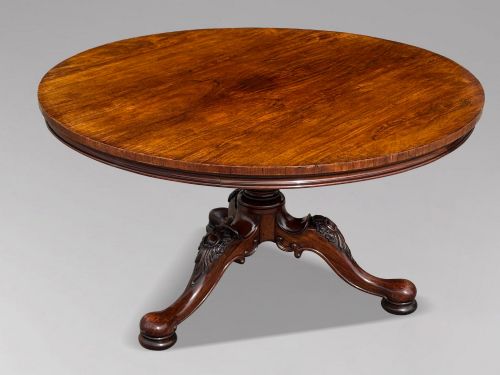
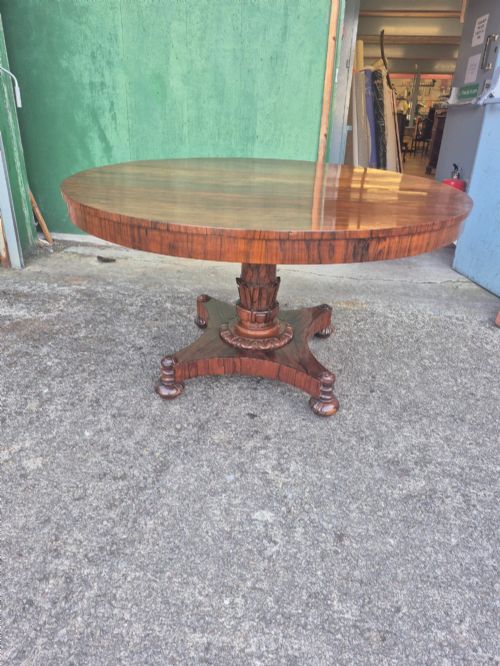
A regency period breakfast table is a substantial circular dining or centre table supported by a central pillar and platform base. Buyers encounter these pieces in rich timbers such as mahogany and rosewood, frequently dating from the early nineteenth century and the reigns of George III, George IV, and William IV.
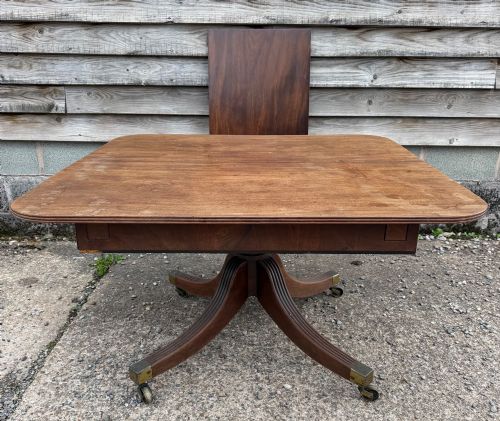
The most common formats on this page include tilt-top tables designed to save space when not in use, alongside larger extending dining versions. Makers produced these pieces for versatile domestic use, allowing them to function as breakfast tables, centre tables, or occasional dining surfaces in principal rooms.
Materials and construction
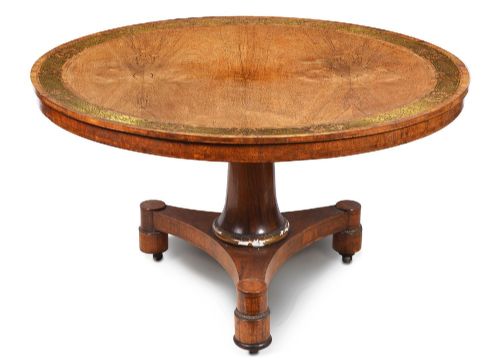
Cabinet makers utilised dense hardwoods such as Cuban mahogany, rosewood, amboyna, and coromandel, often enhanced with contrasting satinwood banding or intricate brass inlay. These timbers were selected for their pronounced grain patterns and polished to a deep lustre.
Construction techniques relied on sturdy central pedestals mounted on platform bases with brass castors, alongside patented extending actions and tilt-top mechanisms that allowed heavy timber tops to pivot securely.
Regency Period Breakfast Table Retail Price Guide 2026
Typical asking prices for regency period breakfast table among the pieces listed under this phrase on Sellingantiques today, from the lower quarter to the upper quarter. They describe what is for sale here now, not the wider market.
Recorded periods span from the late George III era through the Regency and William IV reigns into the nineteenth century.
Judging quality in these tables
Quality rests in the selection of timber, where single-piece mahogany tops or expertly matched rosewood veneers command attention. The sophistication of brass inlay work and the execution of carved pedestal bases further separate standard production from master workshops.
Structural integrity of the tilt-top mechanism and the weight of the platform base dictate durability. Superior examples display seamless movement in extending actions and refined proportions that balance heavy timber tops without wobble.
Thomas Butler·James Mein
The Regency Period Breakfast Table Glossary
- Tilt-top table
- A table designed with a hinged mechanism allowing the circular top to fold vertically when not in use. This clever design saved valuable floor space in nineteenth-century interiors.
- Patented action
- A mechanical system developed by specific makers to extend dining tables smoothly using hidden runners. These ingenious innovations represent high-status cabinet making of the era.
- Crossbanded
- A decorative border technique where veneer strips are applied perpendicularly to the grain of the main surface. This frames the top in a contrasting wood tone.
- Goncalo Alves
- An exotic dense timber utilised for striking grain contrast and rich colour variation in fine tables. It provides a distinct alternative to standard rosewood or mahogany.
Regency Period Breakfast Table: Frequently Asked Questions
How were these tables used originally?
These tables served primarily for morning breakfast meals in private chambers or formal dining in principal reception rooms. Their versatile design allowed them to function as centre tables when cleared of china.
Tilt-top variants permitted servants to fold the heavy timber surfaces upward against walls to clear floor space for dancing or other social activities between meals.
How do I care for rosewood and mahogany surfaces?
Maintain timber surfaces by applying quality beeswax polish sparingly and buffing gently with a soft cloth to preserve the natural lustre. Avoid placing tables near direct heat sources or strong sunlight to prevent timber shrinkage and veneer lifting.
Use coasters and protective mats beneath hot dishes or liquids to safeguard the polished finish against water marks and heat rings.
Can I seat six people comfortably?
Larger circular tables measuring around sixty inches in diameter accommodate six diners adequately when paired with appropriate dining chairs. The central pedestal design ensures table legs do not obstruct seating positions around the perimeter.
Extending variants offer additional versatility by incorporating extra leaves to expand seating capacity for larger gatherings.
How do I distinguish Regency from William IV pieces?
Regency pieces dating from the early nineteenth century typically display refined classical proportions, subtle brass inlay, and elegant tapering or reeded pedestal supports. Cabinet makers favoured restrained elegance inspired by ancient Roman and Greek forms.
William IV examples from the eighteen-thirties generally exhibit heavier, bolder carving, massive scroll feet, and darker timbers such as rosewood or goncalo Alves reflecting evolving Victorian tastes.