

Regency Paw Foot Table
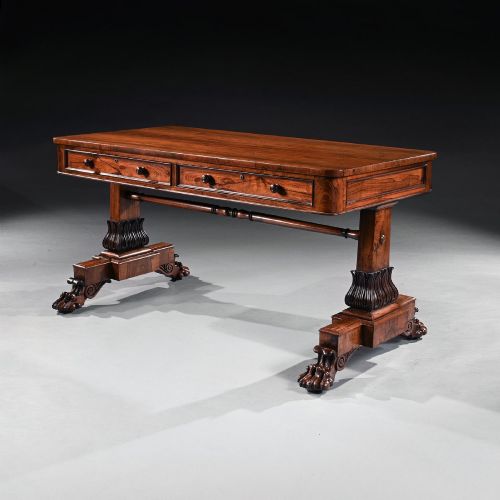
A regency paw foot table brings architectural weight to a room through carved supports and rich timbers.
Regency Paw Foot Table
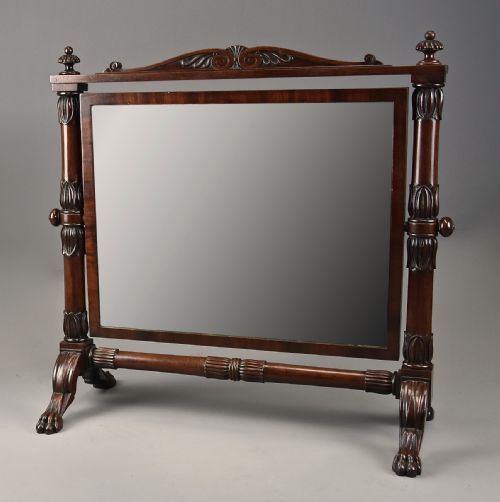
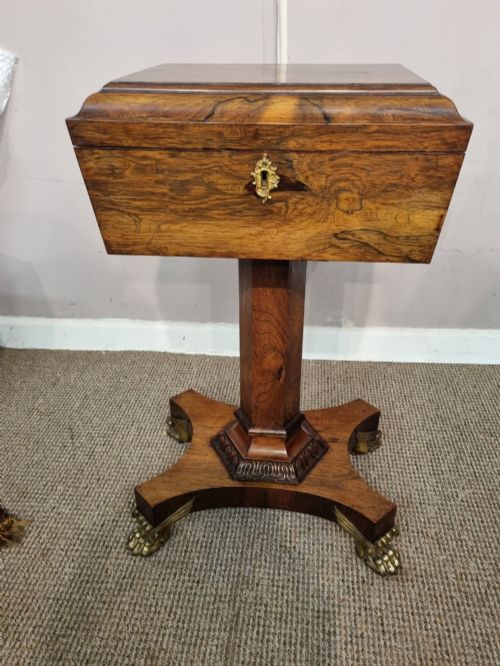
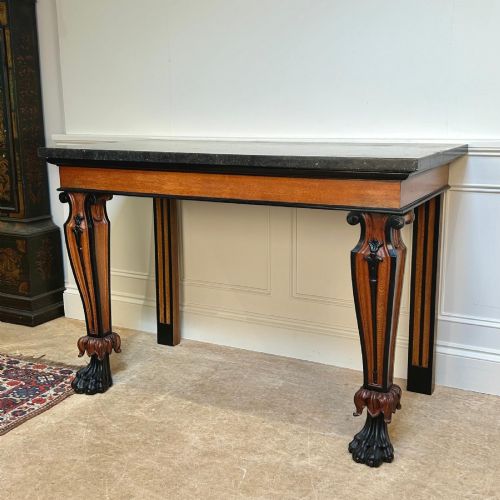
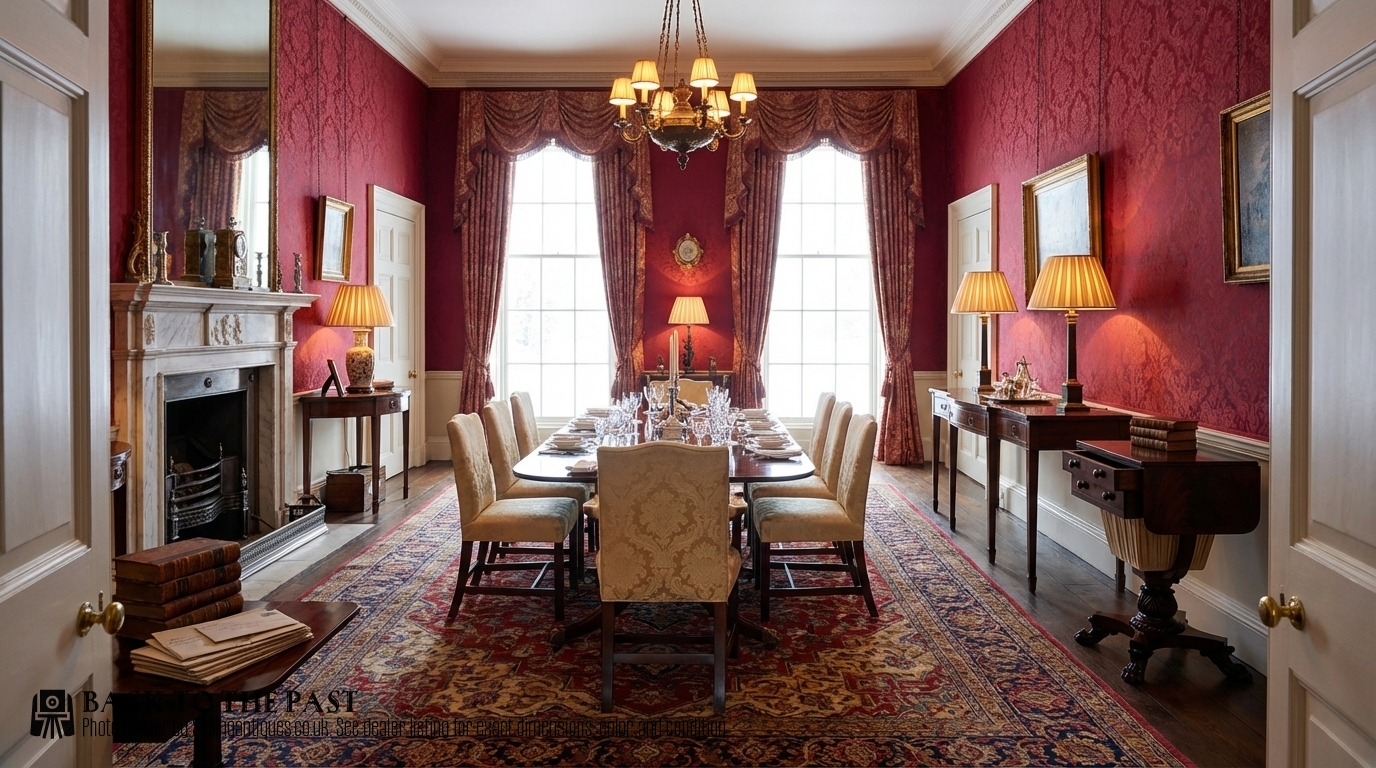
When you search for a regency paw foot table, you are looking at formal dining, library, and occasional furniture produced during the early nineteenth century and later revival periods. These pieces bring domestic utility together with classical design, often standing on carved animal feet that anchor the composition.
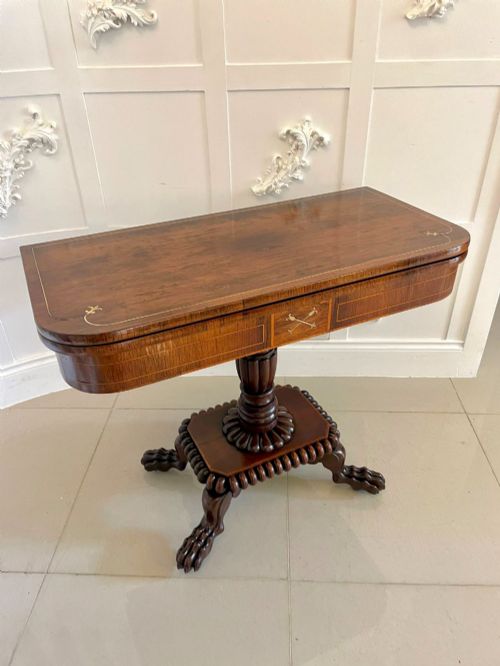
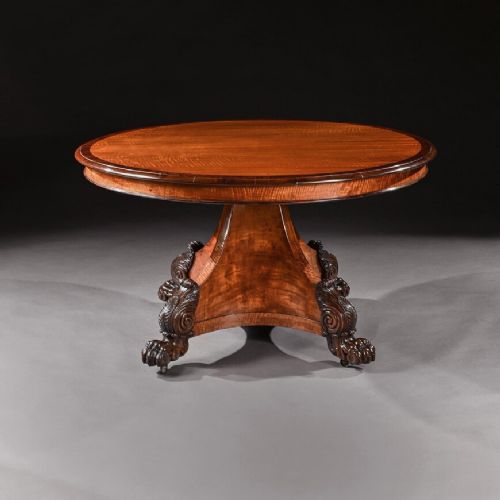
The versions you are most likely to meet on this page span the Regency, George IV, and William IV periods, alongside later nineteenth-century interpretations. They appear as card tables, breakfast tables, and centre tables constructed from dense tropical hardwoods.
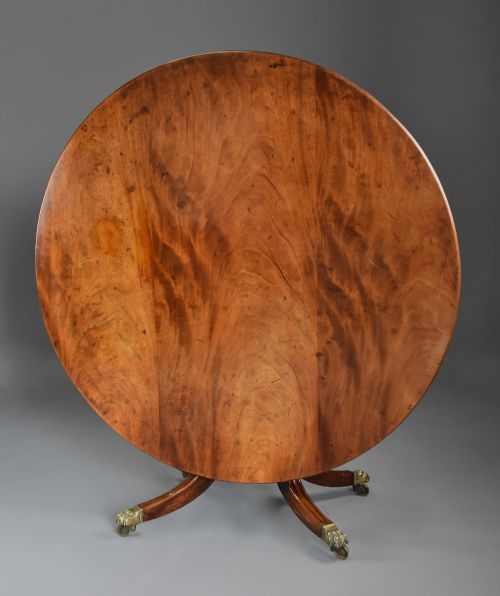
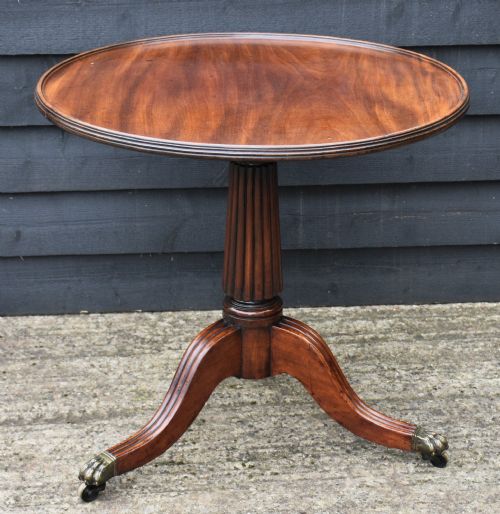
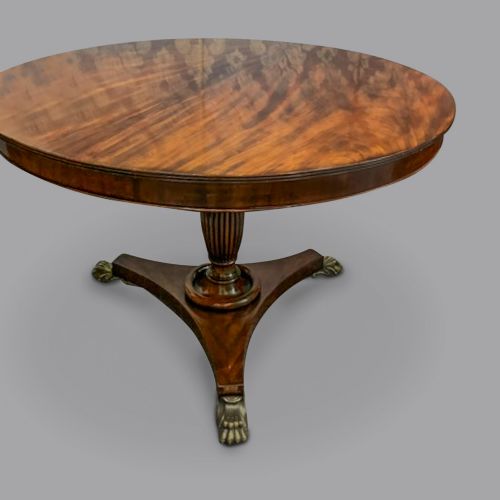
Makers of the period utilised solid timber and veneer over secondary woods to achieve proportion and balance. The forms range from round breakfast tables on central pedestals to rectangular fold-over card tables supported by pillar bases.
Materials and construction
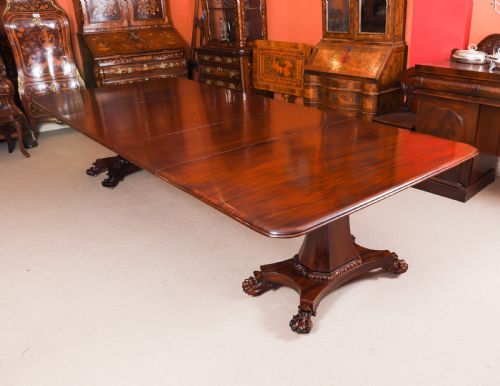
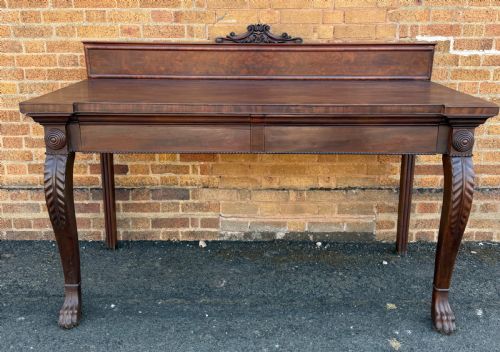
Carved wooden paws form the termination of pedestal mounts or legs, requiring skilled hand-chiselling from solid blocks of mahogany or rosewood. Joinery relied on traditional mortise and tenon methods, secure glue blocks, and turning on lathes for central pillars and pedestal bases.
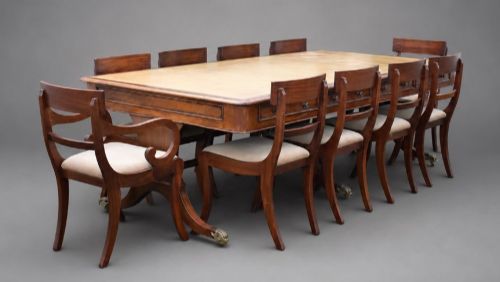
Some dining tables stretch to over ten feet long, ready for endless dinner guests.
Judging execution and finish
The distinction between ordinary and exceptional examples rests upon the depth and crispness of the carving on the paw feet and pedestals. Superior pieces display hand-carved details with clear anatomical articulation, whereas lesser items rely on mechanical tooling or simpler turned profiles.
Timber selection governs visual success, with top-tier examples exhibiting well-matched grain patterns across the top and frieze. The integrity of the polish, whether French polished or waxed, influences how light interacts with the wood surface over time.
P and MA Nicholson·James Mein of Kelso·Jean-Joseph Chapuis·Peters of Genoa
The Regency Paw Foot Table Glossary
- Triform base
- A three-sided platform or foot arrangement used to support a central pedestal. This configuration provides stability for heavy round breakfast and centre tables.
- Card table
- A folding table designed for evening gaming, featuring a hinged top that opens to reveal a baize-lined playing surface. Many examples include a concealed well for cards and counters.
- Flame mahogany veneer
- A sliced layer of timber taken from the fork of a mahogany tree where the branch meets the trunk. This cut creates a distinctive flickering flame pattern across the table top.
- Brass inlay
- Thin strips or motifs of brass set flush into the wooden surface of the table top or frieze. This technique creates geometric or classical decorative borders against dark timbers.
- Breakfast table
- A pedestal table designed for morning use, typically featuring a tilt-top mechanism that allowed the surface to be stored vertically against a wall when not in use.
Regency Paw Foot Table: Frequently Asked Questions
How were these tables used originally?
These tables served specific functions in formal nineteenth-century interiors, acting as surfaces for dining, playing cards, or displaying decorative objects.
Card tables stood against walls until needed for evening entertainment, while breakfast tables occupied the centre of morning rooms.
How do I care for rosewood and mahogany surfaces?
Maintain these timbers by keeping them away from direct sunlight and sudden temperature changes, which can dry out the wood and crack the veneer.
Apply a traditional beeswax polish sparingly and buff with a soft cloth to preserve the depth of the finish.
Can I use a tilt-top table every day?
The tilting mechanism allows the table top to pivot vertically for storage against a wall, a feature originally designed to save space in crowded rooms.
Frequent tilting is safe if the brass catch and block mechanism remain secure and aligned.