



Regency Paper Cut
Regency paper cut works are delicate profile portraits and botanical compositions hand-snipped from paper, offering collectors intimate miniature history.
Regency Paper Cut
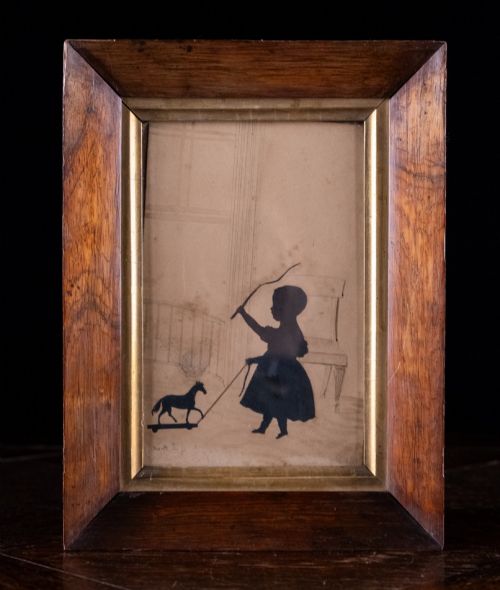
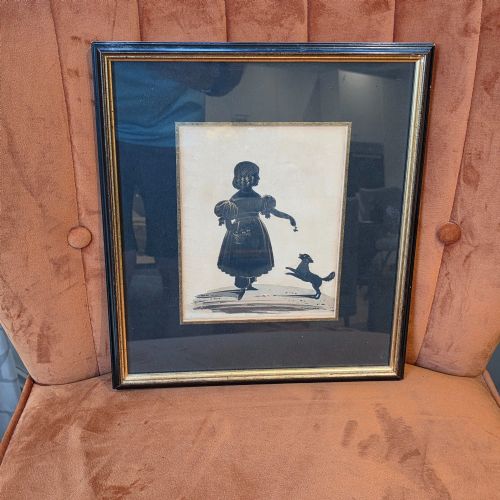
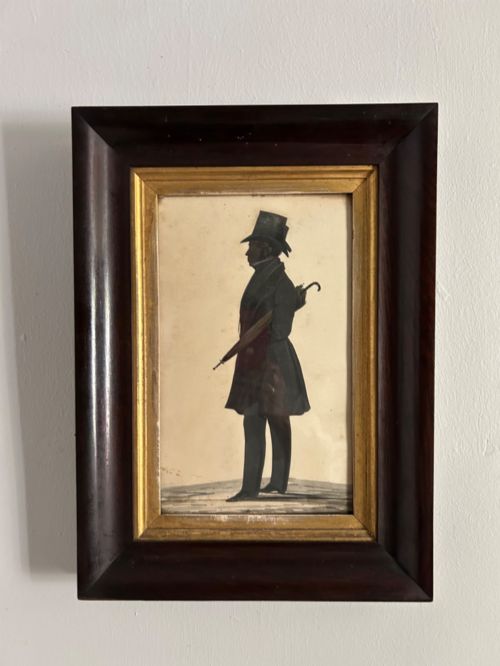
When you search for regency paper cut, you encounter silhouette portraits and floral pictures created in the early nineteenth century. These pieces record the likenesses of gentlemen, ladies, children, and domestic animals alongside decorative subjects.
You meet framed wall art housed in maple, gilt, or ebony surrounds, often retaining original glass and brass hangers. The most frequent forms on this page are silhouette portraits showing figures in profile.
The objects span the Regency, Georgian, and early Victorian periods, capturing a precise era of profile likenesses before the widespread adoption of photography.
How they were made
Maker's scissors snipped dark paper freehand or with minimal pencil guidance to form the primary silhouette. Artists then applied ink, watercolour, and gold leaf highlights directly onto the paper or the background card.
Makers mounted these delicate cut papers behind glass, frequently within maple wood frames, gilt surrounds, or dark ebony mouldings to protect the paper from dust and moisture.
Regency Paper Cut Retail Price Guide 2026
Typical asking prices for regency paper cut among the pieces listed under this phrase on Sellingantiques today, from the lower quarter to the upper quarter. They describe what is for sale here now, not the wider market.
Listings feature paper, glass, ink, wood, brass, gold leaf, maple, and gilt across the nineteenth century.
What varies in quality
The inclusion of delicate gilt highlights, watercolour washes, or signed attributions elevates a piece. Framing materials also vary, with original maple or ebony surrounds adding considerable character compared to later replacements.
William James Hubard·Augustin Edouart·Frederick Frith
The Regency Paper Cut Glossary
- Silhouette
- A solid shape representing an outline, usually a profile portrait filled in with a dark colour. This form became the primary method of portraiture before photographic methods developed.
- Reverse cut
- A technique where the background paper is cut away and removed, leaving the central figure attached to the backing sheet. This method requires steady scissor control to preserve delicate extremities.
- Gilt highlights
- Fine touches of gold leaf or metallic paint applied to paper silhouettes to accent clothing, jewellery, or hair. These additions bring depth and contrast to plain black paper.
- Profile
- A view of a head or face from the side. Regency portrait artists relied on this angle to capture recognizable likenesses through outlines alone.
- Ebony frame
- A dark, heavy timber housing used to enclose and protect works on paper. Such frames provide high contrast against light backgrounds and gilt details.
Regency Paper Cut: Frequently Asked Questions
How are regency paper cut portraits signed?
Makers often signed directly on the paper beneath the silhouette or inscribed attribution details on the reverse of the backing board. Some pieces carry stamps from commercial establishments like the Hubard Gallery.
Signatures can also appear in ink script alongside dated production years, though many surviving works remain unsigned by their original creators.
Where should I hang these framed silhouettes?
These delicate paper works require placement away from direct sunlight to prevent the ink and paper from fading over time. Stable indoor humidity levels protect the fragile paper and wooden frames.
Group displays work well on narrow wall spaces where visitors can inspect the fine scissor work and painted highlights up close.
How do I distinguish Regency from Victorian silhouettes?
Regency examples often feature lighter framing woods like maple alongside distinctive costume details such as turban caps and high-collared coats. The cutting style tends to emphasise crisp profiles.
Victorian pieces frequently incorporate heavier framing and different clothing styles that reflect changing nineteenth century fashions and portraiture standards.
Are these paper pieces original to their frames?
Many listings retain their early nineteenth century frames, complete with original glass and backing papers. Examining the corner joints and backing materials helps determine if the housing is period-correct.
Replaced frames appear occasionally, though original ebony or maple surrounds remain common among surviving nineteenth century examples.