

Regency Occasional Furniture
Regency occasional furniture brings together mahogany, rosewood and brass in tables and stands built to serve flexible daily use.
Regency Occasional Furniture
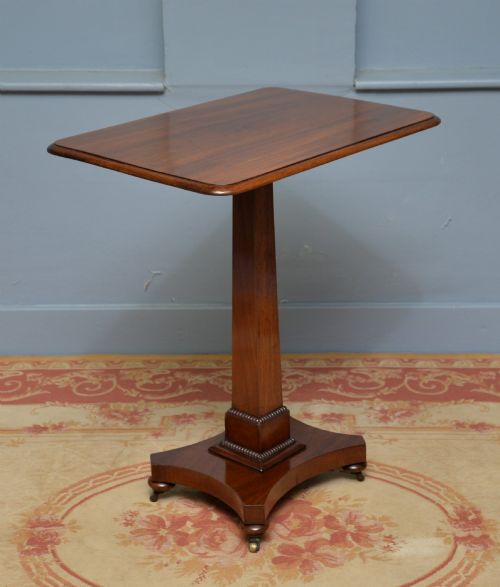
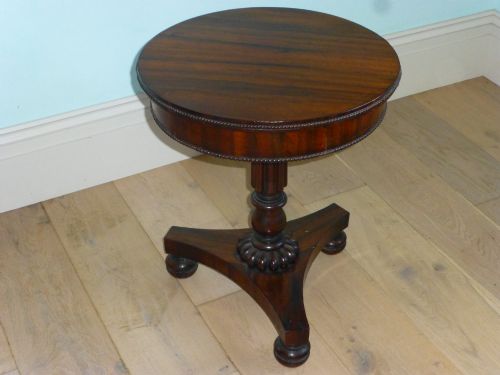
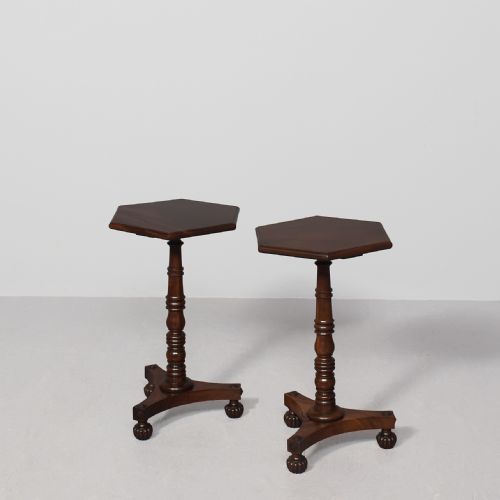
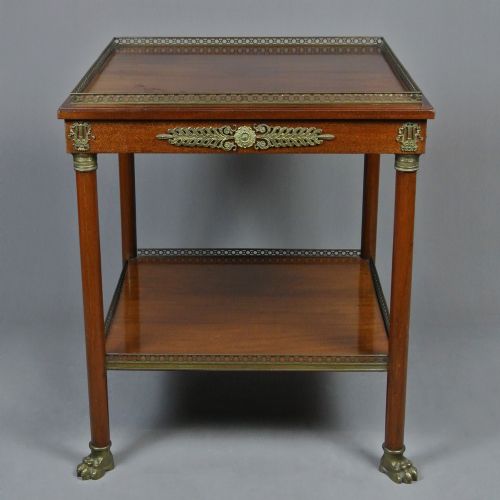
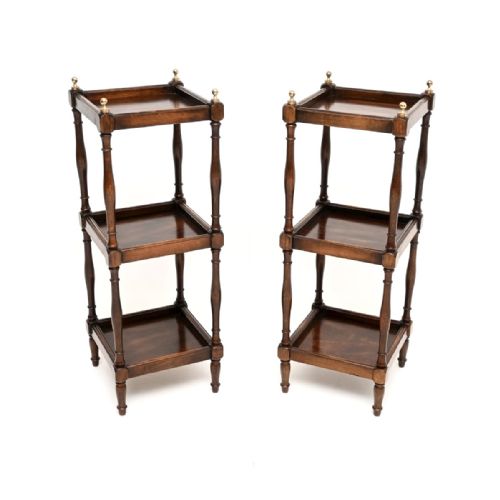
When you search for regency occasional furniture, you encounter a selection of smaller movable pieces designed for specific domestic tasks rather than formal dining. The examples appearing on this page span side tables, work tables, reading stands and nesting sets originating primarily from the nineteenth century alongside later revival periods.
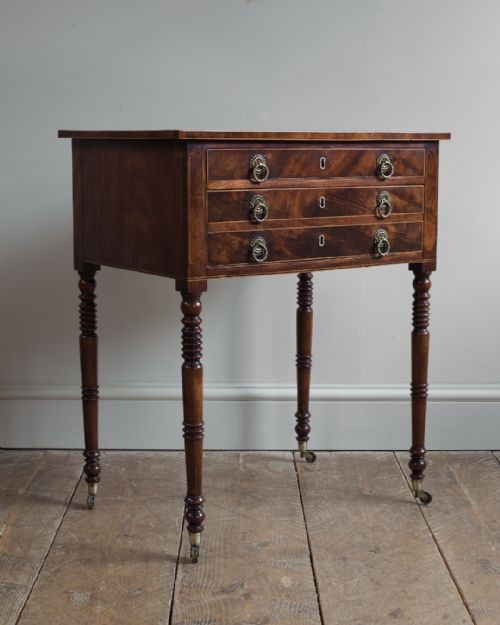
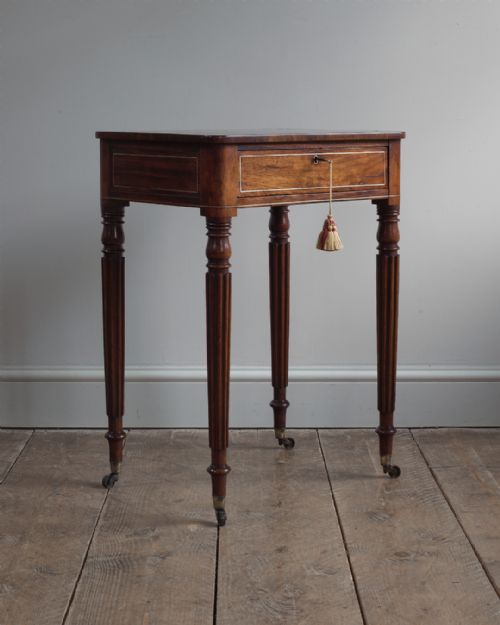
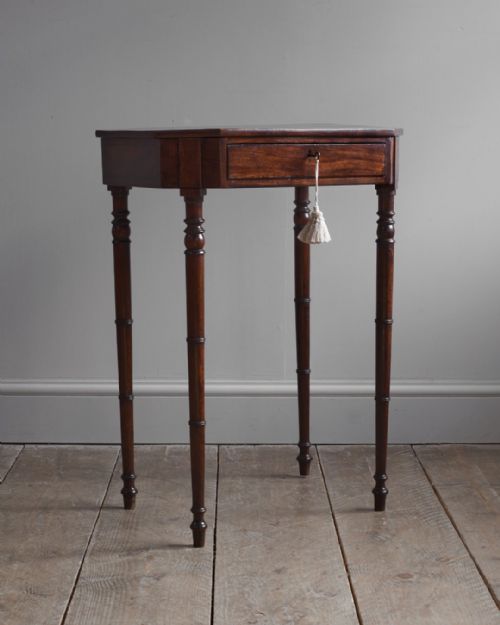
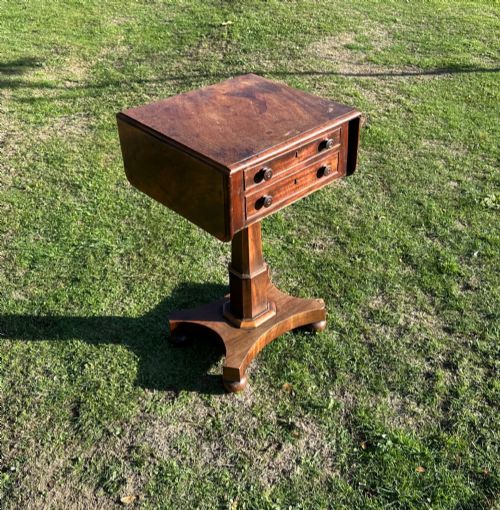
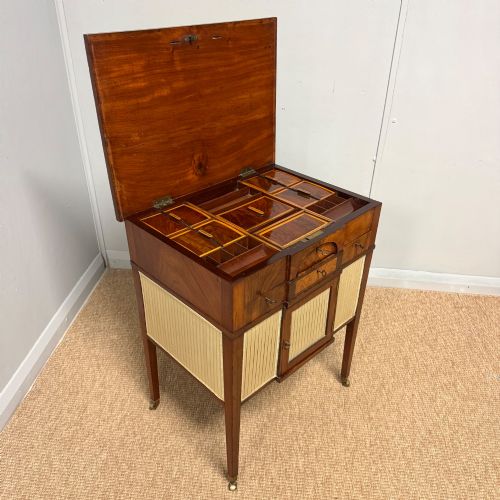
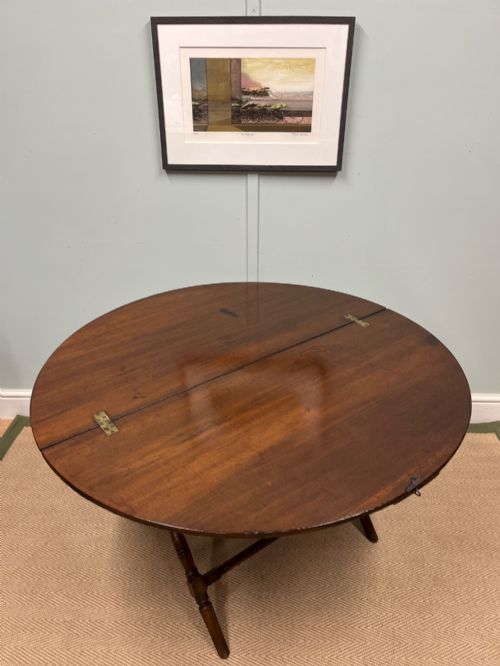
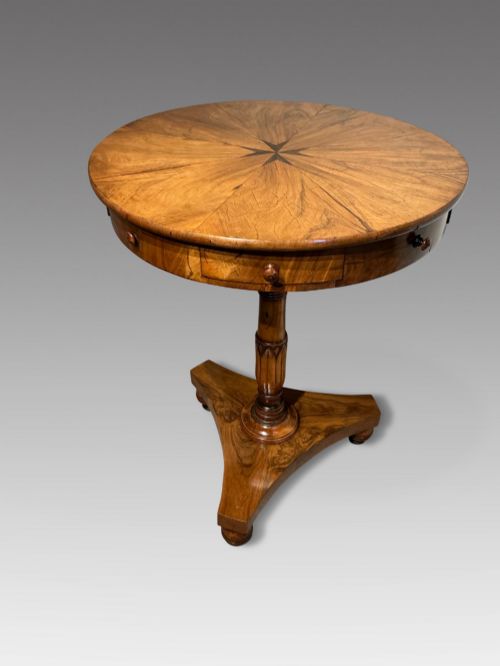
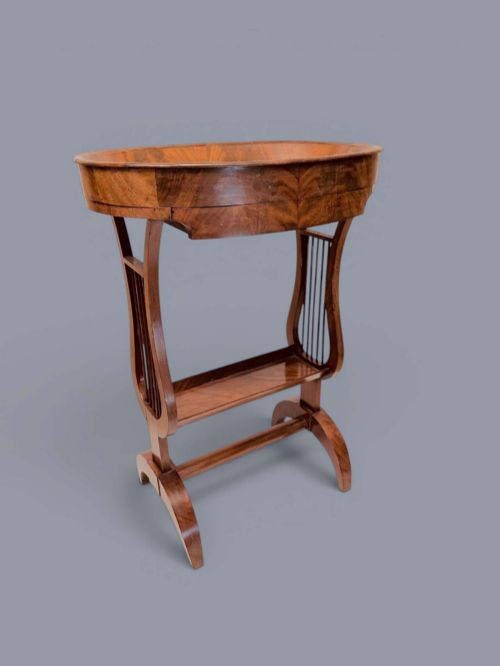
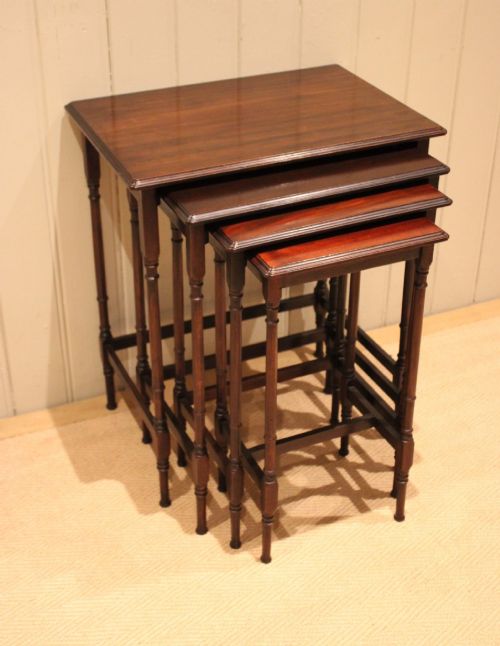
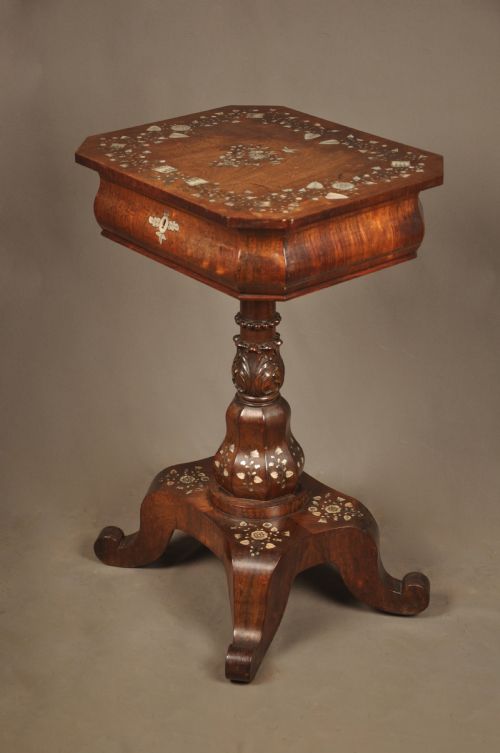
The dominant forms are mahogany and rosewood tables, often featuring clever compartments, drop leaves or tilt tops. Work tables and sewing tables with fitted storage compartments appear frequently, alongside compact lamp tables and quartetto nesting sets intended to occupy minimal floor space when not in use.
Materials and Construction
Cabinet makers of the period utilised dense timbers including mahogany, rosewood, satinwood and pollard oak, frequently enhanced with contrasting boxwood stringing or elaborate penwork decoration. Brass inlays, castors and carrying handles provide both structural reinforcement and decorative contrast against the dark polished wood.
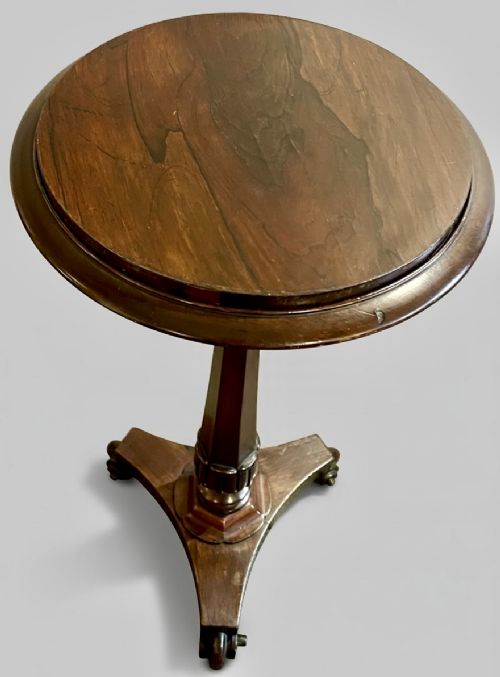
Secondary techniques involve delicate turned pedestals, tripod bases and fabric-lined interiors for sewing or writing compartments. Tables with removable tops or telescopic mechanism show an emphasis on mechanical ingenuity alongside traditional joinery.
Regency Occasional Furniture Retail Price Guide 2026
Typical asking prices for regency occasional furniture among the pieces listed under this phrase on Sellingantiques today, from the lower quarter to the upper quarter. They describe what is for sale here now, not the wider market.
Some work tables conceal integrated chess boards within their tops, proving that Victorian needlework occasionally paused for a quick game.
Assessing the Standard
Quality in these pieces rests upon the selection of timber veneers and the crispness of carved details on pedestals and legs. Finer examples display meticulously matched grain patterns, secure joints without excessive modern intervention, and well-executed brass inlay work that sits flush with the surrounding surface.
Internal elements also distinguish standard production from superior workshops. Fitted compartments with original working locks, intact silk-lined bags on work tables, and robust turning on tripod bases indicate skilled craftsmanship rather than mass production.
Gillows
The Regency Occasional Furniture Glossary
- Pembroke table
- A small table with hinged drop leaves on two opposing sides, supported by folding brackets or swing legs.
- Quartetto tables
- A set of four graduating nesting tables designed to slide one beneath another.
- Work table
- A small occasional table fitted with drawers, compartments or a fabric bag underneath for sewing and needlework.
- Penwork
- A decorative surface technique using ink or burning to create delicate line drawings, often resembling fine engraving.
- Tripod base
- A central pillar support resting on three spreading feet, common on occasional and lamp tables.
Regency Occasional Furniture: Frequently Asked Questions
What is regency occasional furniture?
It comprises small movable tables and stands created during the early nineteenth century and later revival eras to serve specific functions around the home.
These pieces include sewing tables, reading stands, side tables and nesting sets constructed from timber such as mahogany and rosewood.
How were work tables used?
Work tables served as specialised stations for needlework, sewing and letter writing, keeping domestic paraphernalia organised in internal compartments.
Many incorporate pull-out drawers or hanging fabric bags beneath the top specifically designed to hold textiles and threads.
How do I identify a quartetto set?
A quartetto set consists of four rectangular tables built in graduated sizes so that each smaller table slides neatly beneath the next larger one.
This format gained popularity for entertaining, allowing extra surface area to appear when needed and stow away completely afterwards.
Where should I place an occasional table?
These compact pieces fit easily beside seating arrangements, against hallways walls or next to beds to hold lamps, books or drinks.
Their mobility allows them to move around rooms easily depending on daily requirements.