


Regency Miniature Framed Art
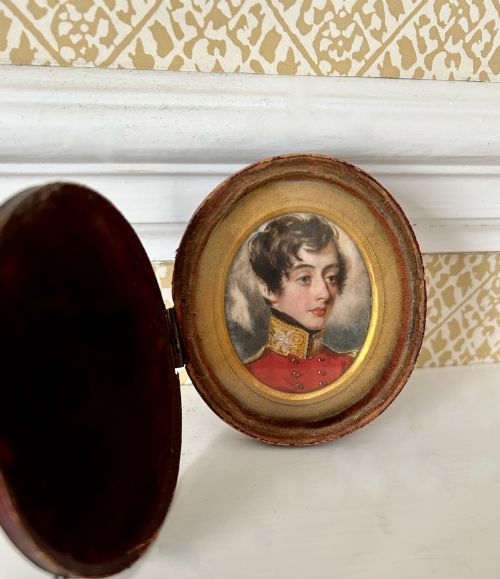
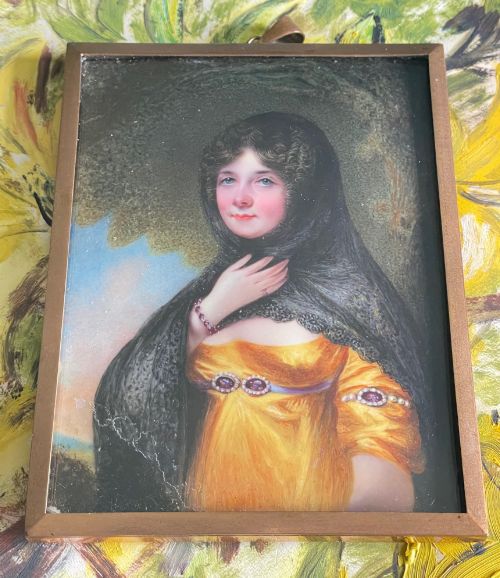
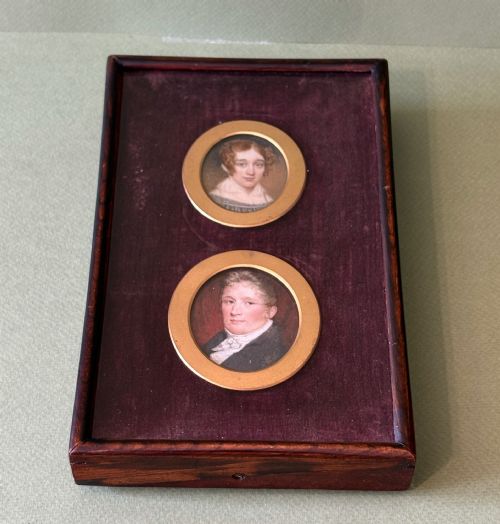
Regency miniature framed art comprises intimate portrait paintings and silhouettes housed in period surrounds, prized for their delicate detail and personal scale.
Regency Miniature Framed Art
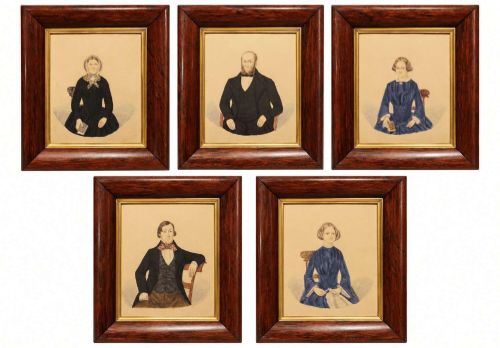
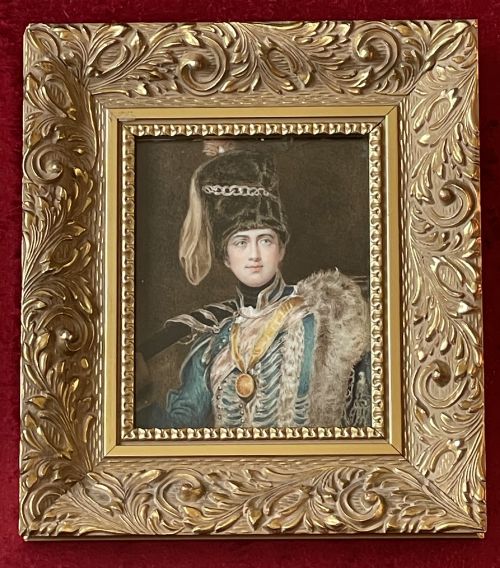
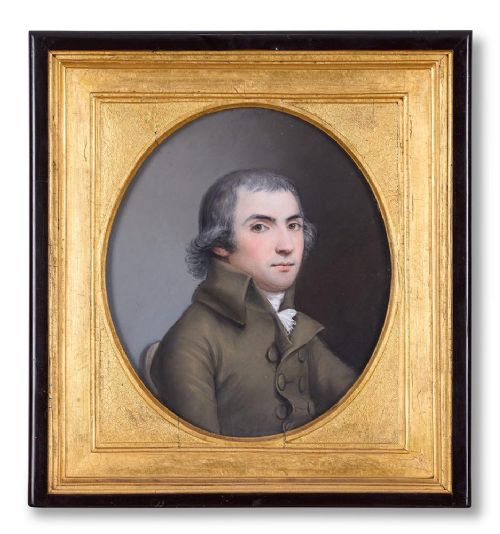
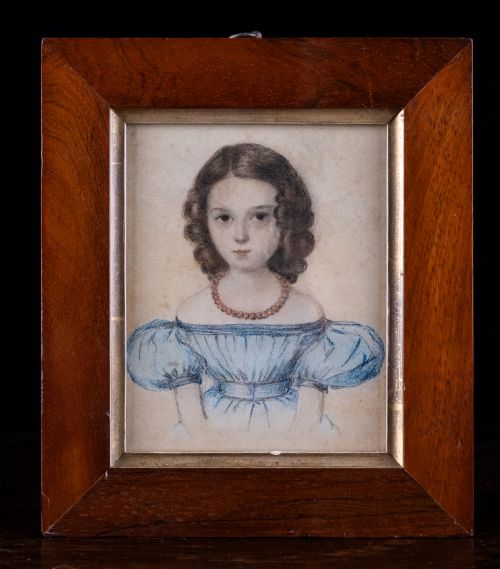
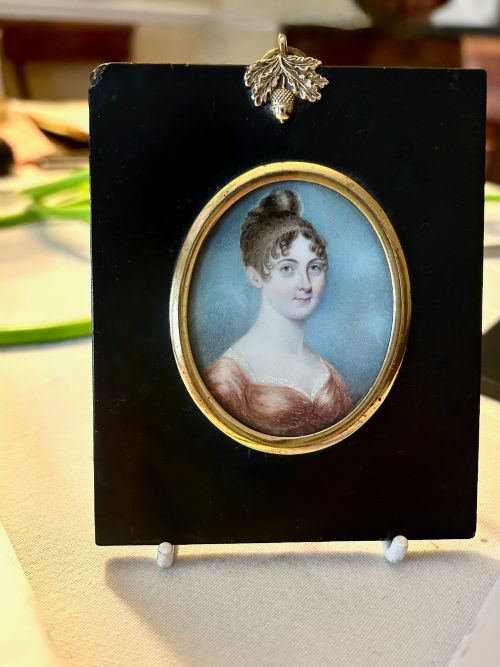
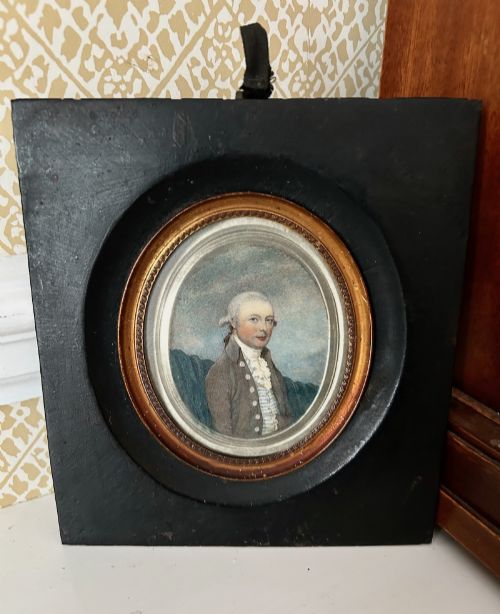
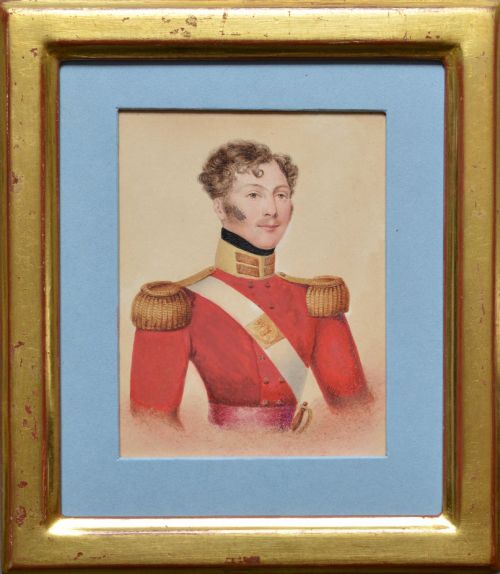
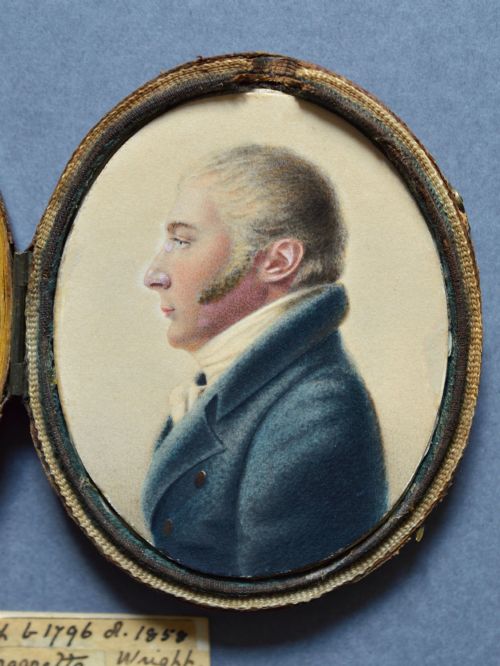
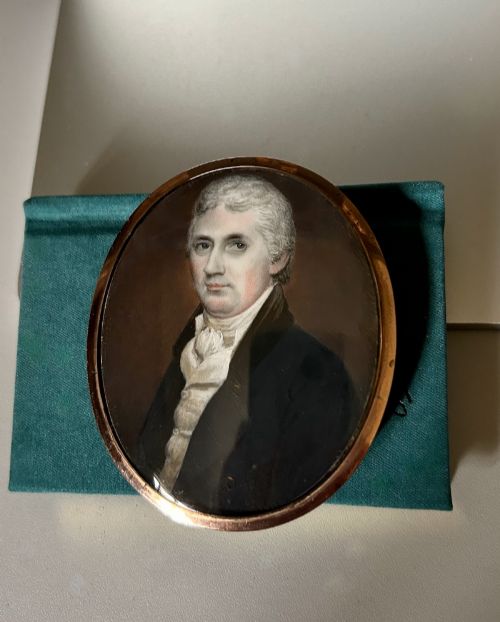
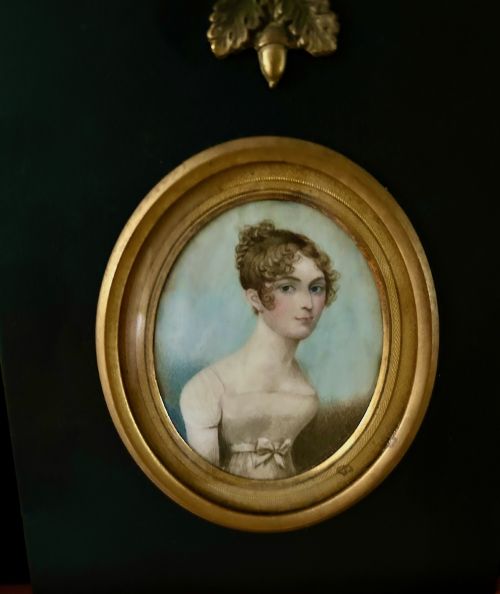
When buyers search for regency miniature framed art, they encounter small-scale visual works centred on portraiture and silhouette. These pieces capture likenesses of individuals from the Georgian and Regency eras in compact formats.
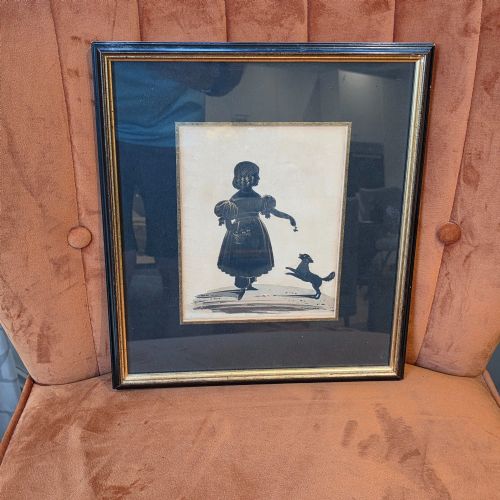
The selections here most frequently consist of portrait miniatures and cut paper silhouettes. These works originate primarily from the nineteenth century, including pieces dated to eighteen hundred and the eighteen thirties.
Framed works in this category frequently combine paper, watercolour, and ink within protective glass. Their presentation relies heavily on the specific framing materials employed to enclose the small compositions.
Materials and Techniques
Makers utilised watercolour and ink on paper, alongside enamel on metal plaques and delicate wax modelling. Portrait miniatures required fine brushwork, whilst silhouettes involved precision cutting or reverse painting on glass.
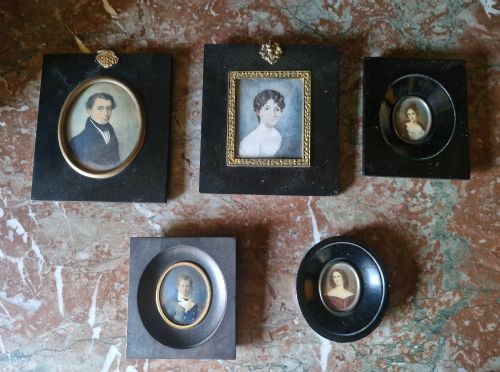
Surrounds relied on timber frames, particularly ebonised wood and giltwood, complemented by brass mounts. Glass protected the fragile surfaces of paper, watercolour, and delicate wax reliefs from environmental damage.
Regency Miniature Framed Art Retail Price Guide 2026
Typical asking prices for regency miniature framed art among the pieces listed under this phrase on Sellingantiques today, from the lower quarter to the upper quarter. They describe what is for sale here now, not the wider market.
Gentlemen and ladies occasionally shared wall space with spirited dogs and naval officers.
Distinctions in Quality
The execution of the surrounding frame influences the overall standard of the piece. Fine gilding, clean joinery in ebonised wood, and original brass fittings elevate the presentation of the artwork.
William James Hubard·Henry Bone·James Sharples·Richard Cosway·Augustin Edouart·Frederick Buck·John Miers
The Regency Miniature Framed Art Glossary
- Miniature portrait
- A small-scale painting executed with fine detail, typically depicting a specific person. These works often served as personal tokens or portable memorials.
- Silhouette
- A profile portrait filled in with a solid colour, most commonly black. Artists created these by cutting paper or painting directly onto card or glass.
- Reverse painting
- An artistic technique where the image is applied to the rear side of a glass sheet so the viewer looks through the glass to see the composition. This method provides a glossy finish and protects the pigment.
- Enamel portrait
- A painting fired onto a metal plaque using powdered glass pigments. This technique ensured durability and long-lasting colour saturation.
- Giltwood
- Timber that has been coated with a thin layer of gold leaf or gold paint. It frequently appears on traditional frames from the Regency period.
Regency Miniature Framed Art: Frequently Asked Questions
What subjects appear in these frames?
Portraits represent the primary subject matter within these works. Artists depicted officers, children, ladies, and gentlemen of the Georgian and Regency periods.
Animals and narrative scenes also appear occasionally. These include silhouette studies of dogs or figurative enamel plaques illustrating traditional themes.
How were these miniature artworks displayed?
Owners typically hung these small framed pieces on walls in domestic interiors, often clustering several together. Their compact size allowed them to occupy narrow wall spaces between windows or doorways.
Some examples utilised stands for tabletop placement. Others functioned as personal keepsakes kept in private chambers.
How do I identify a Regency frame?
Regency frames frequently feature specific mouldings and gilding styles associated with the early nineteenth century. They often utilise ebonised wood contrasted with bright brass apertures or corner ornaments.
Proportions tend to be neat and restrained, matching the scale of the enclosed artwork. Hogarth style mouldings also appear on later nineteenth century interpretations.
What media did artists use?
Watercolour on paper forms a significant portion of the available artwork. Artists also employed pencil, gouache, and pastel for preparatory sketches and finished portraits.
Silhouettes relied on cut paper, ink, or wax reliefs. Enamel on copper plates provided a durable alternative for permanent portraiture.
How do I care for framed miniatures?
Keep these sensitive works away from direct sunlight to prevent fading of watercolours and paper components. Stable indoor humidity levels protect the fragile wood and gilt frames from warping or cracking.
Avoid using liquid cleaners on the glass or frame surfaces. Dust gently with a dry, soft cloth.