



Regency Miniature Art
Regency miniature art captures the intimate likenesses of officers, ladies, and children painted on delicate paper or glass during the Georgian and Regency periods.
Regency Miniature Art
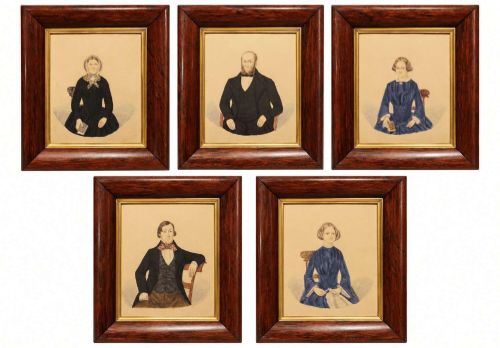
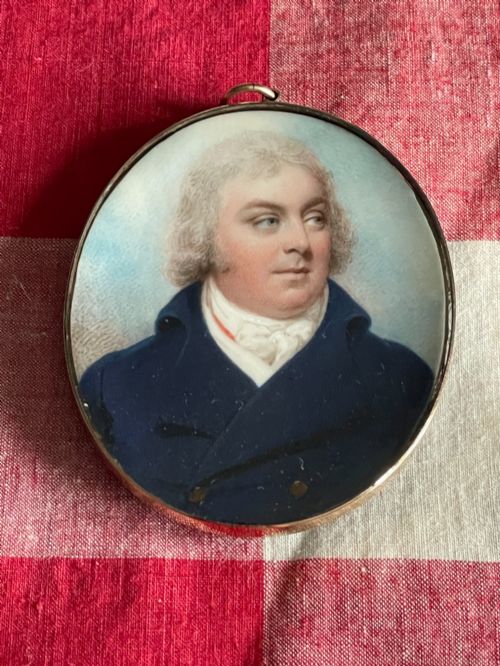
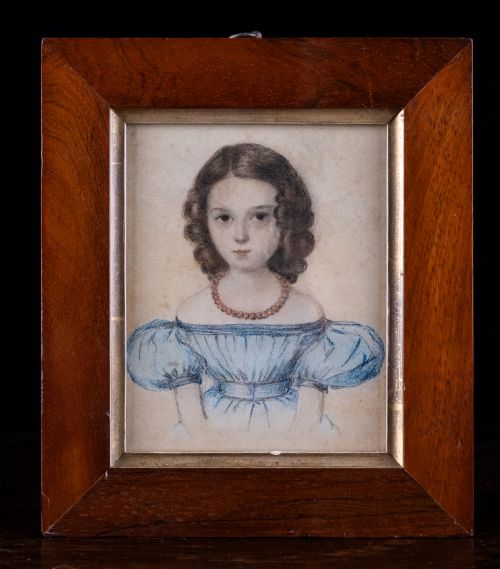
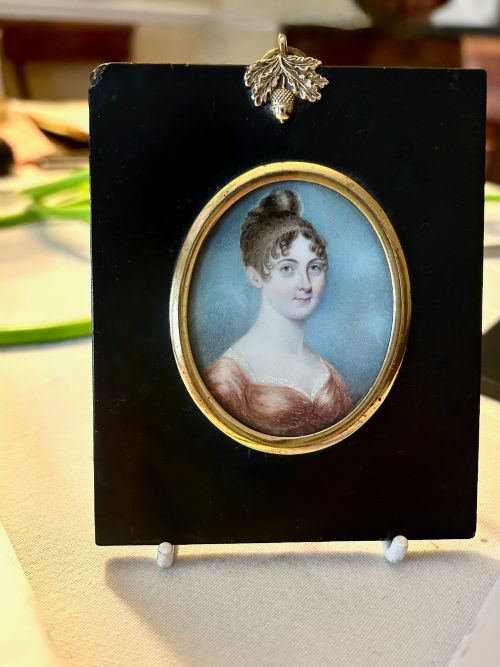
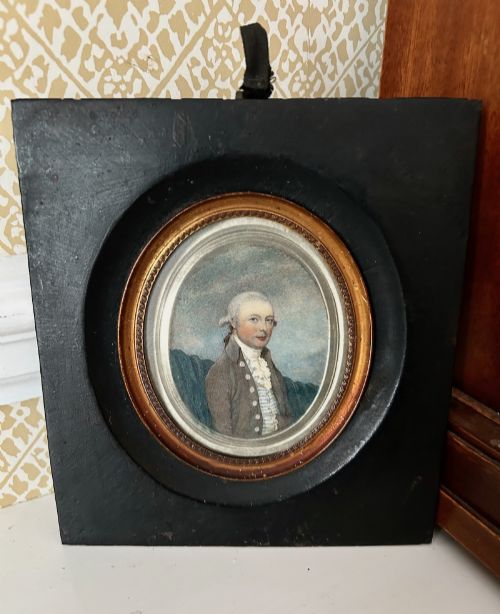
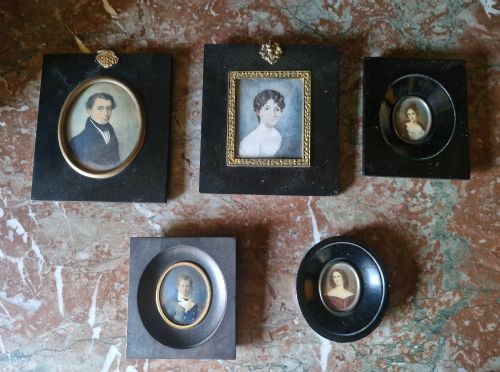
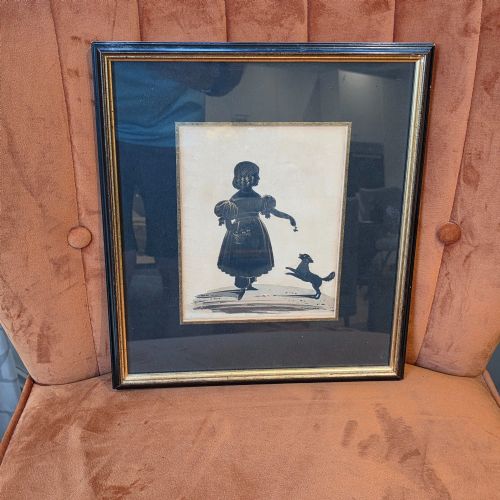
When you search for regency miniature art, you encounter a specialised form of small-scale portraiture that records the faces of the Georgian and nineteenth-century eras. These pieces take the form of portrait miniatures, miniature paintings, silhouettes, and framed fine art works.
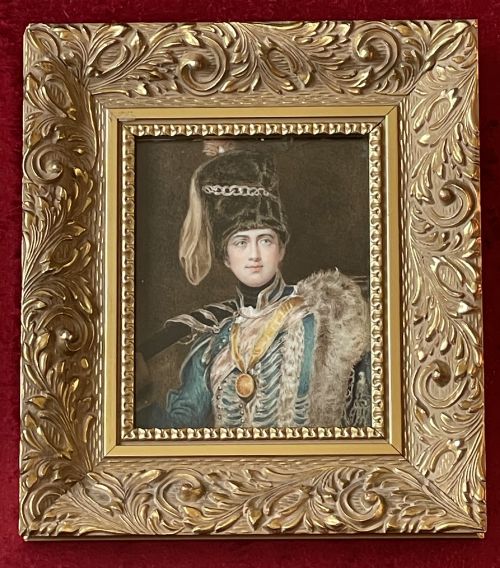
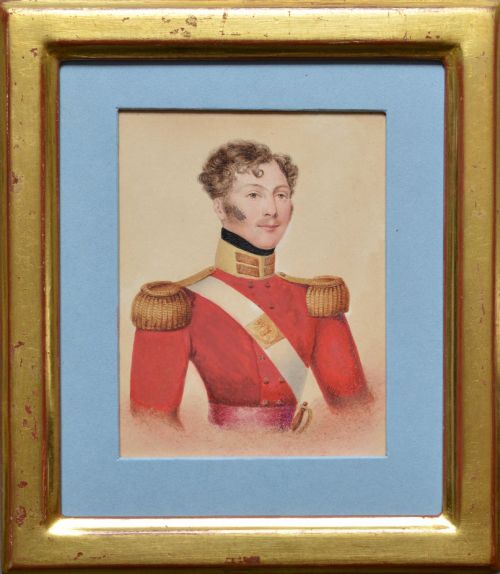
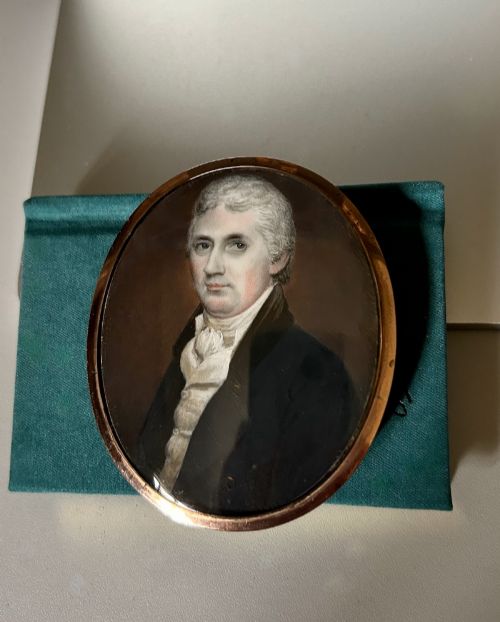
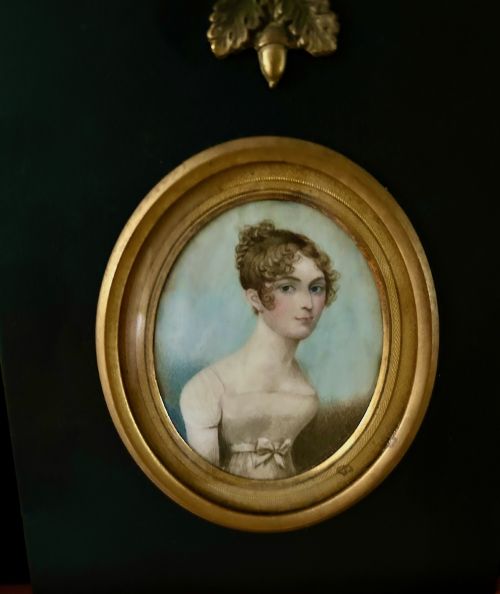
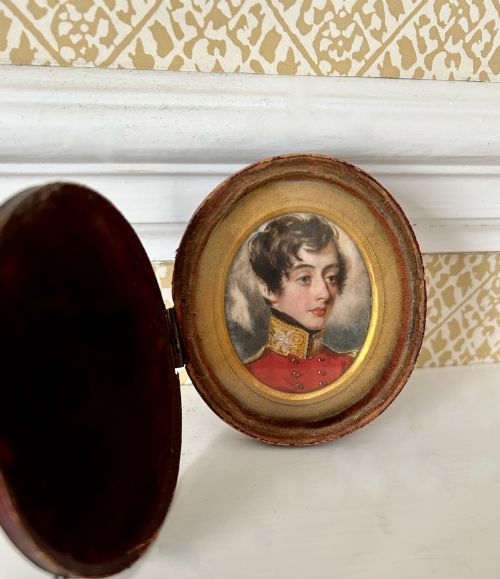
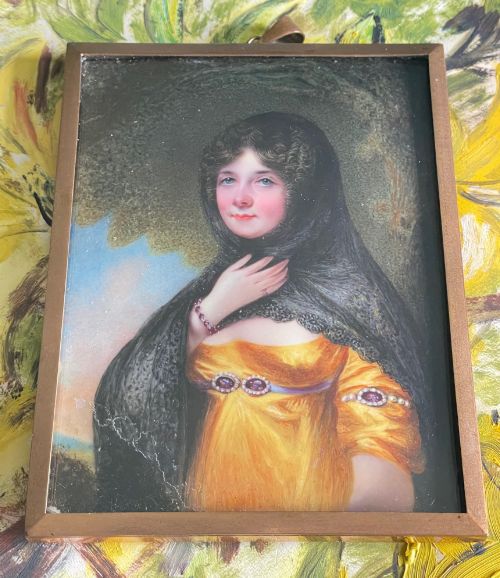
The most common versions on this page are delicate watercolour paintings on paper or glass, alongside cut-paper and painted silhouettes. They depict officers in military red coats, elegant gentlemen in wigs, and young ladies in period dress.
Originating primarily from British schools, these works span the late eighteenth century, the Regency era proper, and into early Victorian times. They offer a direct window into the personal likenesses cherished by past generations.
How They Were Made
Artists painted these miniature portraits using fine watercolours, pastel, gouache, or enamel on surfaces such as paper, card, and porcelain. The application demands immense precision to achieve detailed facial expressions on a very small scale.
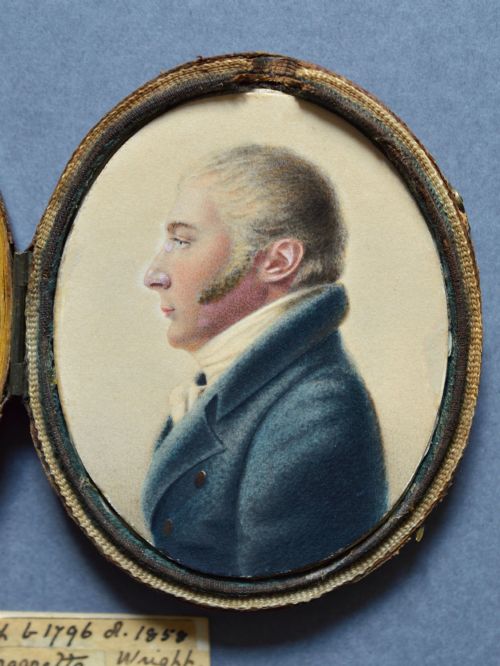
Silhouettes involve cut paper combined with watercolour highlights, or direct painting with ink or pigment onto card. Frames fashioned from ebonised wood, gilt metal, and brass enclose these fragile works, often protected behind glass.
Regency Miniature Art Retail Price Guide 2026
Typical asking prices for regency miniature art among the pieces listed under this phrase on Sellingantiques today, from the lower quarter to the upper quarter. They describe what is for sale here now, not the wider market.
Watch for the fierce gaze of nineteenth-century officers who clearly took their military postures very seriously indeed.
What Varies in Quality
The skill of the brushwork and the precision of the facial likeness separate the finest miniature paintings from simpler student or school pieces. Master artists capture the exact texture of hair, fabric, and skin tones with remarkable depth.
The quality of the housing also matters, distinguishing works retained in their original heavy gilt frames, brass stands, or ebonised surrounds from later replacements. The preservation of the underlying paper or enamel without fading or water damage dictates the standing of each piece.
William Wood·Frederick Buck·The Hubard Gallery·James Sharples·Horace Hone·Charles Jagger·Richard Cosway·John C D Engleheart·Nicolas Freese·Henry Bone ARA
The Regency Miniature Art Glossary
- Portrait Miniature
- A small-scale painting, usually executed on paper, ivory, or card, that records a person's likeness in intimate detail. These works were frequently worn as jewellery or kept in protective cases.
- Silhouette
- A portrait profile filled in with a solid dark colour, typically black, or cut from paper. They emerged as a popular, quicker alternative to detailed painted miniatures.
- Ebonised Wood
- Timber treated to imitate the dark, dense appearance of ebony wood. It appears frequently in the framing of nineteenth-century miniatures.
- Enamel Plaque
- A small painting fired onto a metal base, often copper or gold, creating a durable and glossy surface. This technique protected portrait miniatures from fading over time.
Regency Miniature Art: Frequently Asked Questions
What is regency miniature art?
Regency miniature art comprises small-scale portraits, silhouettes, and paintings created during the late eighteenth and early nineteenth centuries. These works record the likenesses of individuals on delicate surfaces like paper, glass, and enamel.
Artists used watercolour, gouache, and enamel to capture precise facial details. They served as personal keepsakes that people carried or displayed in intimate interior settings.
How were miniature portraits displayed?
Miniatures were typically housed in small, protective frames made from ebonised wood, gilt metal, or brass. Some featured stands for placement on desks or mantelpieces.
Because the surfaces were fragile and sensitive to light, many were kept behind glass or fitted into hinged cases for portability.
How do I care for these paintings?
Protect miniature paintings from direct sunlight to prevent the watercolour pigments and paper from fading. Keep them in stable indoor environments away from excessive moisture.
Avoid opening the original frames, as the seals protect the delicate paper, glass, and painted surfaces from dust and environmental damage.