




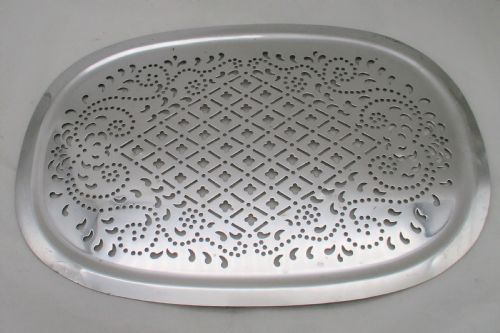


Regency Metal Tray
These regency metal tray pieces bring functional elegance to any room, offering historic character through painted surfaces and robust iron forms.
Regency Metal Tray
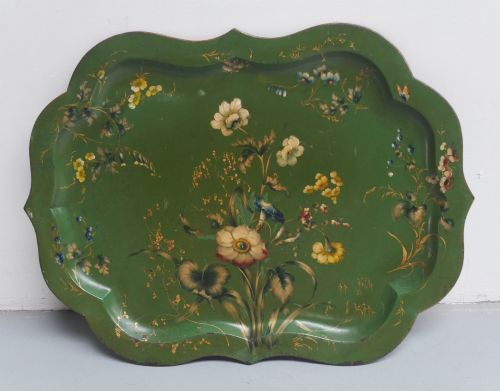
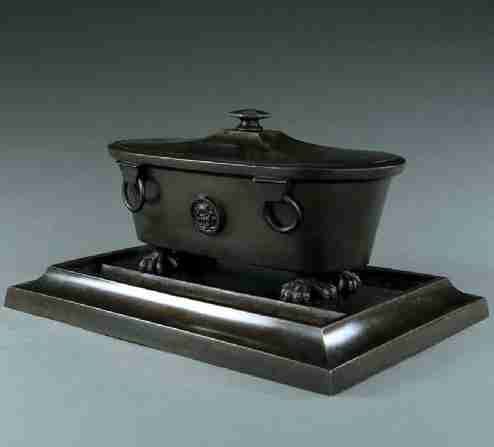
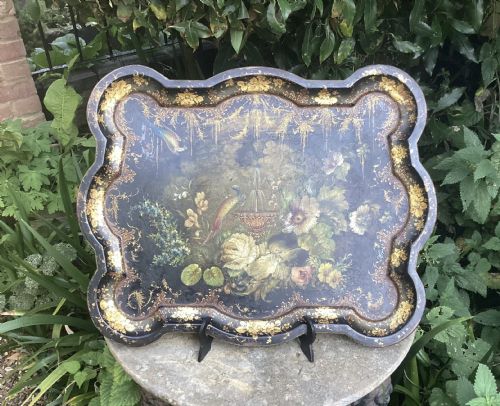
Buyers seeking a regency metal tray encounter items primarily spanning the Regency and 19th Century periods, encompassing forms such as serving trays, toleware trays, inkstands, and occasional tables. These objects combine utility with decorative appeal, often featuring painted finishes or gilt embellishments upon sheet iron.
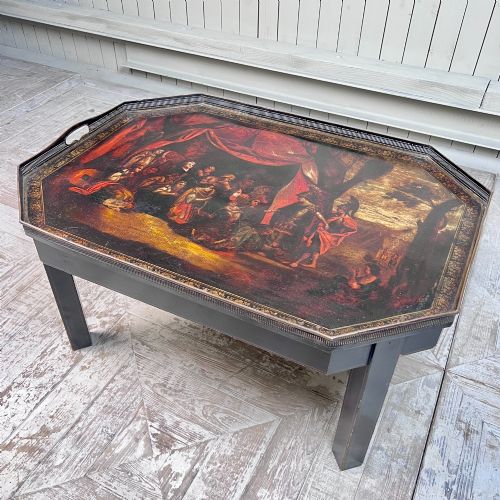
The selections available here frequently manifest as toleware trays or papier-mache pieces adapted onto stands, reflecting both Georgian and Victorian design influences. Forms range from octagonal tole tray tables to shaped bowls and paired boot scrapers, demonstrating the diverse application of metal and lacquer in historical interiors.
Originating from British craftsmanship traditions, these items include specialised regional pieces such as Pontypool toleware alongside refined Old Sheffield plated wares. Such pieces serve modern collectors as decorative centerpieces or functional occasional tables within period and contemporary settings alike.
How they were made
Makers utilised sheet iron and cast iron as the primary structural foundations for these items, shaping the metal to form durable trays and functional accessories. Artisans then applied specialised paint and lacquer techniques to create smooth, dark grounds suitable for subsequent ornamentation.
Gilding and hand-painted motifs form the core decorative vocabulary of these pieces, often depicting classical scenes or delicate border patterns. The integration of wood and brass components appears in pieces mounted as occasional tables, uniting metalwork with cabinetry.
Regency Metal Tray Retail Price Guide 2026
Typical asking prices for regency metal tray among the pieces listed under this phrase on Sellingantiques today, from the lower quarter to the upper quarter. They describe what is for sale here now, not the wider market.
Available forms range from serving trays and inkstands to occasional tray tables and cast iron boot scrapers.
What varies in quality
The finesse of the hand-painted and gilt embellishments distinguishes finer examples from simpler utilitarian items, with superior pieces displaying crisp detail and careful composition. Preservation of the original painted surface and lacquer finish heavily influences the overall character and desirability of each piece.
Structural integrity, particularly in items converted to tables or those retaining complex ironwork, dictates the standard of manufacture. The sophistication of the underlying metal shaping, from smooth sheet iron curves to robust cast components, marks the division between standard workshop output and exceptional production.
Clay·Vulliamy·Mallets
The Regency Metal Tray Glossary
- Toleware
- Painted or lacquered tinplate and sheet iron household objects. This technique reached high artistic levels in British workshops during the Georgian and Regency eras.
- Papier-mache
- A composite material made of paper pulp or reinforced paper sheets mixed with glue, then moulded and lacquered. It provided a lightweight yet sturdy base for fine trays and tables.
- Old Sheffield Plate
- A composite material formed by fusing a thin sheet of silver to a thicker copper base. It predated electroplating and creates a warm, rich surface as the base metal gently telegraphs through.
- Mazarine
- A decorative draining plate or insert used historically in food service. These pierced metal plates sat inside larger platters to keep meats elevated.
- Gilding
- The application of gold leaf or gold powder onto a surface for decoration. It provides bright contrast against dark lacquered or painted metal backgrounds.
Regency Metal Tray: Frequently Asked Questions
What is a tole tray?
A tole tray is a functional domestic object made from sheet iron, finished with dark paint or lacquer and frequently adorned with hand-painted motifs or gilding. These pieces were produced extensively during the Georgian and Regency periods.
They served various roles in historic households, from carrying beverages to functioning as decorative table tops when mounted on stands.
How do I care for antique metal trays?
Antique painted and lacquered metal trays require gentle handling to protect their historic finishes. Dust them softly with a dry cloth and avoid harsh chemical cleaners or abrasive scrubbing.
Keep them away from direct sunlight and excessive moisture to preserve the integrity of the paint, lacquer, and underlying metal.
Are these trays water resistant?
Historic painted and lacquered surfaces are sensitive to prolonged moisture and standing water. While they were designed for functional household service, modern use should avoid soaking or excessive wetness.
Quickly wiping away spills helps maintain the original paintwork and prevents damage to the iron or papier-mache substrate.
How can I tell Regency from Victorian pieces?
Regency pieces typically exhibit restrained classical motifs, delicate gilt work, and specific forms influenced by early nineteenth-century design tastes. Victorian items often feature heavier ornamentation and broader colour palettes reflecting later nineteenth-century manufacturing shifts.
Examining the underlying materials, such as sheet iron versus later cast variations, also helps distinguish between these overlapping periods.