
Regency Mahogany Display Shelf
A regency mahogany display shelf brings architectural clarity and rich timber tone to a room, offering tiered space for books and precious objects.
Regency Mahogany Display Shelf
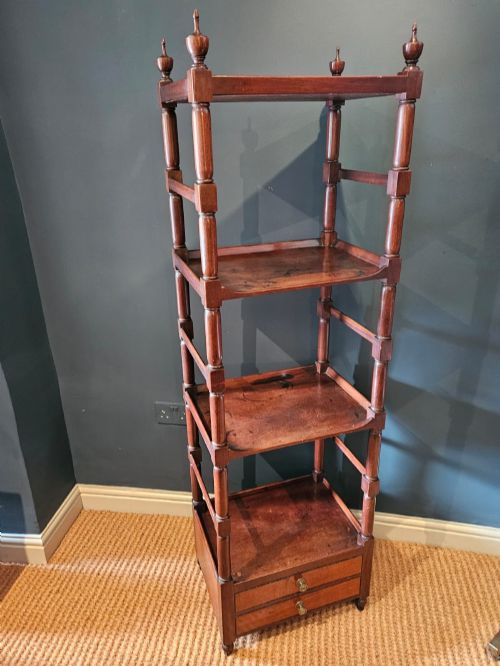
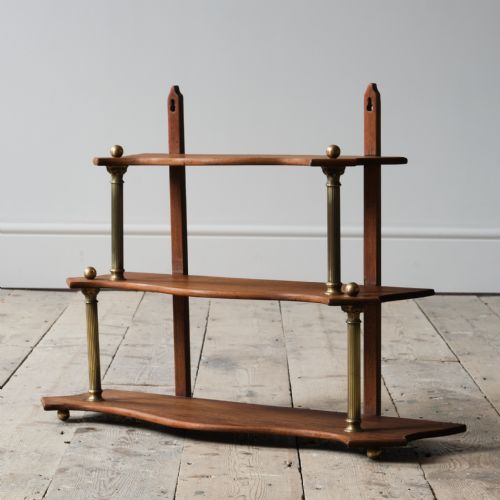
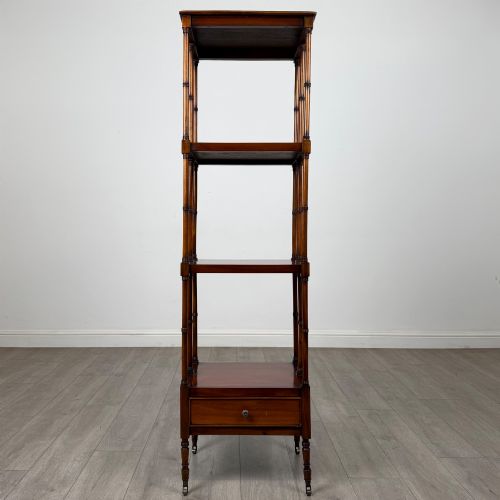
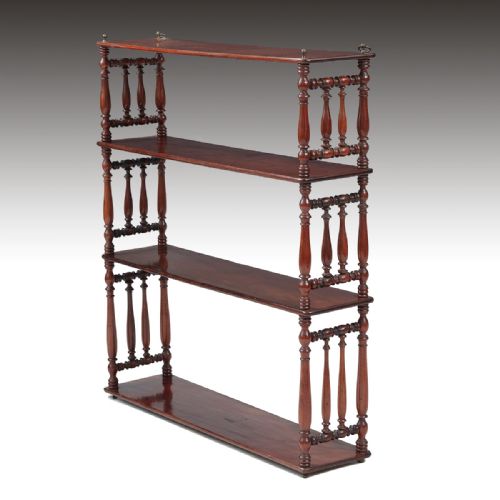
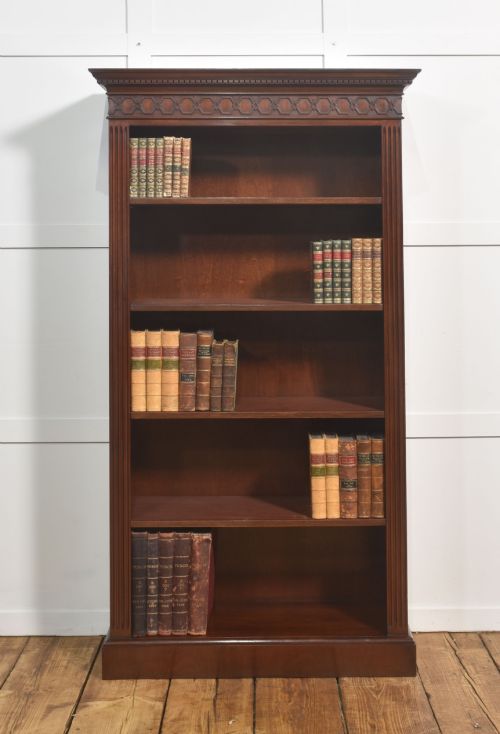
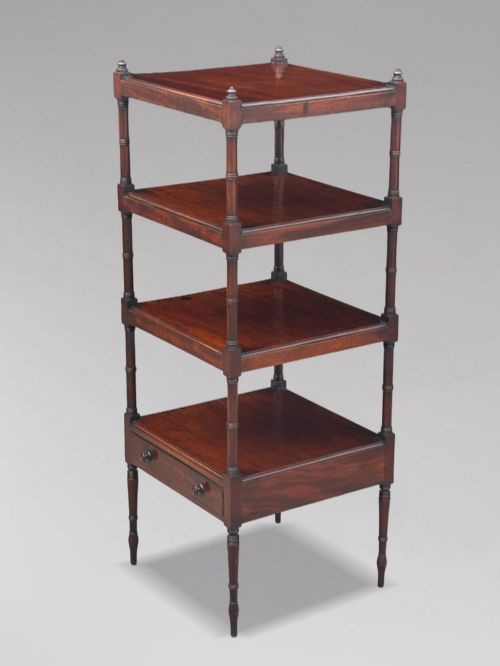
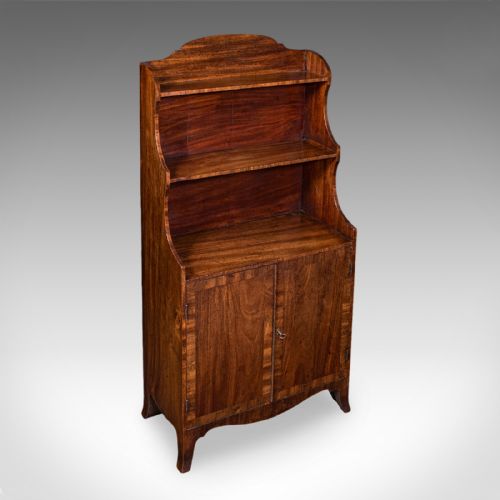
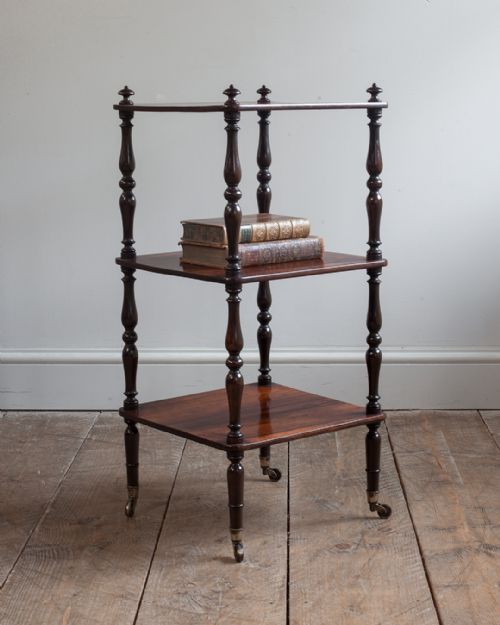
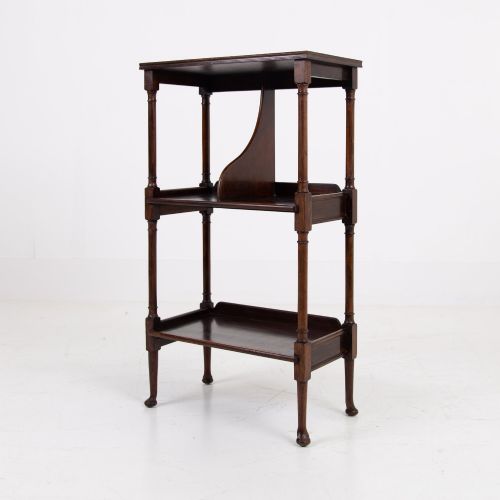
When you search for a regency mahogany display shelf, you enter a world of tiered storage designed to hold books, music stands, and display items. These pieces range from compact wall-hanging shelves to substantial floor-standing bookcases and what-nots.
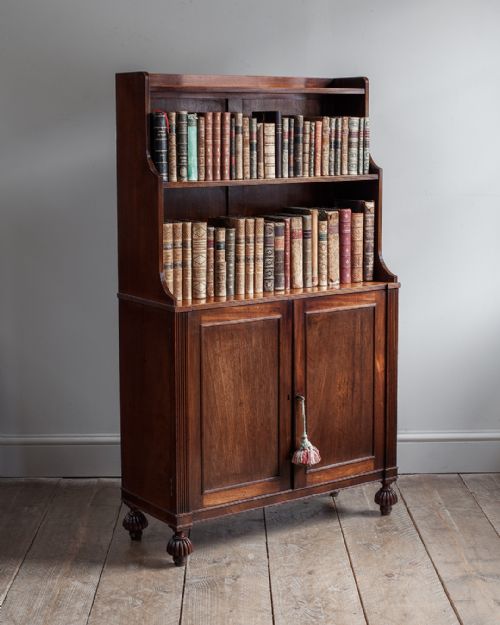
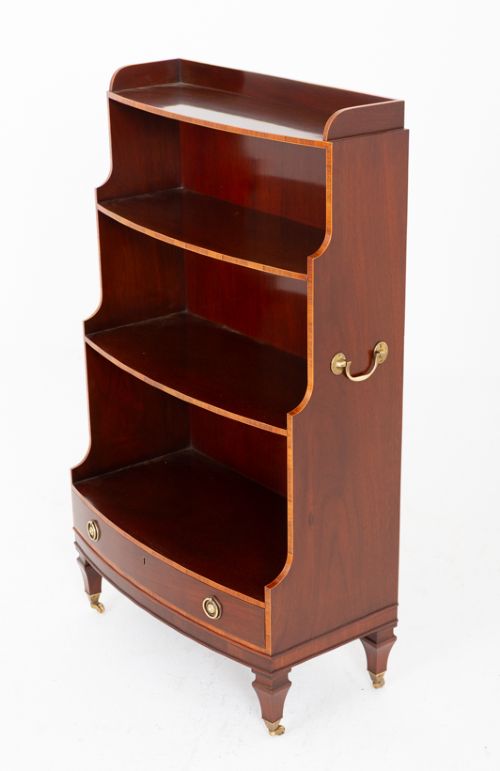
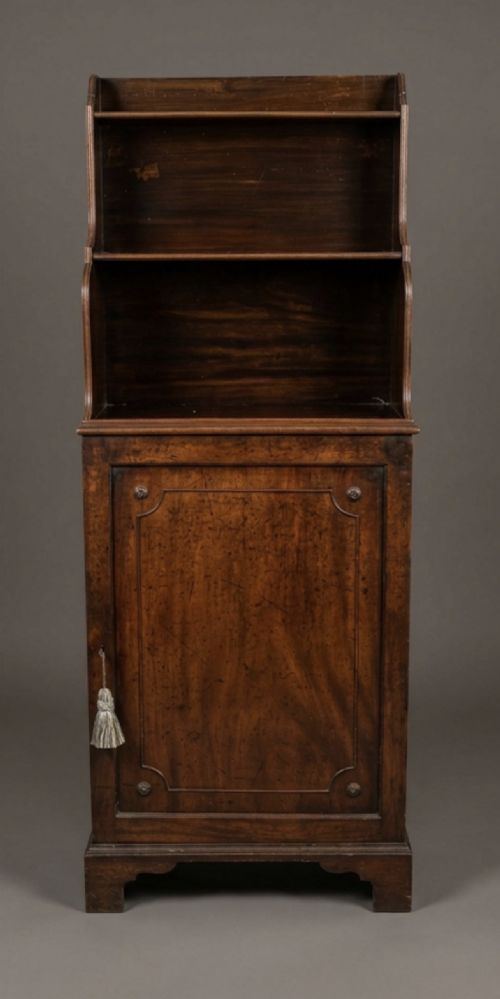
The version you are most likely to meet on this page is a multi-tiered piece from the Regency or Georgian periods, often featuring graduated open shelves or a combination with a small cabinet base. Forms extend from waterfall bookcases and etageres to corner stands and portable bookshelves.
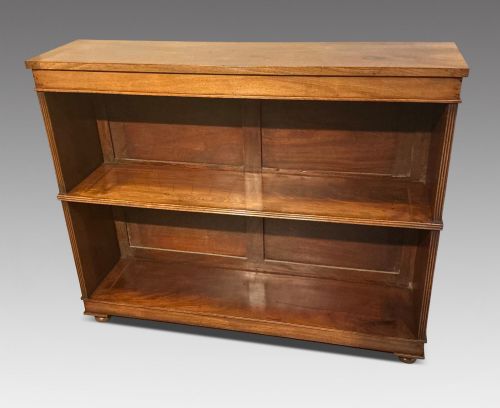
Makers and craftsmen utilised the grain of the wood to create visual interest, whether through simple tapering uprights or architectural breakfront designs. They serve equally well today as practical book storage or elevated display surfaces in a period interior.
Materials and construction methods
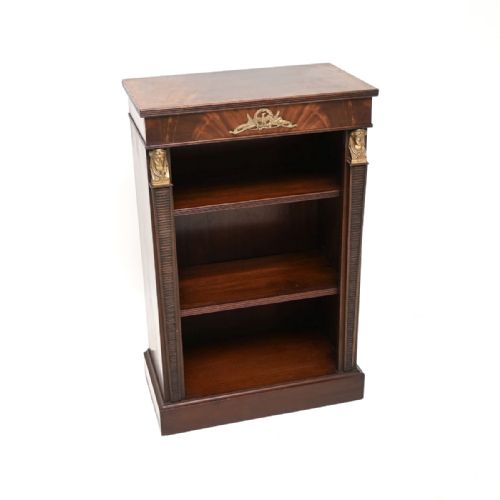
The primary material across these pieces is mahogany, frequently selected in figured forms such as flame mahogany or applied as a veneer over secondary timbers. Cabinetmakers manipulated these rich brown boards to highlight natural grain patterns across flat surfaces and curved tiers.
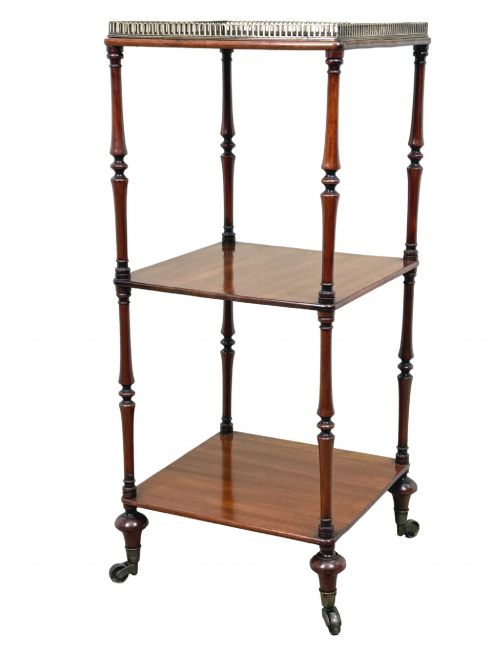
Brass details appear regularly, taking the form of inset galleries, delicate trim, or structural supports that accent the dark timber. These metallic additions provide functional strength while introducing bright contrast to the warm mahogany tones.
The listings span the Regency, Georgian, and Edwardian periods, constructed predominantly in mahogany with occasional rosewood and brass details.
Distinctions in construction and finish
The hierarchy of these pieces rests on the choice of timber and the sophistication of the joinery. Superior examples employ carefully selected flame mahogany veneers with matching grain patterns across multiple tiers, whereas simpler items utilise plain solid wood.
Refinement in the turning of upright supports, the integration of brass gallery work, and the presence of adjustable shelving elevate a piece from a utilitarian storage unit to a masterwork of cabinetmaking.
The Regency Mahogany Display Shelf Glossary
- Whatnot
- A set of open shelves for displaying small objects or books, popular from the late eighteenth century onward. These structures typically feature three or more tiers supported by slender columns.
- Waterfall bookcase
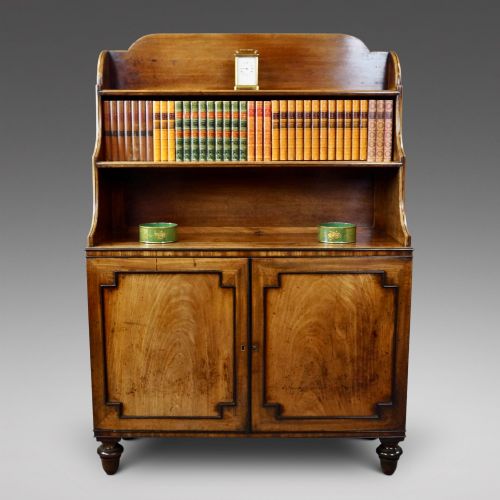
- A standing set of open shelves where each successive tier steps back from the one below it. The sides often follow this descending curve.
- Etagere
- A piece of furniture consisting of a series of open shelves for displaying ornaments. They appear frequently in combination with what-nots during the Regency period.
- Breakfront
- A large piece of furniture whose central section projects forward from the flanking wings. This architectural arrangement creates depth and visual rhythm in floor bookcases.
- Flame mahogany
- A veneer cut from the fork of a mahogany tree where the branches join the trunk. This method yields a distinctive, rippling flame-like pattern.
Regency Mahogany Display Shelf: Frequently Asked Questions
What is a whatnot?
A whatnot is a multi-tiered open shelving unit designed for displaying ornaments, ceramics, or books. They became essential household furniture during the Regency and Georgian eras.
These pieces range from tall floor-standing units to corner stands and smaller wall-hanging versions, often featuring turned supports and delicate brass galleries.
How do waterfall bookcases differ?
Waterfall bookcases are defined by their stepped tiers, where each shelf is narrower than the one directly beneath it. The vertical sides follow this descending contour.
This graduation creates an open, light profile distinct from standard rectangular bookcases, making them suitable for smaller spaces and display.
Where were these shelves used?
These pieces served multiple domestic functions in period interiors, acting as bedside book repositories, music stands, or drawing-room display surfaces for prized collections.
Portable bookshelves and hanging shelves allowed owners to move their working libraries between rooms before fixed architectural shelving became standard.
How do I date a piece?
Dating relies on observing structural characteristics, timber selection, and stylistic details associated with periods like the Regency or Edwardian revivals. Regency pieces often display clean classical lines and fine brass mounts.
Later revival pieces from the twentieth century frequently adopt these earlier neoclassical or Empire forms while utilising twentieth-century construction techniques and machine-cut veneers.